
A Bountiful Kitchen French Toast. Imagine waking up to the smell of warm, golden French toast filling your kitchen. You deserve a breakfast that feels like a treat, yet is easy enough to make any day.
“A Bountiful Kitchen French Toast” is not just about food—it’s about creating moments that brighten your morning and satisfy your cravings. Ready to discover a simple recipe that turns ordinary bread into something extraordinary? Keep reading, and let’s make your breakfast unforgettable.
:max_bytes(150000):strip_icc()/11774137-Banana-Bread-French-Toast-Peyton-Beckwith-Beauty-4x3-11f5e0d0c70142c18fba063f0f9b22f5.jpg)
Credit: www.allrecipes.com
Ingredients For Rich French Toast
Creating rich French toast begins with selecting the right ingredients. Each component adds depth and flavor. The perfect balance makes your breakfast truly special. Let’s explore the key ingredients that build a bountiful kitchen French toast.
Choosing The Perfect Bread
Bread sets the base for French toast. Thick slices absorb the egg mixture well. Brioche and challah are popular choices. Their soft texture and slight sweetness enhance flavor. Stale bread works best. It soaks up the custard without falling apart. Avoid thin or crusty bread types. They can become too soggy or dry.
Essential Dairy And Eggs
Eggs and dairy create the custard that coats the bread. Use large eggs for a rich texture. Whole milk or cream adds creaminess. Cream makes the toast extra tender and soft. You can mix milk and cream for balance. Fresh eggs and quality dairy improve taste and color. Avoid skim milk; it thins the custard too much.
Flavor Enhancers And Spices
Simple spices transform French toast from plain to delightful. Cinnamon adds warmth and sweetness. Nutmeg gives a subtle, nutty hint. Vanilla extract boosts flavor and aroma. A pinch of salt balances sweetness. Sweeteners like sugar or honey can blend into the custard. These ingredients create layers of taste in every bite.
Credit: www.theroastedroot.net
Preparing The Batter
Preparing the batter for A Bountiful Kitchen French Toast is where the magic begins. The texture and flavor of your toast depend heavily on this step. Getting the batter just right ensures each slice soaks up the perfect amount of flavor without becoming soggy.
Mixing Techniques For Creaminess
Start by whisking the eggs and milk together until fully blended. Use a fork or a whisk and beat vigorously to introduce air, which makes the batter lighter and creamier.
Adding a splash of heavy cream can boost the richness, but be careful not to overdo it. Too thick a batter can weigh down your bread and make it dense. Have you ever noticed how a well-mixed batter feels almost silky? That’s the texture you want to aim for.
Balancing Sweetness And Spice
Sweetness and spice should complement each other without one overpowering the other. A good starting point is a tablespoon of sugar combined with a teaspoon of cinnamon for a warm, inviting flavor.
Consider adding a pinch of nutmeg or a drop of vanilla extract to deepen the flavor profile. You can adjust these amounts based on your taste—try less sugar if you prefer a subtler sweetness or more cinnamon if you like a stronger spice kick.
Think about what you enjoy in your morning toast. Do you lean toward sweet or spicy? Tuning your batter to fit your personal preference makes every bite enjoyable.
Cooking To Perfection
Cooking A Bountiful Kitchen French Toast to perfection requires attention to detail and the right techniques. Each step, from choosing the pan to controlling the temperature, affects the final texture and flavor. Let’s break down how you can consistently create a golden, delicious French toast that impresses every time.
Optimal Pan Selection
Your choice of pan can make or break your French toast. A heavy-bottomed skillet or cast iron pan distributes heat evenly, preventing hot spots that burn the toast. I once used a thin non-stick pan and ended up with unevenly cooked slices—some soggy, some burnt.
Non-stick pans are great for easy flipping and cleanup, but don’t overlook the benefits of a well-seasoned cast iron pan for that perfect crust. Consider the size too; a pan that fits your bread slices comfortably allows even cooking without overcrowding.
Temperature Tips For Even Cooking
Controlling the heat is crucial. Medium heat usually works best to cook the inside thoroughly without burning the outside. If the pan is too hot, the crust chars before the center cooks through.
Try heating your pan for a few minutes before adding butter or oil. Once you see the fat shimmering, it’s time to add the bread. Don’t rush the cooking—patience ensures each slice cooks evenly and retains its moisture.
Achieving The Ideal Golden Crust
The golden crust is the hallmark of great French toast. Use butter for richness and a slight nutty flavor, but don’t be afraid to mix in a little oil to prevent burning. Butter alone can brown too quickly.
Watch the edges closely as they often brown faster than the center. Flip gently and only once to keep the crust intact. Ask yourself: is your toast developing a beautiful, even color, or are there spots that need adjusting in heat or fat?
Creative Toppings And Add-ons
Adding creative toppings and add-ons to your A Bountiful Kitchen French Toast can transform a simple dish into an unforgettable experience. These enhancements not only add flavor and texture but also let you customize each bite to suit your mood or occasion. Are you ready to discover how to make your French toast stand out with just a few thoughtful extras?
Fresh Fruits And Nuts
Fresh fruits bring natural sweetness and a burst of color to your French toast. Try sliced strawberries, blueberries, or banana slices to add brightness and juiciness. Nuts like toasted almonds, pecans, or walnuts introduce a satisfying crunch and a hint of earthiness.
Mix and match fruits and nuts to find your favorite combo. Have you ever tried a sprinkle of pomegranate seeds for a tart pop? They add a surprising twist that makes every bite exciting.
Syrups And Sauces
Syrups and sauces can define the flavor profile of your French toast. Classic maple syrup is a go-to, but don't hesitate to experiment with honey, agave, or fruit compotes. Warm caramel or chocolate sauce can add a rich, indulgent touch when you want something more decadent.
Consider drizzling a homemade berry coulis or a tangy citrus glaze for a fresh, unexpected zing. What flavor combinations excite your taste buds the most?
Whipped Cream And Extras
Whipped cream adds a light, creamy texture that balances the toast’s crispness. You can keep it simple or spice it up with cinnamon or a drop of vanilla extract. For an extra special touch, sprinkle cinnamon sugar or dust cocoa powder on top.
Extras like shredded coconut, chia seeds, or even a dollop of yogurt can enhance both nutrition and flavor. Have you tried adding a pinch of sea salt to sweet toppings? It can elevate the flavors in surprising ways.
Serving Suggestions
Serving your A Bountiful Kitchen French Toast with the right pairings and presentation can elevate the entire experience. Thoughtful serving suggestions not only enhance the flavors but also make your meal visually inviting. Let’s look at how you can bring out the best in this dish through beverages and plating.
Pairing With Beverages
Choosing the right drink can complement the sweet and savory notes of your French toast. Try a freshly brewed cup of coffee with a hint of cinnamon or a creamy latte to add warmth and depth. If you prefer something cold, a glass of freshly squeezed orange juice offers a bright, tangy contrast that wakes up your palate.
For a special touch, consider pairing with a light sparkling wine or a mimosa if you’re serving brunch. These bubbly options add a celebratory feel and balance the richness of the dish. What beverage do you find brings out the best flavors when you enjoy your French toast?
Plating Ideas For Presentation
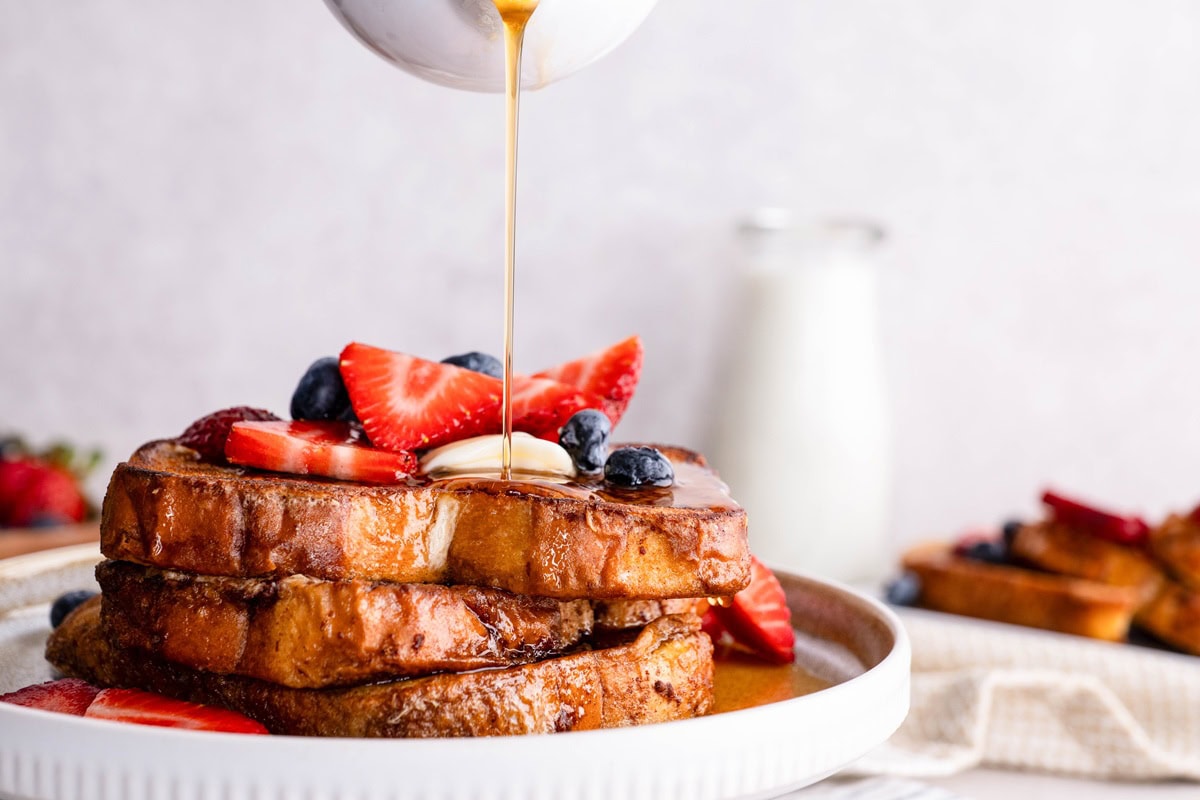
How you plate your French toast makes a big difference in the dining experience. Stack the slices neatly and dust them lightly with powdered sugar to create a simple yet elegant look. Adding fresh berries or sliced bananas on top introduces vibrant color and freshness.
Use small bowls for syrup or whipped cream on the side to keep the plate tidy and allow your guests to customize each bite. A sprig of mint or a light drizzle of honey can add an unexpected touch that impresses visually and enhances flavor. Would you try a rustic wood board or a classic white plate to serve your French toast?
Tips For Customizing Your French Toast
Experiment with different breads and spices to make your French toast unique and tasty. Toppings like fresh fruit, nuts, or syrup add extra flavor and texture. Explore simple changes for a delicious breakfast treat.
Customizing your French toast can turn a simple breakfast into an extraordinary culinary adventure. Whether you're catering to dietary needs, celebrating the flavors of the season, or just adding your twist, the possibilities are endless. Imagine the joy of creating a dish that not only satisfies your taste buds but also aligns with your lifestyle and personal preferences.
Dietary Variations
Adapting French toast to fit specific dietary requirements is easier than you might think. For those seeking a gluten-free option, consider using gluten-free bread. It offers the same delightful texture without compromising on taste. If you're looking to reduce sugar intake, try using natural sweeteners like honey or maple syrup instead of refined sugar. They're not only healthier but also add a unique flavor. Vegan friends, you can swap regular milk with almond or soy milk and use flaxseed meal mixed with water as an egg substitute. This keeps your French toast rich and creamy without any animal products.
Seasonal Ingredient Swaps
Seasonal ingredients can transform your French toast into a vibrant and fresh dish. In the spring, add a touch of fresh strawberries or blueberries for a burst of color and flavor. During the fall, try incorporating pumpkin puree and a dash of cinnamon for a warm, cozy twist that celebrates the season. Winter offers the perfect opportunity to experiment with spices like nutmeg and cloves, perhaps even adding a splash of orange zest for brightness. Each season brings its unique flavors, so why not let them shine on your breakfast table? How do you customize your French toast? It’s all about experimenting and discovering your favorite combinations. Get creative and let your breakfast tell a delicious story!

Credit: www.youtube.com
Frequently Asked Questions
What Ingredients Make A Bountiful Kitchen French Toast Special?
A Bountiful Kitchen French Toast uses fresh eggs, rich cream, cinnamon, and vanilla. It also includes hearty bread for a perfect texture. These ingredients create a flavorful, fluffy toast with a balanced sweetness and spice.
How Do I Make French Toast Crispy And Soft?
Use slightly stale bread for crispiness and soak it well in the egg mixture. Cook on medium heat to get a golden crust while keeping the inside soft and tender.
Can I Prepare A Bountiful Kitchen French Toast Ahead?
Yes, you can prepare the egg mixture and soak the bread in advance. Store soaked bread in the fridge up to 2 hours before cooking for best results.
What Toppings Complement A Bountiful Kitchen French Toast?
Fresh berries, maple syrup, powdered sugar, and whipped cream are perfect toppings. You can also add nuts or honey to enhance flavors and add texture.
Conclusion
A Bountiful Kitchen French Toast brings joy to every breakfast table. Its simple steps create a warm, tasty treat. You can add fruits or syrup for extra flavor. This recipe suits all skill levels in the kitchen. Try it on weekends or special mornings.
Enjoy the rich taste and cozy feeling. Breakfast becomes a moment to share and smile. Give this French toast a chance to brighten your day.