
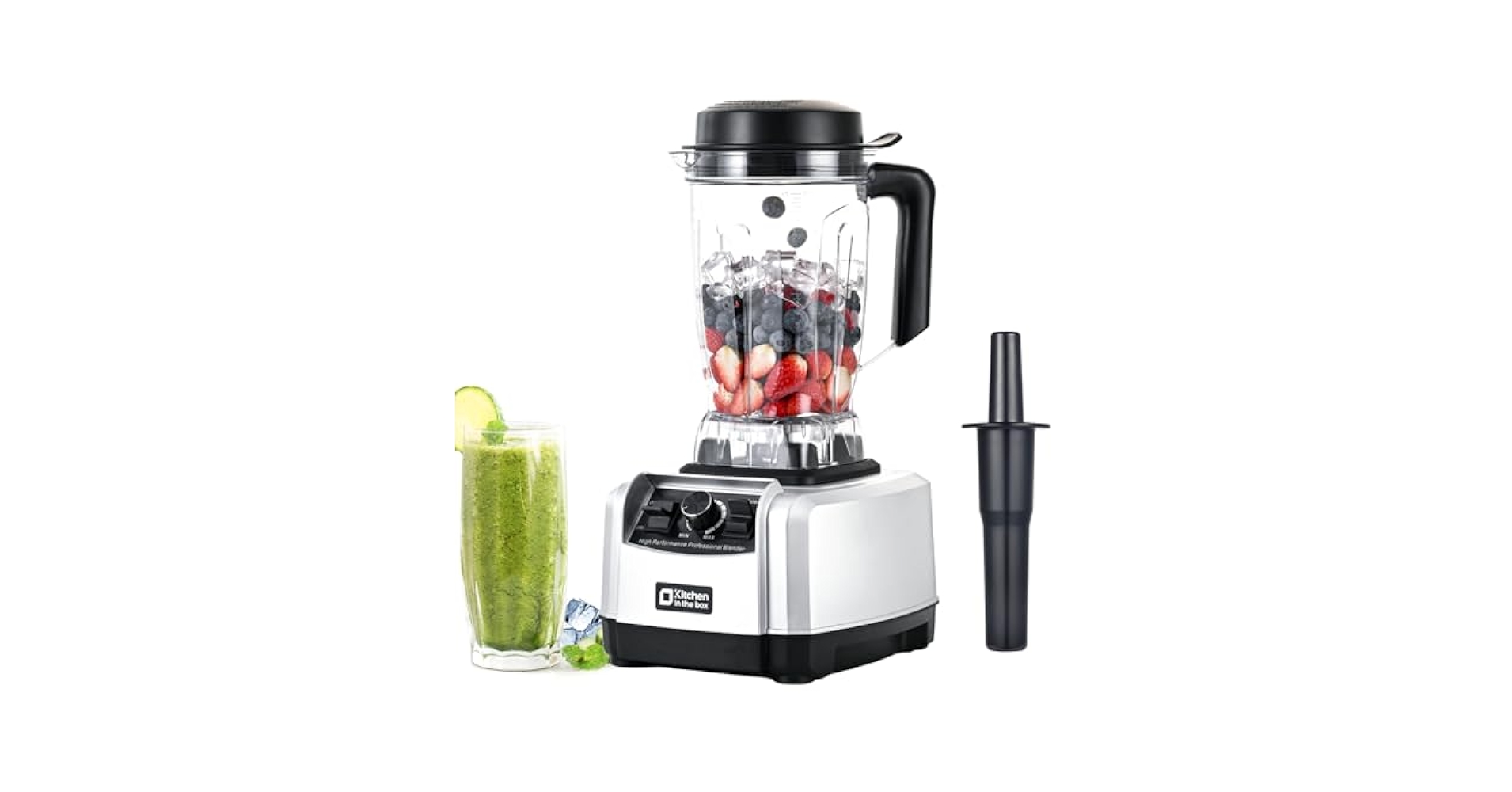
Imagine having a tool in your kitchen that can save you time, make your meals tastier, and even help you stay healthy. That’s exactly what a kitchen blender can do for you.
Whether you want to whip up smoothies, soups, or sauces, a blender is your go-to gadget. But with so many options out there, how do you find the perfect one for your needs? Keep reading, and you’ll discover everything you need to know to make the best choice and get the most out of your kitchen blender.
Choosing The Right Blender
Choosing the right blender is key to making food prep easy and fast. A good blender fits your needs and kitchen space. Knowing different types and features helps pick the best one. Focus on power, speed, and blade quality for smooth results.
Types Of Blenders
- Countertop Blenders:Large and powerful. Great for smoothies, soups, and crushing ice.
- Immersion Blenders:Handheld and compact. Perfect for small jobs and blending in pots.
- Personal Blenders:Small and portable. Ideal for single servings and quick shakes.
- High-Performance Blenders:Strong motors and durable parts. Work well with tough ingredients.
Key Features To Consider
- Capacity size to match your cooking needs.
- Easy-to-clean parts save time.
- Noise levels for a quieter kitchen.
- Safety features to prevent accidents.
- Design that fits your kitchen space.
Power And Speed Settings
Power is measured in watts. Higher watts mean stronger blending. Choose at least 500 watts for most tasks.
Multiple speed settings allow control over texture. Use low speed for soft foods and high speed for hard ingredients. Pulse function helps with chunky blends.
Blade Design And Materials
Blades must be sharp and durable. Stainless steel blades resist rust and stay sharp longer.
Look for multi-angle blades. They blend ingredients evenly without leaving chunks.
Removable blades make cleaning easier and safer.
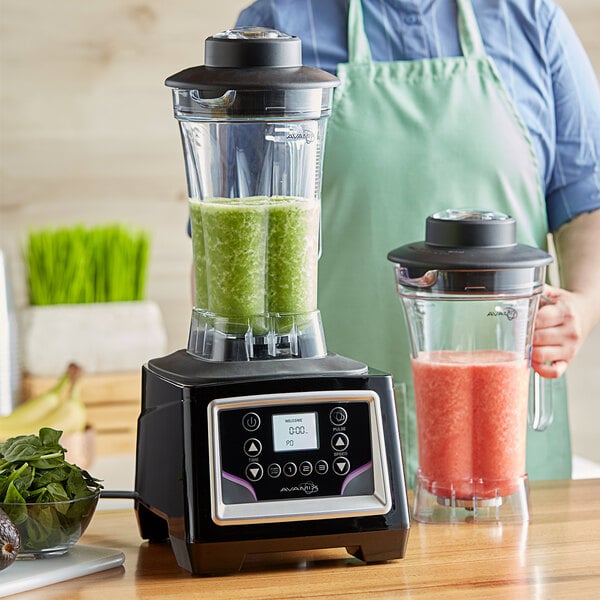
Credit: www.webstaurantstore.com
Setting Up Your Blender
Setting up your kitchen blender correctly ensures smooth operation and long life. A proper setup helps avoid damage and keeps you safe. Follow clear steps to assemble and prepare your blender for use.
Assembling The Parts
Start by placing the blender base on a flat surface. Attach the jar firmly to the base. Ensure the blade assembly is securely fixed under the jar. Place the lid tightly on top to prevent spills.
Safety Checks
Check that all parts fit well without gaps or looseness. Confirm the power cord is free from damage. Keep the blender away from water sources to avoid electric shock. Do not operate the blender if parts are cracked or broken.
Cleaning Before First Use
Wash the jar, lid, and blade assembly with warm, soapy water. Rinse all parts thoroughly to remove soap residue. Dry each part with a clean towel before assembling. This step removes dust and factory residues for safe blending.
Blending Techniques For Best Results
Achieving the perfect blend requires more than just pressing a button. Understanding different techniques can elevate your culinary creations. From smoothies to soups, using the right method matters. Explore these blending techniques for the best results.
Layering Ingredients Properly
Layering ingredients affects blending efficiency. Start with liquids at the bottom. This helps the blades work smoothly. Add softer items next, like leafy greens or herbs. Place harder ingredients like frozen fruits or nuts on top. This order prevents jamming and ensures a smooth mix.
Using Pulse And Variable Speeds
The pulse function offers precision. It allows bursts of power without over-blending. Use it for chunky salsas or coarsely chopped nuts. Variable speeds give control over texture. Start slow for thicker items. Gradually increase for a finer consistency.
Avoiding Overheating
Blenders can overheat with prolonged use. This affects motor longevity. Blend in short bursts to avoid overheating. Allow the motor to rest between blends. This practice preserves the appliance and enhances performance.
Blending Thick Vs. Thin Mixtures
Thick mixtures need more power. Use higher speeds for creamy smoothies or nut butters. Thin mixtures require less intensity. Soups or juices blend well at lower speeds. Adjust speed based on the mixture's thickness for optimal results.
Recipes For Perfect Blends
Recipes for perfect blends bring out the full potential of a kitchen blender. This tool does more than just mix. It creates smooth, creamy textures for many dishes. The right recipes help you enjoy fresh and tasty results every time.
Smoothies And Shakes
Blenders excel at making smoothies and shakes. Combine fruits, yogurt, and ice for a refreshing drink. Try adding spinach or kale for a green boost. Use protein powder or nut butter for energy. Blend until smooth for a creamy finish. Enjoy a healthy treat anytime.
Soups And Sauces
Warm or cold soups blend perfectly in a kitchen blender. Cook vegetables, then blend for a silky texture. Add herbs and spices to enhance flavor. Sauces like tomato or pesto become smooth and rich. Control thickness by adding water or broth. Blend well to mix all ingredients evenly.
Nut Butters And Dips
Create homemade nut butters by blending roasted nuts. Keep blending until smooth and creamy. Add salt or honey for taste. Dips like hummus or guacamole get great texture in a blender. Mix beans, avocado, or yogurt with seasonings. Serve fresh for a tasty snack or appetizer.
Frozen Drinks And Desserts
Crush ice and blend fruits for frozen drinks. Make slushies or margaritas with your favorite flavors. Desserts like frozen yogurt or sorbet are easy to prepare. Blend frozen fruits with a bit of juice or milk. Enjoy cold treats that are simple and delicious.
Maintaining Your Blender
Maintaining your kitchen blender keeps it working smoothly and extends its life. Regular care prevents buildup and mechanical issues. Proper cleaning and timely blade care ensure better performance and safety. Follow simple steps to keep your blender in top shape.
Daily Cleaning Tips
After each use, rinse the blender jar immediately. This stops food from drying on the sides. Use warm water and a drop of dish soap. Blend the soapy water for 30 seconds, then rinse well. Wipe the base with a damp cloth. Avoid submerging the motor base in water.
Deep Cleaning Methods
Deep clean your blender once a week or after tough blends. Disassemble all removable parts. Soak the jar, lid, and blades in warm, soapy water. Use a soft brush to remove stuck particles. Rinse thoroughly and dry before reassembling. Clean the base with a soft cloth and mild cleaner.
Blade Sharpening And Replacement
Dull blades reduce blending efficiency and can strain the motor. Check blades regularly for dullness or damage. Sharpen blades carefully using a sharpening stone or send them to a professional. Replace blades if they are bent, cracked, or too worn. Use parts recommended by the blender’s manufacturer.
Troubleshooting Common Issues
- Blender not turning on: Check power connection and outlet.
- Unusual noises: Ensure blades are not jammed or loose.
- Leaks: Tighten jar base or replace worn seals.
- Overheating: Allow the motor to cool down between uses.
- Poor blending: Avoid overloading the jar or using frozen ingredients without liquid.
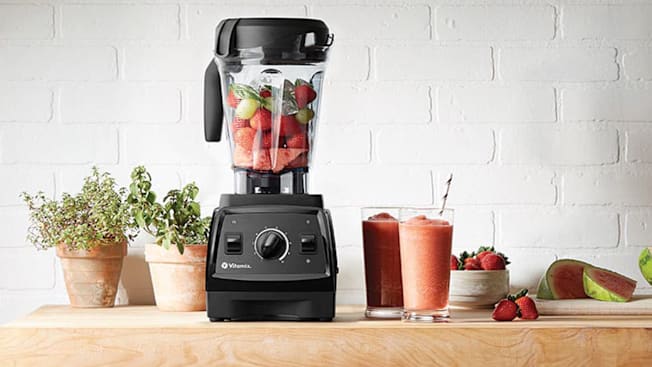
Credit: www.consumerreports.org
Upgrading And Accessorizing
Upgrading and accessorizing your kitchen blender can improve its performance and versatility. Small changes bring big benefits in your daily cooking tasks. Accessories expand what your blender can do, making it more useful. Upgrading ensures your blender meets your current needs and lasts longer.
Popular Blender Accessories
- Additional jars for smoothies and soups
- Different blade types for chopping and grinding
- Personal-sized cups for on-the-go drinks
- Food processor attachments for slicing and shredding
- Spatulas designed to fit blender jars
- Travel lids that prevent spills
These accessories make your blender more flexible and easier to use. They help prepare a wider range of recipes without extra appliances.
When To Upgrade Your Blender
Notice slower blending or uneven textures? It may be time to upgrade. If the motor struggles with tough ingredients, a new model helps. Upgrading also makes sense when safety features are outdated. Modern blenders offer better noise control and easier cleaning. Consider your cooking habits and how often you use the blender. Frequent users benefit most from newer, more powerful models.
Energy Efficiency And Eco-friendly Options
Energy-saving blenders reduce electricity use without losing power. Choose models with energy-efficient motors to cut costs. Some blenders use recyclable materials and less plastic. These options help reduce environmental impact. Look for certifications like ENERGY STAR to ensure efficiency. Small choices in blender selection can support a greener kitchen.

Credit: www.amazon.com
Frequently Asked Questions
What Are The Main Uses Of A Kitchen Blender?
A kitchen blender is ideal for making smoothies, soups, sauces, and purees. It quickly blends fruits and vegetables. It also crushes ice and mixes ingredients evenly, saving time and effort in food preparation.
How To Choose The Best Kitchen Blender?
Choose a blender with a powerful motor, durable blades, and multiple speed settings. Consider capacity and ease of cleaning. Look for safety features and warranty. Reviews and brand reputation also help in selecting the best blender.
Can A Kitchen Blender Crush Ice Effectively?
Yes, many kitchen blenders have strong motors and sharp blades designed to crush ice. High-powered blenders handle ice crushing smoothly without damaging the appliance or leaving large chunks behind.
Is A Kitchen Blender Easy To Clean?
Most kitchen blenders have detachable parts that are dishwasher safe. Cleaning is simple by rinsing blades and jar immediately after use. Regular cleaning prevents odor and buildup, ensuring hygienic and efficient operation.
Conclusion
A kitchen blender makes cooking easier and faster. It helps you create smoothies, soups, and sauces with ease. Small or big, blenders fit any kitchen space. Choose one that suits your needs and budget. Cleaning is simple, saving you time every day.
This tool adds convenience to your cooking routine. A good blender is a smart kitchen helper. Try one to enjoy quick and tasty meals.