
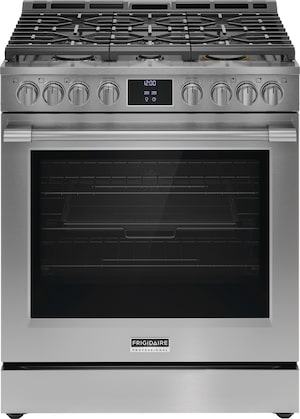
Have you ever wondered why your kitchen oven has a maximum operating temperature of 280°C? Knowing this simple fact can change the way you cook and help you get the best results every time.
Whether you're baking, roasting, or broiling, understanding your oven’s limits ensures your food cooks perfectly without any risk. You’ll discover why that temperature matters, how it affects your dishes, and tips to make the most out of your oven. Keep reading to unlock the secrets behind your oven’s power and improve your cooking skills today!
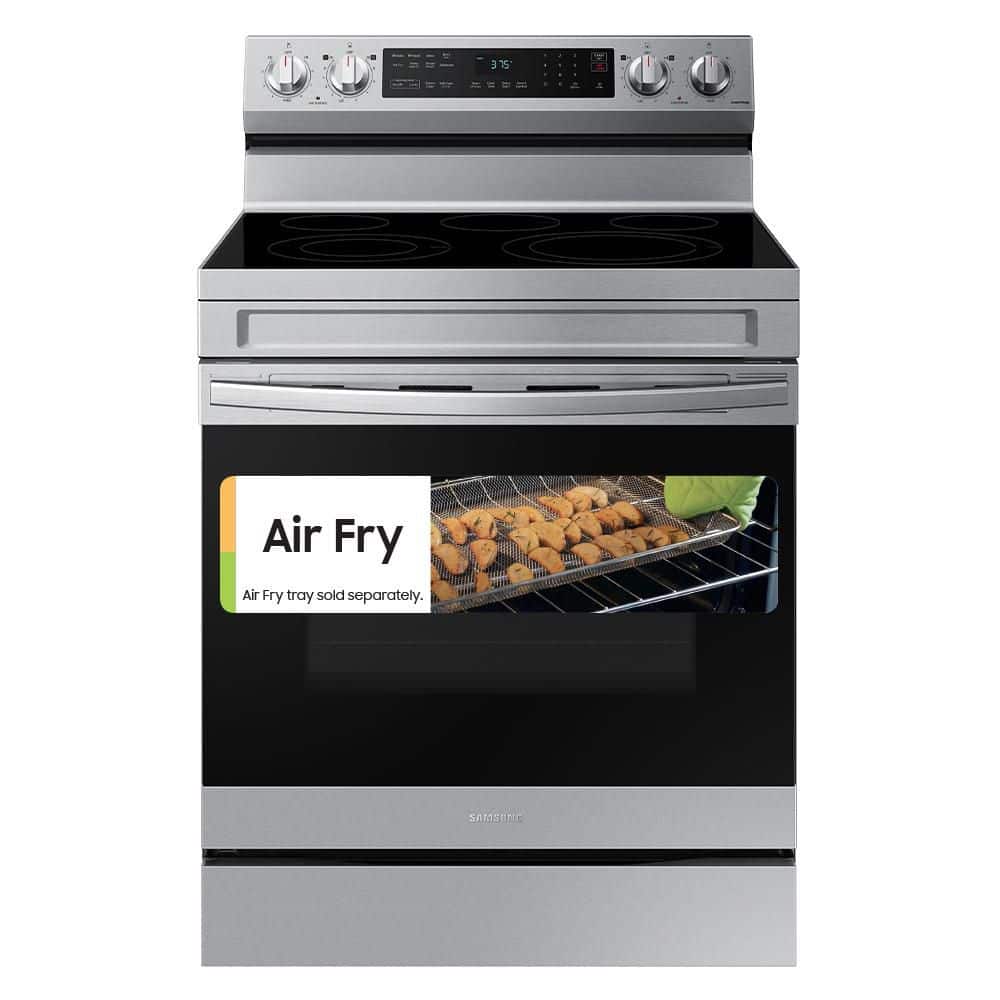
Credit: www.homedepot.com
Max Temperature Limits
Understanding the maximum temperature limits of your kitchen oven is crucial for safe and effective cooking. Most kitchen ovens have a maximum operating temperature of around 280°C. This limit is not arbitrary; it reflects the balance between performance and safety that manufacturers aim for.
Why 280°c Is Common
The 280°C limit is common because it suits a wide range of cooking needs without risking damage to the oven. At this temperature, you can bake, roast, and broil most dishes efficiently. It also ensures the heating elements and internal components last longer, reducing repair costs.
Many ovens use materials that can withstand high heat but start to degrade quickly above 280°C. Manufacturers test ovens extensively to find a temperature ceiling that maximizes durability and user safety. Have you ever wondered why some recipes call for temperatures just below this limit? It’s because pushing beyond this point often doesn’t improve cooking results significantly.
Risks Of Exceeding Limits
Exceeding the maximum temperature can cause serious problems. Overheating may damage the heating elements, leading to costly repairs or a complete oven replacement. It can also warp oven racks and damage the insulation inside the oven.
There’s also a fire hazard when temperatures go beyond the oven's design. Overheated ovens can ignite food or grease faster, posing a danger to your kitchen and home. Have you ever noticed smoke or strange smells when cooking at high heat? That’s a warning sign your oven is struggling.
Sticking to the 280°C limit helps you avoid these issues and keeps your oven working well for years. It’s a smart practice to check your oven’s manual and use an oven thermometer to monitor actual temperatures. Your oven’s lifespan and your safety depend on respecting these limits.
Cooking Techniques At 280°c
Cooking at 280°C uses the oven's maximum heat to create crispy, well-cooked dishes quickly. This temperature suits recipes needing fast browning and caramelization. It helps seal in juices, giving food a rich flavor and appealing texture.
Not all foods handle such high heat well. Some dishes benefit from this temperature, while others need adjustment. Understanding which foods to cook and how to change recipes ensures the best results.
Best Foods To Cook
- Roasted vegetables like potatoes, carrots, and bell peppers
- Thin cuts of meat such as steaks and chicken breasts
- Pizza and flatbreads for a crispy crust
- Frozen foods that require quick reheating
- Baked goods needing a crunchy top, like gratins
Adjusting Recipes For Max Heat
Reduce cooking time to prevent burning at 280°C. Check food frequently to avoid overcooking. Use oils with high smoke points for roasting and baking. Cut food into smaller pieces for even cooking. Add moisture or cover dishes to stop drying out.
Oven Safety Tips
Oven safety is essential, especially when your kitchen oven can reach a maximum operating temperature of 280°C. Knowing how to handle this heat effectively helps prevent accidents and prolongs your oven's life. Let’s dive into some practical tips that can keep your kitchen safe and your cooking on point.
Preventing Overheating
Overheating can damage your oven and create fire hazards. Always set the temperature dial carefully and never exceed the maximum limit of 280°C. If you notice your oven is getting hotter than usual or the heating element glows red for too long, turn it off immediately and let it cool down.
Keep an eye on your cooking times. Leaving food in too long at high temperatures can cause smoke or even flames. If you often cook recipes that require high heat, consider using an oven thermometer to double-check the temperature.
Proper Ventilation
Good ventilation prevents heat buildup and reduces the risk of smoke or odors lingering in your kitchen. Make sure your oven’s vents are not blocked by pots, pans, or kitchen towels. This keeps hot air flowing freely and your oven running efficiently.
Do you have a range hood or exhaust fan? Turn it on every time you use the oven. It helps remove excess heat and steam, creating a safer and more comfortable cooking environment.
- Check that your kitchen has enough airflow.
- Open windows if necessary to disperse heat.
- Clean your oven vents regularly to avoid clogs.
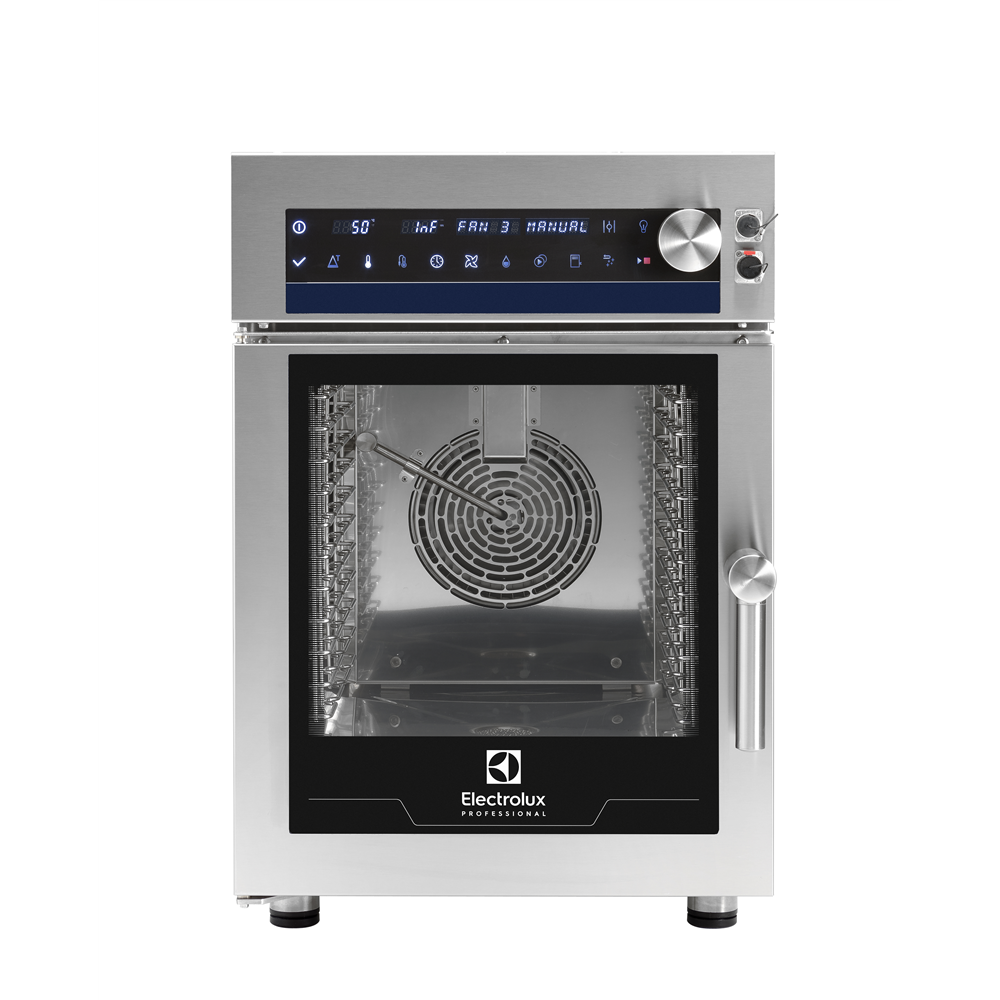
Credit: www.electroluxprofessional.com
Maintenance For High Heat
Maintaining a kitchen oven operating at high temperatures requires attention. Regular maintenance ensures safety and efficiency. A well-maintained oven can handle up to 280 degrees with ease.
Cleaning After Use
Clean the oven after each use to prevent buildup. Allow the oven to cool before cleaning. Use a damp cloth to wipe surfaces gently. Avoid harsh chemicals to protect the oven's interior. For stubborn stains, use a mixture of baking soda and water. Apply, let it sit, then wipe clean. This method is gentle and effective.
Checking Oven Components
Regularly check the oven's components for wear. Inspect the door seal for any gaps or tears. A tight seal ensures proper heat retention. Examine the heating elements for signs of damage. Replace any faulty parts immediately to maintain efficiency. Ensure the temperature gauge is accurate by using an oven thermometer. Adjust if needed to guarantee precise cooking temperatures.
Energy Efficiency
Energy efficiency matters a lot when using a kitchen oven, especially one with a maximum operating temperature of 280°C. Efficient use of energy not only lowers your electricity bill but also reduces wear on your oven. It’s about getting the most heat for the least energy, so your cooking is both effective and economical.
Using Heat Wisely
Heat doesn’t have to be wasted. When your oven reaches 280°C, it holds a lot of heat energy that can keep cooking even if you turn it off early. Try turning off the oven a few minutes before the cooking time ends and let the residual heat finish the job.
Also, avoid opening the oven door frequently. Each time you open it, heat escapes and the oven works harder to reach the set temperature again. Instead, use the oven light to check your food, saving energy and keeping the temperature steady.
Saving Electricity
Electricity costs can add up quickly if your oven runs inefficiently. One easy tip is to cook multiple dishes at once. Your oven is already hot, so why not make the most of it?
Another way to save electricity is by choosing recipes that fit well with your oven’s temperature limits. Cooking at 280°C is perfect for roasting and baking many foods without needing extra energy to boost the heat higher. Do you plan your meals to match your oven’s strengths?
Credit: www.homedepot.com
Frequently Asked Questions
What Is The Maximum Temperature Of A Kitchen Oven?
A kitchen oven typically has a maximum operating temperature of 280°C (536°F). This limit ensures safe cooking and prevents damage to oven components.
Why Does A Kitchen Oven Have A 280°c Limit?
The 280°C limit prevents overheating and maintains oven safety. It also protects internal parts from wear and ensures even cooking.
Can I Cook Food Above 280°c In My Oven?
No, cooking above 280°C is not recommended. Exceeding this temperature can damage the oven and may cause uneven cooking or fire hazards.
How Does The 280°c Temperature Affect Baking Results?
The 280°C max temperature suits most baking needs. It allows proper browning, caramelization, and thorough cooking without burning food.
Conclusion
Knowing your oven’s maximum temperature helps you cook safely and well. Most ovens reach up to 280°C, which suits many recipes. Avoid setting heat above this limit to protect your oven and food. Simple tips keep your cooking effective and your oven lasting longer.
Always check your oven’s manual for specific details. Cooking with the right temperature makes meals taste better and saves energy. Understanding these basics helps you enjoy cooking every time.