
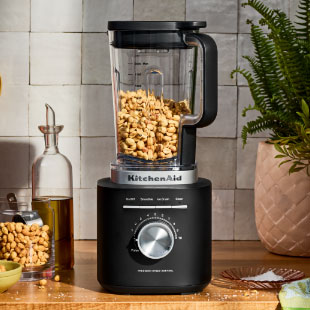
Have you ever wondered if you can pour hot liquid straight into your KitchenAid blender? Maybe you’re craving a smooth soup or a warm sauce and want to skip the extra step of cooling it down.
But is it safe? Could it damage your blender or create a dangerous mess? If these questions are running through your mind, you’re not alone. Keep reading to find out exactly what you need to know before blending hot liquids in your KitchenAid blender—so you can blend safely and confidently every time.
Kitchen Aid Blender Basics
The Kitchen Aid blender is a staple in many kitchens, known for its reliability and versatility. Understanding its basics can help you use it safely and effectively, especially when dealing with hot liquids. Before you pour that steaming soup or hot sauce, knowing what your blender can handle is key.
Key Features
- Durable Motor:The Kitchen Aid blender comes with a powerful motor designed to blend a variety of ingredients smoothly.
- Sturdy Jar:Most models feature a BPA-free, impact-resistant jar that can handle cold and room temperature items well.
- Multiple Speed Settings:These allow you to control the blending process, from gentle stirring to high-speed pureeing.
- Secure Lid:The lid fits tightly to prevent spills during blending, but it’s important to note how it handles steam pressure.
Common Uses
Kitchen Aid blenders are great for making smoothies, sauces, and purees. Many people also use them to crush ice or blend frozen fruits for desserts.
But have you ever wondered if you can blend hot liquids directly? Some users experiment by blending warm soups or hot coffee. It's crucial to consider whether the blender jar and lid can safely manage the heat and steam without causing accidents.
Knowing these basics helps you avoid dangerous situations, like sudden hot liquid eruptions. Have you tested how your blender handles heat yet? It might be time to find out safely.
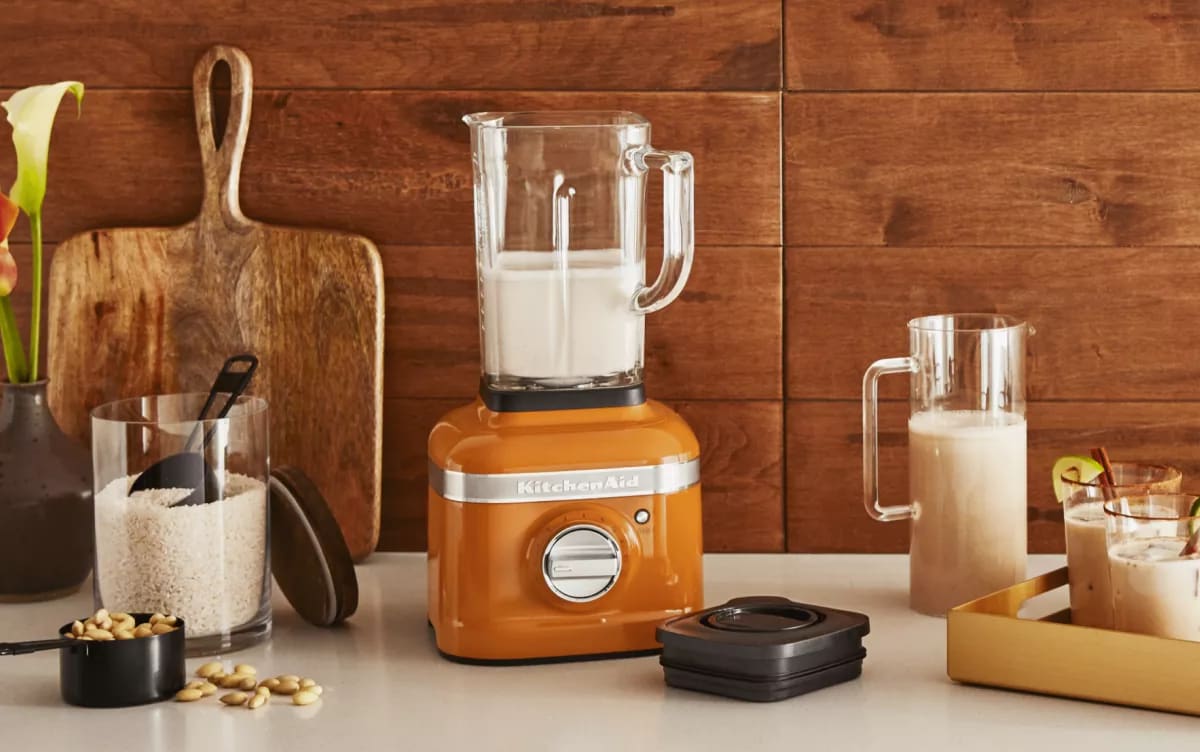
Credit: www.kitchenaid.ca
Handling Hot Liquids
Handling hot liquids in a KitchenAid blender requires caution and attention. Your blender’s performance and safety depend on how you manage temperature and pressure. Understanding the right steps can prevent accidents and extend your blender’s lifespan.
Manufacturer's Guidelines
KitchenAid advises against blending boiling liquids directly. Their manuals usually recommend letting hot liquids cool slightly before pouring them in. This helps avoid sudden pressure build-up that can cause the lid to pop off unexpectedly.
Some KitchenAid models have a vented lid or a removable center cap to release steam safely. Check your specific blender’s instructions to see if these features apply. Following these guidelines keeps both you and your appliance safe.
Potential Risks
Pouring hot liquid straight into the blender can create steam pressure that pushes the lid open. This can lead to hot liquid splashing, which might cause burns. Have you ever experienced a lid flying off? It’s more common than you think and usually due to ignoring temperature warnings.
Another risk is damaging the blender jar or seals. Sudden temperature changes can crack plastic or weaken seals, leading to leaks. To protect your blender, avoid filling it to the top with hot liquid and blend in small batches.
Safe Techniques For Blending Hot Liquids
Pour hot liquids slowly into a Kitchen Aid blender to avoid pressure build-up. Keep the lid slightly open or use a towel to cover it safely. Blending in small batches helps prevent spills and accidents.
Blending hot liquids in a KitchenAid blender can be a bit tricky, but with the right techniques, you can ensure a safe and mess-free experience. Ever had a hot soup explode out of the blender? Not fun. It's crucial to handle hot liquids with care to prevent burns and spills. So, how can you safely blend your favorite hot soup or sauce? Let's explore some effective methods.
Allowing Liquids To Cool
Before blending, it's a smart idea to let your hot liquids cool for a few minutes. This simple step can prevent the blender from overheating or creating too much steam. Imagine pouring a boiling soup straight from the stove into your blender—it's a recipe for a pressure build-up. By allowing the liquid to cool slightly, you reduce the risk of an explosion and ensure a smoother blending process.
Using Small Batches
Blending in small batches is another key technique. Filling your blender to the brim with hot liquid can lead to unwanted splashes. Instead, consider dividing your liquid into smaller portions. This not only minimizes risk but also gives you more control over the blending consistency. Remember, less is more when it comes to hot liquids in a blender.
Removing The Lid Plug
Have you ever noticed the small removable plug on your blender lid? Removing this plug while blending can be a game-changer. It allows steam to escape, preventing pressure build-up inside the blender. Just be cautious and cover the hole with a kitchen towel to avoid splatters. This simple adjustment can make a huge difference in safely blending hot liquids. Implementing these tips can help you handle hot liquids in your KitchenAid blender like a pro. Have you tried these techniques before, or do you have other strategies that work for you?
Alternatives To Blending Hot Liquids
Blending hot liquids directly in a KitchenAid blender can be risky. The heat creates pressure that may cause spills or damage. Choosing safe alternatives protects both you and your appliance. These methods help handle hot ingredients without stress.
Using An Immersion Blender
An immersion blender is a handy tool for hot liquids. It allows blending right in the pot or container. This avoids transferring hot liquids to a jar. The tool is easy to control and clean. It also reduces the chance of spills or burns.
Immersion blenders work well for soups, sauces, and hot drinks. They give smooth results without cooling the liquid first. This method saves time and effort in the kitchen.
Cooling Before Blending
Let hot liquids cool down before adding them to the blender. Cooling reduces pressure inside the blender jar. This step prevents accidents caused by steam or splashes.
Pour the hot liquid into a heat-safe container. Leave it to cool for 15-30 minutes, depending on the temperature. Stir occasionally to speed up cooling. Once cool, blend as usual in the KitchenAid blender.
This method keeps your blender safe and extends its life. It also ensures smoother, safer blending without mess.
Cleaning And Maintenance After Blending Hot Liquids
Cleaning and maintaining your Kitchen Aid blender after blending hot liquids is crucial for its longevity and performance. Hot liquids can leave residues that are tougher to remove and may affect the blender’s parts if not handled correctly. Knowing the right steps helps you keep your blender spotless and functioning well without damage.
Preventing Damage
Hot liquids can create pressure inside the blender, so always let steam escape before removing the lid. Avoid sudden temperature changes, such as rinsing a hot pitcher with cold water, which can crack the glass or warp plastic parts. If you notice any warping or unusual smells after blending hot liquids, stop using the blender to prevent further damage.
Have you ever had your blender jar crack after a careless rinse? I learned the hard way that gentle handling after blending hot soups saves you from replacing parts.
Proper Cleaning Tips
Start by rinsing the blender immediately after use to prevent food from drying and sticking. Use warm soapy water and a soft sponge to clean the pitcher and lid—avoid abrasive scrubbers that can scratch surfaces. For stubborn stains or odors, blend a mixture of water, dish soap, and a splash of vinegar, then rinse thoroughly.
Don’t forget to clean the base carefully—unplug it first and wipe with a damp cloth. Never submerge the motor base in water, as this can cause permanent damage. Regular maintenance like removing and cleaning the blade assembly ensures no residue builds up under the blades.
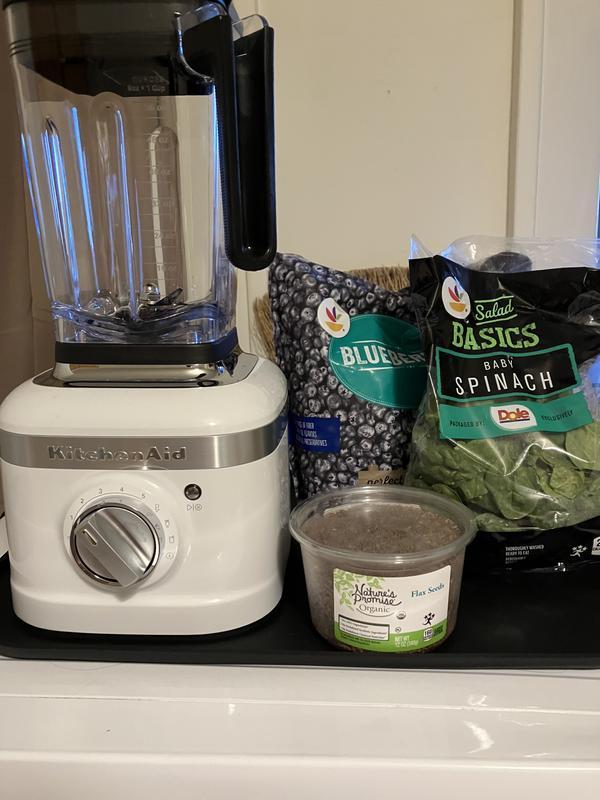
Credit: www.kitchenaid.com
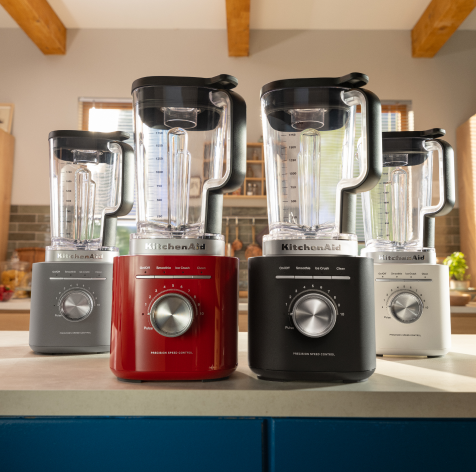
Credit: www.kitchenaid.com
Frequently Asked Questions
Can I Blend Hot Liquids In A Kitchenaid Blender?
No, KitchenAid blenders are not designed for hot liquids. Blending hot liquids may cause pressure build-up and spills. Always let liquids cool before blending to ensure safety and prevent damage to the blender.
What Happens If I Blend Hot Liquids In Kitchenaid?
Blending hot liquids can cause the lid to blow off due to steam pressure. This may lead to burns or kitchen mess. It can also damage the blender’s motor and seals, reducing its lifespan.
How To Safely Blend Hot Liquids With Kitchenaid?
To blend hot liquids safely, let them cool to warm or room temperature. Use small batches and start blending at low speed. Alternatively, transfer hot liquids to a heat-safe container after blending.
Are There Kitchenaid Models For Hot Liquids?
Some KitchenAid models have heat-resistant jars, but most standard blenders do not. Always check your model’s manual for heat tolerance. Use dedicated hot liquid blenders or immersion blenders for hot blending tasks.
Conclusion
You can blend hot liquids in a Kitchen Aid blender with care. Always allow steam to escape by removing the center cap. Avoid filling the jar too full to prevent spills. Use low speed first, then increase gradually for safety.
These steps help protect your blender and prevent accidents. Enjoy making soups, sauces, and smoothies with confidence. Blending hot liquids is possible, but safety matters most. Follow these tips every time you use your blender.