
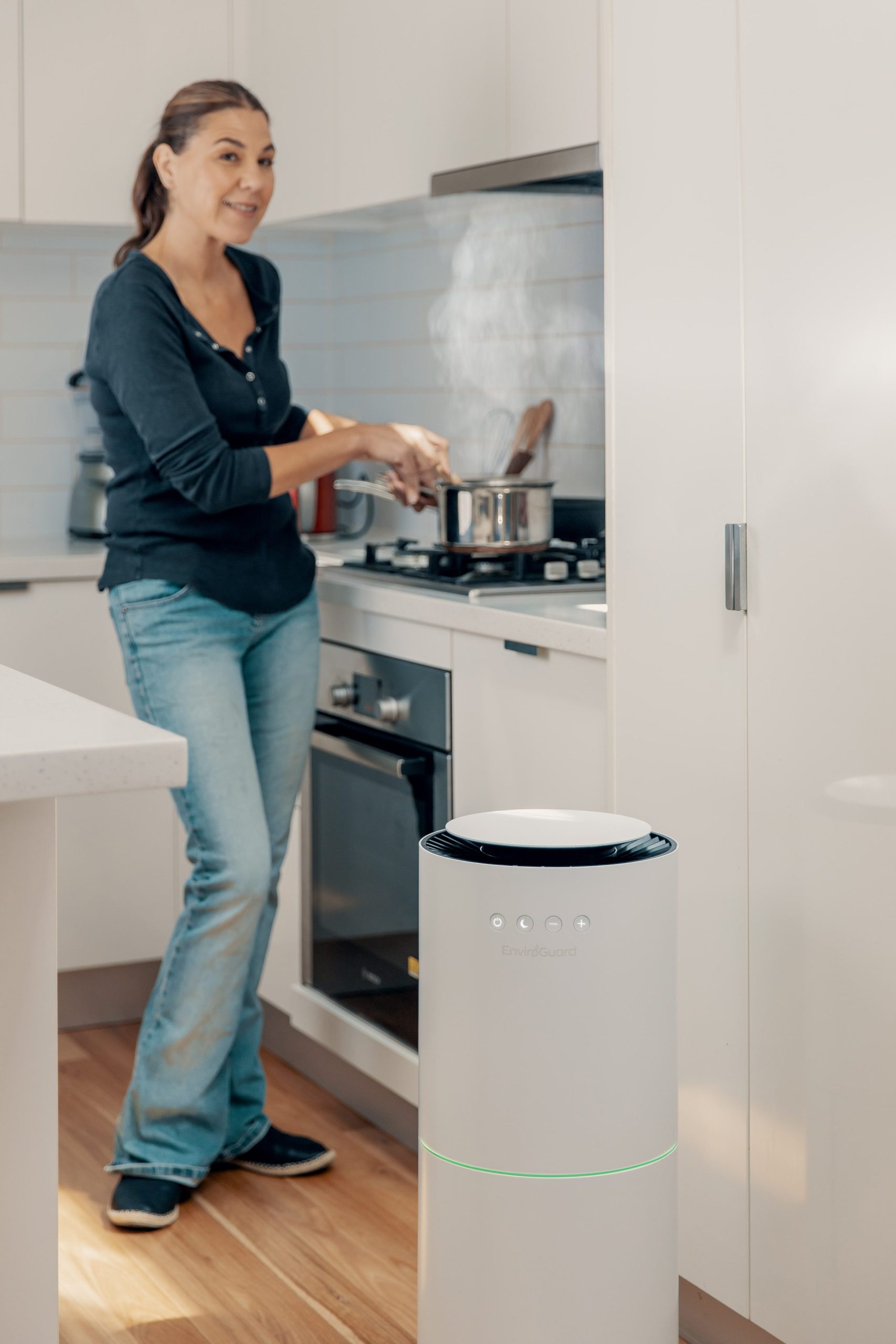
Are you worried about the lingering smells and smoke every time you cook? You might be wondering, “Can I use an air purifier in my kitchen?” The kitchen is where flavors come alive, but it can also be where unwanted odors and airborne particles settle.
Using an air purifier could be the secret to keeping your kitchen air fresh and clean. But is it really effective? And what should you know before bringing one into your cooking space? Keep reading to discover how an air purifier can change your kitchen experience for the better.

Credit: www.yahoo.com
Air Quality Challenges In Kitchens
Kitchens are often the heart of the home, bustling with activity and delicious smells. But they can also be hotspots for poor air quality. Understanding what challenges your kitchen air faces helps you decide if an air purifier is a smart addition.
Common Pollutants And Odors
Your kitchen air contains more than just tempting aromas. Cooking releases tiny particles and gases that can linger for hours.
- Smoke from frying or grilling creates fine particulate matter.
- Burning food can produce volatile organic compounds (VOCs), which affect air quality.
- Strong odors from spices, garlic, or fish may be pleasant to some but overpowering to others.
- Gas stoves emit nitrogen dioxide, a pollutant linked to respiratory problems.
Have you noticed how some smells just won’t go away? That’s often due to these stubborn pollutants.
Impact Of Cooking On Indoor Air
Cooking affects indoor air in ways you might not expect. Heat and steam carry particles and gases throughout your kitchen and nearby rooms.
Without proper ventilation, these contaminants build up quickly. Even if your kitchen looks clean, the invisible particles can still be present.
Consider the difference between boiling vegetables and frying bacon. The latter generates more smoke and grease particles, increasing air pollution indoors.
Health Risks From Kitchen Air
Breathing polluted kitchen air can lead to immediate discomfort like coughing, headaches, and irritated eyes. For some, it triggers asthma or allergies.
Long-term exposure to certain kitchen pollutants raises risks for chronic respiratory conditions.
Do you spend a lot of time cooking or eating near the kitchen? Your health depends on cleaner air in these spaces.
Role Of Air Purifiers In Kitchens
Air purifiers play an important role in maintaining a healthier kitchen environment. Cooking releases various pollutants like smoke, odors, and grease particles that can linger in the air and affect your indoor air quality. Using an air purifier in your kitchen can help reduce these contaminants, making the space more comfortable and safer for you and your family.
How Air Purifiers Work
Air purifiers pull air from the room through a series of filters. These filters trap particles such as dust, smoke, and allergens. Some models also use activated carbon to absorb odors and harmful gases.
The clean air is then pushed back into the room. This continuous cycle helps reduce airborne pollutants effectively. You might notice fresher air shortly after turning one on.
Types Suitable For Kitchen Use
- HEPA Filters:Excellent at capturing fine particles like smoke and grease.
- Activated Carbon Filters:Ideal for removing strong cooking odors and volatile organic compounds (VOCs).
- Combination Units:Devices that combine HEPA and carbon filters provide broader protection.
- UV Light Purifiers:Some models add UV light to kill bacteria and viruses, which can be helpful in kitchens.
Choosing the right type depends on what bothers you most—smoke, smells, or germs. Would you prefer a system that targets all three?
Effectiveness Against Kitchen Pollutants
Air purifiers can significantly reduce airborne grease, smoke, and odors from frying or grilling. However, they don’t replace proper ventilation like exhaust fans or range hoods. Instead, they act as a helpful second line of defense.
Keep in mind that heavy smoke might overwhelm smaller purifiers, so size and capacity matter. To get the best results, position your purifier near the cooking area and run it during and after cooking.
Have you noticed lingering smells or irritation after cooking? An air purifier might be the simple upgrade your kitchen needs.
Benefits Of Using Air Purifiers In Kitchens
Using air purifiers in kitchens can greatly improve indoor air quality. They help remove unwanted particles and odors. This makes cooking and dining more pleasant. Let's explore some key benefits.
Reducing Smoke And Grease Particles
Cooking often releases smoke and grease into the air. These particles can settle on surfaces and create grime. Air purifiers trap smoke and grease, keeping your kitchen cleaner.
Eliminating Cooking Odors
Strong cooking odors can linger long after meals. Air purifiers help remove these smells quickly. This means a fresher kitchen environment for everyone.
Improving Overall Indoor Air Quality
Good air quality is important for health. Air purifiers reduce dust, pollen, and other pollutants. This creates a healthier space for cooking and eating.
Supporting Allergy And Asthma Management
Allergens in the air can trigger asthma and allergies. Air purifiers help filter these allergens out. This provides relief for people with respiratory issues.

Credit: www.vbreathe.com
Choosing The Right Air Purifier For Your Kitchen
Choosing the right air purifier for your kitchen is essential for cleaner air and better health. Kitchens often have smoke, odors, and grease particles. These can harm air quality and cause discomfort. Selecting an air purifier designed to handle these issues helps keep your kitchen fresh and safe.
Key Features To Look For
- True HEPA filter to capture tiny particles and allergens
- Activated carbon filter to remove cooking odors and smoke
- High Clean Air Delivery Rate (CADR) for fast purification
- Quiet operation to avoid noise while cooking or dining
- Easy-to-use controls and multiple fan speeds
Size And Capacity Considerations
Measure your kitchen size before buying an air purifier. Choose a model that fits your room’s square footage. A small purifier may not clean large kitchens well. Larger units often provide better airflow and coverage. Check the manufacturer’s recommended room size to match your kitchen.
Maintenance And Filter Replacement
Regular maintenance keeps your air purifier working effectively. Filters need changing based on use and type. HEPA filters usually last 6 to 12 months. Carbon filters may require more frequent replacement in smoky kitchens. Choose a purifier with easy filter access. Check filter costs before buying to avoid surprises.
Placement And Usage Tips
Knowing where and how to place your air purifier in the kitchen can make a big difference in its effectiveness. The kitchen is a busy space with lots of smoke, odors, and grease particles in the air. Careful placement and smart usage ensure your purifier captures these pollutants before they spread throughout your home.
Optimal Locations In The Kitchen
Place the air purifier near the main cooking area, but not too close to avoid damage from heat or steam. Corners or spots where air tends to stagnate are good choices because they help pull in more airborne particles. Avoid putting it directly on the floor; elevating it on a counter or sturdy shelf improves airflow and efficiency.
Think about where smoke and odors gather the most. Near the stove or above the countertop by the cooking zone often works well. But keep it away from vents or open windows that might blow fresh air directly onto the purifier, reducing its ability to clean effectively.
Operating Settings For Best Results
Run the purifier at higher settings while cooking to tackle the surge of pollutants. Lower the speed once cooking ends to maintain clean air without excessive noise or power use. Many models offer a “turbo” or “boost” mode—using this right after cooking can clear lingering smells fast.
Keep the filters clean and replace them as recommended to maintain peak performance. A dirty filter not only reduces air quality but can strain your device. Have you checked your purifier’s filter lately?
Combining With Ventilation Systems
Using your air purifier alongside your kitchen’s ventilation system creates a powerful defense against airborne particles. Vent hoods or exhaust fans remove heavy smoke and heat, while the purifier traps smaller particles and odors that escape. This combination keeps your kitchen air fresher and healthier.
Try running both simultaneously during cooking for maximum effect. If your ventilation system is weak or outdated, a good air purifier can fill the gap. How well does your current kitchen ventilation handle smoke and smells?
Potential Limitations And Precautions
Using an air purifier in your kitchen can improve air quality, but there are important limitations and precautions to keep in mind. Kitchens often have unique challenges like heat, moisture, and the risk of cross-contamination. Understanding these factors helps you decide how to use an air purifier effectively without expecting it to solve every issue.
Handling High Heat And Moisture
Kitchens generate a lot of heat and steam, especially when cooking or boiling water. Most air purifiers are designed for standard indoor environments and may struggle with the increased humidity and temperature.
Excess moisture can damage the air purifier’s filters or reduce their efficiency. If you place the device too close to the stove or dishwasher, the heat might cause it to malfunction or wear out faster.
Consider positioning your air purifier away from direct heat sources and using a model with a filter designed to handle moisture. Have you checked your purifier’s specs to ensure it can cope with your kitchen’s environment?
Avoiding Cross-contamination
Kitchens are full of airborne particles like grease, food crumbs, and bacteria. While an air purifier can help reduce some airborne contaminants, it won’t eliminate the risk of cross-contamination completely.
Filters may capture some particles but can become a breeding ground for bacteria if not cleaned regularly. It’s critical to maintain your purifier properly—replace filters on time and clean the unit to avoid spreading germs.
Also, remember that an air purifier doesn’t replace regular kitchen cleaning. You still need to wipe down surfaces and handle food safely to keep your kitchen hygienic.
When An Air Purifier Might Not Be Enough
Some kitchen odors and fumes, like smoke or strong chemical smells, can overwhelm standard air purifiers. If you often fry foods or use harsh cleaning agents, your purifier might struggle to keep the air fresh.
In these cases, additional ventilation like exhaust fans or open windows is essential. Air purifiers work best as part of a broader kitchen ventilation strategy rather than a standalone solution.
Ask yourself: are you relying solely on the purifier for air quality? If yes, it might be time to rethink your setup to include better airflow and regular cleaning habits.

Credit: getcanopy.co
Frequently Asked Questions
Can I Use An Air Purifier In The Kitchen Safely?
Yes, you can safely use an air purifier in the kitchen. It helps reduce odors, smoke, and airborne particles. Choose a purifier with a HEPA filter for best results. Avoid placing it near cooking steam to prevent damage.
Does An Air Purifier Remove Cooking Smells Effectively?
An air purifier can reduce cooking smells but may not eliminate strong odors completely. Activated carbon filters are best for odor control. Regularly clean or replace filters for optimal performance.
Will An Air Purifier Reduce Kitchen Smoke And Grease?
Yes, an air purifier with a HEPA and activated carbon filter can reduce smoke and airborne grease particles. It improves air quality but does not replace proper ventilation or exhaust fans.
How Often Should I Maintain An Air Purifier In The Kitchen?
Maintain your kitchen air purifier by cleaning or replacing filters every 3 to 6 months. Frequent cooking may require more regular maintenance. This ensures efficient removal of pollutants and odors.
Conclusion
Using an air purifier in the kitchen can help reduce smells and smoke. It cleans the air from small dust and particles. Keep the purifier away from water and heat sources. Choose a model that handles kitchen smoke well. Clean the filters often for best results.
This simple step makes cooking more pleasant and healthier. Air purifiers are a good addition to a busy kitchen. They keep the air fresh and easier to breathe. Give it a try for better kitchen air quality.