

Have you ever wondered if your Kitchen Aid blender can do more than just smoothies and sauces? Imagine saving time and money by using the appliance you already own to grind spices, coffee beans, or nuts.
If you’re curious whether your Kitchen Aid blender is up for the job, you’re in the right place. Keep reading, because by the end of this article, you’ll know exactly how to get the best grinding results without damaging your blender or losing quality.
Let’s dive into what your Kitchen Aid blender can really do for you.
Kitchen Aid Blender Basics
Understanding the basics of your Kitchen Aid blender is key before deciding if it can handle grinding tasks. This appliance is known for its versatility, but knowing its design and common uses helps set realistic expectations. Let’s break down what makes this blender tick and how it fits into your kitchen routine.
Design And Features
The Kitchen Aid blender features a sturdy base with a powerful motor designed to handle a variety of blending tasks. It typically comes with multiple speed settings and preset functions that allow you to blend, puree, and crush ingredients efficiently. The pitcher is made from durable materials like glass or BPA-free plastic, which can handle cold and hot ingredients alike.
One standout feature is the sharp, stainless steel blade assembly designed to create smooth blends quickly. However, these blades are not specifically made for grinding hard substances like coffee beans or spices. The blender’s overall weight and design focus more on liquid blending rather than dry grinding.
Common Uses In The Kitchen
Most people use their Kitchen Aid blender for smoothies, soups, sauces, and crushing ice. It excels at creating smooth textures from fruits, vegetables, and liquids. You can also use it to mix batters or emulsify dressings with ease.
Have you ever tried to grind nuts or seeds in your blender? While it can break them down to some extent, the result is often uneven. Unlike a dedicated grinder or food processor, the Kitchen Aid blender may struggle with consistency when handling dry, hard ingredients.
Grinding Spices With A Blender
Grinding spices with a blender might seem unconventional, but it can be quite effective if done right. Many home cooks wonder if their Kitchen Aid blender can replace a spice grinder or mortar and pestle. The answer depends on understanding how your blender works with spices and what texture you want to achieve.
How Blenders Process Spices
Blenders use powerful, fast-spinning blades to chop ingredients quickly. When you add whole spices, the blades crush and break them down into smaller pieces. However, blenders aren’t designed to grind spices evenly like a dedicated spice grinder.
The high speed can cause spices to heat up, which might affect their flavor. To avoid this, pulse the blender in short bursts rather than running it continuously. You’ll also want to make sure your spices are dry to prevent clumping and ensure a smoother grind.
Texture And Consistency Achieved
Expect your blender to produce a coarse to medium grind rather than a fine powder. This texture works well for rubs, marinades, or dishes where a bit of crunch adds flavor. If you need a finer powder, like for baking or delicate seasoning, you may need to sift the blend or use a spice grinder.
Try grinding small batches to check the consistency. If you notice uneven pieces, shake the blender jar between pulses to redistribute the spices. Have you noticed how some spices break down faster than others? Cinnamon sticks, for example, need more time compared to softer seeds like cumin.
Efficiency Of Kitchen Aid For Spices
The efficiency of a Kitchen Aid blender for grinding spices depends largely on its ability to handle the unique demands of small, hard ingredients. Spices require a fine and consistent grind to release their full flavor, and not all blenders are designed for this task. Understanding how the Kitchen Aid performs in terms of speed, power, and capacity will help you decide if it fits your spice grinding needs.
Speed And Power Considerations
Kitchen Aid blenders typically offer multiple speed settings, which is useful when grinding spices. You can start slow to break down larger pieces and then increase speed for a finer grind. However, some spices like cloves or cardamom pods may require more power to crush fully.
From personal experience, using the highest speed setting for short bursts helps avoid overheating the spices and preserves their aroma. But keep in mind, continuous high-speed grinding may strain the motor if the blender isn't designed for heavy-duty use.
Capacity And Batch Size
Most Kitchen Aid blender jars are designed for liquids and larger food quantities, which means grinding small batches of spices can be tricky. If you try to grind just a few tablespoons, the spices might not move around enough to grind evenly.
To work around this, try grinding slightly larger batches or use the pulse function to ensure better movement inside the jar. If you regularly grind small amounts, consider using a smaller container attachment or a dedicated spice grinder for better efficiency.
Comparing With Traditional Methods
Traditional grinders offer consistent texture and durability, designed specifically for grinding tasks. KitchenAid blenders can grind but may lack the same precision and power for tougher ingredients. Choosing depends on the type and amount of grinding needed.
When you're considering grinding your spices at home, it's essential to weigh the modern convenience of a KitchenAid blender against the tried-and-true traditional methods. Each method has its unique charm and benefits. Let's dive into how these methods stack up.
Mortar And Pestle
The mortar and pestle is a timeless tool, deeply rooted in culinary traditions. It allows you to control the texture of your grind, from coarse to fine, with just a bit of elbow grease. The rhythmic motion of grinding by hand can be quite meditative, connecting you with the age-old art of cooking. However, using a mortar and pestle can be time-consuming. This method requires patience and a bit of muscle power, which might not always be practical in a busy kitchen. Have you ever wondered if the aroma released by freshly crushed spices might be worth the extra effort?
Dedicated Spice Grinders
Dedicated spice grinders offer a more modern approach to grinding. They are compact, efficient, and designed specifically for spices. With just a push of a button, you can achieve a uniform grind in seconds. But, is it necessary to invest in an appliance that serves a single purpose? The KitchenAid blender can handle more than just spices, making it a versatile addition to your kitchen. Yet, dedicated grinders can sometimes provide a finer grind, ideal for those who are particular about their spice textures. In choosing between these methods, consider what fits your lifestyle and cooking habits. Do you value tradition and the hands-on experience, or do you prefer speed and efficiency? Your kitchen, your rules!
Potential Challenges
Using a Kitchen Aid blender to grind ingredients might seem like a convenient shortcut, but it comes with some challenges you should consider. These potential issues can affect both the performance of your blender and the quality of your ground ingredients. Understanding these challenges helps you decide if your Kitchen Aid blender is up for the task or if a dedicated grinder would serve you better.
Blade Wear And Tear
The blades in a Kitchen Aid blender are designed primarily for blending liquids and soft foods. Grinding hard ingredients like nuts or coffee beans puts extra strain on the blades, causing them to dull faster. If you notice your blender struggling or the blades becoming less effective, it might be time to replace them.
Have you ever tried grinding tough spices only to find the blender struggling or making strange noises? That’s a clear sign the blades aren’t suited for heavy grinding tasks. Protect your investment by using the right tool for the job or limiting grinding frequency.
Flavor Contamination
One tricky issue with using a blender for grinding is flavor carryover. If you grind something with a strong taste, like garlic or spices, those flavors can linger in the blender jar. This can affect the taste of your next blend, especially if you’re making something sweet or delicate.
To avoid this, you might need to wash the jar thoroughly or even use a separate container for grinding. Have you ever brewed coffee with a hint of chili powder left behind? That’s exactly what flavor contamination can do to your dishes.
Cleaning And Maintenance
Grinding tends to leave fine particles stuck in the blender blades and crevices. This makes cleaning more time-consuming and sometimes tricky. Leaving residue behind can lead to bacterial buildup and affect the blender’s performance.
Regular deep cleaning is essential if you plan to use your Kitchen Aid blender for grinding often. Do you have a cleaning routine for your blender, or does it usually get a quick rinse? Taking extra care can prolong your blender’s life and keep your food tasting fresh.

Credit: www.kitchenaid.com
Tips For Optimal Grinding
Grinding with a Kitchen Aid blender can be easy and effective with the right approach. Small steps help achieve the best texture and flavor. Careful preparation and control improve grinding results.
Prepping Spices
Dry spices grind better. Spread them on a tray and let them air dry if needed. Remove any stems or large pieces. Cutting spices into smaller chunks helps the blender work faster. Use fresh spices for better taste and aroma.
Pulse Technique
Use short pulses instead of running the blender continuously. Pulsing prevents overheating and keeps the spices from turning into powder too fast. Stop and shake the blender jar between pulses. This helps spices move evenly and grind uniformly.
Avoiding Overheating
Blender motors can get hot during grinding. Let the blender rest after every few pulses. Overheating can damage the motor and change the spice flavor. Keep the jar half full to allow good airflow inside. Cool spices grind better and protect the blender.
User Experiences
User experiences offer real insights into how well the Kitchen Aid blender performs as a grinder. Many users share their stories online, describing both positive results and challenges. These accounts help others decide if this blender meets their grinding needs.
Success Stories
- Many users report the blender handles coffee beans and spices well.
- Some praise its strong motor for grinding nuts into fine powders.
- Several mention smooth and consistent results with small batches.
- Users often note the blender’s easy cleanup after grinding tasks.
- Some find it convenient to use the blender for multiple kitchen jobs.
Common Complaints
- Some users say the blender struggles with very hard items like grains.
- Others mention the blades may not stay sharp enough for grinding.
- Noise levels during grinding can be higher than expected for some.
- Several report the blender jars are not ideal for small quantities.
- Occasional overheating has been noted during extended grinding sessions.
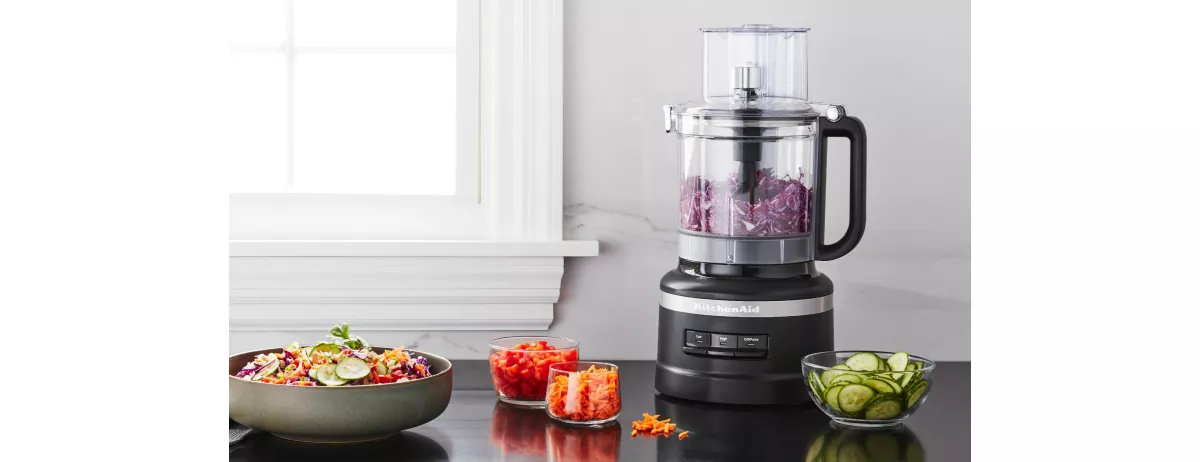
Credit: www.kitchenaid.com

Credit: www.kitchenaid.com
Frequently Asked Questions
Can Kitchen Aid Blender Grind Coffee Beans Effectively?
Yes, Kitchen Aid blenders can grind coffee beans, but results vary. Use the pulse setting for coarse grinding. For finer coffee grounds, a dedicated grinder is better.
Is It Safe To Grind Spices In A Kitchen Aid Blender?
Yes, you can safely grind spices in a Kitchen Aid blender. Use short pulses to avoid overheating. Ensure the blades are sharp for consistent results.
Can Kitchen Aid Blender Crush Ice And Nuts?
Absolutely, Kitchen Aid blenders can crush ice and nuts efficiently. Use high speed and pulse settings. Avoid overloading to prevent motor strain and ensure smooth grinding.
Will Grinding Grains Damage My Kitchen Aid Blender?
Grinding small amounts of grains occasionally won’t damage your blender. Avoid prolonged grinding to prevent motor overheating. Use the pulse mode for better control and blade protection.
Conclusion
The Kitchen Aid blender can grind many ingredients well. It works best for soft or small items. Avoid grinding very hard or dry foods often. Using the right settings helps protect the blender blades. Regular cleaning keeps it working smoothly and safely.
This blender offers good value for light grinding tasks. Choose tools based on what you need to grind. Simple care and correct use extend your blender’s life. A Kitchen Aid blender can be a handy kitchen helper.