

Can You Grow Asparagus from Kitchen Scraps? Have you ever wondered if you can turn your kitchen scraps into a fresh, tasty asparagus harvest? Imagine saving money and reducing waste by growing this delicious vegetable right at home—starting with what you’d normally throw away.
It sounds almost too good to be true, doesn’t it? But what if you could easily transform those leftover asparagus ends into a thriving plant? Keep reading to discover simple steps that could change the way you think about your kitchen scraps forever.
Your garden—and your meals—will thank you.
Asparagus Basics
Asparagus is a delightful vegetable that many home gardeners find fascinating. Known for its unique taste and vibrant green stalks, it's a perennial plant that can be a rewarding addition to your garden. Understanding the basics of asparagus can set you up for success, especially if you're considering growing it from kitchen scraps.
What Is Asparagus
Asparagus is a perennial vegetable, which means it can grow year after year without needing to be replanted. It's part of the Asparagaceae family and is commonly harvested in the spring. This vegetable is not only delicious but also packed with nutrients like vitamins A, C, and K.
Interestingly, asparagus can be green, white, or even purple. Each color variety offers a slightly different taste and texture. Have you ever tasted the nutty flavor of purple asparagus?
Growing Conditions
Asparagus thrives best in well-drained soil, rich in organic matter. It prefers full sun, so choosing a spot in your garden that receives plenty of sunlight is key. The soil should be slightly acidic to neutral, with a pH between 6.5 and 7.5.
One intriguing aspect of growing asparagus is its patience test. You typically need to wait about three years after planting to harvest a good crop. But once established, asparagus can keep producing for up to 15 years!
If you're planning to grow asparagus from kitchen scraps, consider the climate in your area. Does it get cold in the winter? Asparagus requires a period of dormancy, which is aided by cooler temperatures.
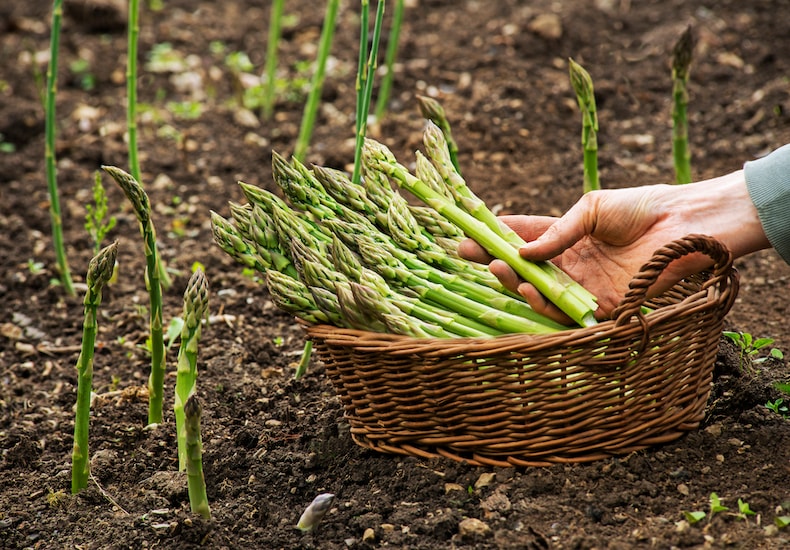
Credit: www.thompson-morgan.com
Kitchen Scraps And Asparagus
Growing asparagus from kitchen scraps can be a fun and rewarding experience. It helps reduce waste and gives you a chance to grow fresh greens at home. Not all asparagus scraps are useful for planting, so knowing which parts work is important. Proper preparation of these scraps increases the chances of successful growth. This section covers which asparagus scraps you can use and how to prepare them for planting.
Which Scraps Work
- Thick asparagus stalks with a woody base
- Bottom ends of the stalks where roots can grow
- Fresh, healthy-looking pieces without mold or rot
- Avoid thin or overly dried stalks
- Do not use cooked or heavily processed scraps
Preparing Scraps For Planting
Cut the bottom part of the stalk about 2 to 3 inches long. Make sure it includes the woody section, as roots grow there. Let the scraps dry for a day to prevent rot. Use a sharp knife to make a clean cut. Place the cut end into moist soil or water. Change the water every few days if rooting in water. Keep the scrap in a warm, bright spot but out of direct sunlight. Wait for roots to appear before planting in soil.
Step-by-step Growing Process
Growing asparagus from kitchen scraps is a simple and rewarding process. It requires patience and proper care to see new shoots emerge. This step-by-step guide helps you grow asparagus successfully at home using leftover spears.
Planting Scraps
Choose healthy asparagus tips with small root ends. Cut the tips about 4 inches long. Prepare a container with well-draining soil. Plant the cut ends about 2 inches deep in the soil. Space multiple scraps at least 6 inches apart. Cover lightly with soil and press gently to secure.
Watering And Care
Keep the soil moist but not soggy. Water lightly every day or when the soil feels dry. Avoid overwatering to prevent root rot. Remove any dead or yellow leaves to keep plants healthy. Fertilize once a month with a balanced liquid fertilizer. Watch for pests and treat naturally if needed.
Sunlight And Temperature Needs
Place the container in a bright spot with indirect sunlight. Asparagus prefers 6 to 8 hours of light daily. Keep the temperature between 65°F and 75°F for best growth. Avoid cold drafts or hot direct sun that can stress the plant. Move plants outdoors after a few weeks if the weather stays warm.
Common Challenges
Growing asparagus from kitchen scraps is an exciting challenge. It demands patience and careful attention. Several common problems can affect your success. Knowing these challenges helps you prepare and react properly.
Pests And Diseases
Asparagus plants attract certain pests and diseases. These can damage young shoots and reduce growth.
- Aphids suck plant juices and cause leaves to curl.
- Asparagus beetles eat stems and create holes.
- Fungal infections may cause spots or mold on plants.
- Rust disease appears as orange spots on stems.
Regular checks can catch these issues early. Removing affected parts and using natural remedies helps control pests.
Growth Issues
Growing asparagus from scraps can lead to slow or uneven growth. This happens due to several factors:
- Improper soil conditions limit root development.
- Too much or too little water affects plant health.
- Insufficient sunlight slows down photosynthesis.
- Scraps may not always have strong enough roots.
Healthy soil, balanced watering, and enough light improve growth chances. Patience is key, as asparagus grows slowly.
Harvesting Tips
Harvesting asparagus grown from kitchen scraps requires care and timing. Picking at the right moment ensures tender, delicious spears. Proper harvesting also helps your plant stay healthy and produce more next season.
When To Harvest
Wait until the asparagus spears reach about 6 to 8 inches tall. The spears should be thick and firm. Thin or small spears are not ready yet. Usually, this happens in spring or early summer. Avoid harvesting during the first two years. This gives the plant time to grow strong roots.
How To Harvest Properly
- Use a sharp knife or garden scissors to cut spears.
- Cut spears at ground level or just below the soil.
- Pick only the thick, healthy spears. Leave thin ones to grow.
- Harvest every two to three days to prevent spears from getting woody.
- Stop harvesting after 6 to 8 weeks to let the plant recover.
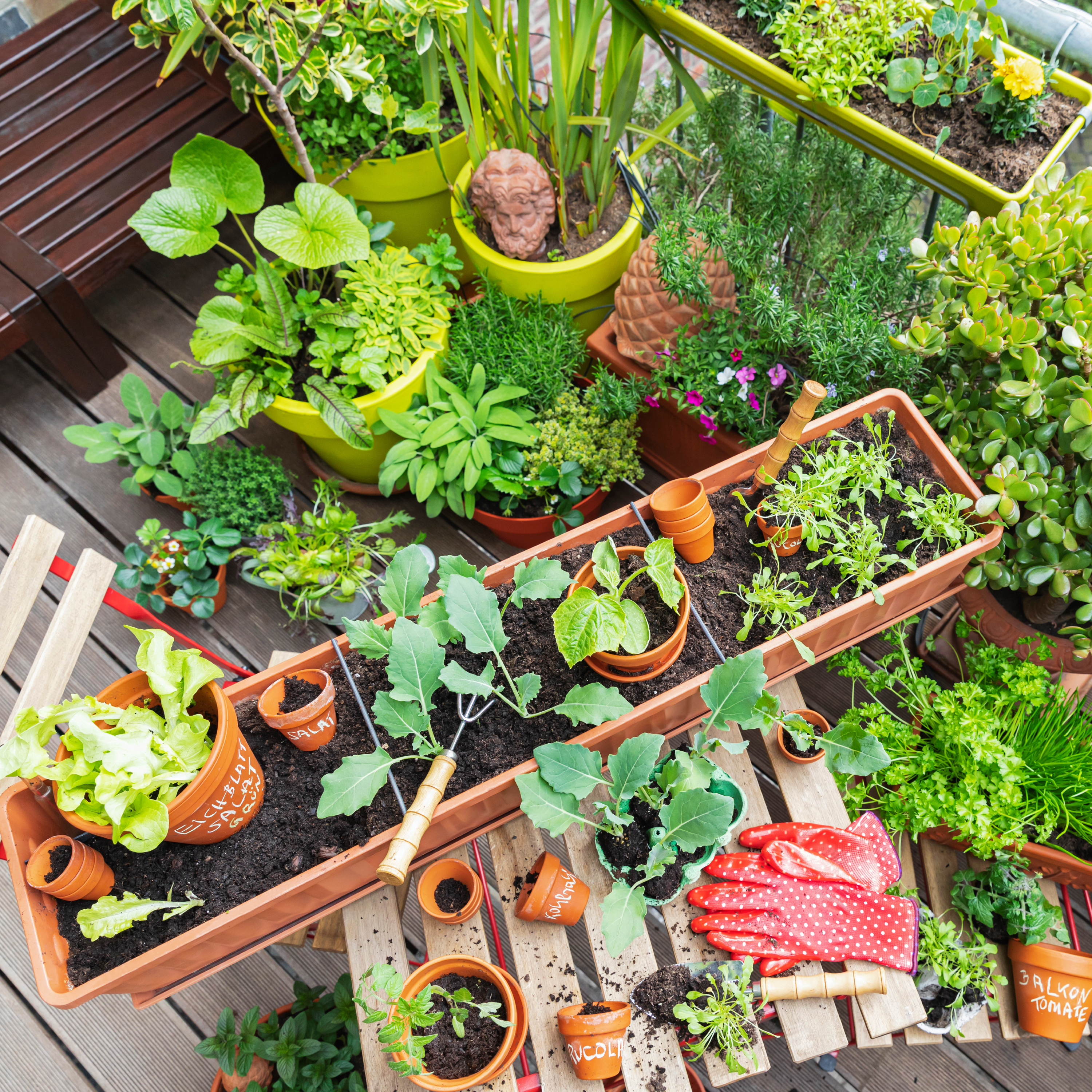
Credit: www.gardeningknowhow.com
Benefits Of Growing Asparagus At Home
Growing asparagus at home offers many benefits beyond fresh harvests. It brings joy and a sense of accomplishment. Homegrown asparagus tastes fresher and better than store-bought options. The process is simple and rewarding, especially when starting from kitchen scraps. This practice saves money and supports a greener lifestyle.
Cost Savings
Growing asparagus from kitchen scraps cuts grocery bills. Buying asparagus regularly can be expensive. A small effort at home reduces these costs. It provides a steady supply without frequent purchases. Over time, savings add up and benefit your budget. No need to buy seeds or plants. Kitchen scraps offer a free, easy way to start.
Sustainability
Using kitchen scraps to grow asparagus helps reduce waste. It turns food leftovers into new plants. This lowers the amount of trash sent to landfills. Growing your food reduces the need for packaging and transport. It also decreases your carbon footprint. Sustainable gardening supports the environment and promotes healthy habits. A simple step that makes a big difference.

Credit: www.everydaycheapskate.com
Frequently Asked Questions
Can You Grow Asparagus From Kitchen Scraps?
No, asparagus cannot be grown from kitchen scraps. It requires crowns or seeds for successful cultivation. Kitchen scraps like stalks do not regenerate new plants.
How Long Does Asparagus Take To Grow From Crowns?
Asparagus crowns take about 2 to 3 years to establish. You can harvest spears after this period for optimal growth and yield.
What Is The Best Method To Start Asparagus Plants?
Starting asparagus from crowns is the easiest and fastest method. Seeds take longer and require more care to grow healthy plants.
Can Asparagus Regrow After Harvesting?
Yes, asparagus spears regrow after harvesting if the plant is mature. Avoid cutting young spears to ensure strong future growth.
Conclusion
Growing asparagus from kitchen scraps can be rewarding and fun. It saves money and reduces waste. You only need some patience and basic care. The process is simple and suits small spaces well. Fresh, homegrown asparagus tastes better than store-bought.
Give it a try and watch your scraps turn into food. Gardening this way connects you with nature. Enjoy the small success of growing your own plants. It’s a great way to start gardening without much cost. Keep caring, and your asparagus will grow strong and healthy.