
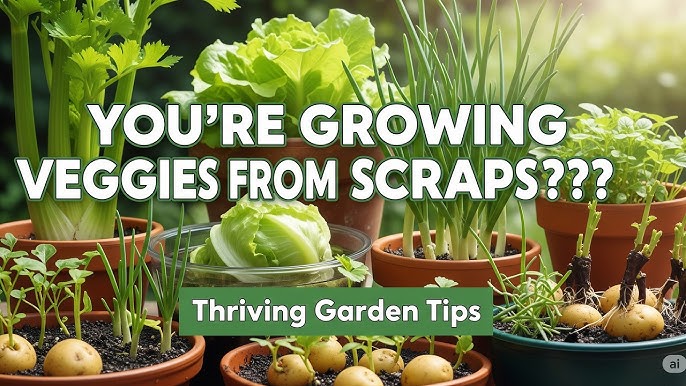
How to Grow a Garden from Kitchen Scraps. Have you ever tossed out vegetable peels, stems, or leftover fruit scraps without a second thought? What if you could turn those kitchen leftovers into a thriving garden right at home?
Growing a garden from kitchen scraps is easier than you think, and it saves money, reduces waste, and gives you fresh greens to enjoy. You’ll discover simple steps to transform your everyday scraps into a vibrant garden that keeps giving.
Ready to see how your trash can become treasure? Let’s dive in!

Credit: www.youtube.com
Benefits Of Growing From Scraps
Growing a garden from kitchen scraps offers many benefits. It turns waste into a resource. This approach saves money and helps the environment. It also provides fresh, home-grown food with little effort.
Using scraps encourages recycling and reduces trash. It teaches patience and care. Watching plants grow from scraps is satisfying and fun. This method suits small spaces and beginners.
Cost Savings
Growing plants from scraps cuts down on buying seeds or seedlings. It uses leftovers that would be thrown away. This saves money and stretches your food budget.
Environmental Impact
Reusing scraps reduces landfill waste. It lowers your carbon footprint by producing less trash. Composting scraps also enriches soil, supporting healthy plants naturally.
Easy And Accessible
Kitchen scraps are readily available in every home. Starting a garden this way is simple and requires few tools. It suits all ages and skill levels.
Fresh And Healthy Food
Plants grown from scraps are fresh and chemical-free. You control what grows in your garden. This leads to healthier eating and better taste.
Educational And Fun
Growing from scraps teaches about plant life cycles. It sparks curiosity and encourages learning. The process is enjoyable for families and kids.
Best Kitchen Scraps To Reuse
Reusing kitchen scraps is a smart way to grow a garden. Many scraps contain nutrients or can sprout new plants. Choosing the right scraps helps your garden thrive. Here are some of the best kitchen scraps to reuse for growing plants.
Vegetable Scraps
Vegetable scraps like carrot tops, celery bases, and potato eyes can regrow. Place them in water or soil to sprout new plants. Onion ends and garlic cloves often sprout green shoots. Leafy greens like lettuce and bok choy regrow from their base. These scraps save money and reduce waste.
Fruit Seeds And Pits
Fruit seeds and pits can grow into new plants. Apple seeds, peach pits, and avocado stones work well. Clean the seeds and dry them before planting. Some fruits need cold treatment to sprout. Growing fruit trees from seeds takes time but is rewarding.
Herb Stems
Herb stems such as basil, mint, and cilantro regrow easily. Place the stems in water until roots form. Then, plant them in soil for fresh herbs. This method works best with soft-stemmed herbs. It keeps herbs fresh and ready for cooking.
Coffee Grounds And Eggshells
Coffee grounds enrich soil with nitrogen. Mix them into your compost or garden soil. Eggshells add calcium and improve soil texture. Crush eggshells before adding them to the soil. Both scraps help plants grow stronger and healthier.
Preparing Scraps For Planting
Preparing kitchen scraps for planting is a key step to grow your garden successfully. Proper preparation helps scraps sprout roots and grow into healthy plants. This process involves cleaning, cutting, and choosing the right planting method.
Cleaning And Cutting
Start by washing scraps under cool water. Remove dirt and any old food parts. Use clean scissors or a knife to cut scraps into small pieces. Smaller pieces root faster and easier. Cut just below the base where roots will grow. Avoid using spoiled or moldy scraps to prevent plant disease.
Starting Seeds Indoors
Some scraps contain seeds that grow well indoors. Plant these seeds in small pots with fresh soil. Keep the soil moist but not soaked. Place pots near a sunny window or use a grow light. Seeds often sprout within days or weeks. Transplant seedlings outside after they grow strong.
Using Water Propagation
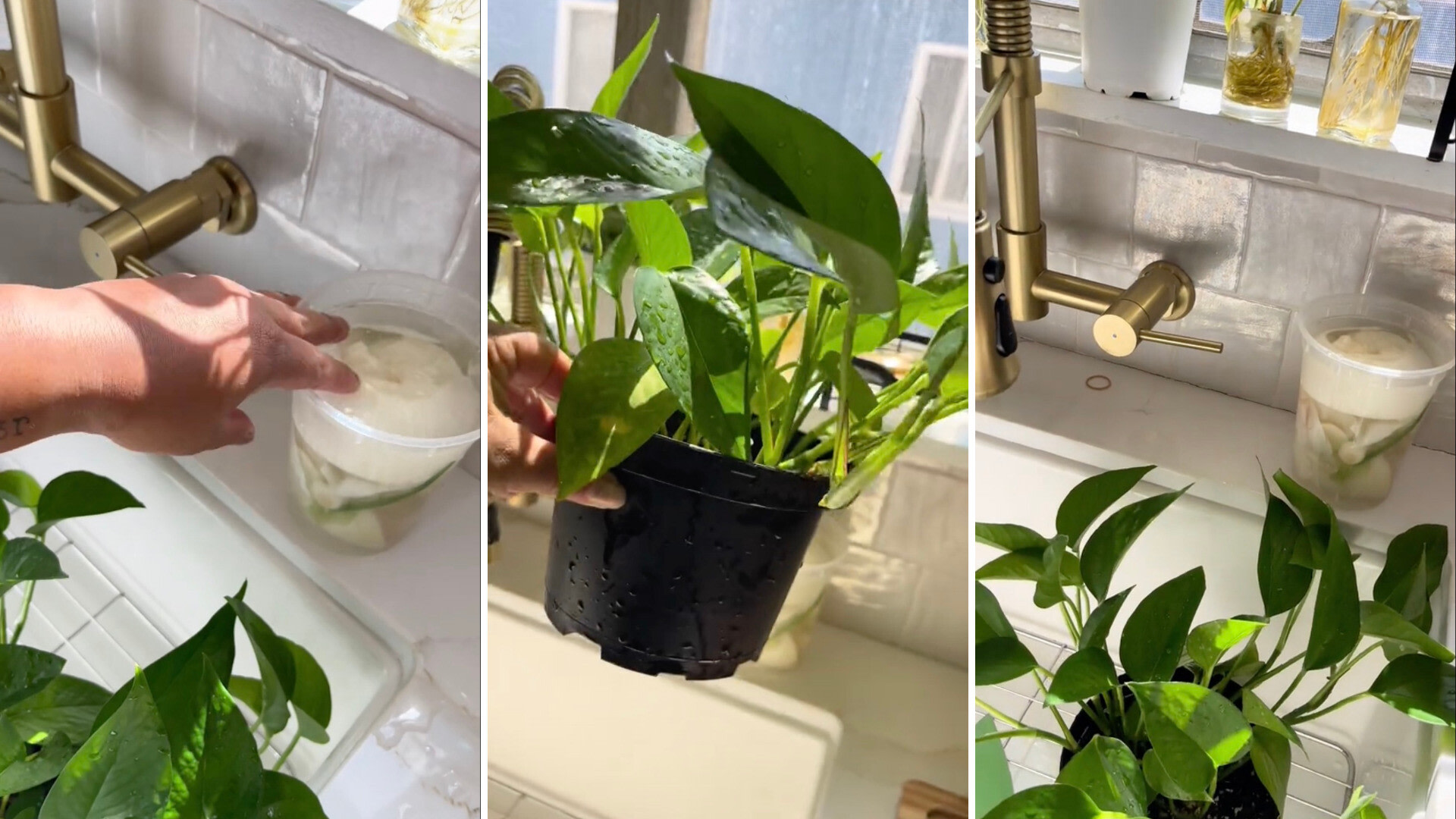
Water propagation is a simple way to grow plants from scraps. Place cut scraps in a jar of clean water. Change water every few days to keep it fresh. Roots will begin to grow at the base of scraps. Once roots are a few inches long, transfer scraps to soil. This method works well with green onions, celery, and lettuce.
Credit: www.thecooldown.com
Planting Techniques
Transforming kitchen scraps into a thriving garden is rewarding. The right planting technique makes all the difference. Whether using soil, containers, or hydroponics, each method offers unique benefits. Let's explore these techniques to grow your garden from kitchen scraps.
Direct Soil Planting
Direct soil planting is straightforward. Choose a sunny spot in your garden. Ensure the soil is rich and well-drained. Bury the scraps slightly under the surface. Cover them with a thin layer of soil. Water regularly to keep the soil moist. This method works well for scraps like potatoes and onions.
Container Gardening
Container gardening is versatile and ideal for small spaces. Use pots or old buckets. Make sure they have drainage holes. Fill them with quality potting mix. Place the scraps in the soil, just below the surface. Containers can be moved to catch optimal sunlight. Great for growing herbs and leafy greens.
Hydroponic Methods
Hydroponics involves growing plants without soil. Use a nutrient-rich water solution. Place the scraps in net pots or cups. Ensure they are partially submerged. A simple hydroponic setup can be made at home. This method is efficient for growing lettuce and other greens.
Caring For Your Scrap Garden
Caring for your scrap garden is where the real magic happens. You’ve planted your kitchen scraps, but they need the right attention to thrive and turn into lush greenery. Understanding how to water, provide light, and manage pests will keep your garden healthy and productive.
Watering Tips
Water your scrap garden consistently but avoid overwatering. Too much water can cause root rot, especially in scraps like potato or ginger. Check the soil moisture by touching it; if it feels dry an inch below the surface, it’s time to water.
Use a gentle watering method, such as a spray bottle or a watering can with a fine spout. This prevents washing away soil or damaging delicate sprouts. Early morning or late afternoon watering works best to reduce evaporation and give plants time to absorb moisture.
Light Requirements
Most kitchen scraps need plenty of sunlight to grow well. Aim for at least 4-6 hours of direct or bright indirect sunlight daily. Placing your garden near a south-facing window or under grow lights can make a big difference in growth speed.
Not all scraps have the same light needs. For example, leafy greens like lettuce prefer cooler, shadier spots, while herbs and onions thrive in brighter light. Have you noticed how your scraps respond to different light spots in your home?
Pest Management
Pests can quickly ruin your scrap garden if left unchecked. Keep an eye out for common invaders like aphids, spider mites, and fungus gnats. Early detection is key—inspect your plants regularly for holes, sticky residue, or unusual spots.
Natural pest control methods work well in small gardens. Try rinsing leaves with water, introducing beneficial insects like ladybugs, or using homemade sprays made from garlic or neem oil. How do you prefer to handle pests without chemicals in your garden?
Sustainability Benefits
Growing a garden from kitchen scraps offers many sustainability benefits. It helps reduce waste, saves money, and lessens environmental damage. This simple act turns food leftovers into new plants, supporting a greener lifestyle.
Waste Reduction
Using kitchen scraps for gardening cuts down the amount of food thrown away. Vegetable peels, fruit cores, and stems find a new purpose. This lowers the waste sent to landfills, which often produce harmful gases.
Less waste means fewer trips to the trash bin. It also reduces the need for garbage trucks, saving fuel and emissions. Small changes in daily habits can create a big impact.
Cost Savings
Growing plants from scraps reduces the need to buy new seeds or plants. This saves money on gardening supplies. Instead of spending on store-bought produce, you can grow fresh vegetables and herbs at home.
Homegrown food cuts grocery bills and provides healthier options. It also encourages using what you already have, making gardening more affordable for everyone.
Environmental Impact
Reusing kitchen scraps lowers the demand for commercial farming. This reduces the use of pesticides and fertilizers that harm the soil and water. It also cuts down on transportation emissions linked to food delivery.
Gardening with scraps supports biodiversity by growing a variety of plants. It helps improve air quality and soil health in your area. Small gardens can make a positive difference in the environment.
Common Challenges And Solutions
Growing a garden from kitchen scraps has many benefits but also some challenges. Knowing common problems helps gardeners act fast. This keeps plants healthy and strong. Below are typical issues and simple solutions to try.
Slow Growth
Plants from scraps may grow slowly at first. Lack of nutrients can cause this. Soil might be too dry or cold. To improve growth:
- Use nutrient-rich soil or compost.
- Keep soil moist but not wet.
- Place plants where they get enough sunlight.
- Trim dead leaves to encourage new growth.
Scrap Rotting
Scraps can rot instead of growing roots. This happens if scraps stay too wet or buried too deep. Rotten scraps smell bad and attract pests. Prevent rot by:
- Planting scraps just below the soil surface.
- Watering lightly to keep soil damp, not soggy.
- Using fresh kitchen scraps only.
- Changing planting spots if rot appears.
Pest Issues
Insects and bugs may attack growing plants. Pests can eat leaves or damage roots. Watch plants daily for signs like holes or sticky residue. Manage pests with these steps:
- Remove pests by hand when possible.
- Use natural sprays like soapy water.
- Encourage helpful insects like ladybugs.
- Keep garden clean and free of dead plants.

Credit: www.youtube.com
Creative Scrap Gardening Ideas
Creative scrap gardening ideas turn your everyday kitchen waste into a vibrant, living space. Growing a garden from scraps not only saves money but also adds a unique charm to your home. You’ll be amazed how simple kitchen leftovers can transform into thriving plants with just a bit of care.
Vertical Gardens
Vertical gardens make excellent use of small spaces. You can grow green onions, lettuce, or even strawberries by planting scraps in vertical pockets or hanging containers. Try using old shoe organizers or stacked pots to build your vertical garden.
Vertical gardening keeps your scraps visible and accessible. It encourages you to check on your plants daily, improving your chances of success. What small space in your home could become a lush vertical garden?
Kitchen Window Herb Gardens
Herbs like basil, mint, and chives regrow quickly from kitchen scraps. Place your herb scraps in water near a sunny kitchen window to encourage roots to form. Once roots grow, transfer them to soil and watch your mini herb garden flourish.
This setup not only provides fresh herbs for cooking but also brightens your kitchen with greenery. Have you noticed how fresh herbs improve the taste and aroma of your meals? Growing them from scraps means you always have fresh flavors at your fingertips.
Scrap Garden Gifts
Sharing scrap-grown plants as gifts spreads the joy of sustainable gardening. A small pot of regrown green onions or a cute container of sprouted lettuce can brighten someone’s day. Personalize your gift with a handwritten note about how to care for the plant.
Giving scrap garden gifts shows how easy and rewarding growing plants from kitchen waste can be. Who in your life would appreciate a living gift that keeps on growing?
Frequently Asked Questions
What Kitchen Scraps Can I Grow Into Plants?
You can regrow green onions, lettuce, celery, garlic, and potato scraps. These scraps root easily in water or soil. Avoid scraps that are cooked or spoiled for best results.
How Long Does It Take For Scraps To Sprout?
Most kitchen scraps sprout in 1 to 3 weeks with proper care. Green onions and lettuce usually sprout faster. Keep scraps in indirect sunlight and change water regularly for quicker growth.
Can All Vegetable Scraps Grow Into New Plants?
Not all scraps grow well; some lack the ability to regenerate. Root vegetables and leafy greens regrow best. Avoid scraps from processed or hybrid vegetables as they may not sprout.
What Soil Type Is Best For Growing Scraps?
Use light, well-draining soil rich in organic matter. Potting mix with compost works well. Good soil ensures healthy root development and faster plant growth from kitchen scraps.
Conclusion
Growing a garden from kitchen scraps saves money and reduces waste. You can start with simple scraps like potato eyes or lettuce bases. Watch plants grow day by day. It brings joy and fresh food to your home. Try different scraps to see what grows best.
Gardening this way teaches patience and care. Small steps lead to a green, healthy garden. Give it a try and enjoy nature’s gifts.