
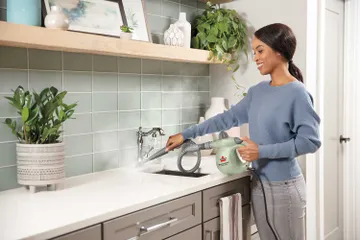
Are your kitchen cabinets looking dull or sticky from everyday messes? You might be wondering if a steam cleaner could be the quick fix you need.
Using steam to clean sounds easy and chemical-free, but is it safe for your cabinets? Before you grab that steam cleaner, it’s important to know how it can affect the finish and material of your kitchen cabinets. Keep reading to discover whether steam cleaning is a smart choice for your kitchen and how to do it right without causing damage.
Steam Cleaners And Kitchen Cabinets
Steam cleaners have become a popular tool for tackling tough kitchen messes, but can you safely use them on your kitchen cabinets? Understanding how steam cleaners interact with different cabinet materials can help you decide if this cleaning method suits your kitchen. Let’s look closely at how these devices work and which cabinet types can handle the heat and moisture.
How Steam Cleaners Work
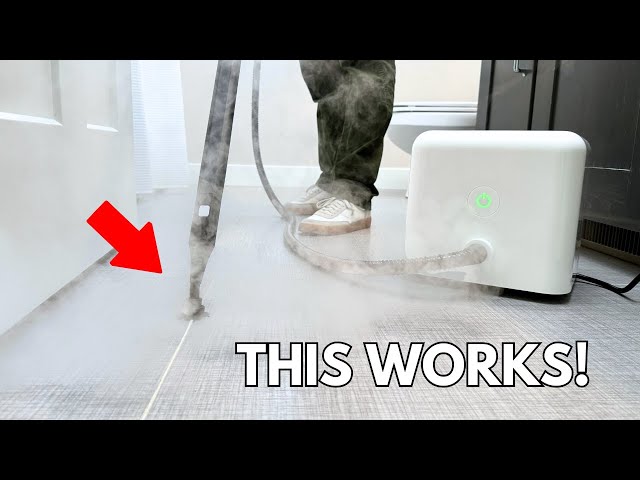
Steam cleaners use high-temperature steam to loosen dirt, grease, and grime without harsh chemicals. The steam penetrates surfaces, making it easier to wipe away stubborn stains and bacteria.
Because the steam is hot and moist, it sanitizes as it cleans, which is a big plus in the kitchen environment. However, this moisture can be tricky for certain materials, especially those sensitive to water.
Have you noticed how quickly wooden surfaces can warp if exposed to water? That’s why understanding the steam cleaner’s effect on different materials is essential before you start.
Types Of Kitchen Cabinet Materials
- Solid Wood:Prone to warping and swelling when exposed to moisture. Using a steam cleaner on solid wood cabinets requires caution—light, quick passes and immediate drying can help avoid damage.
- Laminate Cabinets:Usually more resistant to moisture but may have seams where steam can seep in and cause peeling over time. Test a small area first to be safe.
- MDF (Medium-Density Fiberboard):Extremely vulnerable to water damage. Steam cleaning is generally not recommended, as the material can swell and deteriorate quickly.
- Thermofoil Cabinets:These have a vinyl coating that can handle steam better than MDF but may discolor or bubble if exposed to excessive heat for long periods.
Which type do your cabinets belong to? Knowing this will guide you in choosing the right cleaning method and prevent costly repairs.
Credit: www.youtube.com
Benefits Of Steam Cleaning Cabinets
Cleaning kitchen cabinets can be a tough job, especially when grease and grime build up over time. Using a steam cleaner offers some real benefits that can make your cabinets look fresh and clean without much effort. You might be surprised how effective steam cleaning is compared to traditional methods.
Effective Dirt Removal
Steam cleaning uses high-temperature steam to loosen and lift dirt from your cabinet surfaces. It reaches into tiny crevices where dirt often hides, something wiping alone can’t achieve. This means you get a deeper clean without scrubbing for hours.
When I tried steam cleaning my own cabinets, I noticed how quickly the stubborn stains softened and wiped away. It saved me time and left the wood looking almost new. Don’t you want a cleaning method that works hard but doesn’t wear you out?
Sanitizing Without Chemicals
One of the biggest perks of steam cleaning is its ability to kill bacteria and germs using just water and heat. This means you can avoid harsh chemical cleaners that might damage your cabinet finish or leave behind strong odors. It’s a safer choice, especially if you have kids or pets.
Imagine cleaning your kitchen cabinets and knowing you’ve sanitized them naturally. That peace of mind makes steam cleaning more appealing than ever. Have you considered how many germs might linger on your cabinets after regular cleaning?
Risks Of Using Steam Cleaners
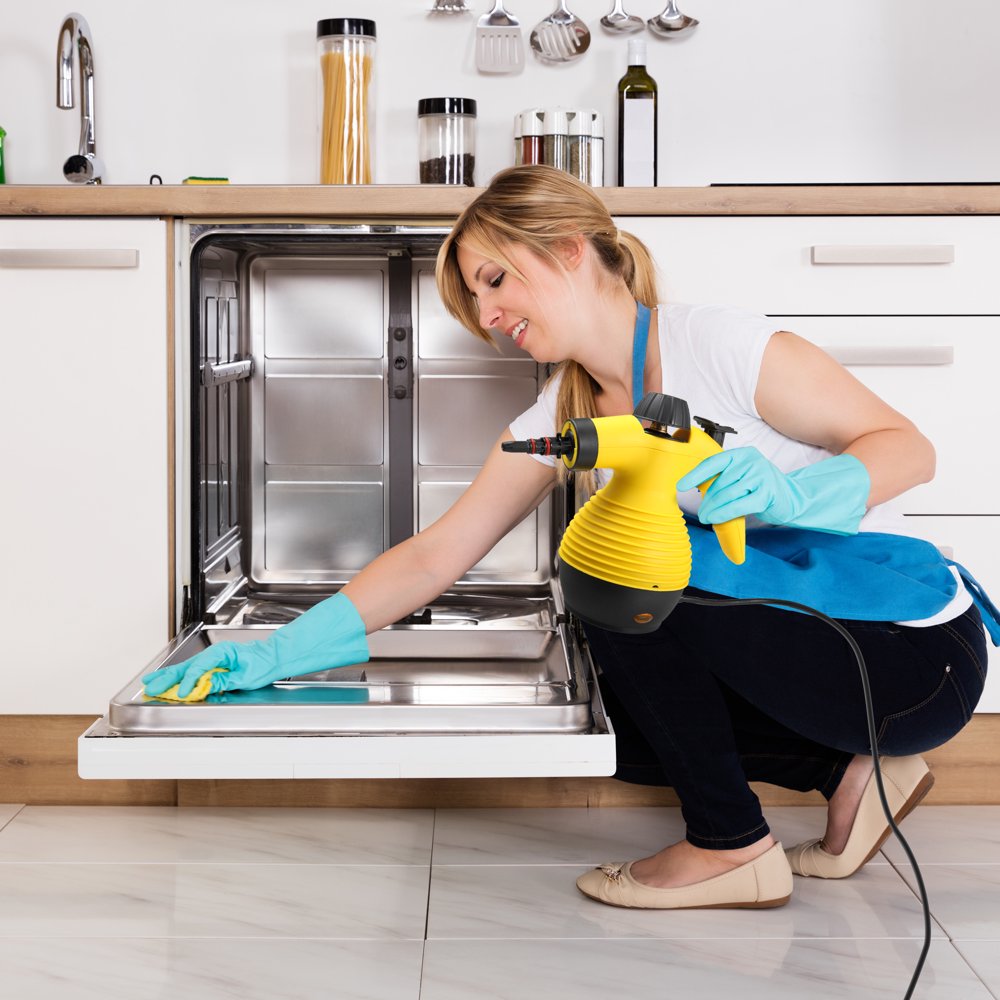
Using a steam cleaner on kitchen cabinets carries some risks. Steam cleaners use high heat and moisture, which can affect cabinet surfaces. Knowing these risks helps protect your cabinets from damage. Avoiding harm means understanding how different materials react to steam cleaning.
Potential Damage To Wood Finishes
Wood cabinets often have a protective finish. Steam can cause this finish to soften or peel. High heat may lead to warping or cracking of the wood underneath. Moisture can seep into tiny cracks, causing swelling or stains. Over time, repeated steam cleaning can dull the wood's shine and texture.
Effects On Laminate And Veneer
Laminate and veneer cabinets have a thin surface layer glued to the base. Steam can loosen this glue, causing bubbling or lifting. The heat may cause the laminate to discolor or lose its smooth look. Veneer can absorb moisture, which leads to peeling or splitting. Such damage is often hard to fix without replacing the surface.
Credit: www.walmart.ca
Preparing Cabinets For Steam Cleaning
Can You Use a Steam Cleaner on Kitchen Cabinets Steam cleaning is a safe option for most kitchen cabinets. It removes grease and grime effectively. Ensure cabinets are sealed properly to prevent damage from moisture.
Preparing your kitchen cabinets for steam cleaning is an essential step to ensure you achieve the best results without causing damage. Steam cleaning can be a powerful way to remove grime and grease, but it's crucial to prepare your surfaces properly. This preparation not only protects your cabinets but also maximizes the efficiency of the steam cleaner.
Removing Hardware And Fixtures
Start by removing all cabinet hardware, such as knobs, handles, and hinges. This step is vital because steam can tarnish or warp metal fixtures. Use a screwdriver to carefully take off each piece, and keep them organized in a container so you can easily reattach them later. Taking off these parts allows the steam cleaner to access every corner of your cabinets, ensuring a thorough clean.
Testing A Small Area First
Before you dive into full-scale steam cleaning, test a small, inconspicuous area of your cabinets. This test will help you see how the material reacts to steam. Some finishes might be sensitive to moisture, and it's better to know beforehand than to risk damage. Use the steam cleaner on a hidden spot, wait for it to dry, and check for any adverse reactions like discoloration or warping. This simple test can save you from potential headaches and ensure your cabinets remain in great condition.
Step-by-step Steam Cleaning Process
Cleaning kitchen cabinets with a steam cleaner can be effective and gentle. Following the right process protects your cabinets and removes grime. This step-by-step guide ensures safe and thorough cleaning with a steam cleaner.
Setting Up The Steam Cleaner
Fill the steam cleaner with clean water only. Use distilled water to avoid mineral buildup. Plug in the device and allow it to heat fully. Check the manual for the correct temperature setting for wood or laminate surfaces. Attach the suitable nozzle or brush for cabinets. Test the steam on a hidden area first. Ensure the room is well ventilated during use.
Safe Cleaning Techniques
- Hold the steam cleaner nozzle a few inches from the cabinet surface.
- Move the nozzle slowly over one section at a time.
- Do not keep steam in one spot to avoid damage.
- Use a soft cloth to wipe away loosened dirt immediately.
- Avoid using too much water; steam should be light and controlled.
- Focus on greasy or stained areas without scrubbing hard.
Drying And Aftercare Tips
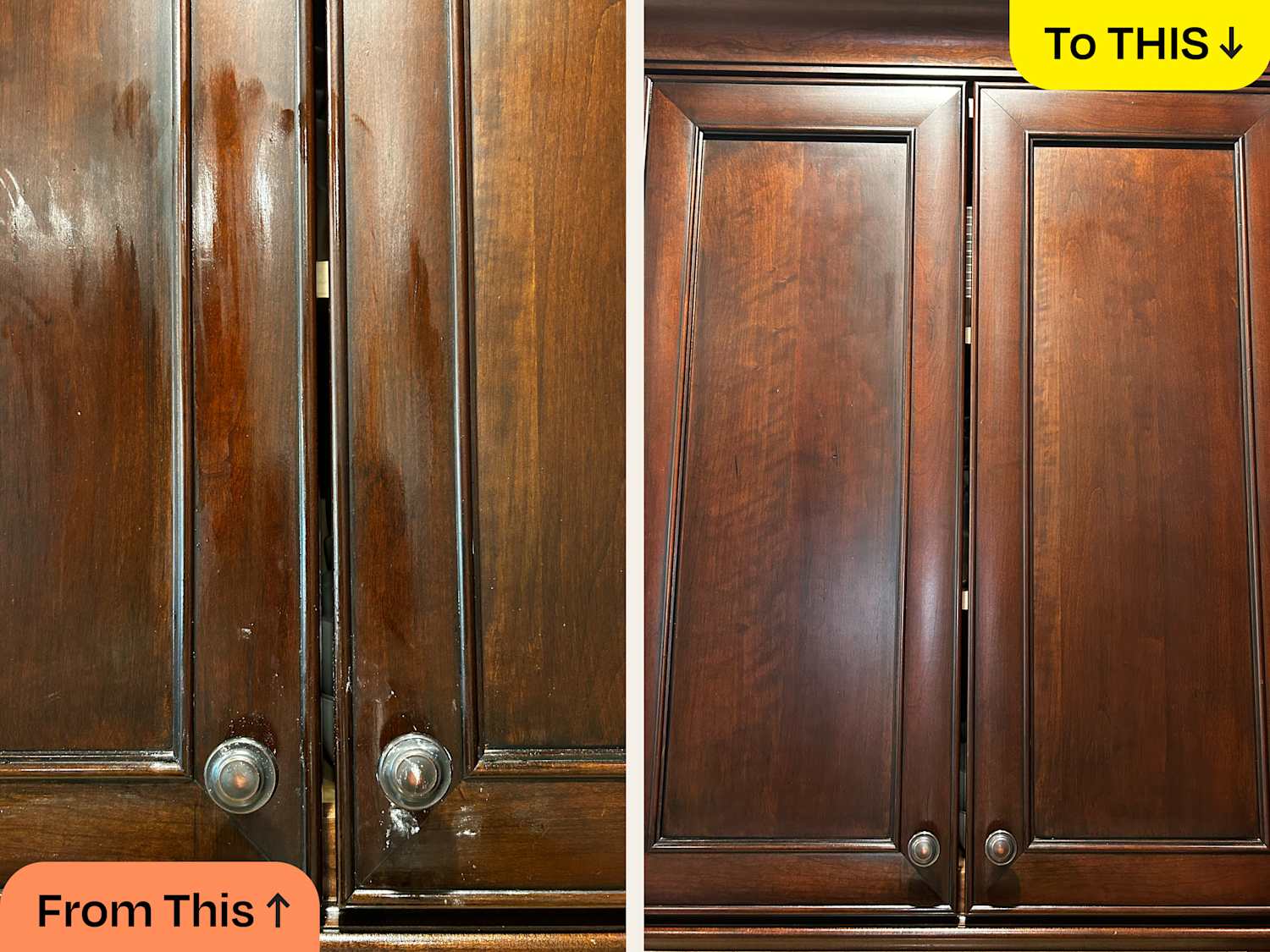
After steaming, wipe cabinets with a dry microfiber cloth. Open windows or use fans to speed drying. Avoid closing cabinet doors until fully dry to prevent moisture buildup. Apply a wood conditioner or polish for wooden cabinets to restore shine. Regularly clean cabinets with mild soap and water to maintain freshness. Store the steam cleaner properly and empty leftover water.
Credit: www.thekitchn.com
Alternatives To Steam Cleaning
Steam cleaning is not always the best choice for kitchen cabinets. Some finishes can get damaged or peel off. There are safer ways to clean your cabinets without steam.
These alternatives keep your cabinets looking fresh without risking harm. They use gentle ingredients and simple tools that work well on wood and painted surfaces.
Gentle Cleaning Solutions
Mix mild soap with warm water for an effective cleaning liquid. Dish soap works well because it cuts grease but is soft on surfaces.
Use a soft sponge or cloth dipped in the solution. Wring it out well to avoid excess water, which can damage wood.
Wipe down cabinets gently, focusing on sticky spots and stains. Rinse the cloth often and change water if it gets dirty.
Dry the cabinets immediately with a clean towel. This prevents moisture from soaking into the wood or paint.
Microfiber Cloth Methods
Microfiber cloths trap dust and dirt without harsh scrubbing. They are perfect for daily cleaning and light maintenance.
Use a dry microfiber cloth to dust cabinets regularly. This keeps surfaces clean without adding moisture.
For tougher grime, slightly dampen the cloth with water. Wipe gently and then dry the surface right away.
Microfiber cloths are reusable and easy to wash. They save money and reduce waste while protecting your cabinets.
When To Avoid Steam Cleaning
Steam cleaning kitchen cabinets can refresh their look and remove grime effectively. Still, it is not suitable for every cabinet type or condition. Knowing when to avoid steam cleaning helps protect your cabinets from damage. Certain signs and manufacturer instructions guide the safe use of steam cleaners.
Signs Of Cabinet Damage
Watch for peeling paint or finish on your cabinets. Warped or swollen wood shows water damage risk. Cracks or splits in cabinet surfaces indicate vulnerability. Loose or bubbling veneer signals weak spots. These signs mean steam cleaning could worsen the damage.
Manufacturer Recommendations
Check your cabinet maker’s care instructions before steam cleaning. Some materials, like laminate or softwood, may not handle steam well. Many manufacturers advise against high heat and moisture exposure. Following their guidelines prevents warranty voids and costly repairs.
Maintaining Clean Cabinets Post-cleaning
Maintaining clean kitchen cabinets after steam cleaning is key to preserving their look and durability. Proper care helps avoid damage and keeps cabinets fresh for longer. Simple habits make a big difference in cabinet upkeep.
Regular Dusting Tips
Dust can settle quickly on cabinet surfaces. Use a soft, dry cloth or a microfiber duster for gentle cleaning. Avoid rough materials that might scratch the finish. Dust cabinets at least once a week to prevent buildup. Pay special attention to corners and edges where dust gathers. Regular dusting keeps cabinets bright and reduces the need for deep cleaning.
Preventing Moisture Build-up
Moisture can damage cabinet wood and finishes. Wipe spills immediately with a dry cloth. Keep cabinets dry by avoiding excess water during cleaning. Ensure good kitchen ventilation to reduce humidity. Use exhaust fans when cooking to lower moisture levels. Preventing moisture build-up helps cabinets last longer and keeps them looking new.
Frequently Asked Questions
Can Steam Cleaners Damage Kitchen Cabinet Finishes?
Steam cleaners can damage delicate finishes on kitchen cabinets. Always test a small, hidden area first to ensure safety. Use low steam settings to avoid warping or discoloration.
Are Steam Cleaners Safe For Wooden Kitchen Cabinets?
Steam cleaners can be safe for sealed wooden cabinets if used carefully. Avoid excessive moisture and keep the nozzle moving to prevent damage.
How Effective Are Steam Cleaners For Cleaning Grease On Cabinets?
Steam cleaners effectively loosen and remove grease from kitchen cabinets. The high-temperature steam cuts through grime without harsh chemicals, making it a safe, eco-friendly option.
Can Steam Cleaners Remove Mold From Kitchen Cabinets?
Yes, steam cleaners can kill mold on kitchen cabinets by using high heat. Ensure thorough drying afterward to prevent mold from returning.
Conclusion
Steam cleaners can be helpful for kitchen cabinets if used carefully. Always test a small area first to avoid damage. Avoid using steam on delicate or painted surfaces. Keep the steam moving to prevent moisture buildup. Regular cleaning keeps cabinets fresh and lasts longer.
Choose the right cleaner for your cabinet material. Steam cleaning can save time and effort. Remember, gentle care protects your kitchen’s look and feel. Try steam cleaning, but proceed with caution. Your cabinets will thank you for the gentle touch.