

Are strong kitchen smells taking over your home? You might wonder if an air purifier can really help clear the air and keep your space fresh.
Imagine walking into your kitchen without the lingering scent of last night’s dinner or burnt toast. If you’ve been searching for a simple way to fight those stubborn odors, this article is for you. We’ll uncover how air purifiers work in the kitchen and whether they can be your secret weapon against unwanted smells.
Keep reading to find out how you can breathe easier and enjoy a fresher kitchen every day.
How Kitchen Smells Form
Understanding how kitchen smells form is key to managing unwanted odors effectively. Cooking releases various particles and gases that mix with the air, creating distinct aromas. Some smells are pleasant, but others can linger long after you finish cooking.
Common Sources Of Odors
Your kitchen is full of odor sources that can fill the air quickly:
- Cooking oils and fats:These release strong smells, especially when overheated or burnt.
- Spices and herbs:Ingredients like garlic, onions, and curry powder produce powerful aromas.
- Leftover food:Forgotten scraps in the trash or fridge can emit sour or rotten smells.
- Cleaning products:Sometimes, the chemicals themselves add to the scent mix.
Every time you fry, boil, or bake, tiny particles and vapors rise into the air, contributing to your kitchen’s smell profile.
Why Kitchen Smells Linger
Have you noticed how some kitchen smells just don’t fade quickly? That’s because odor molecules stick to surfaces like walls, fabrics, and even your cabinets.
Moisture in the air helps these smells hold on longer. If your kitchen doesn’t have good ventilation, smells get trapped and mix with other odors.
Think about a time you cooked fish or strong spices. Even after cleaning, the smell might hang around for hours or days. This happens because the particles settle into soft materials and keep releasing scent over time.
Air Purifier Basics
Understanding the basics of air purifiers can help you decide if they are a good fit for tackling kitchen smells. These devices are designed to clean the air by removing particles and odors, which can be especially useful in spaces where cooking creates strong or lingering scents. Knowing how they work and the types available will give you a clearer idea of what to expect from an air purifier in your kitchen.
Types Of Air Purifiers
There are several types of air purifiers, each with different methods to clean the air. The most common ones include:
- HEPA Filters:These capture tiny particles like dust, smoke, and pet dander. They’re great for removing solid particles but less effective on smells.
- Activated Carbon Filters:These are excellent at absorbing odors and gases, making them a strong choice for kitchen smells.
- Ionizers:These release charged ions to attract and settle particles out of the air. They can help with some odors but might produce ozone, which can irritate sensitive lungs.
- UV Light Purifiers:These use ultraviolet light to kill bacteria and viruses but don’t remove particles or odors directly.
Have you ever noticed a difference in air quality after using an air purifier with an activated carbon filter? That’s because these filters are specifically designed to trap gases and smells.
How They Work
Air purifiers pull air from your room into the device, where it passes through different filters or treatment methods. Each filter type targets specific pollutants—HEPA traps solid particles, while carbon filters absorb odors.
Some purifiers combine multiple technologies to clean the air more effectively. For example, a device might use a HEPA filter alongside an activated carbon filter to remove both particles and smells.
Think about your kitchen after cooking a strong-smelling meal like fish or curry. A well-chosen air purifier can reduce those odors, but it won’t replace good ventilation or cleaning. How often do you think your kitchen air needs refreshing?
Effectiveness Against Kitchen Odors
Air purifiers can help manage unpleasant kitchen odors. They work by filtering out particles and gases. This can lead to a more pleasant kitchen environment. Let's dive into how effective they are against common kitchen smells.
Removing Smoke And Grease
Smoke and grease are common in kitchens. Air purifiers with HEPA filters can capture smoke particles. They trap tiny particles released during cooking. Activated carbon filters are great for grease. They absorb greasy particles, preventing them from spreading. This keeps the air cleaner and fresher.
Neutralizing Food Smells
Certain foods release strong odors. These can linger long after cooking. Air purifiers with activated carbon filters can help. They absorb the gases that cause these smells. This reduces the intensity of food odors. Your kitchen will smell fresher and more inviting.
Limitations In The Kitchen
Air purifiers have their limits. They work best in closed spaces. Open windows and doors can reduce their effectiveness. Large kitchens may need multiple units. Some smells might be too strong or persistent. Regular cleaning and maintenance of the purifier are crucial. This ensures optimal performance. A clean kitchen also complements the purifier's work.
Credit: www.idealhome.co.uk
Choosing The Right Air Purifier
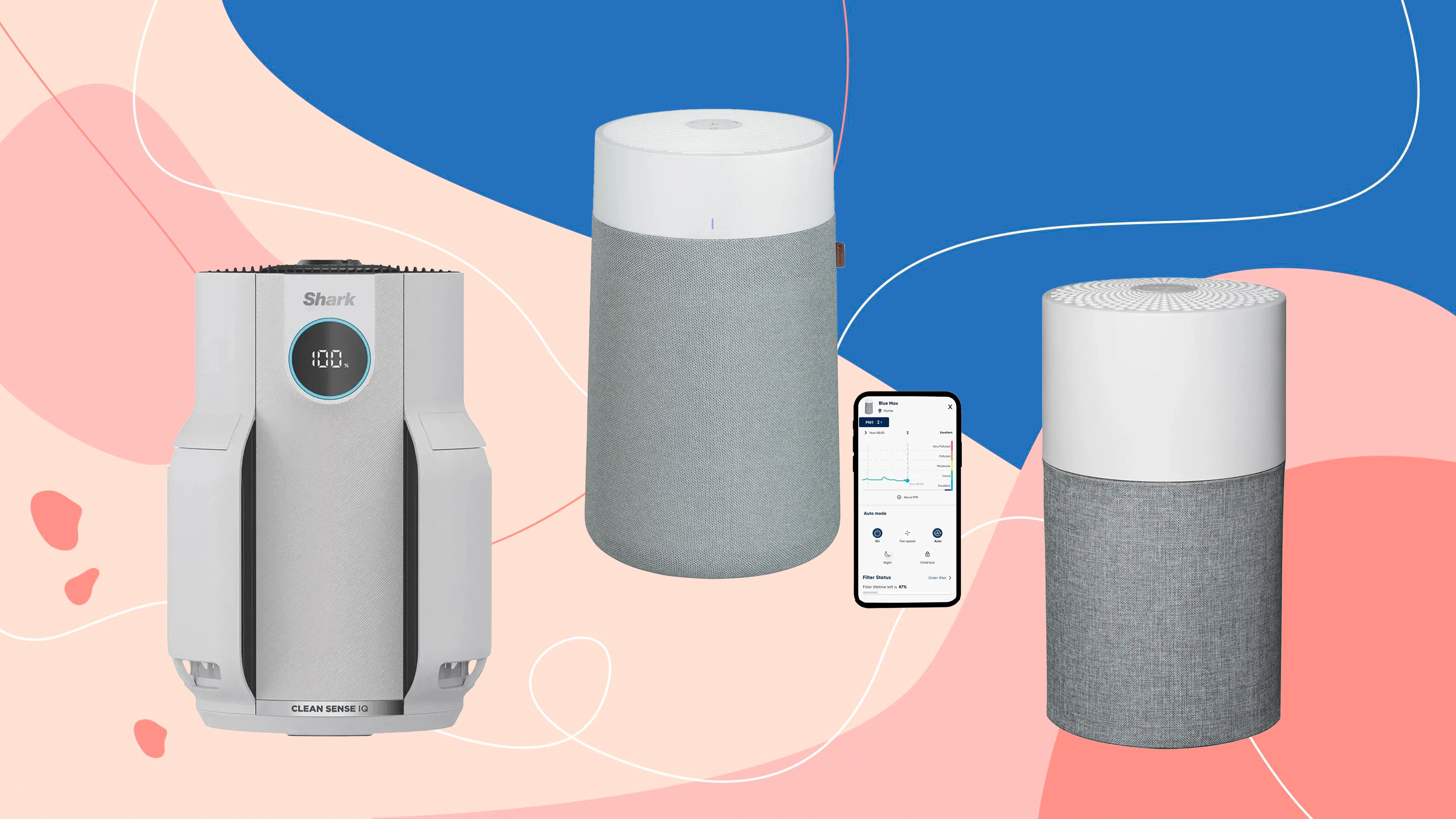
Choosing the right air purifier for your kitchen can make a big difference in reducing cooking smells. Not all air purifiers work the same way. Picking one with the right features helps keep your kitchen air fresh and clean.
Key Features To Look For
- Strong airflow to move air quickly
- Odor removal capability for kitchen smells
- Quiet operation to avoid noise disturbance
- Easy-to-change filters for maintenance
- Energy-efficient design to save power
Filter Types And Their Roles
- Activated Carbon Filters:Capture odors and gases effectively
- HEPA Filters:Remove small particles like dust and smoke
- Pre-filters:Trap large particles and extend filter life
Size And Capacity Considerations
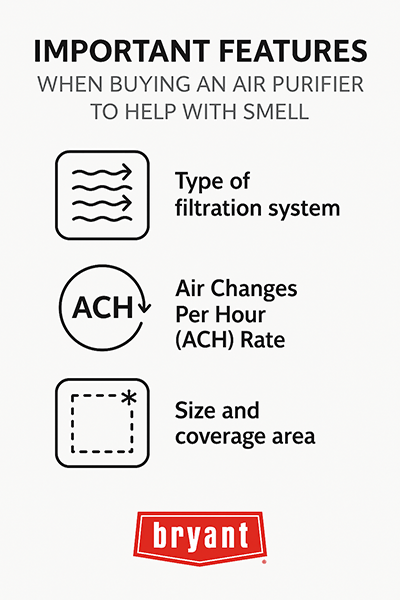
Match the purifier size to your kitchen area. A small unit cannot clean a large space well. Check the Clean Air Delivery Rate (CADR) for best results. Higher CADR means faster air cleaning. Consider your kitchen layout and ventilation too.
Placement Tips For Best Results
Correct placement improves an air purifier’s ability to clear kitchen smells. Positioning the device in the right spot helps capture odors faster. It also ensures better air flow and coverage.
Ideal Locations In The Kitchen
Place the air purifier near sources of strong smells like the stove or trash bin. This helps trap odors before they spread.
Keep the unit away from walls and corners to allow air circulation. At least 12 inches of space around the purifier works well.
Position it at breathing height, about 2 to 4 feet off the ground. This matches where most smells linger.
Make sure the purifier’s air intake and outlet are not blocked by furniture or appliances.
Avoiding Common Mistakes
- Don’t place the purifier inside cabinets or behind doors.
- Avoid putting it too close to windows or vents where fresh air dilutes the effect.
- Do not block the purifier’s airflow with kitchen tools or clutter.
- Keep it away from water sources to prevent damage.
Following these tips helps your air purifier work efficiently. Proper placement captures odors quickly and keeps your kitchen fresh.

Credit: www.independent.co.uk
Maintenance For Optimal Performance
Maintaining your air purifier is essential to keep it working effectively against kitchen smells. Without proper care, its ability to filter out odors and pollutants diminishes quickly. Paying attention to maintenance ensures you breathe fresher air and get the most value from your device.
Cleaning And Replacing Filters
Filters are the heart of your air purifier. Over time, they collect grease, smoke particles, and food odors from the kitchen air. If you neglect cleaning or replacing them, these trapped particles can clog the filter, reducing airflow and efficiency.
Most purifiers come with washable pre-filters that you can rinse every few weeks. For carbon or HEPA filters, check the manufacturer’s guidelines on replacement intervals—usually every 3 to 6 months. Have you noticed a lingering smell despite running your purifier? It might be time to swap out the filters.
Regular Checks And Upkeep
Beyond filters, keep an eye on the purifier’s overall condition. Dust can build up on vents and fans, causing noise and lowering performance. Wiping down the exterior and vacuuming vents monthly can prevent this buildup.
Also, monitor the purifier’s placement. If it’s too close to cooking surfaces, it might get overwhelmed by grease and smoke. Try positioning it in a spot with good air circulation, where it can pull in odors without getting clogged quickly.
Have you set reminders to inspect your purifier regularly? Small, consistent upkeep makes a big difference in keeping your kitchen smelling fresh and your air purifier running smoothly.
Additional Ways To Reduce Kitchen Odors
Kitchen odors can linger longer than you'd like, even with an air purifier running. Thankfully, there are simple and effective ways to reduce smells right at the source and keep your kitchen smelling fresh. These additional strategies work well alongside air purifiers to tackle odors more thoroughly.
Ventilation Strategies
Proper ventilation is one of the easiest and most effective ways to reduce kitchen smells. Opening windows while cooking can quickly carry away steam and odors before they settle.
If your kitchen has an exhaust fan, make sure to use it regularly. These fans draw out smoky or greasy air, preventing it from spreading to other rooms.
Consider adding a range hood if you don’t have one. It captures smells and smoke directly from the stove, stopping odors from circulating.
Natural Odor Absorbers
Nature offers some powerful tools to neutralize kitchen smells without harsh chemicals. Placing bowls of baking soda around your kitchen can absorb unwanted odors silently.
Activated charcoal bags also work well and can be reused after a simple refresh in the sun. They trap odor particles and keep your kitchen air clean.
Fresh herbs like rosemary or mint simmered in water release pleasant aromas that mask cooking smells. Have you tried boiling lemon slices with cinnamon sticks to freshen the air?
Credit: www.bryant.com
Frequently Asked Questions
Do Air Purifiers Remove Cooking Odors Effectively?
Yes, air purifiers with activated carbon filters capture and neutralize cooking odors. They reduce smells from frying, spices, and smoke quickly. However, ventilation also helps improve air quality alongside purifiers.
Which Air Purifier Filter Works Best For Kitchen Smells?
Activated carbon filters are best for kitchen smells. They absorb volatile organic compounds (VOCs) and odors. HEPA filters remove particles but don’t eliminate smells as effectively as carbon filters.
Can Air Purifiers Eliminate Smoke From Cooking?
Air purifiers can reduce smoke particles and odors. HEPA filters trap fine smoke particles, while carbon filters absorb smoke smells. Using both filters together provides better smoke removal in kitchens.
How Often Should I Run An Air Purifier In The Kitchen?
Run the air purifier continuously during and after cooking for 30-60 minutes. This ensures odors and particles are removed effectively. Regular use keeps kitchen air fresh and reduces lingering smells.
Conclusion
Air purifiers can reduce strong kitchen smells effectively. They capture particles and help clean the air. Yet, they work best when combined with good ventilation. Regular cleaning of kitchen surfaces also matters a lot. Choose an air purifier with a carbon filter for odor control.
Small steps make your kitchen air fresher and healthier. Consider air purifiers as part of your kitchen care routine. Cleaner air means a more pleasant cooking and dining space. Simple tools and habits can keep bad smells away.