
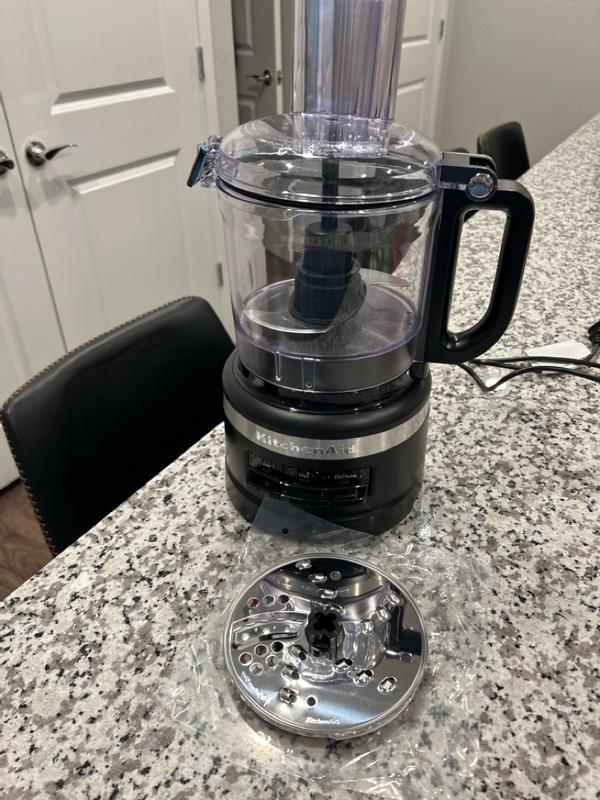
Do All Kitchen Id Food Processors Use the Same Blades? Have you ever wondered if all kitchen food processors use the same blades? If you’ve ever tried swapping blades between different models or brands, you might have noticed they don’t always fit or work the same way.
Understanding whether your food processor blades are interchangeable can save you time, money, and frustration in the kitchen. Keep reading to discover the truth about food processor blades and how to make sure you get the best performance from your appliance.
Types Of Food Processor Blades
Food processor blades come in various shapes and sizes, each designed to handle specific kitchen tasks. Understanding the types of blades can help you choose the right one for your cooking needs. Not all food processors use the same blades, so knowing their functions can save you time and effort in the kitchen.
Slicing Blades
Slicing blades are thin and sharp, perfect for creating uniform slices of vegetables and fruits. They allow you to prepare ingredients quickly without the hassle of manual slicing. Have you ever struggled with uneven cucumber slices? A slicing blade solves that problem effortlessly.
Shredding Blades
Shredding blades are designed to break down foods into fine pieces, ideal for cheese, cabbage, or carrots. They come in different sizes to control the thickness of the shred. If you enjoy fresh coleslaw or homemade cheese toppings, shredding blades become your best friend.
Chopping Blades
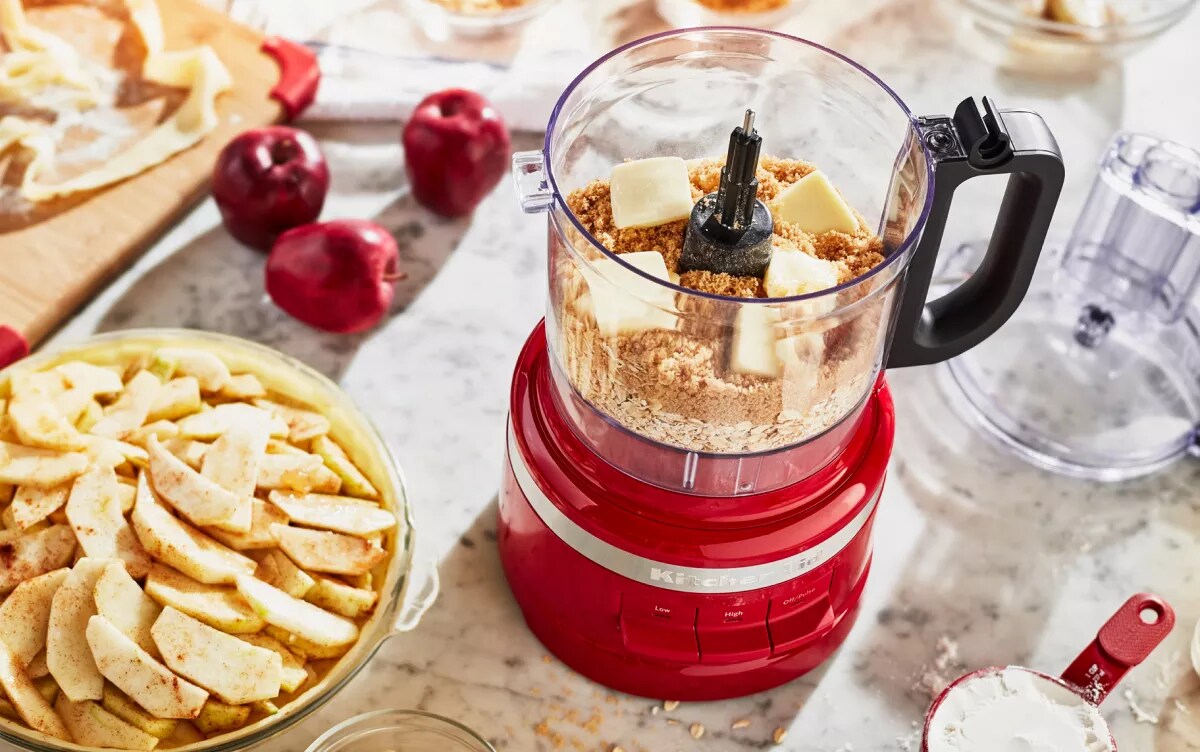
Chopping blades are the most common and versatile, perfect for chopping nuts, herbs, or making salsa. Their sharp, multi-level edges handle tough ingredients without bruising. Ever tried chopping onions by hand and ended up with uneven pieces? A chopping blade ensures consistency every time.
Dough Blades
Dough blades have a unique design, often plastic or dull, to mix and knead dough without cutting it. They save you from the mess and effort of manual kneading. If you bake bread or pizza at home, a dough blade can transform how you prepare your dough.
:max_bytes(150000):strip_icc()/faw-mini-food-processors-primary-rkilgore-0828-1-ef83ffc1910f4bc29b822ca52c5ee722.jpeg)
Credit: www.foodandwine.com
Blade Compatibility Across Brands
Blade compatibility is a crucial factor when choosing or replacing parts for your kitchen food processor. Not all blades fit every model or brand, and understanding these differences can save you from costly mistakes. Let’s break down how blade compatibility works across various brands and why it matters for your kitchen efficiency and safety.
Universal Vs. Brand-specific Blades
Some blades are designed to be universal, meaning they fit multiple brands or models. These often come with adjustable fittings or adapters. However, true universal blades are rare and may not perform as well as brand-specific ones.
Brand-specific blades are tailor-made for a particular food processor model. They fit perfectly and often deliver better performance because they match the machine’s design and motor power. If you want reliability, brand-specific blades are usually the safer bet.
Why Blades Differ By Model
Different food processors have unique motor strengths, bowl sizes, and locking mechanisms. These factors influence the design of the blades. A blade that fits one model might not lock securely or spin correctly in another.
Blade thickness, sharpness, and angle also vary depending on what the manufacturer expects the blade to do—whether chopping nuts, slicing vegetables, or kneading dough. You might wonder, is it worth it to try a blade from another model? Often, it's better to stick to what fits your machine exactly.
Risks Of Using Non-compatible Blades
Using blades that don’t match your food processor can cause several problems. They might wobble, damage the motor, or fail to process food evenly. Worse, they can create safety hazards if the blade detaches during use.
Imagine your blade slipping off mid-process—this not only ruins your recipe but could also cause injury. Always check compatibility before swapping blades. It’s a simple step that protects both you and your appliance.
Materials And Blade Quality
Materials and blade quality are crucial factors that affect the performance of your kitchen food processor. Not all blades are created equal, and the type of metal used can make a big difference in how well your processor handles different ingredients. Understanding these differences helps you choose the right blade and maintain it effectively.
Stainless Steel Vs. Other Metals
Stainless steel is the most common material for food processor blades. It resists rust, stays sharp longer, and is easy to clean. Other metals like carbon steel might be sharper initially but tend to rust or dull faster.
You might find blades made from coated metals or alloys designed for specific tasks, such as slicing or shredding. However, these can wear down quicker if not cared for properly. Does your processor’s blade feel different from others you've used? The material likely plays a big part.
Blade Sharpness And Durability
Sharp blades make food processing faster and more efficient. Over time, even stainless steel blades dull, especially if you chop hard items like nuts or ice frequently. Dull blades not only slow you down but can also strain your machine’s motor.
Durability depends on both the metal quality and the blade’s thickness. Thicker blades often last longer but may sacrifice some precision. How often do you check your blades for sharpness? A quick test with a soft vegetable can reveal a lot.
Maintenance Tips For Longevity
- Clean blades immediately after use to prevent food buildup and corrosion.
- Hand wash blades instead of using a dishwasher to avoid dulling from harsh detergents.
- Dry blades thoroughly before storing to stop rust from forming.
- Sharpen dull blades carefully with a whetstone or professional service.
- Store blades separately or in protective covers to prevent nicks and damage.
Regular maintenance extends your blades’ life and keeps your food processor working like new. How often do you invest time in caring for your blades? Small habits make a big difference in the kitchen.
Credit: www.kitchenaid.com
How To Choose The Right Blades
Choosing the right blades for your kitchen food processor can feel like solving a puzzle. Each blade has its purpose, and using the wrong one might not just waste your time but also ruin your meal. To get the best results, you need to match the blade to your food type, consider your processor’s size and power, and always read the manufacturer guidelines. Let's dive into the details.
Matching Blades To Food Types
Not all blades are created equal. If you’ve ever tried slicing tomatoes with a chopping blade, you know what I mean. Blades are designed with specific food types in mind. Shredding blades work wonders on cheese, while slicing blades are perfect for vegetables like cucumbers and carrots.
Consider your cooking habits. Are you more of a salad lover or do you often make dough? Select blades that align with your regular recipes. This simple alignment can make your cooking process smoother and more efficient.
Considering Processor Size And Power
Size and power matter more than you might think. A small processor might struggle with a large batch of dough, while a high-powered one can easily handle it. The size of the processor bowl determines how much food you can process at once, while the motor power affects the blade speed and efficiency.
Check your processor's specifications. A powerful motor can drive more robust blades, making it easier to process tougher ingredients. Always ensure your blade choice fits well with the processor's capacity and strength.
Reading Manufacturer Guidelines
Manufacturers provide invaluable insights about their product’s capabilities. Ignoring these guidelines might lead to poor performance or even damage. Each processor brand and model might have unique features and compatible blades.
Take a few minutes to read through the manual. It often includes recommendations for which blades work best with specific tasks. Use this information to optimize your processor's potential and extend its lifespan.
Have you been using the right blades for your food processor? A few small changes might just transform your kitchen experience, making meal prep easier and more enjoyable.
Replacing And Upgrading Blades
Replacing and upgrading blades in kitchen food processors keeps them working well. Blades can wear out or get dull after many uses. Changing blades improves cutting, chopping, and blending tasks. Upgrading blades also offers better performance and new features. Knowing when and how to replace or upgrade helps maintain efficiency and safety.
Signs You Need New Blades
- Food is not chopped evenly or smoothly.
- Blades feel dull or are visibly damaged.
- Processor struggles or slows down during use.
- Unusual noises come from the blade area.
- Blades rust or have corrosion spots.
Where To Buy Replacement Blades
Buy replacement blades from the original manufacturer for best fit. Check the model number of your food processor before purchasing. Many online stores and kitchen appliance shops sell blades. Some retailers offer universal blades that fit multiple brands. Always read reviews to ensure quality and compatibility.
Upgrading For Better Performance
Upgraded blades often have sharper edges or new designs. They can handle tougher ingredients more easily. Some blades add extra functions like slicing or shredding. Upgrading may reduce processing time and improve results. Check if your processor supports upgraded blade options first.

Credit: www.amazon.com
Frequently Asked Questions
Do All Kitchenaid Food Processors Use Identical Blades?
No, KitchenAid food processors do not use identical blades. Blade compatibility varies by model and size. Always check your processor’s manual for the correct blade type to ensure optimal performance and safety.
Can I Interchange Blades Between Different Kitchenaid Models?
Generally, blades are not interchangeable between different KitchenAid models. Each model often has unique blade designs. Using the wrong blade may cause damage or poor processing results.
Why Do Kitchenaid Food Processors Have Different Blade Types?
Different blades serve specific functions like chopping, slicing, or shredding. KitchenAid designs blades to optimize these tasks. Using the correct blade improves food texture and processing efficiency.
How Do I Identify The Right Blade For My Kitchenaid Processor?
Identify your model number and consult the user manual or KitchenAid’s website. They provide detailed blade compatibility charts to help you select the correct blades easily.
Conclusion
Not all KitchenAid food processors use the same blades. Different models need specific blades for best results. Using the right blade helps with safe and efficient food processing. It also keeps your machine working well for longer. Always check your manual before buying new blades.
This way, you avoid damage and get the best performance. Choosing the correct blade makes cooking easier and faster. Remember, a small detail can make a big difference in your kitchen.