
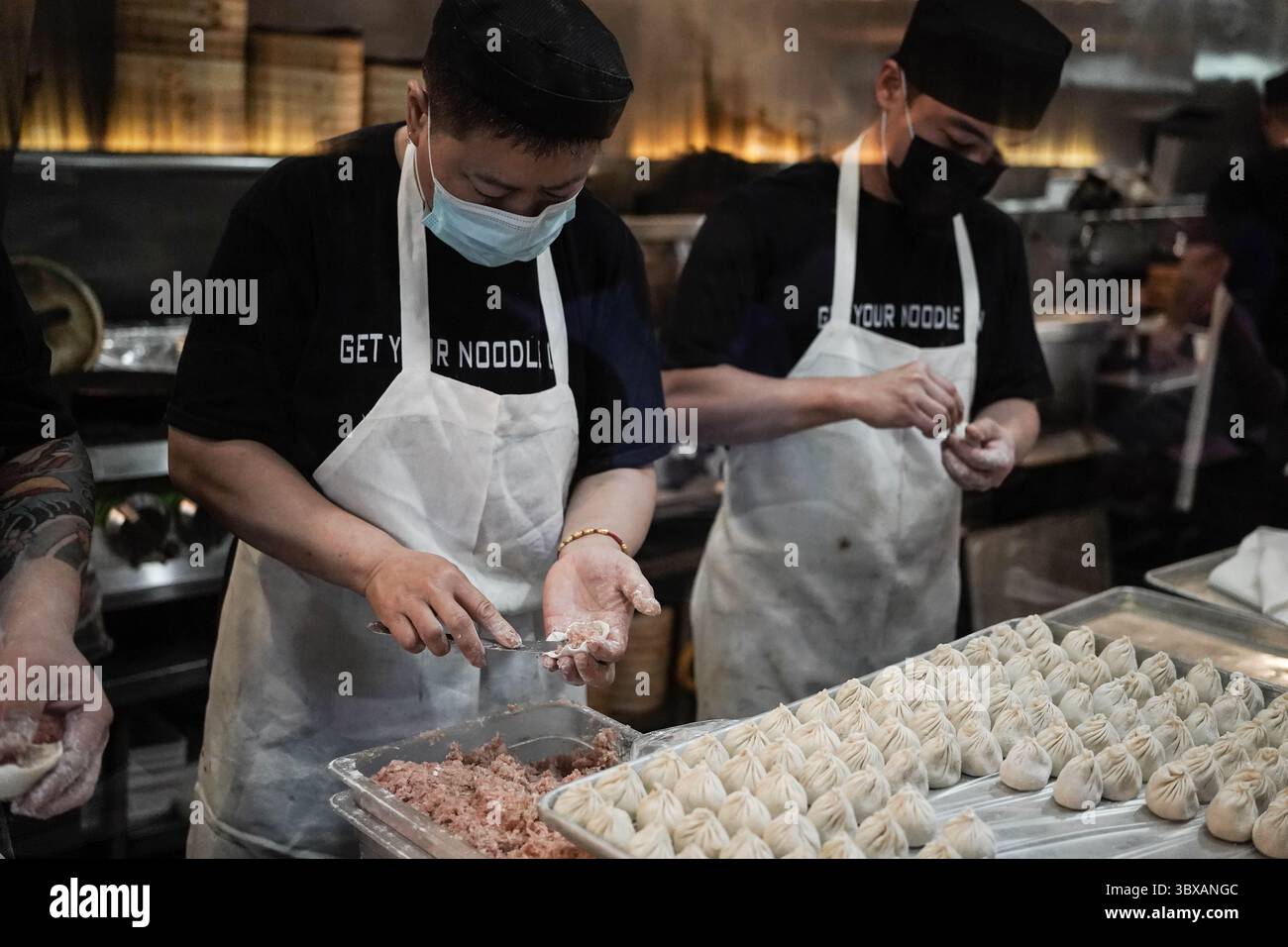
Have you ever wondered if chefs in the UK have to wear masks while working in the kitchen? Whether you’re a food lover, a restaurant owner, or just curious, this question matters more than you might think.
Masks can affect hygiene, safety, and even the way your favorite dishes are prepared. You’ll discover the latest rules and what they mean for kitchens across the UK. Keep reading to find out how mask-wearing impacts chefs—and what it means for your dining experience.
Mask Rules For Uk Chefs
Mask rules in UK kitchens vary and often change. Chefs must know the current rules to keep safe and follow the law. Wearing masks can protect both staff and customers. The rules depend on government guidelines and local laws. Understanding these rules helps maintain hygiene in busy kitchens.
Current Government Guidelines
The UK government does not require chefs to wear masks by law. Masks are optional in most kitchens. Employers may choose to enforce mask-wearing for safety. Staff should follow hygiene and safety standards carefully. Masks help reduce the spread of germs in close spaces.
Differences Across Regions
Rules differ between England, Scotland, Wales, and Northern Ireland. Scotland and Wales may have stricter mask advice for food workers. Local councils can set extra rules for restaurants. Chefs must check regional updates regularly. This ensures compliance with local health policies.
Impact Of Covid-19 On Kitchen Protocols
COVID-19 changed how kitchens operate. Mask-wearing became common to reduce virus spread. Many kitchens added hand sanitizers and cleaning routines. Staff now keep distance where possible during work. These changes aim to protect everyone in the kitchen.
Health And Safety Regulations
Health and safety regulations in UK kitchens are designed to protect both food handlers and customers. These rules ensure that food preparation areas remain clean and safe, reducing the risk of foodborne illnesses. Understanding these regulations helps you maintain a safe kitchen environment and know when wearing masks is necessary.
Food Hygiene Standards
The UK’s Food Standards Agency sets strict hygiene guidelines for all food businesses. Chefs must wash their hands regularly and keep their workstations spotless.
Wearing masks is not always mandatory under these standards but can be required in certain situations, especially if a chef is ill or working with vulnerable food items. Have you ever noticed a chef wearing a mask during busy service? This often signals extra caution to prevent contamination.
Workplace Safety Requirements
Health and safety laws also cover the overall safety of the kitchen environment. Employers must assess risks and provide protective equipment where needed.
If there is a risk of airborne contamination, such as during a pandemic or outbreaks, masks become part of the safety gear. This helps protect both staff and customers from airborne germs while working in close quarters.
Role Of Masks In Preventing Contamination
Masks act as a barrier to reduce the spread of saliva droplets that can carry bacteria or viruses. Chefs wearing masks lower the risk of contaminating food during preparation.
However, masks must be used correctly and changed regularly to be effective. Have you considered how a simple mask could make a big difference in kitchen hygiene, especially in crowded or high-risk environments?
Industry Practices And Recommendations
Chefs in the UK often follow hygiene rules that may include wearing masks during busy times. Masks help reduce the spread of germs and keep food safe. Local health guidelines usually decide if masks are required in kitchens.
Navigating the bustling kitchens of the UK, where the aroma of gourmet dishes mingles with the energy of passionate chefs, you might wonder about the necessity of wearing masks. While the pandemic has reshaped many aspects of our lives, its influence in professional kitchens has sparked a debate on hygiene and safety. Understanding industry practices and recommendations can help clarify whether masks are essential in these culinary environments.
Restaurant Chains Vs. Independent Kitchens
Restaurant chains often implement standardized policies across all their locations. This could mean mandatory mask-wearing for all staff, ensuring consistency and compliance with broader corporate guidelines. In contrast, independent kitchens have more flexibility. They might tailor their policies based on the local situation, staff preferences, or the layout of their kitchen. If you're dining out, you might notice these differences. In some places, chefs might be masked, while in others, they might not. It's a reflection of their unique approach to balancing safety and practicality.
Opinions From Food Safety Experts
Food safety experts generally advocate for high hygiene standards in the kitchen. Some recommend masks as an additional barrier to prevent contamination, aligning with broader food safety practices. Others, however, suggest that if proper hygiene and ventilation are maintained, masks might not be necessary. It's a nuanced perspective, emphasizing the importance of cleanliness over rigid rules. Have you ever considered how these expert opinions shape your dining experience? It's a delicate balance of safety and customer perception.
Employee Comfort And Practicality
For many chefs, comfort is crucial, especially during long shifts. Masks can be cumbersome, potentially affecting their efficiency and focus. Practicality plays a significant role too. In a heated kitchen, a mask might become a source of discomfort, impacting the chef's ability to perform. Imagine working in a high-pressure environment, where every second counts. Would a mask hinder or help? This is a real consideration for many culinary professionals.
Legal Consequences And Compliance
Understanding the legal consequences and compliance related to mask-wearing in UK kitchens is crucial for chefs and restaurant owners alike. The rules aren't just about safety—they carry real legal weight. Failing to comply can lead to serious repercussions that affect your business and your career.
Penalties For Non-compliance
Ignoring mask mandates in kitchen settings can result in fines or even prosecution. The exact penalty varies depending on the severity and frequency of the violation. For instance, a first-time offence might lead to a warning, but repeated non-compliance could bring substantial fines or closure orders.
Have you ever thought about how a simple oversight could jeopardize your entire kitchen operation? Staying updated on regulations helps you avoid costly mistakes.
Enforcement By Health Authorities
Health inspectors and local authorities actively monitor compliance during routine visits. They have the power to issue improvement notices or shut down premises that don’t meet health and safety standards. Their goal is to protect both staff and customers by ensuring kitchens follow hygiene protocols, including mask-wearing when required.
Imagine the impact on your business if an inspector finds your kitchen non-compliant. Would you be ready to face an unexpected closure or fine?
Employer Responsibilities
Employers must provide clear guidance and necessary equipment, such as masks, to their kitchen staff. They are responsible for training employees on safety rules and ensuring everyone follows them consistently. Neglecting these duties can lead to legal action against the business owner.
Are you confident that your workplace policies fully support your team’s safety and compliance? Taking proactive steps today can save you from legal headaches tomorrow.
Alternatives To Masks In Kitchens
Wearing masks in kitchens can sometimes feel restrictive, especially during long shifts. Luckily, there are practical alternatives that maintain safety without compromising comfort or communication. These options help keep your kitchen running smoothly while protecting both staff and customers.
Use Of Face Shields
Face shields provide a clear barrier that protects against droplets while allowing your face to remain visible. This can improve communication between chefs and waitstaff, reducing misunderstandings during busy service hours.
They are easier to breathe through compared to masks, which can be a relief in hot kitchen environments. However, it’s important to clean them regularly to keep them effective and hygienic.
Increased Hygiene Measures
Focusing on strict hygiene can reduce reliance on masks. This includes frequent hand washing, sanitising surfaces, and using gloves when handling food.
Encouraging staff to stay home when feeling unwell also plays a crucial role. You might find that these habits create a safer kitchen even without everyone wearing masks all the time.
Ventilation And Social Distancing
Good airflow helps disperse airborne particles, making the kitchen environment safer for everyone. Installing exhaust fans or opening windows can improve ventilation significantly.
Social distancing is more challenging in small kitchens, but rearranging workstations to keep chefs apart can reduce risk. Have you considered how your kitchen layout could be adjusted for better spacing?

Credit: www.gettyimages.co.uk
Frequently Asked Questions
Do Uk Chefs Have To Wear Masks In The Kitchen?
In the UK, chefs are not legally required to wear masks in kitchens. However, some restaurants may set their own mask policies to ensure safety. Mask rules depend on local COVID-19 guidelines and individual business decisions.
Are Masks Mandatory For Kitchen Staff In Uk Restaurants?
Masks are generally not mandatory for kitchen staff under UK law. Employers may encourage mask use to reduce virus spread. Staff should follow hygiene practices and local health advice to maintain safety.
Why Might Chefs Choose To Wear Masks In The Kitchen?
Chefs may wear masks to protect themselves and others from airborne illnesses. Masks help reduce contamination risk, especially in close or busy kitchen environments. Wearing masks can boost customer confidence in food safety.
How Do Uk Food Safety Rules Relate To Mask Wearing?
UK food safety regulations focus on hygiene, cleanliness, and contamination prevention. Masks are not explicitly required but can complement hygiene measures. Kitchens must maintain high cleanliness standards regardless of mask use.
Conclusion
Chefs in the UK wear masks mainly to keep food safe. Rules can change based on health advice and local laws. Many kitchens follow strict hygiene to stop germs spreading. Masks add one more layer of protection in busy kitchens.
Clean hands and surfaces matter just as much as masks. Staying careful helps protect both staff and customers. Remember, safety always comes first in any kitchen setting.