
Are you thinking about adding a toaster air fryer to your kitchen but worry it might make the room uncomfortably hot? You’re not alone.
Many people wonder if these handy appliances crank up the heat while cooking. Understanding how much warmth a toaster air fryer produces can help you decide if it’s the right fit for your space. Keep reading to discover the truth about toaster air fryers and kitchen temperature, so you can enjoy tasty meals without sweating over the stove.

Credit: www.amazon.com
How Toaster Air Fryers Work
Toaster air fryers combine two popular kitchen appliances into one. They use heat and air to cook food quickly and evenly. Understanding how they work helps explain their effect on kitchen temperature.
Heating Mechanism
Toaster air fryers use electric heating elements. These elements heat up rapidly to cook food. The heat is usually generated from the top or bottom. It can reach temperatures between 200 to 450 degrees Fahrenheit. This heat cooks the food by transferring warmth directly to its surface.
The heating element stays inside the appliance. It does not release heat outside except through the air circulation. This helps keep the kitchen cooler than traditional ovens.
Air Circulation System
A powerful fan circulates hot air inside the toaster air fryer. This airflow moves heat evenly around the food. It creates a crispy texture without deep frying.
The air circulation keeps heat contained within the cooking chamber. It minimizes heat escape into the kitchen. This design helps reduce the rise in room temperature. Cool air enters while hot air circulates in a closed loop.

Credit: www.cuisinart.com
Heat Emission Compared To Other Appliances
Understanding how much heat a toaster air fryer releases into your kitchen can help you decide if it’s the right appliance for your space. Heat emission varies widely between kitchen devices, affecting comfort and even energy use. Let’s compare toaster air fryers with other common appliances to see how they stack up.
Versus Conventional Ovens
Conventional ovens tend to release a significant amount of heat into your kitchen because they use larger heating elements and longer cooking times. If you’ve ever baked a batch of cookies on a hot summer day, you know how much the kitchen temperature can rise.
Toaster air fryers, on the other hand, use more compact heating elements and circulate hot air quickly, which limits the overall heat spread. While they do emit some warmth, it’s usually less intense and more localized around the appliance.
Have you noticed how your oven can make your kitchen feel like a sauna? A toaster air fryer might be a better choice if you want to keep your cooking area cooler, especially in small or poorly ventilated spaces.
Versus Standalone Air Fryers
Standalone air fryers are designed specifically for air frying and often have better insulation compared to toaster air fryers. This means they tend to release even less heat into the surrounding area.
Since toaster air fryers combine the functions of a toaster oven and air fryer, they might generate slightly more ambient heat because of their size and multiple heating elements. However, this difference is usually minor and depends on the model.
One practical tip: if keeping your kitchen cool is a priority, consider the wattage and insulation quality of the appliance before buying. Does your current air fryer or toaster oven feel hot to the touch during use? That’s a clue about heat emission you shouldn’t ignore.
Factors Affecting Kitchen Temperature
Toaster air fryers release some heat but usually do not raise kitchen temperature much. Kitchen size, ventilation, and appliance use also affect room warmth. Small spaces with poor airflow may feel warmer during cooking.
Factors Affecting Kitchen Temperature Toaster air fryers are popular for their convenience. Yet, they may affect kitchen temperature. Understanding these factors can help maintain comfort while using them.
Appliance Size And Power
The size of the toaster air fryer matters. Larger models generate more heat. They have bigger heating elements. More power usually means more heat output. Compact models might produce less heat. Choose the right size for your needs. Consider your kitchen's space and layout. Larger units can warm a small kitchen quickly.
Duration Of Use
How long you use the air fryer affects heat. Short usage might not change the room's temperature much. Extended cooking can raise it noticeably. Frequent use throughout the day adds up. Plan cooking times wisely. This can prevent an uncomfortable environment.
Kitchen Ventilation
Good ventilation plays a crucial role. Proper airflow can reduce heat buildup. Open windows or use exhaust fans. Air circulation helps maintain a stable temperature. Poor ventilation can make the kitchen feel hotter. Ensure vents are not blocked. Regularly check and clean them for efficiency.

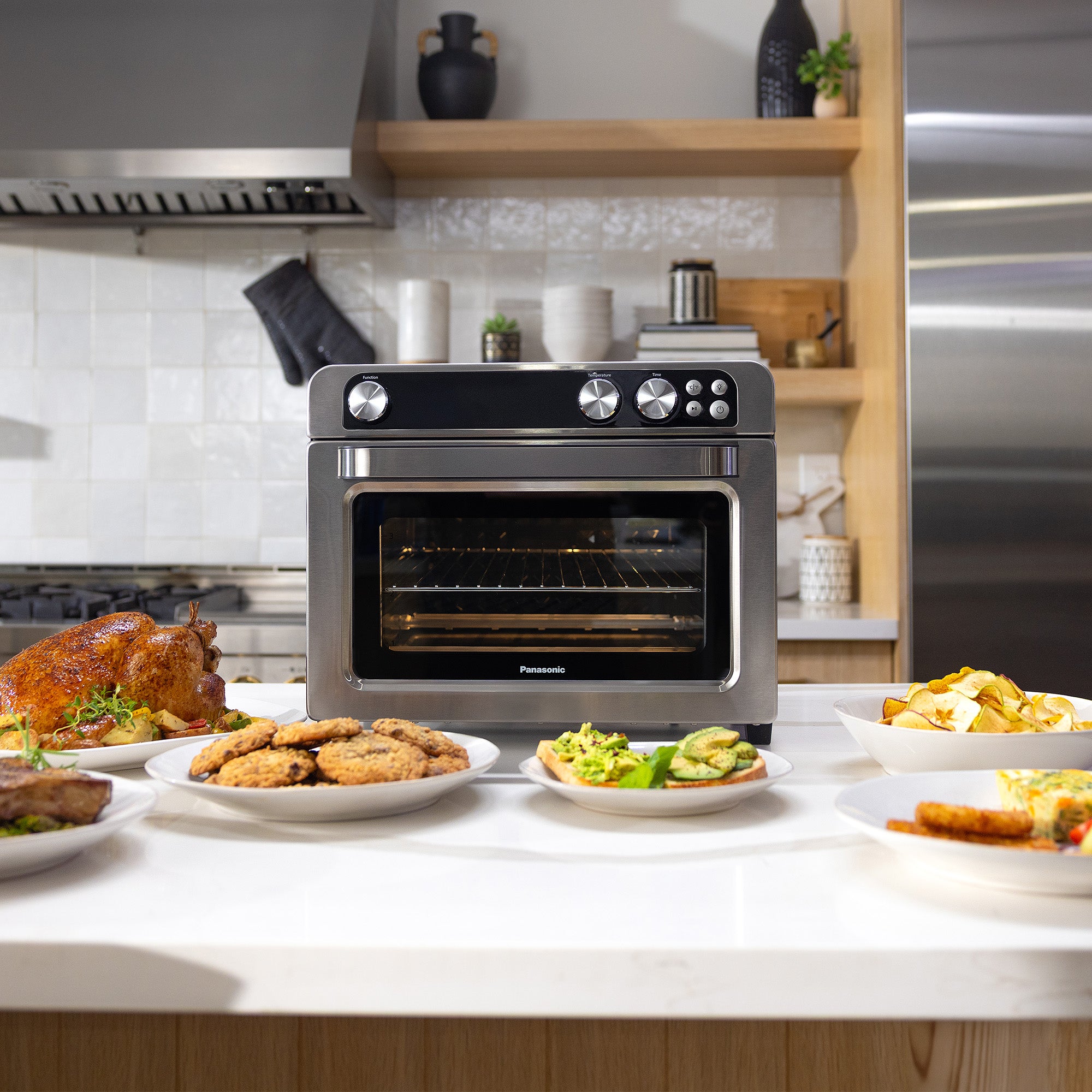
Credit: shop.panasonic.com
Common Misconceptions About Heat Output
Many people worry that toaster air fryers will turn their kitchen into a hot, uncomfortable space. This concern often stems from common misconceptions about how much heat these appliances actually produce. Understanding the real heat output can help you decide if a toaster air fryer fits your cooking habits and kitchen setup.
Perceived Vs Actual Heat
It’s easy to assume that because toaster air fryers use high heat to cook food quickly, they must heat up the entire kitchen. But the heat they generate is mostly contained inside the unit. The external surface of a well-designed toaster air fryer stays relatively cool to the touch.
In fact, many users report that their kitchens don’t feel noticeably warmer while using the appliance. The heat you feel comes mainly from the hot air circulating inside the fryer, not from heat escaping into your room. Have you noticed how a microwave doesn’t heat your kitchen much, even though it cooks food fast? A toaster air fryer works in a similar way.
Role Of Appliance Placement
Where you place your toaster air fryer makes a big difference in how much heat you feel. Placing it near a drafty window or an open door can help dissipate any minimal heat that escapes. But if it’s tucked into a small, enclosed space with poor ventilation, you might notice some warmth building up.
Think about your kitchen layout. Is there good airflow around your cooking appliances? You can reduce heat buildup by keeping the air fryer on a countertop with plenty of space around it. This simple step can prevent heat from lingering and keep your kitchen comfortable.
Tips To Minimize Heat Build-up
Managing heat build-up from your toaster air fryer is key to keeping your kitchen comfortable and safe. Small changes in how you arrange your space, use ventilation, and set your appliance can make a big difference. Let’s look at some practical tips to help you minimize heat and enjoy cooking without the extra sweat.
Optimizing Kitchen Layout
Place your toaster air fryer away from walls and cabinets to allow heat to disperse freely. Leaving at least 4 inches of space around the appliance helps air circulate and prevents heat from getting trapped.
Consider setting up a dedicated cooking zone with heat-resistant surfaces nearby. This setup reduces the risk of heat damage and keeps your workspace organized and cool.
Using Ventilation Effectively
Open windows or use exhaust fans while cooking to push hot air out of your kitchen. Even a small fan directed near the air fryer can help move heat away quickly.
If your kitchen lacks good airflow, try placing a portable fan near the appliance to improve air circulation. Have you noticed how quickly the temperature drops with just a bit of extra ventilation?
Choosing The Right Appliance Settings
Adjust the temperature and cooking time to avoid overheating. Many recipes work well at slightly lower temperatures, which reduces the amount of heat released into your kitchen.
Using presets designed for your specific air fryer model can also keep heat output efficient. Experiment with settings to find a balance between perfect cooking and cooler kitchen conditions.
When Heat Becomes A Concern
Toaster air fryers generate heat during cooking. This heat can raise the temperature of your kitchen. In some cases, the extra warmth may cause discomfort. Understanding when heat becomes a concern helps maintain a comfortable cooking space.
Small Or Poorly Ventilated Kitchens
Small kitchens trap heat quickly. Limited airflow prevents hot air from escaping. This buildup can make the room feel stuffy and warm. Without proper ventilation, the heat from a toaster air fryer adds to the problem.
Windows and exhaust fans help reduce heat. Using them while cooking keeps air moving. This lowers the risk of overheating in tight spaces.
Extended Cooking Sessions
Long cooking times increase kitchen temperature. Running a toaster air fryer for hours generates steady heat. The longer it runs, the hotter the kitchen becomes.
Taking breaks between cooking sessions allows heat to dissipate. This keeps your kitchen cooler and more comfortable. Monitoring cooking time helps control the temperature rise.
Frequently Asked Questions
Do Toaster Air Fryers Make Kitchens Hotter?
Toaster air fryers do emit some heat, but usually not enough to significantly heat a kitchen. Their compact design focuses heat internally. Proper ventilation helps minimize any temperature rise.
How Much Heat Does A Toaster Air Fryer Produce?
A toaster air fryer produces moderate heat while cooking. It uses rapid hot air circulation inside, but external heat release is minimal. This keeps kitchen temperatures mostly stable during use.
Can Toaster Air Fryers Raise Room Temperature Noticeably?
In small or poorly ventilated rooms, some heat buildup may be noticeable. However, most kitchens remain comfortable since toaster air fryers are energy efficient and vent heat internally.
Are Toaster Air Fryers Better Than Ovens For Kitchen Heat?
Yes, toaster air fryers generally produce less ambient heat than conventional ovens. Their compact size and focused heating help keep kitchens cooler during cooking.
Conclusion
Toaster air fryers do produce some heat but usually not much. They warm the kitchen less than traditional ovens. Using them wisely keeps your space comfortable. Small kitchens might feel a bit warmer during cooking. Ventilation helps reduce any extra heat inside.
Overall, they offer quick cooking without heating your whole room. Perfect for easy meals without overheating your kitchen.