
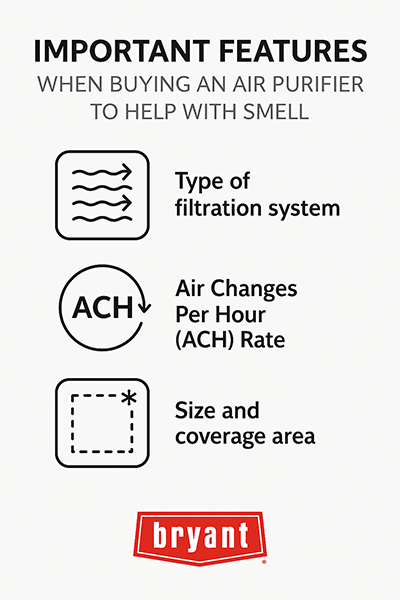
Have you ever cooked a delicious meal only to be stuck with stubborn kitchen smells hours later? Those lingering odors can make your whole home feel less fresh and inviting.
You might wonder if an air purifier can really help clear out those smells and keep your kitchen smelling clean. You’ll discover how air purifiers work, whether they’re effective against kitchen odors, and what you can do to breathe easier in your own space.
Keep reading to find out how to make your kitchen smell fresh again—without endless scrubbing or harsh chemicals.

Credit: www.independent.co.uk
How Kitchen Smells Develop
Kitchen smells start when food cooks or spoils. Heat releases tiny particles into the air. These particles carry strong scents. Some smells are pleasant, like baking bread. Others can be sharp or sour. Over time, these odors mix and settle on surfaces. This creates lasting smells that can be hard to remove.
Common Odors In Kitchens
- Burnt food from frying or grilling
- Strong spices like garlic and onion
- Fish and seafood smells
- Leftover food that spoils
- Garbage and trash odors
- Cleaning products and chemicals
Sources Of Lingering Smells
- Cooking oils that stay on pans and counters
- Cloth items like dish towels and curtains
- Trash bins and compost containers
- Refrigerators and drains
- Air circulation that spreads smells throughout the room
Air Purifiers And Odor Removal
Air purifiers can be a game-changer when it comes to tackling stubborn kitchen smells. They don’t just circulate air; they actively remove odors, making your cooking space more pleasant. But how exactly do these devices handle odors, and what types are best suited for your kitchen?
Types Of Air Purifiers
Not all air purifiers are created equal, especially when it comes to odor removal. Here are the main types you might find:
- Activated Carbon Air Purifiers:These use carbon filters that trap and absorb odor-causing particles.
- HEPA Air Purifiers:While excellent for dust and allergens, HEPA filters alone don’t remove odors effectively.
- Ozone Generators:These break down odor molecules but can produce harmful ozone, so they should be used cautiously.
- UV Light Purifiers:They kill bacteria and viruses but have limited impact on odors.
Understanding the differences helps you choose the right purifier for your kitchen’s specific smells.
How They Work Against Odors
Air purifiers combat odors mainly by capturing or neutralizing odor molecules. Activated carbon filters excel here because they have tiny pores that trap gases and volatile compounds.
Imagine cooking garlic or fish—the smell lingers because of tiny particles floating in the air. Activated carbon traps these particles, reducing the smell you notice.
Some purifiers combine HEPA and carbon filters to handle both particles and odors. This combo is often more effective in a busy kitchen environment.
Have you ever noticed how a room feels fresher after running an air purifier? That’s the purifier pulling in smelly air, cleaning it, and releasing cleaner air back.
Choosing an air purifier with the right filter type can make a big difference in keeping your kitchen smelling fresh. Think about what kind of odors you deal with most, and pick a purifier designed to target those specifically.
Effectiveness Of Air Purifiers In Kitchens
Have you ever walked into your kitchen and been overwhelmed by the lingering scent of last night's dinner? Air purifiers can be your best friend in tackling those persistent kitchen odors. They work by filtering out tiny particles and gases, effectively neutralizing unpleasant smells. But how effective are they really in a kitchen environment?
Limitations In Cooking Environments
While air purifiers are powerful, they do have their limitations in a busy kitchen. Cooking generates smoke, grease, and strong odors, which can be a challenge for even the best air purifiers. Units with HEPA filters excel at removing smoke and particulate matter but might struggle with gases and volatile organic compounds (VOCs) without an activated carbon filter.
Also, air purifiers may not immediately eliminate odors from pungent foods like fish or garlic. For best results, ensure your purifier is appropriately sized for your kitchen and positioned strategically to maximize airflow.
Success Stories And Studies
Many households have found that air purifiers make a noticeable difference in kitchen air quality. A friend of mine swears by her air purifier to keep her open-plan kitchen smelling fresh after cooking her favorite spicy dishes. She noticed fewer lingering odors and cleaner air within days of using it.
Scientific studies support these claims, showing that air purifiers can significantly reduce particulates and odors in indoor environments. Research indicates that combining HEPA and activated carbon filters is particularly effective in tackling kitchen smells.
Have you considered how an air purifier could change your cooking experience? Imagine enjoying your meals without the aftereffects of lingering odors. Investing in an air purifier might just be the fresh start your kitchen needs.
Alternative Solutions For Kitchen Smell
Dealing with kitchen smells can be frustrating, especially when air purifiers alone don’t fully clear the air. Luckily, there are several practical alternatives you can try to keep your kitchen smelling fresh. These solutions focus on removing odors at their source and improving air circulation around your cooking space.
Ventilation And Exhaust Fans
Good ventilation is key to controlling kitchen odors. Installing an exhaust fan above your stove can quickly remove smoke, steam, and smells before they spread through your home.
If you don’t have a built-in fan, opening windows and doors while cooking helps create airflow and pushes odors outside. Have you ever noticed how a quick breeze can make a room feel instantly fresher?
Regularly cleaning your fans and vents also keeps them working efficiently, preventing grease buildup that traps smells.
Natural Odor Absorbers
Natural odor absorbers work quietly but effectively in your kitchen. Bowls of baking soda or activated charcoal placed around the room can soak up unwanted smells.
Try simmering citrus peels or herbs like rosemary and mint on the stove; they add a pleasant scent while neutralizing odors.
Have you ever used coffee grounds to absorb smells? Placing dry coffee grounds in a small dish can reduce lingering kitchen odors surprisingly well.
Cleaning Tips To Reduce Smells
Cleanliness directly impacts how your kitchen smells. Wiping down countertops, stovetops, and sinks right after cooking prevents residue from turning into odors.
Don’t forget to regularly empty trash bins and clean your garbage disposal. Food scraps left behind are a common source of bad smells.
- Use vinegar to wipe cutting boards and counters to kill odor-causing bacteria.
- Wash dishcloths and sponges frequently—they often harbor smells.
- Clean your refrigerator regularly to avoid spoiled food odors.
When you stay on top of these tasks, your kitchen will smell cleaner and fresher, making air purifiers even more effective.
Combining Air Purifiers With Other Methods
Using an air purifier alone might not completely solve persistent kitchen smells. Combining it with other methods can create a much fresher and more pleasant kitchen atmosphere. Let’s look at practical ways to enhance the effectiveness of your air purifier and keep your kitchen smelling clean.
Creating A Fresh Kitchen Atmosphere
Ventilation plays a huge role in managing kitchen odors. Opening windows or using an exhaust fan during and after cooking helps remove strong smells quickly. You can also place natural odor absorbers like bowls of baking soda or activated charcoal around your kitchen to trap lingering odors.
Adding some houseplants known for air purification, such as spider plants or peace lilies, can subtly freshen the air. These plants absorb certain volatile organic compounds, supporting your air purifier’s work. Have you ever noticed how a simple window breeze combined with an air purifier makes a room feel instantly refreshed?
Maintenance For Best Results
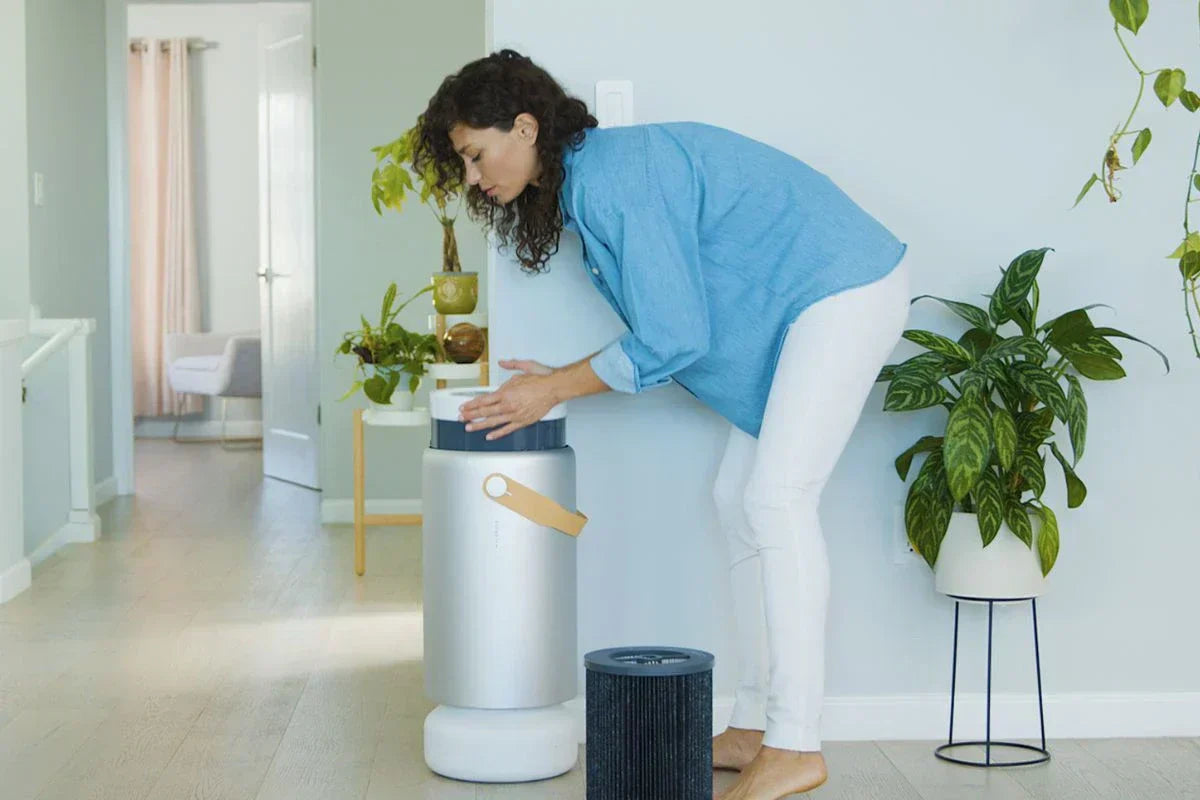
Your air purifier needs regular care to work at its best. Check and replace filters according to the manufacturer’s instructions—dirty filters reduce efficiency and can even spread odors. Wiping down the purifier’s exterior and keeping the surrounding area clean prevents dust buildup that can affect performance.
Don’t forget to keep your kitchen itself clean. Regularly empty trash bins, clean cooking surfaces, and avoid letting food scraps sit out. These small actions reduce the amount of odor-causing particles in the air, making your purifier’s job easier and more effective.

Credit: www.nnio.asia
Credit: molekule.com
Frequently Asked Questions
Can Air Purifiers Remove Strong Kitchen Odors Effectively?
Yes, air purifiers with activated carbon filters can absorb strong kitchen odors. They trap smoke, grease, and cooking smells, improving air quality significantly.
How Do Air Purifiers Work Against Kitchen Smells?
Air purifiers use filters like HEPA and activated carbon to capture particles and neutralize odors. This process reduces lingering kitchen smells efficiently.
Are Air Purifiers Better Than Ventilation For Kitchen Smells?
Air purifiers complement ventilation but don’t replace it. Ventilation removes odors directly, while purifiers clean the air inside, enhancing freshness.
Which Filter Type Is Best For Kitchen Odor Removal?
Activated carbon filters are best for kitchen odors. They absorb gases and volatile organic compounds (VOCs) from cooking smells effectively.
Conclusion
An air purifier can reduce kitchen smells effectively. It removes smoke, grease, and odor particles in the air. This helps keep your kitchen fresh and clean. Choosing the right purifier matters for best results. Regular cleaning and ventilation also improve air quality.
Combine these steps for a pleasant kitchen environment. Fresh air makes cooking and dining more enjoyable. Try an air purifier to see the difference yourself.