
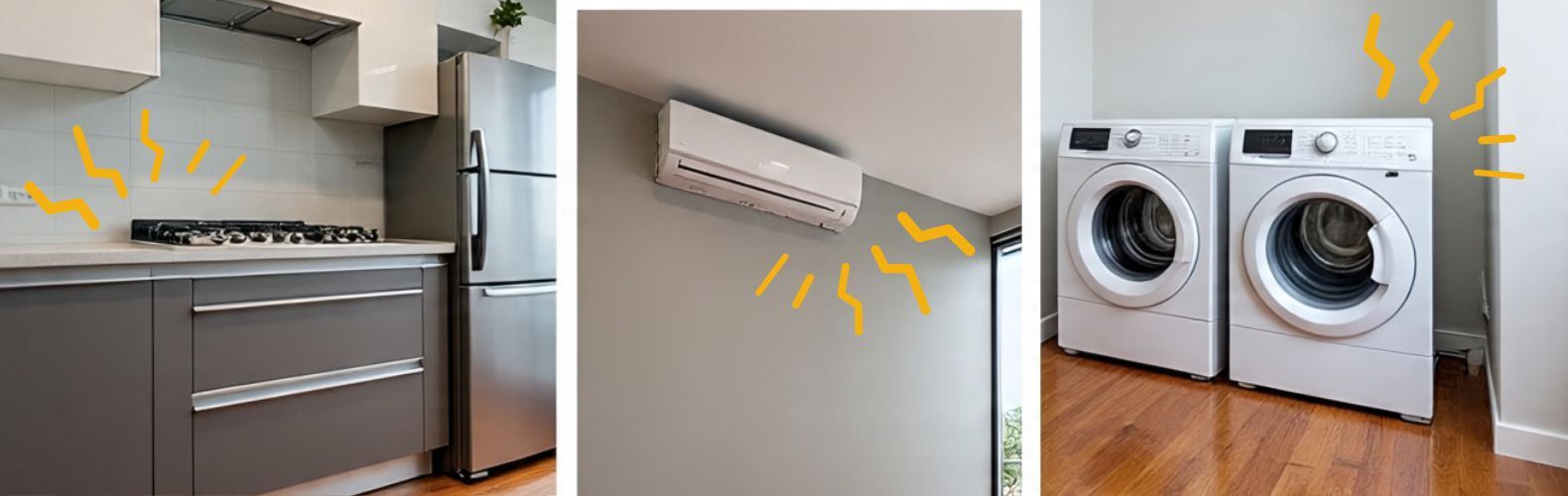
Have you ever wondered if your contents insurance protects your kitchen units? Your kitchen is often the heart of your home, filled with valuable items and fixtures that make daily life easier.
But what happens if something goes wrong—like water damage, fire, or theft? Knowing whether your insurance covers those kitchen units can save you from unexpected costs and stress. You’ll discover exactly what’s included in your contents insurance and what you might need to do to ensure your kitchen is fully protected.
Keep reading to avoid costly surprises and make confident decisions about your home insurance.
What Contents Insurance Covers
Understanding what contents insurance actually covers can save you a lot of headaches, especially when it comes to items like kitchen units. Many people assume all parts of their home’s interior are protected, but the reality is more nuanced. Knowing the details helps you make better decisions about your policy and avoid unexpected gaps in coverage.
Typical Items Protected
Contents insurance usually protects belongings inside your home that you can move or replace. This includes furniture, electronics, clothing, and kitchen appliances. However, fixed items like kitchen units often fall into a gray area.
Your policy likely covers removable items like a microwave or toaster, but built-in cabinets and kitchen units may not be automatically protected. Some policies might cover them if they are damaged by covered events such as fire or flood, but it’s important to check your specific terms.
Limits And Exclusions
Insurance policies often set limits on the value of certain items or categories. High-value goods might need additional coverage or separate policies. Kitchen units, being part of the property’s fixtures, can be excluded or only covered under buildings insurance rather than contents insurance.
Have you ever assumed your kitchen cabinets were covered, only to find out after damage that they weren’t? This is common because many people don’t realize the difference between contents and buildings insurance. Always read the fine print to see if kitchen units are listed under exclusions or require extra add-ons.

Credit: smartapple.us
Are Kitchen Units Included?
Understanding whether kitchen units are covered under contents insurance helps protect your home investment. Many people assume all kitchen parts are included, but coverage often depends on specific policy details. Knowing what counts as kitchen units and how policies vary clarifies your protection level.
Definition Of Kitchen Units
Kitchen units are the cabinets and cupboards fixed to walls or floors. They store kitchen items like dishes, pots, and food. These units are usually built-in, made of wood or composite materials. They include doors, drawers, and shelves. Kitchen appliances like fridges and ovens are separate and not part of kitchen units.
Policy Variations
Contents insurance policies differ in what they cover. Some include kitchen units as part of your contents. Others exclude built-in units, seeing them as part of the building structure. Coverage may depend on whether the units are permanently fixed or movable. Check your policy terms carefully for specific details.
Some policies list exclusions or limits on kitchen units. You might need extra coverage for high-value units or custom installations. Understanding these variations helps avoid surprises during claims. Always ask your insurer about kitchen unit coverage before buying a policy.
Common Damage Scenarios
Kitchen units often face various types of damage. Understanding common damage scenarios helps clarify what contents insurance may cover. Knowing this helps protect your home and avoid surprises during claims.
Accidental Damage
Accidental damage includes bumps, knocks, and spills. Dropping a heavy pot can chip a cabinet door. Cleaning products spilled on surfaces may cause stains or warping. Some insurance policies cover these accidental incidents. Check your policy for specific details on accidental damage.
Fire And Water Damage
Fire can cause severe burns or melting on kitchen units. Smoke may also leave lasting stains and odors. Water damage happens through leaks or floods. Water can swell wood or cause mold growth. Contents insurance often covers fire and water damage. The cause of damage must be sudden and accidental.
Theft And Vandalism
Kitchen units can get damaged during a break-in. Thieves may break doors or drawers to access valuables. Vandals might scratch or smash units without stealing anything. Insurance policies usually cover damage caused by theft or vandalism. Proof of forced entry is often required for claims.
When To Consider Additional Coverage
Contents insurance often covers kitchen units, but not always in full. Standard policies may only cover basic elements. For more detailed coverage, consider additional options. Especially if you have custom or high-value units. Assess your current policy to identify gaps. This helps protect your investment effectively.
Extended Protection Options
Consider extended protection for unique kitchen features. Some insurers offer add-ons for high-value items. These may include bespoke cabinets or luxury countertops. Check if your policy covers accidental damage. This can be crucial for kitchen units. Many policies exclude wear and tear. Understanding these exclusions is important.
Customizing Your Policy
Customizing your policy ensures complete coverage. Speak with your insurer about your specific needs. You might need coverage for custom-built units. Adjusting your policy can provide peace of mind. It can also save money in the long run. Always review your policy annually. This keeps your coverage up to date.
Making A Successful Claim
Making a successful claim on your contents insurance for damaged kitchen units requires careful attention to detail and a clear understanding of the process. Your ability to provide accurate information and follow the insurer’s guidelines can make a big difference in how smoothly your claim is handled. Let’s look at practical steps you can take to increase your chances of approval and quick compensation.
Documenting Damage
Start by taking clear photos of the damaged kitchen units from multiple angles. Use good lighting to highlight cracks, dents, or water damage clearly. Videos can also be helpful to show the extent of the problem.
Write down a detailed description of the damage, including when and how it happened. Keep receipts or invoices for the original kitchen units if you have them. This proof helps establish the value and legitimacy of your claim.
Remember, your insurer may send an assessor to inspect the damage. Having thorough documentation ready can support your case and reduce delays.
Claim Process Tips
- Notify your insurer quickly.Don’t wait too long after discovering the damage to report it. Early notification can prevent complications.
- Be honest and precise.Provide factual information without exaggeration. Misleading details can lead to claim denial.
- Keep a record of all communications.Save emails, letters, and notes from phone calls with your insurer.
- Ask questions.If any part of the claim process confuses you, reach out for clarification. Understanding your policy’s terms can prevent surprises.
Have you ever felt stuck during an insurance claim? Taking control by documenting everything and staying proactive often turns the situation around. What small detail might you overlook that could affect your claim?
Cost Factors For Kitchen Unit Coverage
Understanding the cost factors for kitchen unit coverage can help you make smarter decisions about your contents insurance. Kitchen units vary widely in style, materials, and installation quality, all of which influence how much your insurer will charge. Knowing what drives these costs lets you tailor your coverage to fit your budget without sacrificing protection.
Impact On Premiums
Your insurance premium can rise or fall based on the type and value of your kitchen units. High-end materials like solid wood or custom cabinetry usually increase the premium because they cost more to replace. On the other hand, standard or flat-pack kitchen units often lead to lower premiums.
Location also plays a role. If you live in an area prone to theft or damage, your premium might be higher regardless of your kitchen’s style. Have you ever wondered why two similar homes have different insurance costs? This is a key reason.
Some insurers add extra charges if your kitchen units have unique features such as built-in appliances or intricate designs. It’s worth asking your provider about these specifics to avoid surprises on your bill.
Valuation Methods
How your kitchen units are valued affects your coverage amount and premium. Most insurers use either the replacement cost method or the market value method. Replacement cost covers the price of buying new units of similar quality, while market value considers depreciation.
Replacement cost valuation usually means higher premiums but better protection, especially if your kitchen units are expensive. Market value valuation may save money upfront but could leave you underinsured if your units are older or custom-made.
Think about how you would replace your kitchen units after damage. Would you want brand-new, high-quality replacements, or are you okay with second-hand or simpler alternatives? Your answer should guide your choice of valuation method.
Alternatives To Contents Insurance
Alternatives to contents insurance can provide different types of coverage for your kitchen units. Some options focus on both your home and belongings. Others specifically cover kitchen fixtures and fittings. Understanding these alternatives helps you make the right choice.
Home Insurance Vs. Contents Insurance
Home insurance mainly protects the building structure. It covers walls, roofs, and permanent fixtures like built-in kitchen units. Contents insurance covers your personal belongings inside the home. This includes furniture, electronics, and loose items.
Kitchen units are often part of the building. They fall under home insurance, not contents insurance. Check your home insurance policy to confirm if kitchen units are covered. Some policies include accidental damage or theft of fixtures. Others may need extra cover or add-ons.
Specialist Kitchen Insurance
Specialist kitchen insurance focuses on kitchen units and appliances. It offers protection beyond standard policies. This insurance covers repairs or replacements for built-in units. It may also cover damage from water leaks or fire.
These policies suit homeowners with expensive or custom kitchen units. They often cover accidental damage and wear and tear. Some plans include cover for kitchen appliances and worktops too. Specialist kitchen insurance gives peace of mind for costly kitchen investments.

Credit: www.adrianflux.co.uk
Credit: www.alpina.nl
Frequently Asked Questions
Does Contents Insurance Cover Kitchen Units?
Contents insurance usually covers kitchen units if they are detachable and considered personal property. Built-in units may not be included. Check your policy details to confirm coverage and any specific exclusions related to kitchen fixtures.
Are Fitted Kitchen Units Included In Contents Insurance?
Fitted kitchen units are often excluded from contents insurance. They are typically part of the building structure and covered under buildings insurance. Verify your policy to understand if fitted units require separate coverage.
What Damages To Kitchen Units Does Contents Insurance Cover?
Contents insurance covers damage from fire, theft, vandalism, or accidental damage to kitchen units. Water damage may be covered depending on the policy. Always review your insurance terms for precise coverage details.
Can I Insure Kitchen Units Separately Under Contents Insurance?
Some insurers allow separate coverage for kitchen units under contents insurance. This option may require an additional premium. Contact your insurer to discuss options for insuring kitchen units specifically.
Conclusion
Contents insurance usually covers kitchen units if damage happens suddenly. Wear and tear or poor fitting are not covered. Check your policy details carefully for exact coverage. Keep receipts and photos of your kitchen units for claims. Knowing what is covered helps avoid surprises later.
Protect your home by understanding your insurance well. Stay informed and prepared for any kitchen mishaps. This way, you can handle repairs with less stress. Always ask your insurer about kitchen unit coverage before buying.