
Have you ever wondered how long your kitchen blender will really last? Whether you use it daily for smoothies or just occasionally for sauces, knowing the lifespan of your blender can save you money and frustration.
Imagine your blender breaking down right when you need it most—frustrating, right? You’ll discover the key factors that affect your blender’s durability and learn simple tips to make yours last longer. Keep reading to protect your investment and keep your kitchen running smoothly.

Credit: www.wired.com
Blender Lifespan Factors
The lifespan of a kitchen blender depends on several important factors. These factors influence how long the blender will work well and stay reliable. Understanding them helps choose the right blender and keep it running longer.
Build Quality And Materials
Blenders made with strong materials last longer. Metal blades and a sturdy motor stand up to heavy use. Plastic parts can wear out faster. A well-built blender resists breaks and damage over time.
Frequency Of Use
Blenders used daily wear out faster than those used occasionally. The motor and blades experience more stress with frequent use. Light use means less strain, so the blender lasts longer.
Maintenance And Care
Regular cleaning prevents food buildup, which can harm the blender. Proper storage keeps parts safe from damage. Replacing worn parts helps maintain performance. Good care extends the blender’s life.
Brand Reputation
Trusted brands often produce blenders that last longer. They use quality parts and have better designs. Checking reviews and ratings helps find reliable blenders. A good brand means better support and durability.
:max_bytes(150000):strip_icc()/faw-blender-sep-24-test-vitamix-explorian-310-rkilgore-1140-1-1b7741df57004b8d8c2221b29a81c92c.jpeg)
Credit: www.foodandwine.com
Average Lifespan By Blender Type
When investing in a kitchen blender, you're likely hoping it will serve you for many years. But how long can you realistically expect it to last? The lifespan of a blender often depends on its type, usage, and quality. Let's dive into the average lifespan of different blender types to help you make a wise choice for your kitchen.
Countertop Blenders
Countertop blenders are the workhorses of the kitchen, often used for a variety of tasks from making smoothies to crushing ice. On average, a good-quality countertop blender can last anywhere from 5 to 10 years. This depends largely on the brand, frequency of use, and how well you maintain it.
Think about how often you blend your favorite smoothies or soups. If you're a daily user, investing in a high-end model with a robust motor might be wise. Regular cleaning and not overloading the blender can extend its life significantly. Have you considered how much wear and tear your blender endures over time?
Personal Blenders
Personal blenders, often used for single servings, have become increasingly popular. These compact blenders typically have a lifespan of 3 to 5 years. They are designed for quick and easy blending, perfect for those on the go.
Using them for their intended purpose, like blending soft fruits or yogurt, can help maximize their lifespan. Have you ever tried using your personal blender for tougher tasks? It might shorten its lifespan. Proper care and use will ensure it remains your trusty kitchen companion for years.
Immersion Blenders
Immersion blenders, or stick blenders, are versatile tools used directly in pots and pans. Their average lifespan ranges from 3 to 8 years. These blenders are perfect for blending soups or sauces without transferring them to another container.
Consider how often you reach for your immersion blender. Frequent use and proper cleaning are key to maintaining its longevity. Are you keeping your blender's blade sharp? Regular maintenance can prevent it from becoming dull and extend its usability.
By understanding the average lifespan of these blender types, you can make informed decisions about purchasing and maintaining these essential kitchen gadgets. How will you ensure your blender stands the test of time?
Signs Of Blender Wear
Noticing the signs of wear in your kitchen blender early can save you from unexpected breakdowns and costly replacements. Blenders go through a lot of stress, especially if you use them frequently. Paying attention to subtle changes in performance helps you decide when it’s time for maintenance or a new machine.
Motor Performance Decline
Has your blender started struggling with tasks it handled easily before? A decline in motor power means it takes longer to blend or can’t process tougher ingredients anymore. This often happens because the motor windings wear out or the brushes inside lose contact.
If you find yourself pushing the blender to finish a job or it stops mid-cycle, these are clear signs your motor is weakening. Ignoring this might lead to complete motor failure, leaving you without your blender when you need it most.
Blade Dullness And Damage
Blades that aren’t sharp affect the texture of your blends and increase the load on the motor. Over time, blades can get dull or bent from blending hard ingredients like ice or nuts. You might notice uneven chopping or more chunks left behind in smoothies.
Check your blades regularly for nicks or bends. Replacing or sharpening them can extend the life of your blender and improve its efficiency. Have you ever tried blending after a blade replacement? The difference is often surprising.
Unusual Noises
Strange sounds coming from your blender aren’t just annoying; they signal mechanical issues. Grinding, rattling, or squeaking noises can mean loose parts, worn-out bearings, or damaged gears. These sounds usually precede bigger problems.
Pay close attention when your blender’s noise changes. It’s a good idea to stop using it until you identify the cause or get it inspected. Have you ever ignored these sounds and faced a costly repair later?
Overheating Issues
If your blender feels hot to touch or shuts off abruptly, it might be overheating. Overheating can result from motor strain, poor ventilation, or electrical faults. This not only damages the motor but can also be a safety risk.
Try blending smaller batches and give your blender breaks between uses. If overheating persists, it’s a sign to get it checked or consider replacing the unit. What’s your experience with managing overheating during heavy kitchen tasks?
Extending Blender Longevity
Extending the life of your kitchen blender helps save money and reduces waste. Simple care habits keep your blender running smoothly for years. Small efforts like cleaning and proper use prevent damage.
Following good practices also improves blender performance. A well-maintained blender blends ingredients more efficiently. It avoids breakdowns and costly repairs.
Proper Cleaning Techniques
Clean your blender after each use to stop buildup. Use warm soapy water and a soft sponge. Avoid harsh scrubbers that can scratch the jar.
Rinse all parts well to remove food residue. Dry the parts fully before reassembling. This prevents mold and unpleasant odors.
Avoiding Overloads
Do not fill the blender beyond its maximum capacity. Overloading strains the motor and blades. Blend in smaller batches for best results.
Avoid blending very hard items like ice or nuts continuously. Use pulse mode for tough ingredients. Let the motor rest between uses.
Timely Part Replacement
Check blades, seals, and jars regularly for wear or cracks. Replace parts if you notice damage or dullness. Sharp blades blend faster and safer.
Changing worn parts prevents leaks and motor damage. Use original or recommended replacement parts only.
Safe Storage Practices
Store your blender in a dry, cool place away from direct sunlight. Keep the lid off or loose to avoid odors. Unplug the blender when not in use.
Avoid stacking heavy items on the blender. Keep cords untangled and away from heat sources. Proper storage protects the appliance from damage.
When To Replace Your Blender
Knowing when to replace your kitchen blender can save you time, money, and frustration. Blenders often show signs when they’re nearing the end of their life. Paying attention to these signals helps you decide whether to fix or upgrade your appliance.
Cost Of Repairs Vs. Replacement
Blender repairs can get expensive, especially if you need a new motor or blades. Sometimes, the repair cost approaches or exceeds the price of a new blender. Ask yourself: would investing in repairs give you longer-term value, or is a replacement more practical?
For example, if your blender costs $50 and a motor repair is $40, replacing it might be smarter. But if it’s a high-end blender worth $300, a $50 repair could extend its life significantly. Weighing these costs helps you avoid throwing money at a failing appliance.
Impact On Food Quality
Have you noticed your smoothies aren’t as smooth or your soups aren’t blended evenly? Dull blades or a weakening motor affect the texture and consistency of your food. If your blender struggles to crush ice or blend ingredients properly, it might be time for a new one.
Food quality matters because a blender’s job is to make your meals better and easier. When it fails in that role, it can spoil your cooking experience. Don’t settle for less just because you want to save a few bucks.
Safety Concerns
Old blenders can develop electrical problems, loose parts, or cracked jars, posing safety risks. Have you ever felt the base overheating or smelled burning plastic? These are clear warnings that your blender could be unsafe to use.
Using a faulty blender can lead to injuries or kitchen accidents. If your appliance shows signs of wear that affect its stability or electrical safety, replacing it is the best choice. Protect yourself and your family by prioritizing safety over convenience.
.jpg)
Credit: www.wired.com
Top Blender Brands And Their Durability
Choosing the right blender brand can make a significant difference in how long your kitchen blender lasts. Durability depends not just on price but on build quality, motor power, and user maintenance. Let’s break down some of the most trusted brands to help you decide what fits your kitchen and your budget.
High-end Models
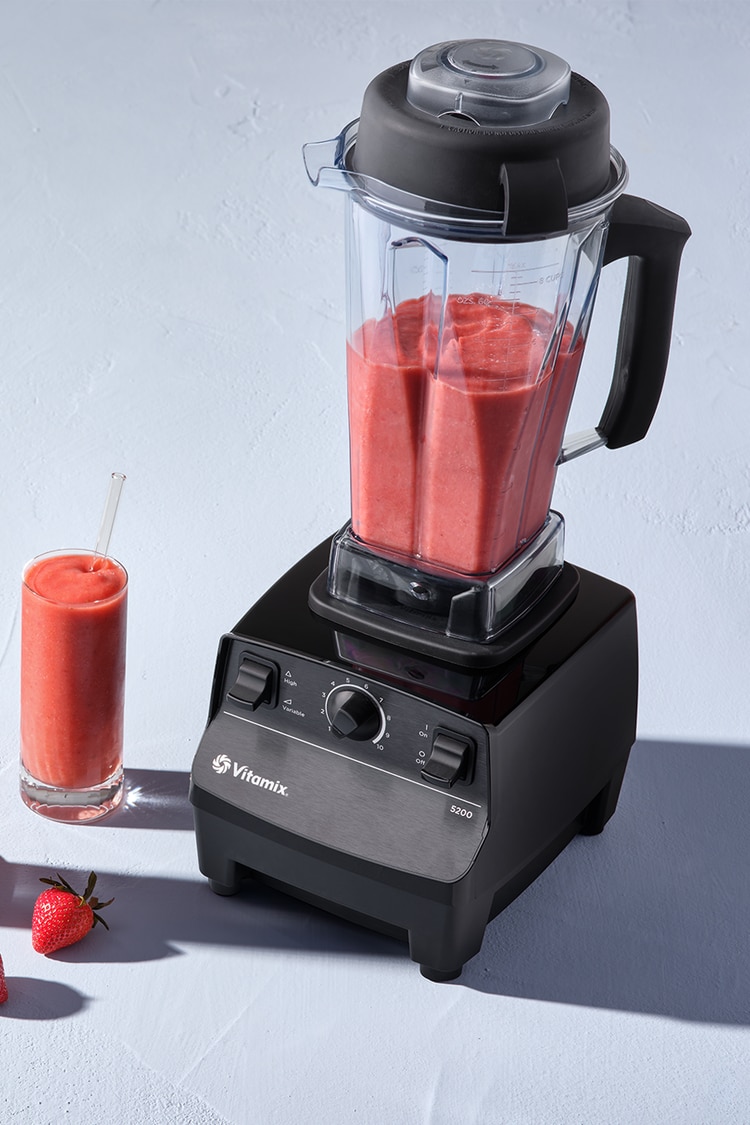
Brands like Vitamix and Blendtec are known for their robust motors and durable components. These blenders often come with warranties extending up to 7-10 years, reflecting confidence in their long-term performance.
Vitamix models typically feature metal drive shafts and heavy-duty blades that handle tough ingredients without wearing out quickly. Blendtec’s patented blade design and powerful motors make it a favorite for users who blend daily or prepare large batches.
Are you willing to invest upfront for a blender that might outlast several cheaper models? These high-end options often justify their cost through longevity.
Budget-friendly Options
Brands like Ninja, Hamilton Beach, and Oster offer affordable blenders with decent durability for casual use. While their lifespan may range from 3 to 5 years, they provide excellent value for less frequent blending tasks.
These models usually have plastic components and less powerful motors, so they might struggle with hard ingredients over time. However, regular cleaning and avoiding overloading can extend their lifespan significantly.
If you blend smoothies or soups a few times a week, budget-friendly blenders might be perfectly adequate without breaking the bank.
Customer Reviews Insights
Looking at customer feedback reveals patterns that specs don’t always show. For example, many users praise Vitamix for consistent performance even after years of heavy use.
On the other hand, budget brands often get mixed reviews—some users find them reliable, while others report motor burnout or blade wear within a couple of years. Pay close attention to comments about customer service and warranty support too.
Have you checked how other users describe daily use and maintenance? Their experiences can offer clues about how a blender will hold up in your kitchen.
Frequently Asked Questions
How Long Does A Kitchen Blender Typically Last?
A kitchen blender usually lasts between 7 to 10 years with regular use. Proper maintenance can extend its lifespan significantly.
What Factors Affect A Blender’s Lifespan?
Blender lifespan depends on build quality, usage frequency, and maintenance. Higher-end models generally last longer than budget options.
How Can I Extend My Blender's Durability?
Clean your blender after each use, avoid overloading, and follow the manufacturer’s guidelines to ensure longer life and better performance.
When Should I Replace My Kitchen Blender?
Replace your blender if it shows signs of motor failure, unusual noises, or blade damage that cleaning and repairs cannot fix.
Conclusion
A kitchen blender usually lasts between 5 to 10 years. Its life depends on use, brand, and care. Regular cleaning and proper use help it work longer. Avoid overloading or running it too long. Watch for signs like strange noises or slow blending.
Replacing worn parts can extend its life. Choosing a good blender at first saves money later. A well-maintained blender stays strong and reliable. Small steps make a big difference in its lifespan. Keep these tips in mind for lasting kitchen help.