
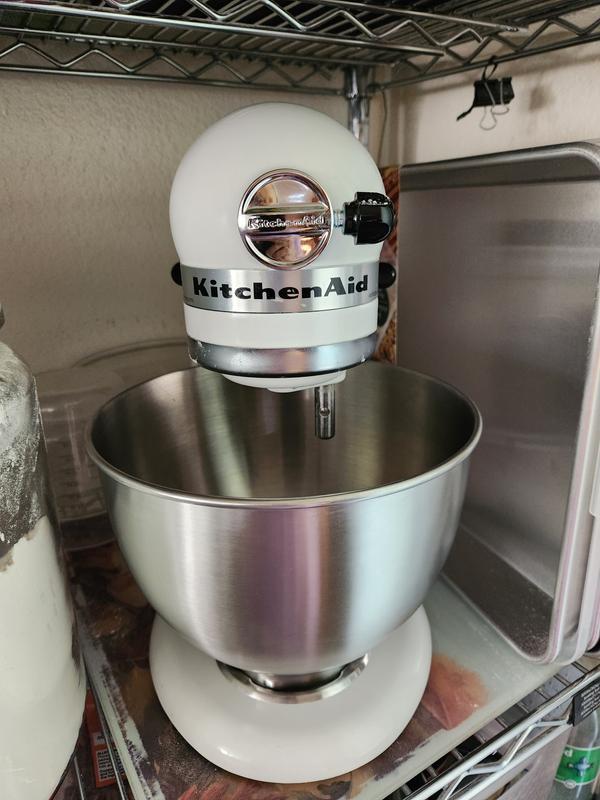
Are you thinking about adding a Kitchen Aid Stand Mixer to your kitchen but wondering how much it weighs? Knowing the weight is more important than you might think.
It affects where you can place it, how easy it is to move, and even how safe it is to handle. You’ll discover the exact weight of different Kitchen Aid Stand Mixer models and why it matters for your cooking space.
Keep reading to find out everything you need to know before making your decision.
Kitchenaid Mixer Models
KitchenAid offers a variety of stand mixer models, each designed to meet different needs and preferences in the kitchen. Knowing the weight of these mixers helps you decide which one fits your workspace and how easy it will be to move around. Let’s look at the main KitchenAid mixer lines and their typical weights to help you make an informed choice.
Classic Series
The Classic Series is perfect for home bakers who want a reliable mixer without extra bulk. It usually weighs around 20 pounds, making it lighter and easier to lift than some of the bigger models. If you often find yourself rearranging your kitchen, this lighter weight can be a real advantage.
Artisan Series
The Artisan Series is a favorite among serious home cooks for its versatility and durability. It weighs about 26 pounds, offering a solid, stable base during mixing while still being manageable to move. I’ve found that its weight strikes a good balance between stability and portability, especially when switching between countertop and storage.
Professional Series
Designed for heavy-duty use, the Professional Series mixers are the heaviest, typically weighing over 30 pounds. This weight provides the stability needed for large batches and tough doughs. If you bake frequently or in large quantities, this model’s weight can actually improve your mixing experience by preventing the mixer from shifting.
Other Variants
KitchenAid also offers mini mixers and special edition models that vary in weight. Mini mixers generally weigh under 15 pounds, ideal for small kitchens or occasional use. It’s worth considering these if your kitchen space is limited or if you don’t need the power of the larger models.
Credit: www.costco.com
Weight Comparison By Model
Understanding the weight of Kitchen Aid stand mixers helps in choosing the right model. Weight affects portability and countertop space. Each series has a distinct weight range. This section breaks down the weight by model type.
Classic Series Weight
The Classic Series is the lightest among Kitchen Aid mixers. It weighs around 20 pounds (9 kg). This model suits small kitchens and occasional use. Its lighter weight makes it easy to move and store. Despite the lighter frame, it delivers solid mixing power.
Artisan Series Weight
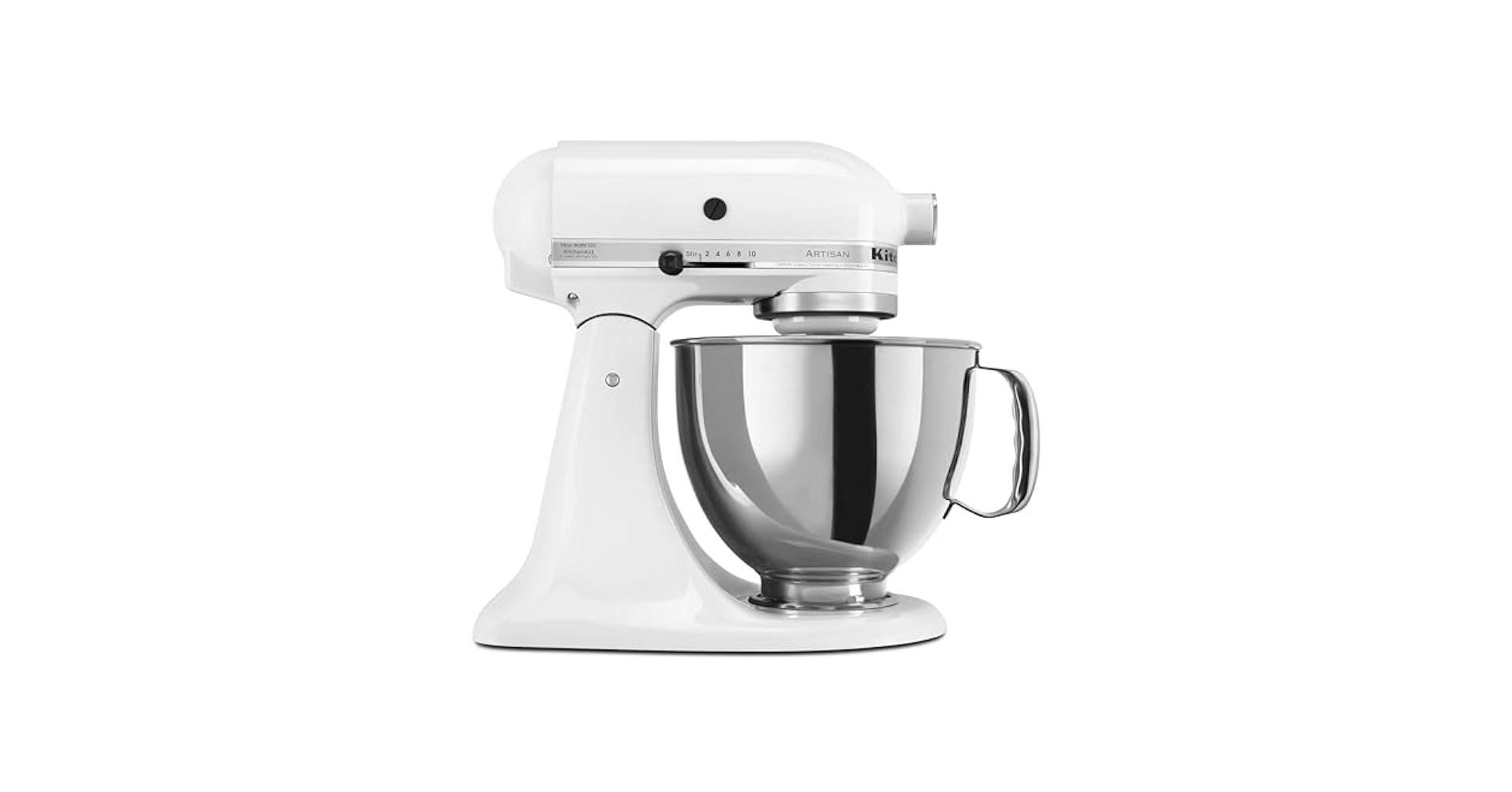
The Artisan Series weighs more than the Classic Series. It usually weighs about 26 pounds (12 kg). This weight provides more stability during mixing. The Artisan is popular for its balance of power and size. It fits well in most kitchens without taking too much space.
Professional Series Weight
The Professional Series is the heaviest Kitchen Aid mixer. Weights range from 28 to 30 pounds (13 to 14 kg). This series is designed for heavy-duty use and large batches. Its weight adds to the machine’s durability and strength. It stays firmly in place during tough mixing tasks.
Mini And Specialty Models
Mini and Specialty models weigh significantly less than full-sized mixers. The Mini weighs about 15 pounds (6.8 kg). Specialty mixers vary but often weigh between 10 and 20 pounds. These models are perfect for small kitchens or occasional bakers. Their light weight makes them easy to handle and store.
Factors Influencing Mixer Weight
Understanding the weight of a KitchenAid stand mixer involves several factors. These elements determine how heavy the mixer might be. Let's explore these factors.
Material Composition
The materials used in the mixer affect its weight. Mixers with metal components tend to be heavier. Plastic parts can reduce the overall weight. Durable materials might add to the weight but increase longevity. Consider what materials are most suitable for your needs.
Bowl Size And Type
The bowl size also plays a role in the mixer's weight. Larger bowls add more weight. Stainless steel bowls are heavier than plastic ones. The choice of bowl impacts both capacity and weight. Decide based on your cooking requirements.
Additional Attachments
Attachments can increase the mixer’s weight. Extra tools and accessories contribute to the overall load. The more attachments you use, the heavier it becomes. Evaluate which attachments are essential for your tasks.
Credit: www.amazon.com
Impact Of Weight On Usage
The weight of your Kitchen Aid stand mixer plays a significant role in how you use it daily. It affects everything from how stable it is on your countertop to how easy it is to move or store. Understanding this impact helps you make smarter choices about your kitchen setup and workflow.
Stability During Mixing
A heavier stand mixer usually stays put better during mixing. This means less wobbling or shifting when you're beating thick dough or heavy batter. Have you ever tried mixing bread dough only to have your mixer slide around? A substantial weight prevents that frustration and keeps your mixing consistent.
On the flip side, if your mixer is too light, it might jump or move, making it hard to work with dense ingredients. The weight anchors the machine, giving you confidence that it will handle tough recipes without slipping.
Portability And Storage
While a heavier mixer offers stability, it can be harder to lift and move around your kitchen. Do you often rearrange your countertop or store appliances away after use? If so, a very heavy mixer might slow you down.
Consider your kitchen space and how often you need to transport your mixer. Some users prefer a lighter model for easy storage in cabinets or shelves, especially in smaller kitchens. Balancing weight and convenience is key to keeping your kitchen efficient.
Durability Considerations
The weight of a Kitchen Aid stand mixer often reflects its build quality. Heavier models tend to have more metal parts, which usually means they last longer and handle frequent use better. This can save you money in the long run by avoiding replacements or repairs.
However, weight alone isn’t the only factor in durability. Look for solid construction and quality materials alongside weight to ensure your mixer stands up to years of baking and cooking. Have you noticed how some mixers feel sturdier just by their heft? That’s not a coincidence.
Tips For Handling And Moving Mixers
Handling and moving your Kitchen Aid stand mixer requires care to avoid damage and injury. These mixers are sturdy but can be surprisingly heavy, so knowing how to manage their weight is key. Proper techniques ensure your mixer stays in perfect condition and you stay safe.
Safe Lifting Techniques
Always lift your mixer with both hands to distribute the weight evenly. Use one hand to grip the base and the other on the handle or top part. Avoid lifting by the bowl or attachments—they aren’t designed to support the mixer's full weight.
Keep your back straight and bend your knees when picking up the mixer. This helps prevent strain and reduces the risk of dropping it. Have someone assist you if your mixer feels too heavy or awkward to carry alone.
Transporting Mixers
When moving your mixer from one room to another or taking it on a trip, secure all removable parts. Detach the mixing bowl and any attachments to avoid damage or rattling. Wrap the mixer in a soft towel or bubble wrap for extra protection.
Consider using a sturdy box or tote with handles for easier carrying. If you're transporting your mixer in a vehicle, place it on a flat surface and secure it to prevent shifting during transit. Have you ever experienced a mixer sliding off the car seat? Taking these precautions saves you from that hassle.
Storing Mixers Effectively
Store your Kitchen Aid mixer in a dry, easily accessible spot on your countertop or in a cabinet. Avoid stacking heavy items on top to prevent any damage. If space is tight, keep the bowl and attachments in a nearby drawer, so everything stays together.
Use a dust cover or clean cloth to protect your mixer from dust and spills. Regularly wipe it down to keep it looking new and functioning well. Could your mixer benefit from a dedicated storage spot that keeps it ready for action?
Weight And Shipping Costs
The weight of a Kitchen Aid stand mixer affects its shipping costs significantly. Knowing the exact weight helps buyers estimate shipping fees accurately. This information also prepares users for handling and moving the mixer safely.
Estimating Shipping Charges
Kitchen Aid stand mixers usually weigh between 20 and 30 pounds. Shipping companies calculate costs based on weight and package size. Heavier packages cost more to ship. Distance between the seller and buyer also impacts the price.
Buyers should check with shipping providers for exact fees. Some sellers include shipping costs in the product price. Others charge separately depending on location and weight.
Packaging Considerations
Packaging adds extra weight and size to the shipment. The mixer comes in a sturdy box with protective materials. This keeps the product safe during transit.
Packaging weight varies but can add 5 to 10 pounds. Bulky packaging may increase shipping costs. Proper packaging prevents damage and returns.
Choosing The Right Mixer Weight For You
Choosing the right Kitchen Aid stand mixer weight matters for your kitchen experience. The weight impacts how easy it is to move and how stable it stays during use. Picking a mixer that fits your needs helps with comfort and efficiency. Consider how weight matches your cooking style and kitchen space.
Balancing Weight And Performance
Heavier mixers tend to be more stable. They handle thick doughs and large batches without slipping. Lighter mixers are easier to lift and store. But they might shake more during heavy mixing. A good balance means choosing a mixer heavy enough to stay steady, yet light enough to move if needed.
Space And Usage Frequency
Think about your kitchen size and how often you cook. If you have limited counter space, a lighter mixer can be moved or stored easily. Frequent bakers may prefer a heavier mixer that stays put during long sessions. For occasional use, a lighter model might suit better. Match the mixer's weight with your space and how often you use it.

Credit: www.amazon.com
Frequently Asked Questions
How Much Does A Kitchen Aid Stand Mixer Weigh?
A typical Kitchen Aid stand mixer weighs between 20 to 30 pounds. Weight varies by model and attachments included. Heavier models provide stability during heavy mixing tasks.
Does Mixer Weight Affect Kitchen Storage?
Yes, heavier mixers require sturdy storage areas. They are less portable but offer better durability. Consider weight when planning kitchen space and shelf strength.
What Impacts The Weight Of A Kitchen Aid Mixer?
Weight depends on motor size, materials, and included accessories. Metal parts increase weight, while plastic models are lighter. Attachments like bowls also add to total weight.
Can I Move A Kitchen Aid Mixer Easily?
Most Kitchen Aid mixers are moderately heavy but manageable. Use both hands for safe lifting. For frequent moves, consider lighter models or portable alternatives.
Conclusion
Knowing the weight of a Kitchen Aid stand mixer helps with kitchen planning. Most models weigh between 20 and 30 pounds. This makes them stable during mixing but still movable. Choose a model that fits your space and needs. Remember, a heavier mixer means less movement while in use.
Think about storage and counter space before buying. The right weight ensures ease and safety in your kitchen. Keep these points in mind for a smooth cooking experience.