

How often do you mop your kitchen floor? You might think it’s just a simple chore, but the truth is, how frequently you clean can make a big difference in your home’s cleanliness and your family’s health.
If you’re unsure whether you’re mopping enough—or maybe even too much—this article will help you find the perfect balance. Keep reading to discover easy tips that can save you time, keep your kitchen sparkling, and protect your loved ones from hidden germs.
Your kitchen floor deserves the right care, and so do you.
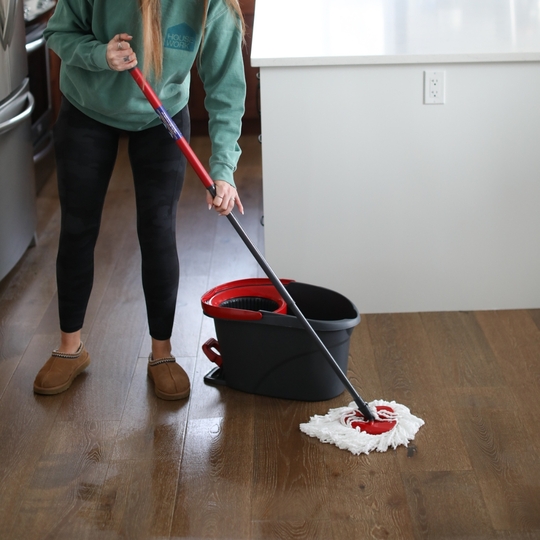
Credit: www.housework.com
Ideal Mopping Frequency
Knowing how often to mop your kitchen floor keeps it clean and safe. The ideal mopping frequency depends on your kitchen’s use and mess levels. Regular mopping removes dirt and spills, preventing stains and bad smells.
Setting a routine helps maintain a fresh kitchen floor. It stops dirt buildup and keeps germs away. You can balance daily quick cleans with deeper weekly mopping for best results.
Daily Cleaning Benefits
Wiping or lightly mopping daily stops dirt from building up. It removes crumbs, spills, and sticky spots fast. Daily cleaning keeps floors safe and reduces germs. It also makes weekly deep cleaning easier and quicker.
Weekly Deep Clean
A thorough mopping once a week cleans hidden grime and tough stains. Use warm water and a good floor cleaner. Weekly cleaning helps prevent long-term damage and keeps floors looking new. It reaches spots daily cleaning might miss.
Factors Affecting Frequency
- Number of people using the kitchen
- Presence of pets
- Spills and cooking habits
- Floor material and finish
- Allergy or health concerns
High traffic or pets mean mopping more often. Smooth floors may need less frequent cleaning than textured ones. Adjust mopping based on your kitchen’s unique needs for best results.
Choosing The Right Mop
Choosing the right mop can make a huge difference in how clean your kitchen floor looks and feels. The right mop saves you time and effort while making sure you get rid of all the dirt and spills effectively. Think about your kitchen’s floor type and how often you clean when picking your mop.
Types Of Mops
There are several types of mops available, each suited for different cleaning needs. Here are some popular options:
- String Mops:These are great for heavy-duty cleaning and can cover large areas. They absorb a lot of water but take longer to dry.
- Sponge Mops:Easy to use and good for quick cleanups. However, they may not be as durable and can hold onto dirt.
- Flat Mops:Perfect for everyday cleaning and reaching tight spots. Many come with reusable microfiber pads that trap dust and grime.
- Steam Mops:Use steam to disinfect floors without chemicals. Ideal if you want a deep clean and have sealed floors that can handle moisture.
Best Mop For Kitchen Floors
Choosing the best mop depends on your kitchen floor type and cleaning habits. If you have tile or vinyl floors, a flat mop with microfiber pads works well to pick up dust and spills quickly.
For hardwood floors, a steam mop can clean efficiently without damaging the surface, but make sure your floor is sealed properly to avoid moisture issues.
Do you clean your kitchen daily or just weekly? For daily maintenance, a lightweight flat mop is easier to handle and dries fast. If you mop less often, a string mop can tackle tougher stains but requires more effort.
Effective Cleaning Solutions
Choosing the right cleaning solutions makes kitchen floor mopping more effective. The cleaner you use impacts hygiene and floor durability. Some cleaners remove dirt quickly, while others protect the surface. Knowing your options helps you keep your kitchen floor spotless and safe.
Natural Cleaners
Natural cleaners use ingredients found at home. They avoid harsh chemicals and reduce allergy risks. Common options include vinegar, baking soda, and lemon juice. These ingredients cut grease and kill germs gently. They work well on most kitchen floor types. Mix vinegar with water for a simple, effective mop solution. Baking soda removes stains and deodorizes the floor. Lemon juice adds a fresh scent and fights bacteria. Natural cleaners are safe for pets and children.
Commercial Products
Commercial products offer ready-made formulas for kitchen floors. They come in liquids, sprays, or wipes. These cleaners often contain disinfectants to kill bacteria fast. Many are designed for specific floor types like tile, wood, or laminate. Follow label instructions for best results and safety. Some brands add pleasant fragrances for a fresh kitchen. They can remove tough stains and grease better than natural cleaners. Use commercial products when floors need deep cleaning.
Avoiding Harmful Chemicals
Some cleaning products contain harsh chemicals that damage floors and health. Avoid bleach, ammonia, or strong acids on delicate surfaces. These can cause discoloration or wear over time. Harsh chemicals also irritate skin, eyes, and lungs. Use gloves and ensure good ventilation if using strong cleaners. Choose products labeled non-toxic or eco-friendly when possible. Avoid mixing different cleaners, as this may create dangerous fumes. Keeping harmful chemicals away protects your family and floor.

Credit: www.express.co.uk
Step-by-step Mopping Guide
Mop your kitchen floor regularly to keep it clean and safe. High-traffic kitchens may need mopping twice a week, while less busy ones once a week. Always clean spills immediately to avoid stains and sticky surfaces.
Cleaning the kitchen floor requires more than just moving a mop around. A proper step-by-step guide helps you clean effectively and keeps your floors in top condition. This guide will walk you through a successful mopping routine, ensuring your kitchen floor remains sparkling clean.
Prepping The Floor
Remove loose debris. Sweep or vacuum the floor to pick up dirt and crumbs. This step prevents scratching during mopping. Move any movable furniture or rugs to clear the area. Check the corners and edges for hidden dirt. Use a dustpan for larger pieces. Prepping ensures a thorough clean.
Proper Mopping Technique
Choose the right mop. A microfiber or sponge mop works well for most floors. Fill a bucket with warm water and add a suitable floor cleaner. Dip the mop in the solution and wring out excess water. Start mopping from one corner of the room. Use overlapping strokes to cover the entire floor. Rinse the mop frequently to avoid spreading dirt.
Drying Tips
Once mopping is done, allow the floor to air dry. Open windows or use a fan to speed up the process. Avoid walking on the wet floor to prevent streaks or marks. If necessary, use a dry towel to absorb excess moisture. This step helps maintain a shiny, clean finish.
Maintaining Floor Hygiene Between Mops
Keeping your kitchen floor clean between mopping sessions is key to maintaining a fresh and hygienic space. You don’t need to mop every day to prevent dirt and grime buildup. Simple daily habits can make a big difference in extending the life of your mop job and keeping your kitchen inviting.
Sweeping And Spot Cleaning
Sweeping your kitchen floor regularly removes loose dirt, crumbs, and pet hair before they settle into the grout or tiles. Use a soft-bristle broom or a vacuum designed for hard floors to catch fine dust and debris efficiently.
Spot cleaning is your secret weapon. Instead of waiting for the next full mop, quickly clean visible dirt or sticky spots with a damp cloth or mop. This prevents stains from becoming stubborn and keeps the floor looking fresh without extra effort.
Dealing With Spills Quickly
Spills happen, especially in the kitchen. The faster you clean them up, the less chance they have to attract bacteria or cause stains.
Keep a small cleaning kit handy: paper towels, a spray bottle with mild cleaner, and a cloth. When something spills, wipe it immediately instead of letting it sit. This simple habit protects your floor and saves you from tougher cleaning later on.
:max_bytes(150000):strip_icc()/SPR-why-floors-still-feel-dirty-after-cleaning-11778163-d6cc66fad68a46e8b6f9479f34c945ad.jpg)
Credit: www.thespruce.com
Common Mistakes To Avoid
Keeping your kitchen floor spotless is key to a clean and safe cooking environment. However, mopping can sometimes do more harm than good if you're not careful. Avoiding common mistakes can save you time, effort, and even prevent damage to your floors.
Overwetting The Floor
Using too much water when mopping can cause problems. Excess moisture seeps into cracks and grout, leading to mold or warping, especially on wooden or laminate floors.
Try wringing your mop well before use. A damp mop cleans effectively without leaving puddles behind. Have you noticed your floor taking longer to dry or feeling slippery? That’s a sign you’re using too much water.
Using Wrong Cleaners
Not all floor cleaners are created equal. Harsh chemicals or abrasive solutions can strip the finish or discolor your floor.
Choose cleaners designed for your specific floor type. For instance, mild soap and water work great for tile, but hardwood floors need pH-neutral products. Check labels carefully and test a small area first to avoid surprises.
Neglecting Regular Maintenance
Waiting too long between mops allows dirt and spills to build up, making cleaning harder and less effective. Stains can set in, and grit may scratch your floor’s surface.
Set a mopping schedule that fits your kitchen’s use. Light daily cleaning combined with a thorough mop once or twice a week often keeps floors in top shape. How often do you clean your kitchen floor now, and could a routine help?
Frequently Asked Questions
How Often Should You Mop Kitchen Floors Weekly?
Mop kitchen floors at least twice a week. Frequent mopping prevents dirt buildup and reduces bacteria. High-traffic kitchens may need daily mopping for better hygiene and cleanliness.
What Is The Best Time To Mop Kitchen Floors?
The best time to mop is after meal prep or dinner. This removes food spills and sticky residues promptly. Mopping during low traffic times also helps floors dry faster.
Can Mopping Too Often Damage Kitchen Floors?
Yes, excessive mopping can wear floor finishes and cause damage. Use gentle cleaners and avoid soaking floors. Stick to recommended mopping schedules to maintain floor longevity.
Should You Sweep Before Mopping The Kitchen Floor?
Always sweep or vacuum before mopping. Removing dust and debris prevents scratches and ensures effective cleaning. Sweeping prepares the floor for better mop absorption.
Conclusion
Mopping your kitchen floor often keeps it clean and safe. Dirt and spills can build up quickly in kitchens. Regular mopping stops germs from spreading. For busy kitchens, mopping two to three times a week works well. Smaller or less used kitchens may need mopping once a week.
Always use a cleaner suited for your floor type. Clean floors make cooking and eating more pleasant. A simple routine helps keep your kitchen fresh and tidy. Easy to follow. Easy to maintain.