
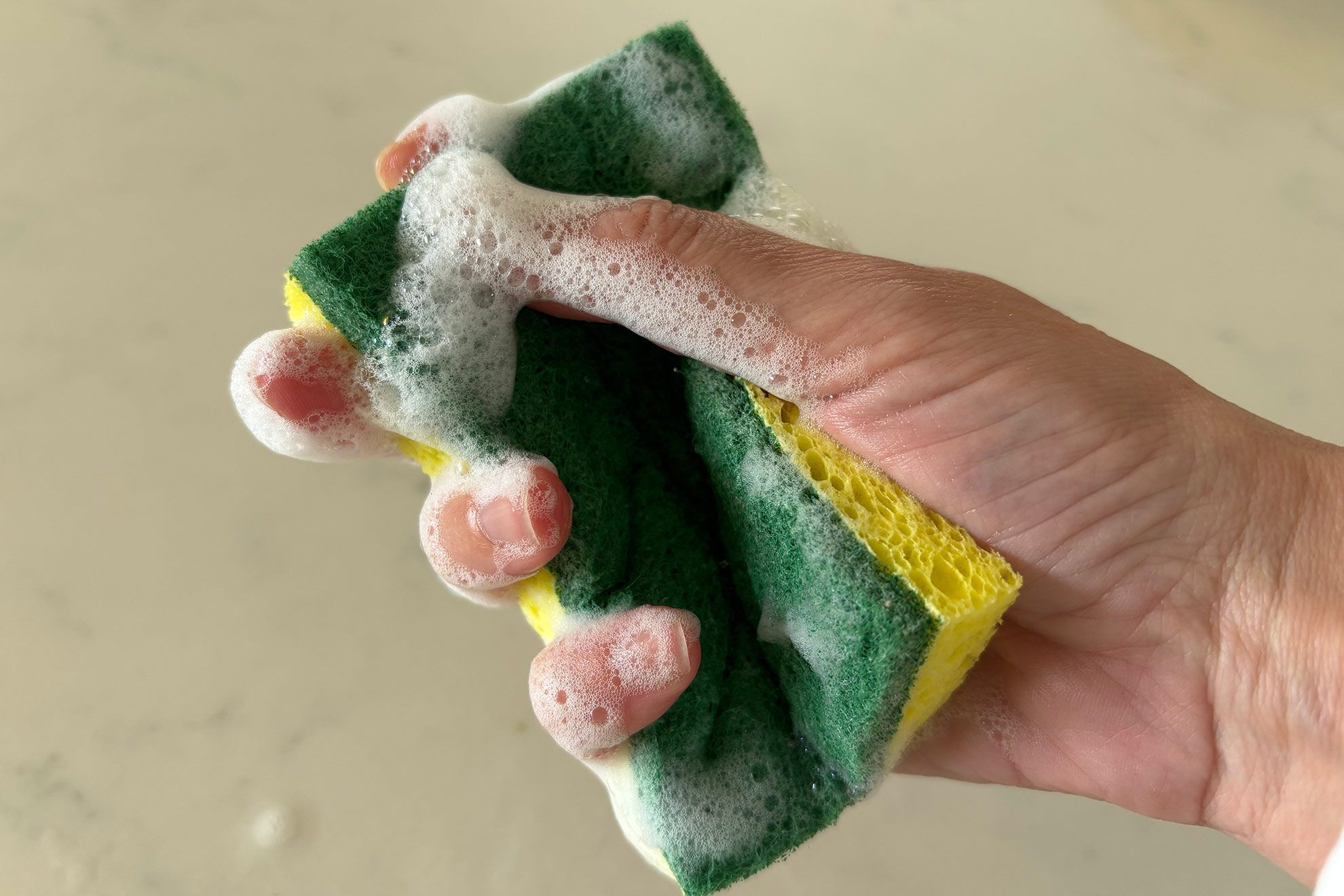
Your kitchen sponge is one of the busiest tools in your home. You use it every day to clean dishes, wipe counters, and tackle spills.
But have you ever stopped to think about how often you should change it? Using an old, worn-out sponge can actually do more harm than good, spreading germs instead of cleaning them. You’ll discover the simple signs that show when your sponge needs replacing and learn how often you should swap it out to keep your kitchen fresh and safe.
Keep reading—your health and home depend on it!
Signs To Replace Your Sponge
Knowing when to replace your kitchen sponge is crucial for maintaining a clean and healthy kitchen. Sponges can quickly become a breeding ground for bacteria if not changed at the right time. Watch for certain signs that indicate your sponge has outlived its usefulness and needs to be tossed.
Visible Wear And Tear
Check your sponge regularly for cracks, holes, or fraying edges. These signs mean the sponge can no longer clean effectively and will trap more dirt and grime. If your sponge looks worn out, it's time to get a fresh one to keep your dishes spotless.
Odor And Discoloration
Does your sponge smell bad even after rinsing? A foul odor is a strong indicator of bacterial buildup. Also, discoloration—like dark spots or a yellow tint—shows that dirt and mold might be present. Don’t ignore these warning signs; a smelly or stained sponge can contaminate your kitchen surfaces.
Bacterial Contamination Risks
Sponges are known to harbor millions of bacteria, some of which can cause illness. Using a sponge beyond its prime increases the risk of spreading harmful germs. If you’ve recently dealt with raw meat or eggs, consider replacing your sponge immediately to avoid cross-contamination.

Credit: www.absolutesolutions.com.sg
Recommended Replacement Frequency
Knowing how often to change your kitchen sponge helps keep your kitchen clean and safe. Sponges can hold many germs if used too long. Changing them regularly reduces the risk of spreading bacteria.
Daily Use Sponges
Sponges used every day need more frequent replacement. Replace these sponges every one to two weeks. Daily use wears them out and allows bacteria to grow quickly. A fresh sponge helps maintain good kitchen hygiene.
Infrequent Use Sponges
Sponges used only sometimes last longer. Replace them every three to four weeks. Less use means less wear and fewer germs. Still, regular checks for bad smells or damage are important.
Factors Affecting Lifespan
- Moisture level: Wet sponges grow bacteria faster.
- Cleaning method: Proper cleaning can extend sponge life.
- Type of use: Scrubbing tough stains wears sponges quickly.
- Material quality: Higher quality sponges last longer.
Check your sponge often. Replace it sooner if it smells bad or looks damaged.
Proper Sponge Cleaning Methods
Kitchen sponges can harbor bacteria quickly. Replace them every one to two weeks to keep your kitchen clean. Regularly washing sponges helps, but changing them often is key.
Keeping your kitchen sponge clean is crucial to maintaining a healthy and hygienic kitchen environment. But how often do you actually clean it? A dirty sponge can harbor bacteria and spread germs around your kitchen, even more than your toilet seat! Regular cleaning not only extends the life of your sponge but also ensures it's safe to use for dishwashing and cleaning surfaces. Here, we'll explore some effective cleaning methods that are easy to implement in your daily routine.
Microwave Sanitizing
Did you know that zapping your sponge in the microwave can kill up to 99% of germs? Simply soak the sponge in water—this prevents it from catching fire—then place it in the microwave for about two minutes on high power. Be cautious when removing it; the sponge will be hot. This method is quick and uses resources you already have at home.
Dishwasher Cleaning
Running your sponge through the dishwasher is another effective way to sanitize it. Simply toss it in with your regular load, placing it in the top rack. The heat and detergent work together to kill bacteria. Plus, it's an effortless addition to your dishwashing routine.
Soaking In Bleach Or Vinegar
If you prefer chemical or natural cleaning methods, soaking your sponge in bleach or vinegar can be highly effective. For a bleach solution, mix ¾ cup of bleach in a gallon of water and soak the sponge for five minutes. For a natural alternative, use full-strength vinegar and soak overnight. This method not only kills bacteria but also helps neutralize odors. How do you usually clean your sponge? Experiment with these methods and find the one that fits seamlessly into your kitchen routine. Your sponge—and your health—will thank you.

Credit: www.taste.com.au
Alternatives To Traditional Sponges
Traditional kitchen sponges can hold germs and wear out fast. Many people want safer and longer-lasting options. Alternatives to traditional sponges offer better hygiene and durability. They also help reduce waste in the kitchen. These choices clean well and dry quickly, cutting down on bacteria growth. Below are some popular alternatives that keep your kitchen cleaner and fresher.
Silicone Scrubbers
Silicone scrubbers resist stains and dry quickly. They do not absorb water or food particles. These scrubbers last for months without smelling bad. Soft silicone bristles clean dishes gently but effectively. They are easy to clean under running water or in the dishwasher. Silicone scrubbers work well on pots, pans, and delicate surfaces.
Reusable Cloths
Reusable cloths are soft and absorbent. They can be washed and reused many times. These cloths dry faster than sponges, stopping bacteria growth. Made from cotton or microfiber, they clean surfaces and dishes well. Some cloths come with antimicrobial treatment to stay fresher longer. Use one for wiping counters and another for scrubbing dishes.
Natural Fiber Sponges
Natural fiber sponges come from plants like cellulose or coconut. They break down faster in compost after use. These sponges absorb water but dry faster than synthetic ones. They clean dishes gently without scratching. Natural fiber sponges are biodegradable and eco-friendly. They offer a balance between cleaning power and environmental care.
Tips To Maintain Sponge Hygiene
Keeping your kitchen sponge clean is key to avoiding bacteria buildup. Small habits can make a big difference in sponge hygiene. You might think rinsing is enough, but there’s more to it if you want your sponge to stay fresh and safe for use.
Rinsing And Squeezing After Use
After each use, rinse your sponge thoroughly with hot water. This helps remove food particles and soap residues that bacteria love to feed on.
Next, squeeze out as much water as you can. A wet sponge is a breeding ground for germs, so reducing moisture is crucial. Have you noticed how a damp sponge smells after a day? That’s bacteria multiplying.
Drying And Storage Practices
Where you leave your sponge matters. Store it in a place where air can circulate freely, like a sponge holder with drainage holes.
Avoid keeping your sponge in a sink or a damp countertop. Let it dry completely between uses to stop bacteria from growing. Think of your sponge like a towel—you wouldn't leave a wet towel balled up all day, right?
Rotating Multiple Sponges
Using more than one sponge and rotating them can extend their life and reduce the risk of contamination. While one sponge dries, you can use another for different tasks.
Consider designating sponges for specific jobs—one for dishes, another for countertops. This prevents cross-contamination and keeps your kitchen healthier. How often do you switch between sponges in your kitchen?

Credit: www.absolutecleaning.com.sg
Frequently Asked Questions
How Often Should I Replace My Kitchen Sponge?
Replace your kitchen sponge every one to two weeks. Frequent replacement prevents bacteria buildup and maintains hygiene in your kitchen.
Can I Disinfect A Kitchen Sponge Instead Of Replacing It?
Yes, disinfect sponges by microwaving or soaking in bleach solution. However, regular replacement is still recommended for safety and cleanliness.
What Are Signs My Kitchen Sponge Needs Changing?
If your sponge smells bad, feels slimy, or falls apart, it’s time to replace it. These signs show bacterial growth and wear.
Does Using A Dishwasher Clean Kitchen Sponges Effectively?
Dishwasher cleaning can reduce some bacteria but may not eliminate all germs. Combining cleaning with regular replacement ensures better hygiene.
Conclusion
Changing your kitchen sponge often keeps your kitchen clean and safe. Sponges hold many germs that can make you sick. Swap your sponge every one to two weeks. If it smells bad or looks worn, change it right away. Rinse and dry your sponge after each use to slow bacteria growth.
Small steps like this help protect your family’s health. Keep your kitchen fresh by staying on top of sponge care. Clean habits make a big difference. Simple, easy, and smart.