
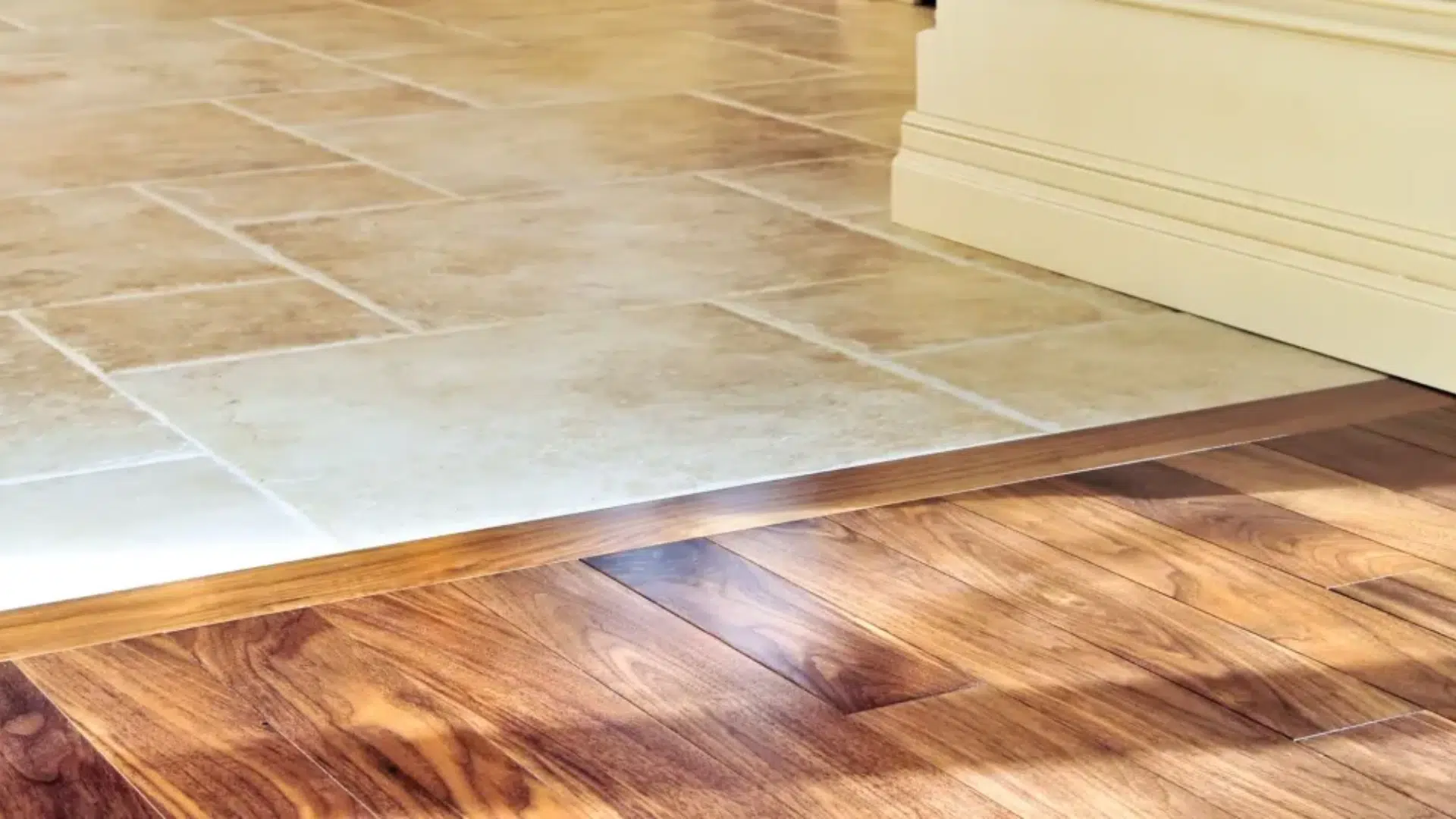
Are you struggling to create a smooth transition between your wood floor and kitchen floor? You’re not alone.
Mixing different floor types can be tricky, but when done right, it brings warmth and style to your home. Imagine walking from your cozy living room into your kitchen without a jarring change underfoot. This guide will show you simple, smart ways to blend your wood floor with your kitchen floor seamlessly.
Keep reading to discover easy tips that will make your floors look connected and your space feel perfectly balanced.
Choosing Complementary Materials
Choosing complementary materials for your wood and kitchen floors creates a smooth, connected look. This choice affects both style and function. The right materials bring harmony between spaces.
Focus on matching colors, durability, and surface feel. These factors help blend the floors naturally and improve your home's flow.
Matching Wood Tones
Pick wood tones that blend rather than clash. Light woods pair well with pale kitchen floors. Darker woods suit deeper kitchen shades. Avoid exact matches to prevent a boring look.
Use a color wheel to find tones that complement each other. Warm woods match warm kitchen tiles or vinyl. Cool woods fit better with gray or blue kitchen floors.
Selecting Durable Kitchen Floors
Kitchen floors face spills and heavy traffic. Choose materials that resist water and stains. Tiles, vinyl, and laminate are strong choices.
Make sure kitchen floors can handle heat and dropped objects. Durable floors reduce maintenance and keep your kitchen looking fresh.
Considering Texture And Finish
Texture affects how floors feel and look together. Smooth wood contrasts nicely with rough stone or textured tiles. This adds depth to your space.
Finish also matters. Matte finishes hide scratches better. Glossy finishes reflect light and brighten rooms. Match finishes to create balance between floors.

Credit: www.angi.com
Planning The Transition
Planning the transition between wood and kitchen floors is key for a neat look. It helps the two floor types feel connected. Proper planning avoids abrupt changes that break the room’s flow.
Consider how colors, textures, and patterns will work together. Think about the direction of wood planks and tile layout. This sets the stage for a smooth and stylish transition.
Creating A Smooth Visual Flow
Match the wood tone with the kitchen floor’s color palette. Choose shades that complement each other for harmony. Use a gradual change in texture to soften the difference.
Keep the transition area simple. Avoid sharp contrasts that draw unwanted attention. A seamless flow makes the space appear larger and more inviting.
Using Transition Strips
Transition strips bridge the gap between wood and tile floors. They protect edges and hide height differences. Pick strips made from metal, wood, or vinyl based on style.
Install the strip firmly to avoid tripping hazards. The right strip adds a clean break without disrupting the design. It also helps with floor expansion and movement.
Aligning Planks And Tiles
Align wood planks to run parallel or perpendicular to tile edges. Consistent direction creates a balanced look. Avoid random placement that makes the floor appear chaotic.
Measure carefully to ensure tiles and planks meet evenly. Cut edges cleanly for a precise fit. Proper alignment gives a professional finish to the transition zone.
Color Coordination Strategies
Color coordination is key to creating a seamless transition between your wood floor and kitchen floor. It helps your spaces feel connected and balanced, rather than disjointed. Understanding how to mix and match shades, add pops of color, and use lighting effectively can transform your home’s flow.
Balancing Warm And Cool Shades
Think about the undertones in your wood floor and kitchen tiles. If your wood has warm tones like honey or caramel, pairing it with cooler kitchen flooring like gray or blue-gray can create a pleasing contrast.
Alternatively, matching warm wood with warm kitchen tiles—such as terracotta or soft beige—keeps the vibe cozy and inviting. Ask yourself: do you want your kitchen to pop or blend softly with the adjoining wood area?
Incorporating Accent Colors
Adding an accent color that appears in both floors can tie the spaces together. This could be a muted green in a patterned tile or a deep blue rug near the wood floor.
Use small accessories like kitchen towels, bar stools, or even plants to echo this accent color. It’s a simple way to create harmony without overwhelming your design.
Maintaining Consistent Lighting
Lighting affects how colors appear and how well your floors blend. Use similar lighting fixtures or bulbs in both areas to keep color tones consistent.
If the kitchen has bright, cool LED lights but the wood floor area has warm incandescent bulbs, the colors might clash. Would you consider swapping bulbs or adding dimmers to balance the overall ambiance?
Design Techniques For Cohesion
Creating a seamless flow between your wood floor and kitchen floor enhances the overall design. Cohesion in flooring design ensures the spaces feel connected and harmonious. This connection can be achieved through various design techniques.
Using Rugs And Mats
Rugs and mats are effective in connecting different floor types. They provide a visual link and soften transitions. Choose colors and patterns that complement both floors. This creates an intentional look and adds warmth to the space.
Incorporating Patterns
Patterns can unify different flooring materials. Consider using similar geometric designs or color schemes. A chevron or herringbone pattern can blend the floors seamlessly. These patterns create visual interest and guide the eye through the space.
Blending With Cabinetry And Countertops
Coordinate your flooring with cabinetry and countertops for a cohesive look. Select tones that match or complement the wood floor. This approach ties the kitchen design elements together. It enhances the unity and style of your home.
Practical Installation Tips
Blending wood floors with kitchen floors requires careful installation for a smooth transition. Practical tips ensure durability and a polished look. Proper preparation and attention to detail make a big difference.
Preparing Subfloors
Start with a clean, level subfloor. Remove dirt, nails, and old adhesives. Check for moisture and fix any uneven areas. A flat surface prevents gaps and damage. Use a leveling compound if needed. This step supports both wood and kitchen flooring.
Handling Expansion Gaps
Wood floors expand and contract with temperature changes. Leave small gaps around the edges to allow movement. Use spacers to maintain uniform gaps during installation. Cover gaps with trim or transition strips. Proper gaps avoid buckling and warping.
Ensuring Proper Sealing
Seal joints between wood and kitchen floors to block moisture. Use waterproof sealant or flexible caulk for best results. Check seals regularly for wear or cracks. Good sealing protects floors from spills and humidity. It keeps your floors looking fresh and lasting longer.

Credit: enthrallinggumption.com
Maintenance And Longevity
Maintaining and extending the life of your wood and kitchen floors requires consistent care. Each floor type has unique needs that ensure it stays beautiful and durable. Paying attention to daily cleaning, preventing damage, and regular checks can keep floors looking fresh for years.
Cleaning Different Floor Types
Use gentle cleaning for wood floors. Avoid harsh chemicals that strip natural oils. A soft broom or vacuum with a wood floor attachment works well.
For kitchen floors, mop with a mild detergent suited for tiles or vinyl. Wring out excess water to prevent damage. Clean spills quickly to avoid stains.
Preventing Wear And Tear
- Place rugs or mats in high-traffic areas to reduce scratches.
- Use furniture pads under chair and table legs.
- Avoid walking on wood floors with high heels or heavy shoes.
- Keep pet nails trimmed to prevent gouges.
- Maintain proper humidity to stop wood from cracking or warping.
Scheduling Regular Inspections
Check floors monthly for signs of damage or wear. Look for scratches, loose tiles, or lifting edges.
Fix small problems early to avoid costly repairs. Consult professionals for deep cleaning or refinishing.
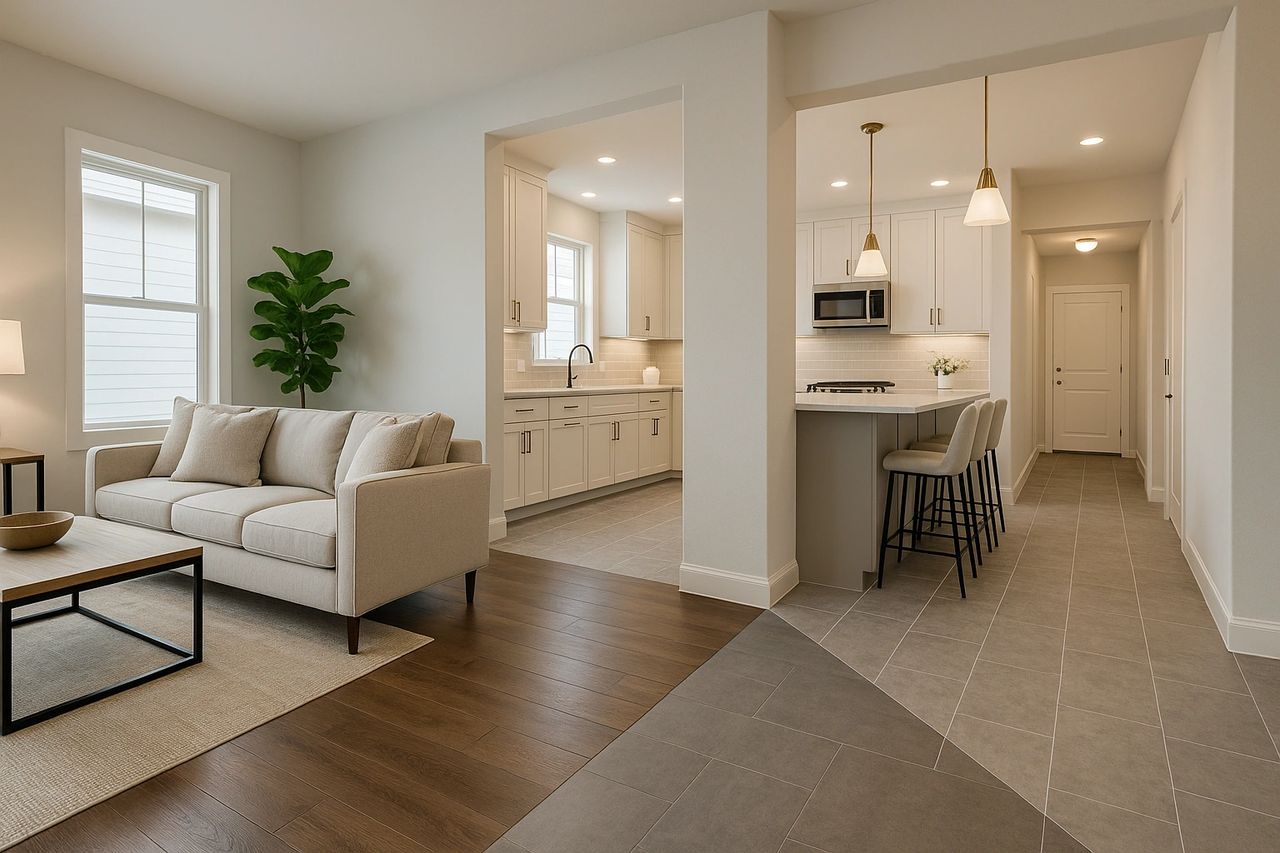
Credit: floorwalldesign.com
Frequently Asked Questions
How Can I Match Wood Floor With Kitchen Floor?
To match wood floor with kitchen floor, choose complementary colors and similar tones. Use transition strips to create a smooth visual flow. Consider consistent flooring materials or patterns for harmony. This helps blend the two areas seamlessly and enhances overall aesthetic appeal.
What Transition Options Blend Wood And Kitchen Flooring?
Popular transition options include T-molding, reducers, and threshold strips. These create smooth joints between wood and kitchen floors. Choose materials and colors that complement both floors. Proper transitions prevent tripping hazards and improve the room's visual cohesion.
Can I Use The Same Flooring In Kitchen And Living Areas?
Yes, using the same flooring creates a unified, spacious look. Choose durable, water-resistant materials suitable for kitchens. Wood-look tiles or sealed hardwood work well. This approach simplifies design and improves flow between spaces.
How To Create A Seamless Look Between Different Floors?
Use matching grout or filler colors in joints between floors. Opt for consistent flooring height to avoid steps. Select transition strips that blend well with both floors. Proper planning ensures a smooth, visually appealing transition.
Conclusion
Blending wood floors with kitchen floors creates a smooth, stylish look. Choose colors and textures that match well. Use transition strips to join different materials neatly. Keep the flow simple and clean. Small details make a big difference in the final look.
This approach adds comfort and value to your home. Try these tips to enjoy a balanced, inviting space. Your floors will feel connected and natural.