
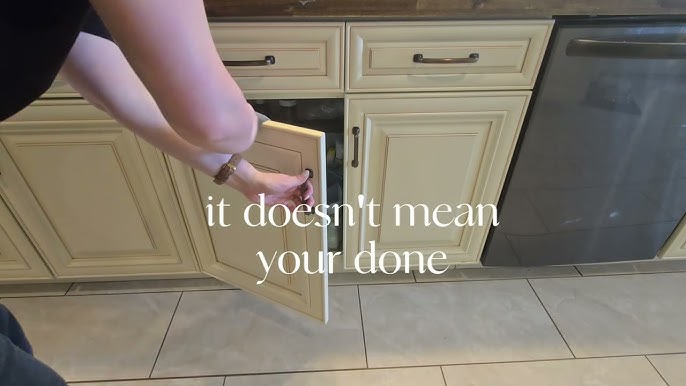
Is your kitchen drawer a messy catch-all that makes finding things a daily struggle? You’re not alone.
A cluttered drawer not only wastes your time but also adds unnecessary stress to your cooking routine. Imagine opening that drawer and instantly spotting exactly what you need. Sounds good, right? In this guide, you’ll discover simple, effective steps to clean and organize your kitchen drawer so it works for you, not against you.
Keep reading, and transform your drawer from chaos to calm in no time.
Credit: www.housework.com
Prepare The Area
Preparing your kitchen drawer area sets the stage for an effective clean-up. It’s more than just opening the drawer—it’s about creating a workspace that helps you focus and work efficiently. Taking these initial steps can save you time and prevent mess from spreading.
Clear Out The Drawer
Start by removing everything from the drawer. This gives you a clear view of what’s inside and makes it easier to clean thoroughly. As you pull items out, ask yourself if each belongs in that drawer or if it’s time to relocate or toss it.
Sorting through your drawer contents can reveal forgotten tools or expired items. I once found a set of measuring spoons buried under a pile of random papers—clearing it out made them easy to find and use again.
Gather Cleaning Supplies
Before you start scrubbing, collect all the cleaning materials you’ll need. Having everything on hand keeps you from interrupting your workflow. Typical supplies include a mild dish soap, a sponge or cloth, a small brush for corners, and a dry towel.
Consider adding a disinfectant wipe or a natural cleaner like vinegar if you want to tackle germs and odors. What cleaning supplies do you already have at home that could make this task easier?
Remove Drawer From Cabinet
Removing a kitchen drawer from its cabinet is the first crucial step to deep cleaning. It gives you full access to every corner, allowing you to clear out crumbs, spills, and hidden dust. This task might seem simple, but doing it carefully prevents damage and makes the process smoother.
Check For Safety
Before you pull out the drawer, check the area around it. Make sure your hands are dry to avoid slipping. Clear anything nearby that could get knocked over or broken during removal.
Some drawers have safety locks or catches to keep them from falling out completely. Look for small levers or clips on the sides or underneath the drawer. Knowing how these work saves you from unexpected surprises and potential injuries.
Slide Out Carefully
Gently pull the drawer straight out, keeping your hands on both sides for balance. If you feel resistance, stop and look for any catches you missed. Forcing a drawer can break the rails or the drawer itself.
Once the drawer is halfway out, support its weight with both hands to avoid dropping it. If your drawer has metal runners, listen for clicks or catches that may need to be released before the drawer comes out fully. Have you noticed how much dust collects in those hidden spaces once the drawer is out?
Empty And Sort Contents
Empty and Sort Contents Remove all items from the kitchen drawer to see everything clearly. Group similar items together for easy access and organization.
Emptying and sorting your kitchen drawer is the first step in cleaning. Begin by taking everything out. This allows you to see what you have and assess what you really need. It’s surprising how many items can accumulate unnoticed over time. Once empty, it’s easier to wipe down the inside of the drawer. This ensures a clean slate for organization.
Discard Expired Items
Check for expired items in your drawer. Look for old spices, opened packages, or forgotten snacks. Discard anything past its expiration date. This clears space and prevents unpleasant odors. Keep an eye out for anything that looks suspicious or damaged. Safety in the kitchen is a priority.
Organize Remaining Items
Now, decide how to organize the items you’re keeping. Group similar items together. For example, place all baking tools in one section. Consider using small bins or dividers. This keeps things tidy and easy to find. Labeling can help, too. A well-organized drawer saves you time and effort.
Clean Drawer Interior
Cleaning the inside of your kitchen drawer improves hygiene and keeps things tidy. Dirt, crumbs, and dust collect over time and create unpleasant smells. A clean drawer interior makes it easier to find utensils and tools. Follow simple steps to refresh this often neglected space.
Dust And Vacuum Debris
Start by removing all items from the drawer. Use a soft brush or cloth to loosen dust and crumbs. A handheld vacuum works well to suck up loose debris. Focus on corners and edges where dirt gathers. This step prevents spreading dirt during wiping.
Wipe Surfaces Thoroughly
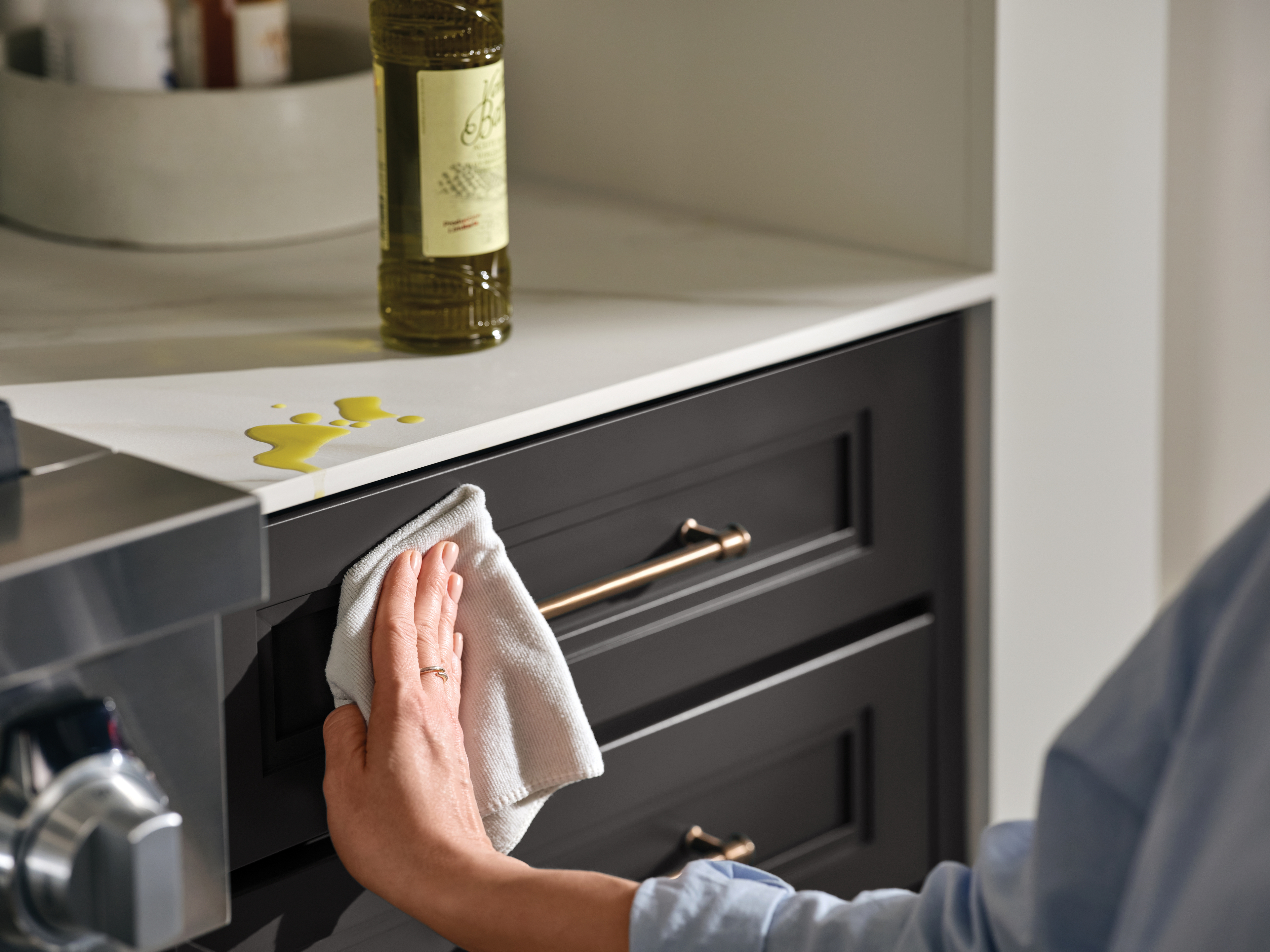
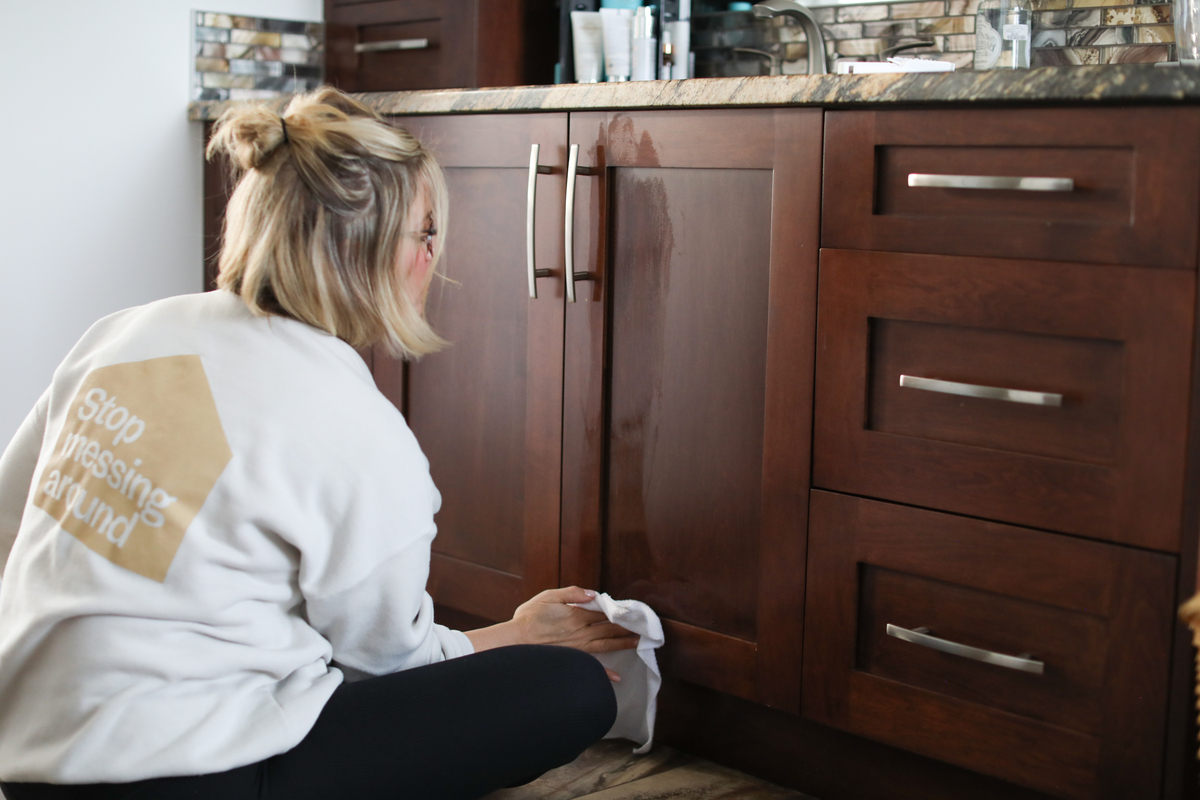
Choose a mild cleaner or a mix of warm water and dish soap. Dampen a clean cloth or sponge with the solution. Wipe all interior surfaces, including sides and bottom. Pay attention to sticky spots or stains. Rinse the cloth often and change water if it gets dirty. Finally, dry the drawer with a dry cloth to avoid moisture build-up.
Tackle Stubborn Stains
Stubborn stains in kitchen drawers can be frustrating, especially when spills have dried and left marks that just won’t come off with a simple wipe. Tackling these tough spots requires a bit more effort and the right cleaning agents. Whether you prefer natural solutions or commercial products, there are effective ways to restore your drawers to their clean, fresh state.
Use Natural Cleaners
Natural cleaners are gentle yet effective against many kitchen drawer stains. Baking soda is a personal favorite—it acts as a mild abrasive to lift stains without scratching surfaces. Sprinkle some baking soda on a damp cloth and rub the stained area in small circles.
Vinegar is another powerful natural cleaner. Mix equal parts white vinegar and water in a spray bottle, then spray on the stain and let it sit for a few minutes before wiping away. This combo works wonders on grease and sticky residues.
Have you tried lemon juice? Its natural acidity can break down stubborn grime. Apply lemon juice directly to the stain, allow it to sit for 5-10 minutes, then scrub gently with a soft brush or cloth.
Apply Commercial Products
If natural options don’t do the trick, commercial cleaners designed for kitchen use can be very effective. Look for products labeled safe for wood or laminate, depending on your drawer material. These cleaners often contain stronger agents that dissolve tough stains quickly.
Spray the product directly on the stain and wait according to the instructions—usually a few minutes. Use a microfiber cloth or sponge to scrub the area gently but firmly. Remember to test the cleaner on a small hidden spot first to avoid damaging the finish.
For greasy or oily stains, degreasers are a great choice. They cut through buildup that water and mild detergents can’t handle. How often do you let greasy residues sit in your drawers? Tackling them promptly can save you from heavy scrubbing later.
Credit: www.kraftmaid.com
Dry And Air Out
After wiping down your kitchen drawer, the next crucial step is to make sure it is completely dry and well-aired. Moisture left behind can cause unpleasant odors, mold, or damage to the drawer material. Taking time to dry and air out your drawers helps keep your kitchen fresh and your storage safe.
Use A Dry Cloth
Grab a clean, dry cloth to wipe the inside and outside of the drawer thoroughly. Pay special attention to corners and edges where moisture tends to hide. I once skipped this step and found a small patch of mold—definitely not worth the risk.
A microfiber cloth works best because it absorbs water quickly without leaving lint behind. If you don’t have one, any soft cotton cloth will do. Make sure you replace the cloth if it becomes too damp during the process.
Allow Time To Air
After wiping, leave the drawer open for at least 30 minutes to let fresh air circulate. This helps evaporate any remaining moisture that the cloth might have missed. You can speed this up by placing the drawer near a window or using a fan.
Ever wondered why some kitchens always smell fresher? It’s often because they let drawers and cabinets air out regularly. Try to make this a habit after cleaning to keep your kitchen drawer smelling clean and looking pristine.
Organize For Efficiency
Organizing your kitchen drawer for efficiency transforms a simple space into a powerhouse of convenience. When everything has its own place, you save time and reduce frustration during meal prep. Have you ever found yourself digging through a messy drawer just to find one small tool? That’s a clear sign your drawer needs a smarter setup.
Use Drawer Dividers
Drawer dividers help you keep items separated and easy to find. You can use adjustable plastic or wooden dividers to create compartments for utensils, gadgets, or spices.
- Group similar items together, like all measuring spoons in one section.
- Make sure the dividers fit snugly to prevent items from shifting when you open or close the drawer.
- Try using different sizes of compartments for small and large items to maximize space.
Once, I used dividers to separate cooking tools from baking supplies, and suddenly my morning routine got faster and less stressful. Could adding just a few dividers change how you use your kitchen drawer every day?
Label Sections
Labels guide you and everyone else in your household to return items to their proper spots. Simple label stickers or tags can make a big difference in keeping your drawer tidy.
- Use clear, easy-to-read fonts for quick identification.
- Label each compartment or section based on its contents, such as “Measuring Cups” or “Small Tools.”
- Consider color-coded labels if you share your kitchen with others to assign sections.
Labeling helps even guests find what they need without opening every drawer. How often do you wish someone could just find what they need in your kitchen without asking you?
Credit: www.housework.com
Replace Items Neatly
Replacing items neatly in your kitchen drawer keeps it tidy and easy to use. Proper arrangement saves time searching for tools and prevents clutter. It also protects items from damage and makes cleaning easier later.
Group Similar Items
Place like items together. Keep all measuring spoons in one spot. Store spatulas, ladles, and whisks in another section. Grouping helps find what you need quickly. It also creates a balanced look inside the drawer.
Avoid Overcrowding
Give each item enough space to fit comfortably. Overcrowding causes items to pile up and become messy. Leave some room for easy access and future additions. Use drawer dividers or small containers to keep things separate. This prevents items from shifting when opening and closing the drawer.
Maintain Cleanliness
Maintaining cleanliness in kitchen drawers keeps your space organized and hygienic. Clean drawers prevent buildup of crumbs, stains, and odors. A tidy drawer makes it easier to find utensils and tools. Consistent care extends the life of drawer liners and surfaces. Simple habits help you avoid deep cleaning tasks later.
Set Regular Cleaning Schedule
Choose a day each week to clean your kitchen drawers. Empty the drawer completely before wiping it down. Use a damp cloth and mild soap for cleaning. Dry the drawer fully to prevent moisture damage. Check for broken or worn liners and replace if needed. Regular cleaning stops dirt from building up over time.
Quick Daily Tidy-up
Spend a few minutes daily to keep drawers neat. Remove any food crumbs or spills immediately. Put items back in their designated spots after use. Avoid overcrowding to allow easy access and better airflow. A quick tidy helps maintain cleanliness without extra effort later.
Frequently Asked Questions
How Often Should I Clean Kitchen Drawers?
Clean kitchen drawers every 1-2 months to prevent dirt buildup. Frequent cleaning keeps utensils hygienic and avoids pests. Regular maintenance saves time and effort in the long run.
What Supplies Do I Need To Clean Kitchen Drawers?
Use mild soap, warm water, microfiber cloth, and a vacuum or brush. Optional: baking soda for odors and drawer liners for protection. These supplies ensure thorough and safe cleaning.
How Do I Remove Sticky Residue From Drawer Surfaces?
Apply warm soapy water and gently scrub with a cloth. For stubborn residue, use a mixture of vinegar and water. Always test a small area first to avoid damage.
Can I Use Disinfectants In Kitchen Drawers?
Yes, use mild disinfectants safe for surfaces. Avoid harsh chemicals that can damage drawer material. Disinfecting kills germs and keeps drawers hygienic.
Conclusion
Cleaning your kitchen drawer keeps your space neat and fresh. Regular cleaning stops dirt and germs from building up. Use simple tools like a cloth and mild soap. Take time to remove items and wipe every corner well. Small steps make a big difference in kitchen hygiene.
Clean drawers help you find things quickly and easily. Make this a regular habit for a tidy kitchen. A clean kitchen drawer means a happier cooking space.