
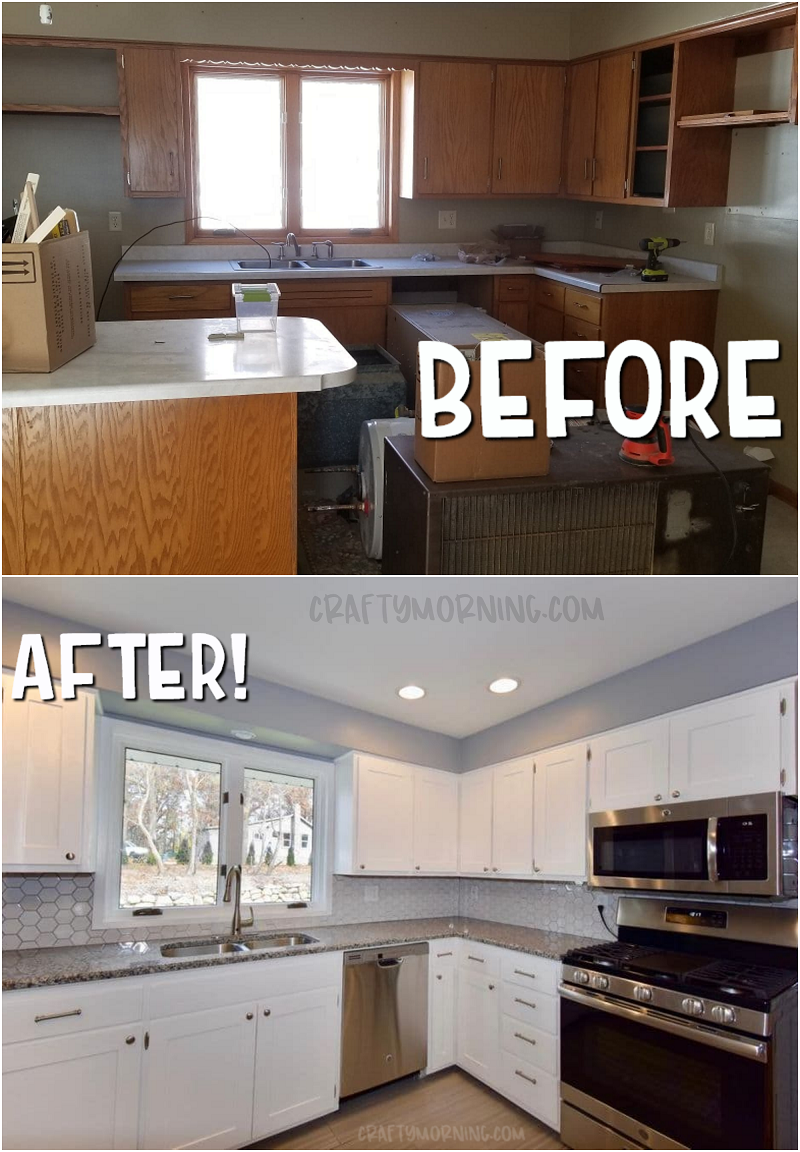
Are your kitchen cabinets looking plain or worn inside? Covering the inside of your kitchen cabinets can give them a fresh, clean look and protect the surfaces from stains and damage.
You don’t need to be a DIY expert or spend a fortune to make a big difference. You’ll discover simple, step-by-step ways to transform your cabinets with materials that fit your style and budget. Keep reading to find easy tips that will make your kitchen feel more organized and inviting every time you open a door.

Credit: www.tfdiaries.com
Choosing The Right Materials
Choosing the right materials is essential for covering the inside of kitchen cabinets. The right choice can protect surfaces, add style, and make cleaning easier. Different materials offer various benefits like durability, ease of installation, and design options.
Consider how you use your cabinets and what look you want before selecting materials. Some are simple to apply, while others need more effort but offer unique results. Think about moisture resistance and how often you will clean the cabinets.
Adhesive Shelf Liners
Adhesive shelf liners are easy to cut and apply. They protect cabinet surfaces from scratches, stains, and moisture. Most liners come in plain or patterned designs to fit any style.
Choose liners with a non-slip texture to keep items steady. These liners are affordable and can be replaced often without damage. Perfect for a quick refresh or for renters.
Contact Paper Options
Contact paper comes in many colors and patterns, including wood grain and marble. It sticks firmly and covers entire cabinet interiors smoothly. This material is water-resistant and easy to clean with a damp cloth.
Contact paper can hide worn or outdated cabinet surfaces. It requires careful measuring and smoothing to avoid bubbles. Great for adding a bold or subtle look depending on your choice.
Fabric And Wallpaper Choices
Fabric and wallpaper add texture and personality inside cabinets. Use wallpaper with washable finishes for easy maintenance. Fabric can be glued or stapled but may need sealing to protect from spills.
These options offer endless patterns and colors. They work well in dry cabinets or for decorative shelves. Choose thin materials to avoid bulk and ensure cabinet doors close properly.
Paint And Stencils
Painting inside cabinets allows full color customization. Use moisture-resistant paint for durability. Stencils add creative designs without much effort.
Painting takes time but results last longer than liners. Sand and clean surfaces before painting for best adhesion. Ideal for a fresh, unique look that matches your kitchen theme.
Preparing Cabinet Interiors
Preparing the inside of your kitchen cabinets before covering them is essential for a smooth and lasting finish. It’s not just about appearance; a well-prepared surface helps the new covering stick better and last longer. Taking time to prepare properly can save you from frustration later on.
Cleaning And Drying Surfaces
Start by thoroughly cleaning the cabinet interiors. Use a mild detergent mixed with water to wipe away grease, dust, and dirt. Avoid harsh chemicals that might damage the wood or leave a residue.
After cleaning, make sure the surfaces are completely dry. Moisture can prevent adhesives from bonding properly and cause bubbling under the new liner. Use a dry cloth and let the cabinet air out for a few hours if needed.
Removing Old Liners Or Residue
If your cabinets already have liners, peeling them off carefully is crucial. Use a plastic scraper or your fingernail to lift edges without scratching the wood. Patience here prevents damage and creates a clean slate for your new covering.
Sticky residue from old liners can be stubborn. Try a gentle adhesive remover or a mixture of baking soda and water applied with a soft cloth. Test any product on a small hidden area first to avoid discoloration.
Measuring For Accurate Fit
Accurate measurements make all the difference when cutting new liners. Measure the height, width, and depth of each cabinet section you plan to cover. Write down these numbers carefully and double-check them before cutting.
Consider adding a small extra margin—about 1/4 inch—to each dimension. This gives you some wiggle room for adjustments and ensures full coverage. Have you ever cut something just a bit too short and wished you had a little extra?
Step-by-step Installation
Begin by cleaning the inside surfaces of your kitchen cabinets thoroughly. Measure and cut the lining material to fit each cabinet’s interior precisely. Attach the lining using adhesive or double-sided tape, pressing firmly to avoid air bubbles.
To give your kitchen a fresh look, covering inside of your cabinets can work wonders. It is easy and affordable. Follow this simple guide to install liners perfectly.
Cutting Materials To Size
Measure the cabinet interiors accurately. Use a measuring tape for precision. Mark the measurements on your liner material. Use a sharp utility knife or scissors for clean cuts. Ensure edges are straight for a neat finish.
Applying Adhesive Liners
Peel the backing off the adhesive liner slowly. Start from one edge of the cabinet. Align the liner carefully, ensuring it's straight. Press down gently as you progress. This prevents misalignment.
Smoothing Out Bubbles And Wrinkles
Use a flat tool like a credit card. Smooth from the center to the edges. Push out any air bubbles. Adjust wrinkles by peeling back slightly and reapplying. Move slowly for best results.
Sealing Edges For Durability
Secure edges with clear sealant or tape. This prevents peeling over time. Apply along the liner's borders. Press firmly to ensure adhesion. Enjoy a durable and neat cabinet interior.

Credit: kitchenmakeovers.co.uk
Creative Design Ideas
Creative design ideas can transform plain kitchen cabinet interiors into stylish, functional spaces. These ideas make your kitchen feel personalized and organized. Even small changes can add charm and improve usability.
Using Patterns For Contrast
Patterns bring life to cabinet interiors. Choose geometric or floral prints for a bold look. Stripes or polka dots create playful contrast. Use peel-and-stick wallpaper or contact paper for easy application. Patterns brighten dark cabinets and add visual interest.
Mixing Textures And Colors
Combine different textures for depth and style. Matte, glossy, or wood finishes work well together. Soft pastel colors contrast nicely with rich, dark tones. Use textured liners or fabric to add warmth. Mixing colors and textures makes cabinets inviting and unique.
Adding Labels And Organizers
Labels help keep things tidy and easy to find. Use chalkboard labels or printed tags for clarity. Organizers like baskets, trays, and dividers improve storage. Group similar items together for quick access. Labels and organizers create a neat, efficient kitchen space.
Maintenance And Upkeep
Keeping the inside of your kitchen cabinets looking fresh and clean is easier than you might think. Proper maintenance and upkeep not only protect your cabinet interiors but also extend the life of any liners or coverings you use. Let’s dive into practical ways to maintain your cabinet interiors and avoid common pitfalls.
Cleaning Tips For Longevity
Regular cleaning can prevent stains and buildup that wear down cabinet liners. Use a soft cloth and mild detergent to wipe down surfaces every few weeks. Avoid harsh chemicals that can damage the liner’s material or cause discoloration.
For stubborn spots, dampen a cloth with warm water and gently scrub. Make sure to dry the area completely afterward to prevent moisture from seeping in. Have you noticed how quickly crumbs and spills accumulate inside your cabinets? Addressing them promptly keeps your liners looking new.
When To Replace Liners
Check your liners periodically for tears, stains, or warping. If you see visible damage or persistent odors, it’s time to replace them. Liners that have lost their grip or have become brittle no longer protect your cabinets effectively.
Consider replacing liners every 1 to 2 years, depending on usage and material quality. This small effort saves you from bigger cabinet repairs later. Have you ever ignored worn liners only to find permanent stains or damage underneath?
Preventing Moisture Damage
Moisture is the biggest enemy of kitchen cabinet interiors. To prevent damage, always wipe up spills immediately and avoid storing wet items directly on liners. Using moisture-resistant liners can also provide an extra layer of protection.
Ensure your kitchen has good ventilation to reduce humidity levels. Installing a small dehumidifier or exhaust fan near your cabinets can make a significant difference. How often do you check for hidden leaks or condensation that might harm your cabinet interiors?

Credit: plankhardware.com
Frequently Asked Questions
How Do I Prepare Kitchen Cabinets For Covering?
Clean the inside surfaces thoroughly. Remove grease and dirt using mild detergent. Sand lightly to ensure better adhesion. Let the surface dry completely before applying any covering material.
What Materials Are Best For Covering Cabinet Interiors?
Adhesive vinyl, contact paper, and wallpaper are popular. They are easy to apply and clean. Choose moisture-resistant and durable materials for long-lasting results.
Can I Cover Cabinets Without Professional Help?
Yes, most coverings are DIY-friendly. Follow instructions carefully for best results. Use simple tools like a utility knife and a smoothing tool. Take your time to avoid bubbles or wrinkles.
How Do I Maintain Covered Kitchen Cabinet Interiors?
Wipe regularly with a damp cloth to remove spills. Avoid abrasive cleaners that can damage the surface. Check for peeling edges and reapply adhesive if needed.
Conclusion
Covering the inside of kitchen cabinets is a smart way to refresh your space. It protects surfaces and adds a personal touch. Choose materials that suit your style and needs. Take your time measuring and cutting for the best fit.
Simple steps can make a big difference in appearance. Enjoy your updated cabinets every day. Small changes bring a fresh look without much effort. Try it yourself and see how easy it can be. Your kitchen will feel cleaner and more organized too.