

Are you tired of looking at those old tiles in your kitchen? Maybe they’re cracked, outdated, or just don’t fit your style anymore.
The good news is, you don’t have to tear everything out to get a fresh, new look. Covering your kitchen tiles can be a quick and affordable way to transform the space you use every day. You’ll discover simple, effective methods to cover your kitchen tiles without the mess and hassle of a full renovation.
Ready to see how easy it can be to give your kitchen a stylish upgrade? Keep reading—you’re about to learn the best tips and tricks to make your kitchen shine.
Reasons To Cover Kitchen Tiles
Covering kitchen tiles is a smart choice for many homeowners looking to refresh their space without a full renovation. There are several compelling reasons why you might want to cover your kitchen tiles instead of removing them. Whether your tiles look outdated, show signs of wear, or you want a budget-friendly update, covering tiles can be a practical solution.
Updating Outdated Styles
Your kitchen tiles might have been trendy years ago, but styles change fast. Covering them allows you to bring your kitchen into the present without tearing everything out. Think about switching from old-fashioned patterns or colors to sleek, modern designs that match your current taste.
Have you ever felt stuck with a look you no longer like just because the tiles are permanent? Covering tiles gives you the freedom to personalize your kitchen and create a space you actually enjoy spending time in.
Hiding Damage And Stains
Tiles can crack, chip, or develop stubborn stains over time. These flaws not only look unattractive but can also be hard to clean or repair. Covering your tiles is an effective way to hide these imperfections instantly.
Instead of wrestling with grout stains or damaged edges, you can apply new surfaces like peel-and-stick tiles or panels that conceal all the damage. This approach saves you the hassle and mess of demolition.
Cost-effective Makeover
Replacing tiles can be expensive and time-consuming. Covering them offers a budget-friendly makeover that still delivers a fresh look. You save money on labor and materials by avoiding tile removal and installation.
Plus, many covering options are DIY-friendly, so you can take control of the project and save even more. Isn’t it great to improve your kitchen’s appearance without draining your wallet?
Choosing The Right Covering Material
Choosing the right covering material is key for a kitchen tile makeover. The material affects the look, durability, and ease of installation. Some options are simple to apply and remove. Others offer long-lasting protection and style. Consider your skill level, budget, and kitchen use before deciding. Each material has unique benefits and drawbacks.
Peel-and-stick Tiles
Peel-and-stick tiles offer a quick and easy solution. They come with adhesive backs that stick directly to tiles. No extra glue or tools are needed. These tiles come in many designs and colors. They are water-resistant and easy to clean. Ideal for renters or those who want a temporary change.
Paint For Tiles
Painting tiles is a cost-effective way to update a kitchen. Special tile paint ensures good adhesion and durability. The surface must be clean and sanded before painting. Several coats may be needed for full coverage. Paint allows you to customize colors and patterns. Best for smooth, ceramic tiles in low-traffic areas.
Tile Overlays And Panels
Tile overlays and panels cover existing tiles completely. They come in large sheets or slabs. Installation involves attaching panels with adhesive or screws. These options hide old tiles and grout lines. They create a fresh, modern look with minimal mess. Panels are strong and easy to wipe clean.
Wallpaper And Vinyl Options
Wallpaper and vinyl offer creative ways to cover tiles. Vinyl is waterproof and easy to apply. Wallpapers designed for kitchens resist moisture and stains. Both materials come in many patterns and textures. They work well for backsplashes and small areas. Easy removal makes them great for updates or rentals.
Preparing Tiles For Covering
Preparing tiles for covering ensures a smooth, long-lasting finish. It involves several key steps to create a clean and stable surface. Proper preparation prevents peeling and bubbling later. Start by removing dirt and grease, then fix any damage.
Cleaning And Degreasing
Thorough cleaning removes grime and kitchen oils from tiles. Use warm water with mild detergent and a sponge. Scrub tiles gently to clear away all dirt. Rinse with clean water and dry completely. Avoid harsh chemicals that can damage tile surfaces.
Repairing Cracks And Chips
Inspect tiles closely for cracks or chips. Small cracks can cause paint or covering to fail. Fill damaged areas with tile filler or epoxy putty. Smooth the surface with a putty knife. Let repairs dry fully before continuing.
Sanding And Priming
Light sanding creates a rough texture for better adhesion. Use fine-grit sandpaper and sand evenly across tiles. Wipe away dust with a damp cloth. Apply a high-quality primer designed for tiles. Primer improves coverage and bonding of new materials.
Step-by-step Covering Techniques
Covering kitchen tiles transforms your space without a full remodel. Choose a method that suits your style and budget. Follow clear steps for a smooth finish. Each technique offers unique benefits and simple application. Prepare your kitchen surface well before starting any covering project. Clean tiles thoroughly and repair any damage. This ensures new covers stick properly and look great.
Applying Tile Paint
Start by cleaning tiles with a strong degreaser. Let tiles dry completely before painting. Use painter’s tape to protect edges and fixtures. Apply a primer designed for glossy surfaces. Allow primer to dry fully. Use a high-quality tile paint with a small roller or brush. Apply thin, even coats to avoid drips. Let paint dry between coats for best coverage. Finish with a clear sealant to protect the paint.
Installing Peel-and-stick Tiles
Clean tiles with rubbing alcohol to remove residue. Measure the area and cut peel-and-stick tiles to size. Peel off the backing carefully. Press tiles firmly onto the surface, starting from one corner. Smooth out air bubbles with a plastic card. Use a utility knife to trim edges for a perfect fit. Peel-and-stick tiles dry instantly and require no grout.
Mounting Tile Panels
Measure the wall and cut panels to fit using a saw. Clean the tile surface and dry it well. Apply strong adhesive to the back of each panel. Press panels firmly against the wall, aligning edges carefully. Use spacers if needed to keep gaps even. Secure panels with nails or screws if necessary. Seal the edges with waterproof caulk to prevent water damage.
Using Wallpaper Effectively
Choose wallpaper made for kitchens or moisture areas. Clean tiles thoroughly and let dry completely. Use a primer to help wallpaper stick better. Cut wallpaper to fit the tile area precisely. Apply wallpaper paste evenly with a brush or roller. Press wallpaper onto tiles, smoothing wrinkles as you go. Trim excess paper with a sharp blade. Seal wallpaper edges with clear waterproof sealant for durability.
Creative Styles And Patterns
Transforming your kitchen tiles with creative styles and patterns can breathe new life into your space. Instead of opting for a complete renovation, consider the endless possibilities that creative tiling offers. Whether you prefer bold statements or subtle elegance, there's a style that can perfectly match your taste and enhance your kitchen’s aesthetic.
Geometric Designs
Geometric designs can add a modern and structured look to your kitchen. Think of hexagons, chevrons, or diamond shapes that create a visually appealing backdrop. These designs not only add depth but also make your kitchen appear more organized and cohesive. Consider using contrasting colors within the geometric patterns to amplify the visual interest.
Textured Finishes
Textured finishes bring a tactile element that can make your kitchen feel more inviting. By using tiles with a raised or uneven surface, you add dimension to your walls. These finishes can vary from subtle stone-like textures to more pronounced 3D effects. The tactile experience can also be a conversation starter when guests admire your unique kitchen design.
Bold Colors And Contrasts
If you’re looking to make a statement, bold colors and contrasts are the way to go. Rich blues, vibrant reds, or even a stark black and white combo can transform your kitchen into a striking visual masterpiece. These colors can invigorate the space and reflect your personality. Consider the mood you want to set—do you want your kitchen to feel energizing or calming?
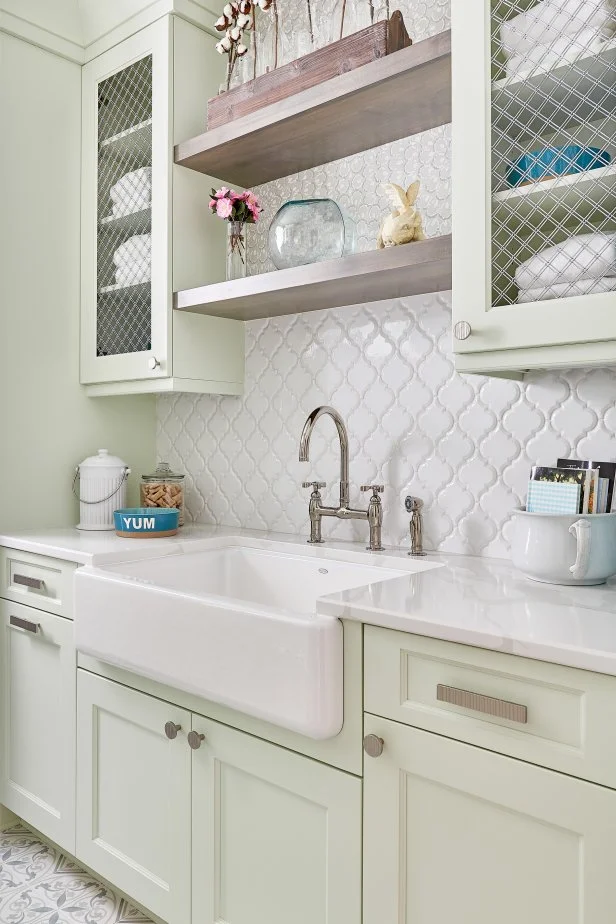
Subtle Neutral Looks
For those who prefer a more understated approach, subtle neutral looks can provide a timeless elegance. Soft grays, warm beiges, and off-whites can create a serene and sophisticated atmosphere. These colors are versatile, allowing you to easily change other elements like cabinetry or accessories without clashing. Neutrals can provide a perfect backdrop for showcasing colorful kitchenware or art.
So, which style resonates with you? Whether you choose bold patterns or subtle textures, updating your kitchen tiles can be an exciting and rewarding project. Embrace your creativity and watch how a simple change can refresh the heart of your home.
Credit: www.hgtv.com
Maintenance Tips For Covered Tiles
Maintaining covered tiles in your kitchen keeps the space fresh and attractive. Proper care extends the life of the covering and preserves its look. Follow simple tips to clean, protect, and repair the surface easily.
Cleaning Methods
Use mild soap and warm water for regular cleaning. Avoid harsh chemicals that may damage the covering. A soft cloth or sponge works best to wipe the surface gently. For tough stains, try a baking soda paste and let it sit before wiping. Dry the area with a clean towel to prevent water spots.
Avoiding Damage
- Do not use abrasive scrubbers or steel wool on covered tiles.
- Avoid dragging heavy pots or sharp objects across the surface.
- Keep hot pans off the covering to prevent heat damage.
- Wipe spills quickly to stop stains or moisture buildup.
- Use cutting boards and trivets to protect the surface.
Touch-up Ideas
Small chips or scratches can be fixed with matching paint or repair kits. Apply a thin layer carefully and let it dry completely. For larger areas, consider reapplying tile covering or using decorative stickers. Keep some extra covering material for future repairs. Regularly inspect the surface to catch damage early.
Common Mistakes To Avoid
Covering tiles in a kitchen can transform the space quickly. Avoiding common mistakes helps ensure the project lasts long and looks great. Many problems start early in the process and can cause frustration later.
Ignoring Surface Prep
Surface preparation is crucial for a smooth finish. Dirty or greasy tiles stop new materials from sticking well. Remove old grout and clean tiles thoroughly before starting. Sanding the surface can help new layers bond better.
Choosing Wrong Materials
Not all materials fit every kitchen tile project. Some coverings do not hold up to heat or moisture. Choose products made for kitchen use and tile surfaces. Check if the material is easy to clean and resistant to stains.
Overlooking Adhesion Issues
Adhesion problems cause tiles to peel or bubble over time. Use the right adhesive recommended for the covering and tile type. Follow instructions carefully for mixing and applying glue. Test a small area before covering the entire surface.

Credit: food52.com
Budget-friendly Renovation Ideas
Renovating your kitchen without breaking the bank is possible with smart planning and creative ideas. Covering tiles can transform the look of your kitchen quickly and affordably. Let's look at practical ways to refresh your kitchen tiles while keeping costs low and results high.
Diy Vs Professional Help
Deciding whether to take on the tile covering yourself or hire a professional depends on your skills and budget.
DIY saves money but demands time and patience. If you enjoy hands-on projects, covering tiles with peel-and-stick options or painting could be a perfect fit. However, complex tasks like re-tiling or installing backer boards might need a pro to avoid costly mistakes.
Consider your confidence level: Can you handle precise cuts and grout application? If unsure, a professional's expertise can ensure a polished finish that lasts. Sometimes, paying for help upfront prevents expensive repairs later.
Affordable Material Choices
Choosing the right materials can drastically reduce your renovation costs while still giving you a stylish kitchen update.
- Peel-and-stick tiles:These are budget-friendly, easy to install, and come in many designs.
- Tile paint:A great way to refresh old tiles without removing them.
- Laminate sheets:Affordable and available in various patterns, they can cover tiles smoothly.
- Beadboard panels:Add texture and charm over plain tiled walls.
Mixing and matching these materials can create a unique look without overspending. Have you checked local hardware stores for discounts or clearance sales? Sometimes, savings hide in unexpected places.
Maximizing Small Spaces
Small kitchens need smart tile covering solutions that enhance space and light without clutter.
Light colors like whites or pastels open up the room visually. Glossy finishes reflect light and make the area feel bigger. Using vertical patterns or larger tiles can reduce visual busyness.
Consider mirrors or glass tiles in the backsplash to bounce light around. How can you make your kitchen feel more spacious with just a tile change? Experimenting with these ideas can turn a cramped kitchen into a welcoming cooking space.

Credit: www.reddit.com
Frequently Asked Questions
How Can I Cover Kitchen Tiles Without Removing Them?
You can cover kitchen tiles using peel-and-stick vinyl, beadboard panels, or tile overlays. These options save time and avoid mess. They are cost-effective and easy to install, offering a fresh look without demolition.
What Materials Work Best To Cover Kitchen Tiles?
Peel-and-stick vinyl, plywood panels, and shiplap are popular materials. They are durable, moisture-resistant, and easy to clean. Choose materials that match your kitchen style and withstand humidity.
Is It Possible To Paint Over Kitchen Tiles?
Yes, you can paint tiles using special tile paint and primer. Proper surface cleaning and sanding are crucial. Painted tiles provide a budget-friendly update but may require touch-ups over time.
How Do I Prepare Tiles Before Covering Them?
Clean tiles thoroughly to remove grease and dirt. Sand the surface lightly for better adhesion. Ensure the tiles are dry and repair any cracks before applying coverings.
Conclusion
Covering kitchen tiles can refresh your space quickly and affordably. Choose the right materials based on your style and budget. Prepare the surface well to ensure good adhesion. Take your time with measurements and cutting for a neat finish. Small efforts lead to big changes in your kitchen’s look.
Enjoy the process and the new feel of your kitchen. This simple update can make cooking and cleaning more pleasant. Start your project today and see the difference it brings.