
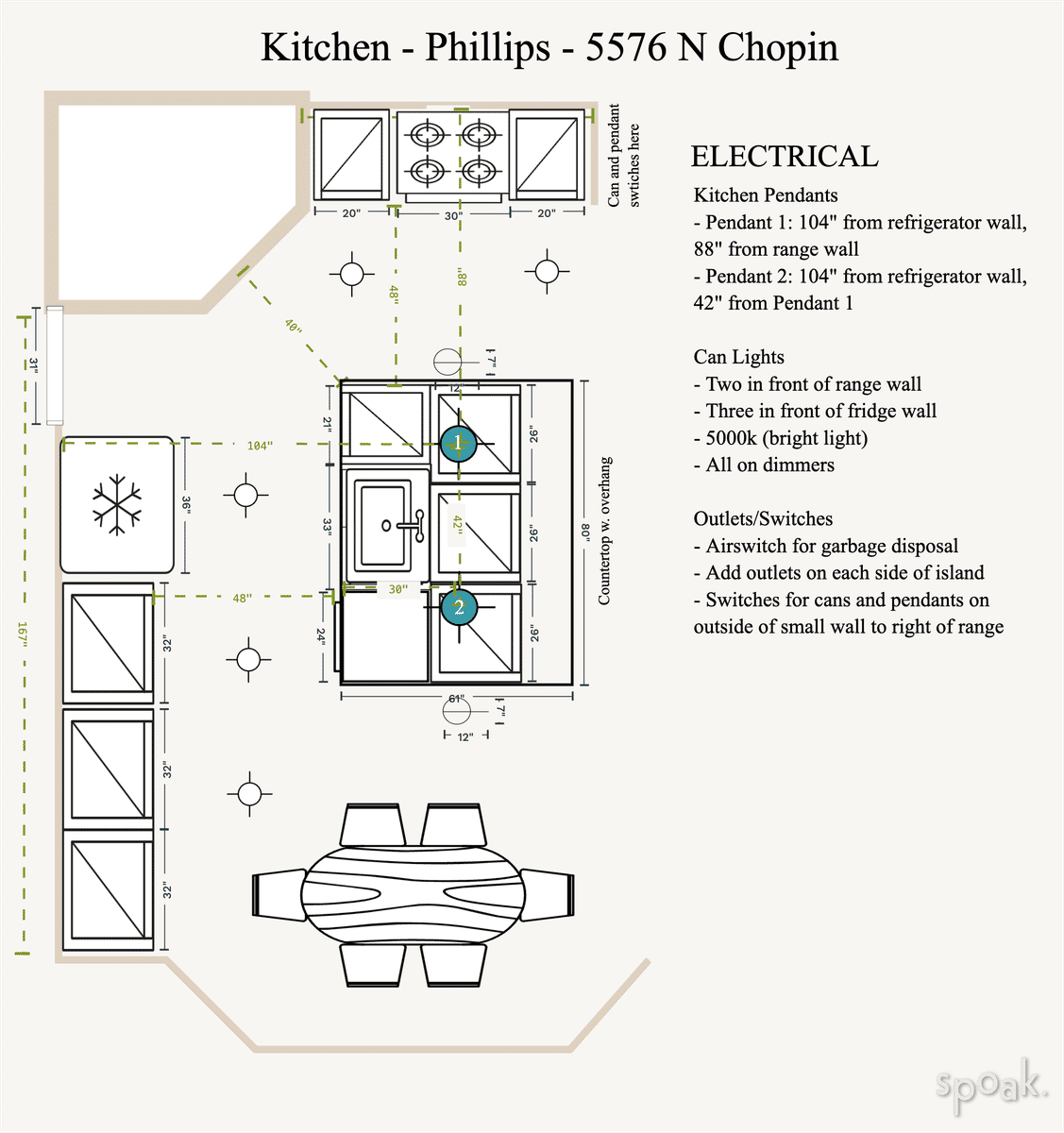
Are you ready to transform your kitchen ideas into a clear, easy-to-follow plan? Drawing a kitchen layout might sound tricky, but it doesn’t have to be.
With the right steps, you can create a design that fits your space perfectly and makes cooking more enjoyable. In this guide, you’ll discover simple tips and tricks that anyone can use to draw a kitchen layout quickly and confidently.
Keep reading, and by the end, you’ll have the skills to map out your dream kitchen with ease.
Planning Your Kitchen Space
Planning your kitchen space is the first step to drawing an easy kitchen layout. It sets the foundation for a functional and comfortable kitchen. Careful planning helps you use space wisely and create a smooth workflow.
Assessing Available Space
Start by measuring the entire kitchen area. Note the length, width, and height of walls. Mark the locations of doors, windows, and fixed features like radiators or vents.
Identify any obstacles that limit placement of appliances or cabinets. This helps avoid mistakes during layout design. Use graph paper or a digital tool to sketch the space to scale.
Identifying Key Work Zones
Divide your kitchen into three main zones: cooking, cleaning, and storage. The cooking zone includes the stove and oven. The cleaning zone centers around the sink and dishwasher. Storage covers the fridge and pantry areas.
Plan these zones close enough for easy movement. Keep frequently used items within reach. Clear separation of zones reduces clutter and speeds up kitchen tasks.
Considering Traffic Flow
Think about how people will move through the kitchen. Avoid placing work zones in busy walkways. Ensure enough space for more than one person to move comfortably.
Leave clear paths between appliances and counters. Plan door swings and cabinet openings to avoid blocking traffic. Smooth flow improves safety and convenience in the kitchen.

Credit: postdigitalarchitecture.com
Choosing The Right Layout
Choosing the right kitchen layout is key to making your cooking space both efficient and enjoyable. The layout affects how you move, store, and use your kitchen appliances and tools. Think about how you use your kitchen daily—do you cook alone, or is it a family hub? Your answer will guide you to the best layout for your needs.
Single Wall Kitchens
Single wall kitchens place all appliances and cabinets along one wall. This setup works best in small spaces or open-plan rooms. It keeps everything within easy reach but can limit counter space.
If you live alone or rarely cook large meals, this layout might be perfect. Adding a kitchen island can provide extra workspace and storage without crowding the room.
L-shaped Designs
L-shaped kitchens use two adjacent walls, forming a natural corner. This layout offers more counter space and room for multiple people to cook at once. It’s great for open floor plans and can separate cooking from dining areas.
Think about placing the sink on one wall and the stove on the other to create an efficient work triangle. Have you considered how much space you need for food prep and cleanup?
U-shaped Setups
U-shaped kitchens wrap around three walls, giving you ample counter space and storage. This layout suits larger kitchens and those who like to keep everything within arm’s reach. It also helps create distinct zones for cooking, washing, and storage.
However, it can feel cramped if the space between the counters is too narrow. Measure carefully to ensure you have enough walking space while maximizing your counters.
Galley Kitchens
Galley kitchens consist of two parallel walls with a walkway in between. This design is highly efficient for cooking and works well in narrow spaces. It minimizes movement, letting you easily switch between stove, sink, and fridge.
Consider adding open shelves or glass cabinets to avoid feeling boxed in. Do you have enough room for two people to work side by side, or will it be a solo cooking zone?
Gathering Essential Tools
Creating an efficient kitchen layout begins with gathering essential tools. These tools will help you visualize and plan your kitchen space effectively. From basic drawing supplies to advanced digital apps, each tool plays a vital role. Let's explore the key tools needed for designing a simple kitchen layout.
Drawing Supplies
Start with basic drawing tools to sketch your ideas. Use graph paper for precise measurements. Pencils and erasers allow for easy corrections. Rulers and compasses help in drawing straight lines and curves. These supplies are perfect for initial design concepts.
Digital Tools And Apps
Digital tools offer advanced features for design planning. Use apps like SketchUp or Floorplanner to create detailed layouts. These apps provide 3D views, making it easier to visualize. Some apps even offer kitchen-specific templates. Experiment with different designs quickly and efficiently.
Measuring Instruments
Accurate measurements are crucial for a functional kitchen. Use a tape measure to get exact dimensions of your space. Laser measures offer precision and ease of use. Always double-check measurements to ensure accuracy. Proper measurements prevent design errors and save time.
Measuring Your Kitchen
Measuring your kitchen is the first essential step in creating an accurate layout. Precise measurements help avoid costly mistakes and ensure your design fits perfectly. Take your time to gather all the necessary data before starting your drawing.
Recording Dimensions
Use a tape measure to record the length and width of your kitchen walls. Measure from corner to corner for each wall. Write down the numbers clearly on paper or your phone. Measure twice to confirm accuracy. Include the ceiling height for better planning.
Marking Doorways And Windows
Identify all doors and windows in the kitchen space. Measure their width and height precisely. Note the distance from each opening to the nearest corner of the wall. Mark their position on your sketch to avoid blocking them with cabinets or appliances.
Noting Plumbing And Electrical Points
Locate all plumbing fixtures like sinks and water lines. Measure their position relative to walls and corners. Do the same for electrical outlets, switches, and light fixtures. Mark these points clearly on your layout to plan appliance placement effectively.
Sketching The Basic Floor Plan
Sketching the basic floor plan is the first step in designing a kitchen layout. It helps visualize space and organize elements logically. A clear floor plan ensures smooth workflow and efficient use of space. Start with simple lines and shapes to map out the kitchen area.
Drawing Walls And Boundaries
Begin by outlining the kitchen walls on your paper or software. Use straight lines to mark the boundaries clearly. Include any partial walls or columns that affect the space. Keep measurements accurate to reflect the real size of the room. This framework sets the stage for all other design details.
Placing Doors And Windows
Mark the locations of doors and windows within the walls. Show the door swing direction with a curved line. Windows should be drawn as rectangles or lines on the walls. Their size and placement affect light and ventilation. This step helps plan around these openings for better space use.
Adding Fixed Features
Identify fixed features like sinks, stoves, and refrigerators. Sketch their approximate size and position inside the floor plan. Include built-in cabinets and countertops as well. These features guide the flow and usability of the kitchen. Position them thoughtfully to avoid clutter and enhance comfort.
Adding Cabinets And Appliances
Adding cabinets and appliances transforms your basic kitchen layout into a functional workspace. It’s where design meets daily life, so every choice matters. How you position these elements affects both convenience and flow, making your kitchen a joy to cook in.
Positioning Cabinets
Start by planning the placement of your cabinets along the walls. Base cabinets should be easy to reach and work with, while upper cabinets can store less-used items higher up. Think about how much countertop space you want between cabinets for prep work.
Consider leaving some open shelves or glass-front cabinets to break up the solid cabinet lines. This adds visual interest and lets you display favorite dishes or cookbooks. Have you noticed how a well-placed cabinet can make a kitchen feel more spacious?
Arranging Major Appliances
Place your refrigerator, stove, and sink in a triangle layout to minimize walking distance during cooking. This classic setup saves time and energy. Keep the fridge near the entrance for quick access to snacks or ingredients.
The stove should have countertop space on both sides for easy handling of pots and pans. Don’t forget to leave room for the dishwasher near the sink to make cleanup seamless. What’s your biggest frustration with appliance placement in your current kitchen?
Incorporating Storage Solutions
Think beyond standard cabinets by adding pull-out drawers, lazy Susans, or vertical dividers. These options help maximize space and keep everything organized. You’ll find it easier to grab what you need without digging through clutter.
Use corners wisely with specialized corner units that swing out or rotate. Add hooks or magnetic strips inside cabinet doors to hold utensils or spices. Have you tried creative storage tricks that changed how you use your kitchen?
Designing Work Triangles
Designing work triangles is key to creating a kitchen layout that feels natural and saves you effort. The work triangle connects the sink, stove, and refrigerator—the three main areas where most kitchen tasks happen. When these points are placed well, your kitchen flows smoothly and you spend less time walking around.
Connecting Sink, Stove, And Refrigerator
Think about placing the sink, stove, and refrigerator so they form a triangle. Each side of this triangle should be between 4 and 9 feet to keep everything within easy reach. If the triangle is too large, you waste energy walking back and forth; too small, and your kitchen feels cramped.
Try to avoid placing obstacles like cabinets or islands that block the paths between these points. Imagine grabbing ingredients from the fridge, washing them, and cooking—all without bumping into anything. This clear path makes your kitchen much more enjoyable to work in.
Optimizing Efficiency
Efficiency means cutting down unnecessary steps. Place the refrigerator near the entrance so you can unload groceries quickly. The sink should sit between the fridge and stove to make washing and prepping smoother.
Think about your cooking style. If you bake a lot, a nearby counter space next to the stove is a smart addition. This way, you can easily move items from the oven to the prep area without juggling plates or spilling food.
Avoiding Common Mistakes
A common mistake is ignoring enough counter space near each work point. You need room to set things down, chop, or mix ingredients. Without this, your kitchen feels cluttered and frustrating.
Another pitfall is placing the refrigerator too far from the stove or sink. This setup forces extra walking and wastes time. Also, don’t put the stove too close to windows or doors where drafts can affect cooking.
Ask yourself: Does this layout make cooking easy, or does it create obstacles? Design your work triangle with your daily habits in mind, and your kitchen will become your favorite room to spend time in.
Finalizing Your Layout
Finalizing your kitchen layout is where your ideas come together into a practical plan. This step ensures that your design will work well in real life, not just on paper. Taking the time to review and refine your layout can save you from costly mistakes and frustrations later.
Reviewing Measurements
Check every measurement carefully. Double-check the dimensions of your kitchen space, including walls, windows, doors, and appliances. Are the distances between key areas like the sink, stove, and refrigerator comfortable for movement?
Imagine trying to open your fridge door fully but hitting a nearby cabinet. Such details matter. Use a tape measure or digital tool to confirm each number and note any discrepancies.
Making Adjustments
After reviewing, adjust your layout to fix any issues. Maybe the countertop space feels too tight, or the walking path is too narrow. Don’t hesitate to move elements around until the flow feels natural.
Think about how you use your kitchen daily. Does the placement of the stove allow easy access to pots and pans? Can you reach the sink without crossing the cooking zone? Small tweaks here can improve your cooking experience drastically.
Creating A Clean Copy
Once you are satisfied with your layout, redraw it neatly. A clean copy helps you visualize the final design clearly and share it with contractors or family members. Use clear lines, labels, and consistent scale to avoid confusion.
Keeping this copy handy during installation can guide the process and prevent errors. Have you ever tried building something without a clear plan? A neat layout saves you from that hassle.
Tips For Beginners
Starting your first kitchen layout can feel overwhelming. But with the right approach, you can create a clear and functional design without stress. These tips will help you take simple, smart steps toward drawing a kitchen layout that works for you.
Starting Simple
Begin by sketching your kitchen’s basic shape and size. Avoid adding too many details at first. Focus on key elements like counters, sink, stove, and fridge placement.
Think about how you move while cooking. Could you arrange your main appliances in a triangle for easy reach? This simple pattern often improves kitchen flow.
Using Templates
Templates save time and reduce guesswork. You can find free kitchen layout templates online or in design software. These templates provide standard measurements and appliance sizes to guide your drawing.
Try printing a few templates and marking your space and preferences on them. This hands-on approach helps you visualize without starting from scratch. How might this change your view of your kitchen’s potential?
Seeking Inspiration
Look at photos of kitchens you like to get ideas. Notice how others organize space, choose colors, and combine materials. Inspiration can spark creative solutions you hadn’t considered.
Visit local showrooms or browse social media boards for fresh ideas. What features catch your eye? Jot down these details to add personality and function to your own layout.

Credit: www.dreamstime.com

Credit: www.sketchy-city.com
Frequently Asked Questions
What Tools Are Needed To Draw A Kitchen Layout Easily?
To draw a kitchen layout, use graph paper, pencils, a ruler, and measuring tape. Digital tools like SketchUp or RoomSketcher also help. These tools ensure precise measurements and clear designs for effective kitchen planning.
How Do I Measure My Kitchen For Layout Drawing?
Measure your kitchen's length, width, and height accurately. Include doors, windows, and fixed appliances. Record all dimensions to scale, ensuring your layout reflects the actual space for better planning.
What Is The Best Layout For A Small Kitchen?
For small kitchens, use the L-shape or galley layout. These designs maximize space and improve workflow. They offer efficient storage and easy access to appliances, making cooking convenient in limited areas.
How Can I Optimize Kitchen Workflow In My Layout?
Arrange your kitchen in a work triangle between the sink, stove, and refrigerator. This minimizes movement and boosts efficiency. Keep frequently used items within reach to streamline cooking and cleaning processes.
Conclusion
Drawing a kitchen layout can be simple and fun. Start with basic shapes and add important elements. Keep the space practical and easy to move around. Think about where the stove, sink, and fridge should go. Measure carefully to avoid mistakes later.
Practice helps improve your design skills. Soon, you will create layouts that fit your needs perfectly. Enjoy the process and make your kitchen plan clear. This way, your cooking space will be both useful and nice.