
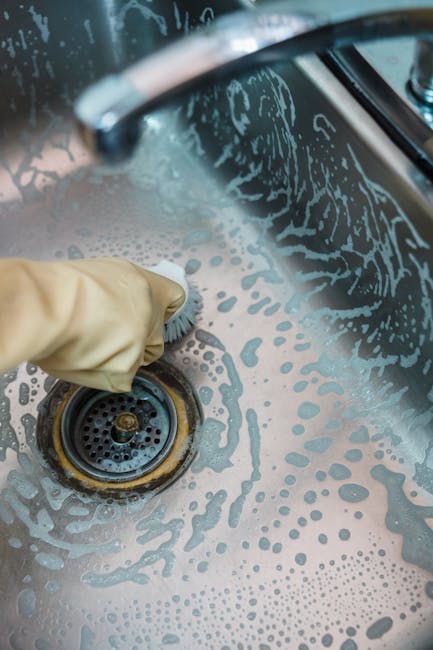
Are you tired of dealing with slow draining water or pesky clogs in your kitchen sink? Installing a kitchen sink drain basket can be the simple fix you need to keep your sink running smoothly.
Not only does it catch food scraps and prevent blockages, but it also makes cleaning easier. In this guide, you’ll learn exactly how to install a drain basket quickly and correctly—no plumbing degree required. Keep reading, and by the end, you’ll have a practical skill that saves you time, hassle, and even money on repairs.
Let’s get started!

Credit: www.familyhandyman.com
Tools And Materials Needed
Before you start installing your kitchen sink drain basket, gather all the necessary tools and materials. Having everything ready saves time and prevents frustration during the process. Missing a small item can turn a simple task into a complicated one, so preparation is key.
Essential Tools
- Adjustable wrench:This helps you tighten or loosen nuts and bolts without damaging them.
- Pipe wrench:Useful for gripping and turning pipes, especially if they’re stuck.
- Screwdriver:Both flathead and Phillips screwdrivers might be needed to remove or secure screws.
- Plumber’s putty knife:Handy for applying plumber’s putty smoothly around the drain basket.
- Bucket:To catch any water drips when you disconnect the old drain parts.
- Rags or towels:Keep your workspace dry and clean.
Required Materials
- Kitchen sink drain basket:Choose one that fits your sink’s drain hole size and style.
- Plumber’s putty or silicone sealant:This creates a watertight seal around the drain basket.
- Drain flange and gasket:These components usually come with the drain basket but check to be sure.
- Tailpiece and slip nuts:Essential for connecting the drain basket to the plumbing under your sink.
- Teflon tape:Wrap this on threaded connections to prevent leaks.
Have you ever started a project only to realize you lacked a small tool that caused delays? Taking a moment to double-check your list can save you from that hassle. What tools do you already have, and which ones might you need to pick up before you begin?

Credit: www.youtube.com
Preparing The Sink Area
Preparing the sink area is the first step for a smooth installation of your kitchen sink drain basket. This phase ensures the workspace is clean and the old drain basket is removed properly. A tidy area helps prevent mistakes and makes the process faster. Follow these steps carefully for the best results.
Clearing The Workspace
Remove all items around and under the sink. Clear cleaning supplies, dishes, and any clutter. Use a flashlight to check for hidden items or water leaks. Lay down a towel or bucket to catch any spills. This protects your cabinet and keeps the area dry.
Removing The Old Drain Basket
Turn off the water supply below the sink. Place a bucket under the drain to catch water. Loosen the locking nut that holds the old drain basket. Use pliers or a wrench if needed. Gently pull out the old drain basket from the sink hole. Clean the sink surface to remove old putty or debris before installing the new basket.
Installing The New Drain Basket
Begin by removing the old drain basket carefully from the sink. Fit the new basket into the drain hole, ensuring a tight seal. Secure it firmly with the mounting nut underneath to prevent leaks.
Installing a new kitchen sink drain basket can enhance your kitchen's functionality. It prevents clogs and ensures smooth water flow. Follow these steps to install your new drain basket efficiently.
Applying Plumber’s Putty
Start with a small ball of plumber's putty. Roll it into a snake-like shape. Place it around the sink drain opening. The putty seals gaps and prevents leaks.
Positioning The Drain Basket
Insert the drain basket into the sink hole. Press it down firmly to ensure a snug fit. The putty will squeeze out slightly. This indicates a proper seal.
Securing The Basket From Below
Go beneath the sink. Attach the rubber gasket and metal washer. Screw the locknut onto the drain basket threads. Use a wrench to tighten the locknut. Ensure the drain basket is secure and does not move. Following these steps ensures a reliable installation. Your sink will be ready for daily use.
Connecting The Drain Assembly
Connecting the drain assembly is a crucial step in installing your kitchen sink drain basket. This process ensures a secure and leak-free connection between the sink and the plumbing system. Pay attention to each part as you fit them together to avoid future water damage or costly repairs.
Attaching The Rubber Gasket
The rubber gasket acts as a seal that prevents water from leaking around the drain basket. Before attaching, make sure the gasket is clean and free of any debris. Slide it firmly onto the drain basket’s underside, pressing it evenly to create a tight seal.
Have you noticed how a small misalignment here can cause persistent drips? Taking your time to position the gasket correctly saves you from repeated fixes later on.
Tightening The Lock Nut
The lock nut holds the drain basket and gasket securely in place under the sink. Hand-tighten the nut first, ensuring the gasket stays in position without shifting. Then, use a wrench to give it an additional quarter turn; this provides enough pressure without cracking the sink or deforming the gasket.
Be cautious not to overtighten. Have you ever struggled with a stuck pipe fitting? Avoid that frustration by applying steady, moderate force here.
Reconnecting The P-trap
Once the drain basket is secured, it’s time to reconnect the P-trap, which prevents sewer gases from entering your kitchen. Align the P-trap’s inlet with the drain tailpiece and slide the slip nuts over the connections. Tighten these nuts by hand, then use pliers for a snug fit—just enough to stop leaks without damaging the pipes.
Remember, a loose P-trap can cause unpleasant smells and leaks, while overtightening risks cracking the fittings. How do you balance tightness and flexibility in plumbing? Practice and patience make all the difference.
Testing For Leaks
Testing for leaks is a vital part of installing a kitchen sink drain basket. It ensures the connection is tight and water flows smoothly. Catching leaks early saves you from water damage and costly repairs. Follow these simple checks to confirm your installation is secure.
Running Water Check
Turn on the faucet and let water flow steadily into the sink. Watch the drain basket area carefully as water moves through. Look for any signs of dripping or moisture around the drain. Use a dry cloth to wipe around the connections and check again. Running water helps reveal leaks that may not show when dry.
Inspecting Connections
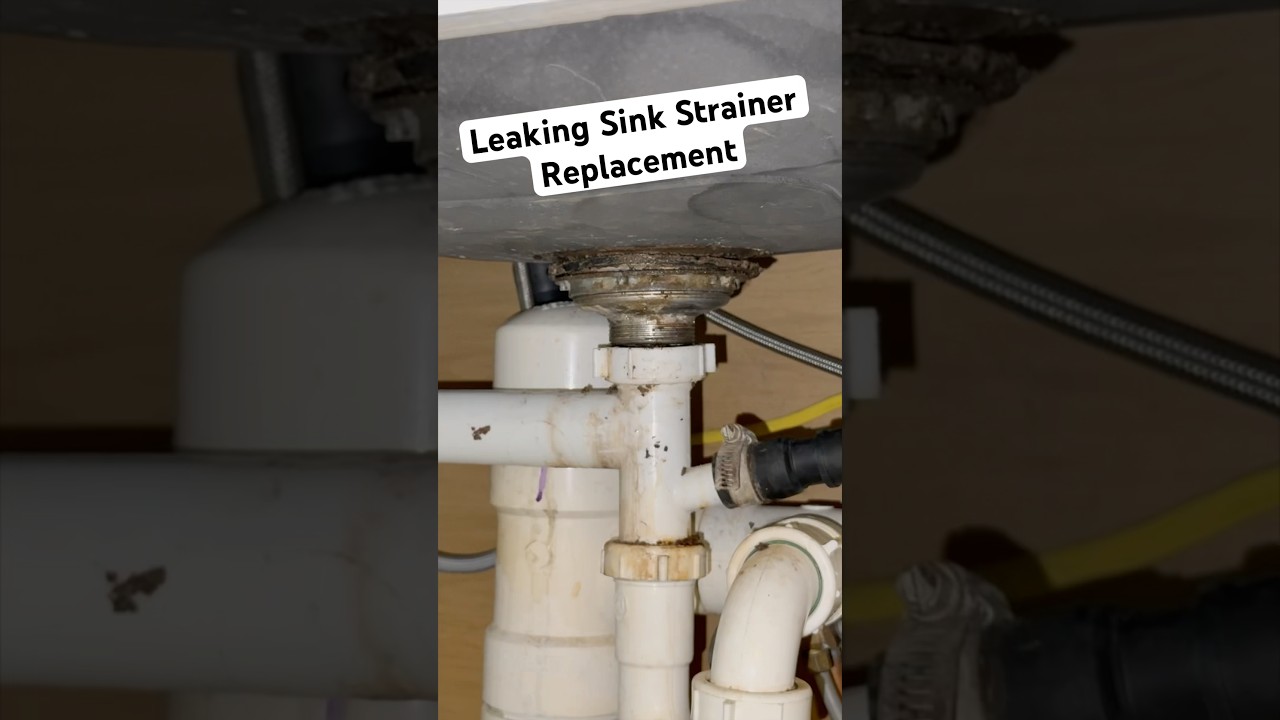
Examine all connections under the sink, including pipes and seals. Feel around each joint for wet spots or dampness. Tighten any loose fittings by hand, but avoid overtightening. A small leak can appear as a slow drip or tiny water beads. Catching these early prevents bigger issues later on.
Credit: www.youtube.com
Maintenance Tips
Proper maintenance keeps your kitchen sink drain basket working well for a long time. Small habits protect it from damage and blockages. Regular care saves time and money on repairs. Follow these simple tips to maintain your drain basket.
Regular Cleaning
Clean the drain basket often to remove food scraps and dirt. Use warm water and mild soap. A soft brush helps reach all parts. Rinse thoroughly to avoid soap buildup. Dry the basket before putting it back.
Preventing Clogs
Stop clogs by not letting large food pieces enter the drain. Use a strainer to catch debris. Avoid pouring grease or oil down the sink. They harden and block pipes. Flush the drain with hot water weekly to clear small blockages.
Frequently Asked Questions
What Tools Are Needed To Install A Kitchen Sink Drain Basket?
You need a wrench, plumber’s putty, screwdrivers, and a bucket. These tools help remove old parts and secure the new basket tightly. Having these ready ensures a smooth and efficient installation process without interruptions.
How Do I Prepare The Sink Before Installing The Drain Basket?
Clean the sink drain opening thoroughly. Remove any old putty or debris. This ensures a proper seal and prevents leaks. Dry the area completely before placing the new drain basket.
How To Apply Plumber’s Putty For A Drain Basket?
Roll plumber’s putty into a rope shape and press it around the drain opening. Insert the drain basket firmly into place. Excess putty squeezes out and can be wiped away. This creates a watertight seal under the sink.
How Tight Should The Drain Basket Be Secured?
Tighten the mounting nut firmly but avoid over-tightening. Too much force can crack the sink or damage the drain basket. The drain basket should feel secure with no movement or leaks.
Conclusion
Installing a kitchen sink drain basket is simple and useful. It stops food from clogging your pipes. Follow each step with care and take your time. Use the right tools and check all connections. A well-installed drain basket saves money on repairs later.
It helps keep your kitchen clean and tidy. Try this project to improve your sink’s function today. Small fixes make a big difference. You can do this!