

Are you tired of clogged kitchen sinks slowing you down? Installing a basket strainer can be the simple fix you need to keep your sink draining smoothly and prevent food scraps from causing blockages.
In this guide, you’ll learn exactly how to install a basket strainer step-by-step, even if you’ve never done plumbing work before. By the end, you’ll save time, avoid costly repairs, and enjoy a cleaner, more efficient kitchen sink. Ready to get started?
Let’s dive in.

Credit: www.youtube.com
Tools And Materials Needed
Getting your hands on the right tools and materials makes installing a basket strainer much smoother. It saves time and spares you from frustration halfway through the job. Plus, having everything ready means you can focus on the installation without unexpected trips to the hardware store.
Essential Tools For Installation
- Adjustable wrench:Perfect for tightening nuts and bolts without damaging them.
- Pipe wrench:Helps grip and turn pipes securely, especially if they’re stuck.
- Screwdriver:Usually a flathead or Phillips, needed to remove or attach screws on the strainer.
- Plumber’s putty or silicone sealant:Seals the basket strainer to prevent leaks.
- Hacksaw:Useful if you need to cut pipes to fit the new strainer.
- Bucket:Always handy to catch any water left in the pipes.
- Rags or towels:To wipe away excess putty or water spills.
Materials Required For The Basket Strainer
- Basket strainer kit:Choose one that fits your sink drain size and style.
- Tailpiece:Connects the basket strainer to the drain pipe.
- Rubber gasket:Creates a watertight seal between the sink and the strainer.
- Locknut:Holds the strainer firmly in place under the sink.
Why Preparation Matters
Have you ever started a project only to realize a key tool was missing? It’s frustrating and wastes time. I once began replacing a kitchen sink strainer without a proper wrench, and it took twice as long to finish.
Gathering everything beforehand lets you work confidently and efficiently. It also helps you spot if something doesn’t fit or if additional parts are needed. What tools do you already have in your toolbox that can help you with this task?
Choosing The Right Basket Strainer
Choosing the right basket strainer for your kitchen sink is crucial for smooth drainage and preventing clogs. A good basket strainer fits perfectly, lasts long, and handles daily kitchen waste without hassle. Knowing what to look for can save you time and money, and avoid frustrating plumbing issues later.
Material Types
Basket strainers come in various materials like stainless steel, plastic, and brass. Stainless steel is popular because it resists rust and stands up to heavy use. Plastic options are cheaper but may wear out faster, especially with hot water or harsh cleaning products.
Brass is a solid choice if you want durability and a polished look, but it usually costs more. Think about your kitchen habits—if you cook a lot and need something tough, stainless steel or brass will serve you better. Have you noticed your current strainer rusting or breaking? That’s a sign to switch materials.
Size And Fit
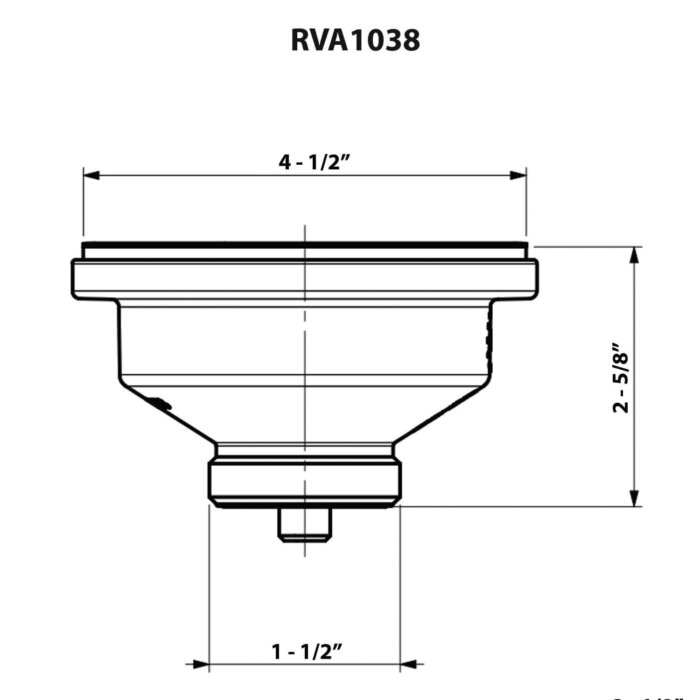
Getting the size right matters as much as the material. Basket strainers come in standard sizes, but sinks can vary. Measure your sink drain diameter carefully before buying.
The strainer needs to fit snugly to prevent leaks and keep debris contained. Too small, and water drains slowly; too big, and it won’t seal properly. Double-check the depth of the strainer body too—some sinks require a deeper or shallower fit depending on the plumbing below.
Additional Features
Look for features that make daily use easier. Some basket strainers have handles or knobs on the basket, so you can lift it out without touching gunk. Others include a rubber gasket to improve sealing and reduce leaks.
Does your kitchen get a lot of food scraps? Consider strainers with finer mesh to catch smaller particles. Some models also offer easy-clean surfaces to prevent build-up. These little extras can make a big difference in keeping your sink fresh and clog-free.
Preparing The Sink Area
Preparing the sink area is a crucial part of installing a basket strainer for your kitchen sink. Taking the time to set up a clean and safe workspace can save you from unexpected hassles. It also helps you avoid damage to your sink or plumbing during the installation process.
Clearing The Sink
Start by removing everything from around and inside the sink. This includes dishes, soap dispensers, and any other items that might get in your way. A clear workspace lets you focus on the task without distractions or spills.
Next, wipe down the sink surface to remove any grease or debris. This will give you a clean area to work on and prevent any dirt from falling into the plumbing once you remove the old strainer.
Turning Off Water Supply
Before you touch any plumbing, shut off the water supply to the sink. Usually, there are valves located under the sink that control the hot and cold water lines. Turn these valves clockwise until they stop to ensure no water flows while you work.
If you don’t see valves under the sink, you might need to turn off the main water supply for your home. Have a bucket or towel handy, just in case there’s still some water trapped in the pipes.
Removing Old Strainer
With the water off and the area cleared, you can now remove the old basket strainer. Start by disconnecting the drain pipe underneath the sink, loosening the slip nuts carefully. Be prepared for some residual water to spill out.
Use a wrench or pliers to loosen the locknut that holds the strainer in place beneath the sink. Once the locknut is off, push the strainer up from below and lift it out from the top. You might need to break any sealant around it gently.
Have you noticed any corrosion or damage around the old strainer? This can give you clues about your sink’s condition and help you decide if additional repairs are needed before installing the new basket strainer.
Credit: www.ruvati.com
Installing The New Basket Strainer
Replacing a basket strainer can seem daunting. It's easier than it looks. With a few simple steps, your kitchen sink will work smoothly.
Applying Plumber’s Putty
Begin by taking a small amount of plumber’s putty. Roll it into a thin rope. Place it around the underside of the basket strainer lip. This ensures a watertight seal. The putty prevents leaks.
Positioning The Strainer
Insert the basket strainer into the sink opening. Press it down gently. Make sure it sits evenly in the sink hole. Check for gaps or misalignment. Adjust as needed. The putty will hold it in place.
Securing The Strainer From Below
Go under the sink. Attach the rubber gasket on the strainer threads. Follow with the friction ring. Screw on the locknut until it is tight. Use pliers for extra grip if needed. Ensure the strainer is secure. Check for any movement. Tighten further if necessary.
Connecting The Drain Pipe
Connecting the drain pipe is a crucial part of installing a basket strainer. This step ensures water flows smoothly from the sink to the plumbing system. Proper connection prevents leaks and keeps your kitchen clean and dry.
Focus on securing each component tightly. This avoids future repairs and water damage. Follow the steps carefully for a firm and lasting connection.
Attaching The Rubber Gasket
Place the rubber gasket under the basket strainer flange. This gasket creates a tight seal to stop leaks. Make sure it sits flat and covers the opening completely. Press it firmly against the sink bottom.
Tightening The Locknut
Slide the locknut onto the basket strainer’s threaded section. Turn the locknut by hand until it feels snug. Use a wrench to tighten it further. Avoid over-tightening, which can damage the sink or gasket.
Reconnecting The Drain Pipe
Align the drain pipe with the strainer outlet. Push the pipe onto the strainer’s tailpiece securely. Fasten the slip nut by hand and then tighten it with a wrench. Check for gaps or loose fittings to prevent leaks.

Credit: www.familyhandyman.com
Testing For Leaks
Testing for leaks after installing your basket strainer is crucial. Even a tiny drip can lead to bigger problems like water damage or mold growth. Taking the time to check carefully ensures your kitchen sink stays dry and functional.
Running Water
Start by turning on the faucet and letting water flow freely into the sink. Watch the area around the basket strainer closely as water drains. This helps you spot any leaks that might appear under normal use.
Checking Connections
Look at every connection point where the basket strainer meets the sink and plumbing pipes. Pay special attention to the rubber gasket and slip nuts. Even if you don’t see water pooling, feel around for any moisture or dampness.
Tightening As Needed
If you detect any leaks, don’t panic. Grab your wrench or pliers and tighten the slip nuts gradually. Avoid overtightening—it can damage the fittings or strip the threads. After tightening, run water again to confirm the leak is gone.
Maintenance Tips
Maintaining a basket strainer in your kitchen sink keeps it working well and prevents problems. Simple care extends its life and keeps your sink clean and free from clogs. Follow these easy tips to keep your basket strainer in top shape.
Regular Cleaning
Remove the basket strainer and rinse it under warm water. Use a soft brush to clean away food particles and debris. Clean it at least once a week to prevent buildup. Avoid harsh chemicals; mild soap works best. Dry the strainer before placing it back in the sink.
Avoiding Clogs
Do not pour grease or oil down the drain. Use the basket strainer to catch food scraps and dispose of them in the trash. Avoid letting small items like coffee grounds or eggshells enter the drain. Rinse the sink with hot water after each use to clear residue.
When To Replace
Check the basket strainer for cracks or rust regularly. Replace it if it becomes damaged or worn out. A loose fit or strange odors are signs it needs replacement. Buying a new strainer ensures your sink stays clean and drains well.
Frequently Asked Questions
What Tools Are Needed To Install A Basket Strainer?
You need a plumber’s putty, adjustable wrench, screwdriver, and plumber’s tape. These tools help secure and seal the basket strainer effectively.
How Do You Remove The Old Basket Strainer?
First, disconnect the drain pipes. Then, loosen the locking nut under the sink using an adjustable wrench. Finally, lift out the old strainer.
How To Apply Plumber’s Putty For A Basket Strainer?
Roll plumber’s putty into a rope and place it under the strainer’s flange. Press firmly to create a watertight seal before tightening the locknut.
How Tight Should The Basket Strainer Locknut Be?
Tighten the locknut snugly, but avoid over-tightening. Over-tightening can crack the sink or damage the strainer’s components.
Conclusion
Installing a basket strainer for your kitchen sink is a simple task. It helps catch food and prevents clogs. Follow the steps carefully to avoid leaks. Use basic tools and take your time. A properly installed strainer keeps your sink clean.
Enjoy easier dishwashing and less plumbing trouble. Regular checks can keep it working well. Small effort, big benefits. Your kitchen stays neat and hassle-free. Give it a try today!