

How to Install Drawer Slides on Kitchen Cabinets. Are your kitchen drawers sticking, squeaking, or just not sliding smoothly? Installing new drawer slides can make a huge difference in how your kitchen feels and functions.
You might think this is a job only pros can handle, but with the right steps, you can easily upgrade your cabinets yourself. In this guide, you’ll discover simple, clear instructions to install drawer slides that fit perfectly and glide effortlessly.
Keep reading, and by the end, you’ll have the confidence to transform your kitchen drawers into smooth, silent storage spaces you’ll love using every day.
Choosing The Right Drawer Slides
Choosing the right drawer slides for your kitchen cabinets can make a big difference in how smoothly and quietly your drawers operate. The right slides also ensure durability and ease of use over time. Understanding the types, correct measurements, and material strengths will help you pick slides that fit perfectly and hold up under daily use.
Types Of Drawer Slides
There are several types of drawer slides, each designed for specific uses and installation styles.
- Side-mount slides:Attached to the sides of the drawer and cabinet, these slides are visible when the drawer is open but offer strong support and smooth movement.
- Under-mount slides:Installed beneath the drawer, these are hidden from view and provide a clean look. They often feature soft-close mechanisms.
- Center-mount slides:Fixed under the center of the drawer, these are less common and best for lightweight drawers.
Think about the look you want and how much weight the drawer will hold before choosing your slide type.
Measuring For Proper Fit
Accurate measurements are key to selecting drawer slides that fit well and function properly.
Measure the length of the drawer box from front to back, then measure the interior width of the cabinet where the slide will be installed. Remember to account for the thickness of the slides themselves.
Would you rather fix a drawer that sticks or one that fits perfectly the first time? Taking precise measurements saves you time and frustration.
Materials And Weight Capacity
Drawer slides come in different materials, mainly steel and aluminum, each offering different strengths.
Steel slides are heavier and can handle more weight, making them ideal for pots, pans, or heavy utensils. Aluminum slides are lighter and resist rust better, but they usually support less weight.
Check the weight capacity on the product specifications. Choosing a slide that supports more than your drawer’s contents ensures smooth operation and longer life.
Gathering Tools And Materials
Before you start installing drawer slides on your kitchen cabinets, gathering the right tools and materials is key to a smooth project. Having everything at hand saves time and prevents frustrating interruptions. It also helps you avoid unnecessary trips to the hardware store.
Essential Tools Checklist
- Measuring tape:Accurate measurements are crucial for proper slide alignment.
- Power drill and drill bits:You'll need these for pilot holes and securing screws.
- Screwdriver:A manual or electric screwdriver helps tighten screws easily.
- Level:Ensures your slides are perfectly horizontal for smooth drawer movement.
- Pencil or marker:For marking drill spots and alignment points.
- Clamps:Handy to hold slides or drawer parts steady during installation.
- Screws:Typically included with the slides, but having extras is smart.
- Utility knife or box cutter:Useful for opening packaging and trimming materials.
When I first installed drawer slides, I underestimated the value of clamps. Holding the slide steady while drilling made a big difference in precision. What tools do you find indispensable when working on home projects?
Safety Gear Recommendations
Protecting yourself is just as important as having the right tools. Safety gear keeps you safe from common hazards like sharp edges, dust, and loud noises.
- Safety glasses:Shield your eyes from wood chips and dust particles.
- Work gloves:Prevent cuts and improve grip while handling tools and hardware.
- Dust mask:Helps avoid inhaling sawdust or debris if you need to sand or cut any parts.
- Hearing protection:Recommended if you’re using power tools for extended periods.
Remember, skipping safety gear can lead to injuries that slow down your progress or worse. Have you ever faced a situation where proper safety equipment saved your day during a DIY project?
Preparing The Cabinets And Drawers
Clear out the cabinets and drawers completely. Clean surfaces to ensure smooth slide installation. Measure carefully to mark slide positions accurately.
Preparing your cabinets and drawers is crucial before installing new slides. This stage ensures a smooth installation process and optimal function. Begin by gathering necessary tools like a screwdriver, level, and measuring tape. Clear the area of any items that may obstruct your work. This preparation sets the foundation for a successful slide installation.
Removing Old Slides
First, remove the drawers from the cabinets. Use a screwdriver to unscrew the old slides from both the drawer and cabinet. Take care not to damage the surfaces. Keep screws and small parts in a safe place for potential reuse.
Cleaning And Inspecting Surfaces
Once old slides are removed, clean all surfaces thoroughly. Use a damp cloth to wipe away dirt and debris. Inspect the wood for any damage or warping. Repair any issues to ensure a flat, even surface for new slides.
Marking Slide Positions
Measure the length of the new slides. Mark their positions on both the drawer and cabinet. Use a pencil to draw straight lines for easy alignment. Ensure both sides are level and parallel for proper function.

Credit: www.youtube.com
Installing Drawer Slides On Cabinets
Installing drawer slides on kitchen cabinets improves drawer function and durability. Proper installation ensures smooth operation and prevents drawer damage. This section explains how to attach cabinet members and keep everything level and aligned.
Attaching Cabinet Members
Start by selecting the correct drawer slides for your cabinet size. Separate the cabinet members from the drawer members. Position the cabinet members inside the cabinet frame on each side. Use a pencil to mark screw holes clearly. Pre-drill small holes to avoid wood splitting. Secure the cabinet members with screws using a drill or screwdriver. Make sure the slides are flush against the cabinet walls. Avoid leaving any gaps between the slide and the cabinet side.
Ensuring Level And Alignment
Check the cabinet members for levelness with a spirit level. Adjust the slides if they are not perfectly horizontal. Misaligned slides cause drawers to stick or fall out. Confirm the slides are parallel to each other on both sides. Measure the distance between slides at the front and back of the cabinet. Both measurements should be equal. Tighten screws firmly once alignment is correct. Test the slide movement before attaching the drawer members.
Installing Drawer Members
Installing drawer members correctly is key to smooth, long-lasting drawer operation in your kitchen cabinets. These metal tracks guide the drawer as it opens and closes, so precision in their placement matters a lot. Let's focus on how to position and secure these parts effectively.
Positioning On Drawer Sides
Start by examining your drawer sides. The drawer member should sit flush and straight along the side edge, usually centered vertically. Measuring carefully helps avoid misalignment that can cause sticking or uneven sliding.
Mark the exact spots for the screw holes before you drill. This ensures the slide stays level and your drawer won’t tilt or bind. Take a moment to double-check your marks—have you ever installed something only to realize it was just a bit off? This step saves you that hassle.
Securing With Screws
Use the screws provided with your drawer slides for the best fit and strength. Insert them into the pre-marked holes, tightening them firmly but not too tight to avoid stripping the wood. It’s better to secure the screws gradually, alternating between them to keep the slide aligned.
Check the slide’s movement after securing each side. If it feels stiff or uneven, loosen the screws slightly and adjust. Your drawer’s ease of use depends on this careful balancing act.
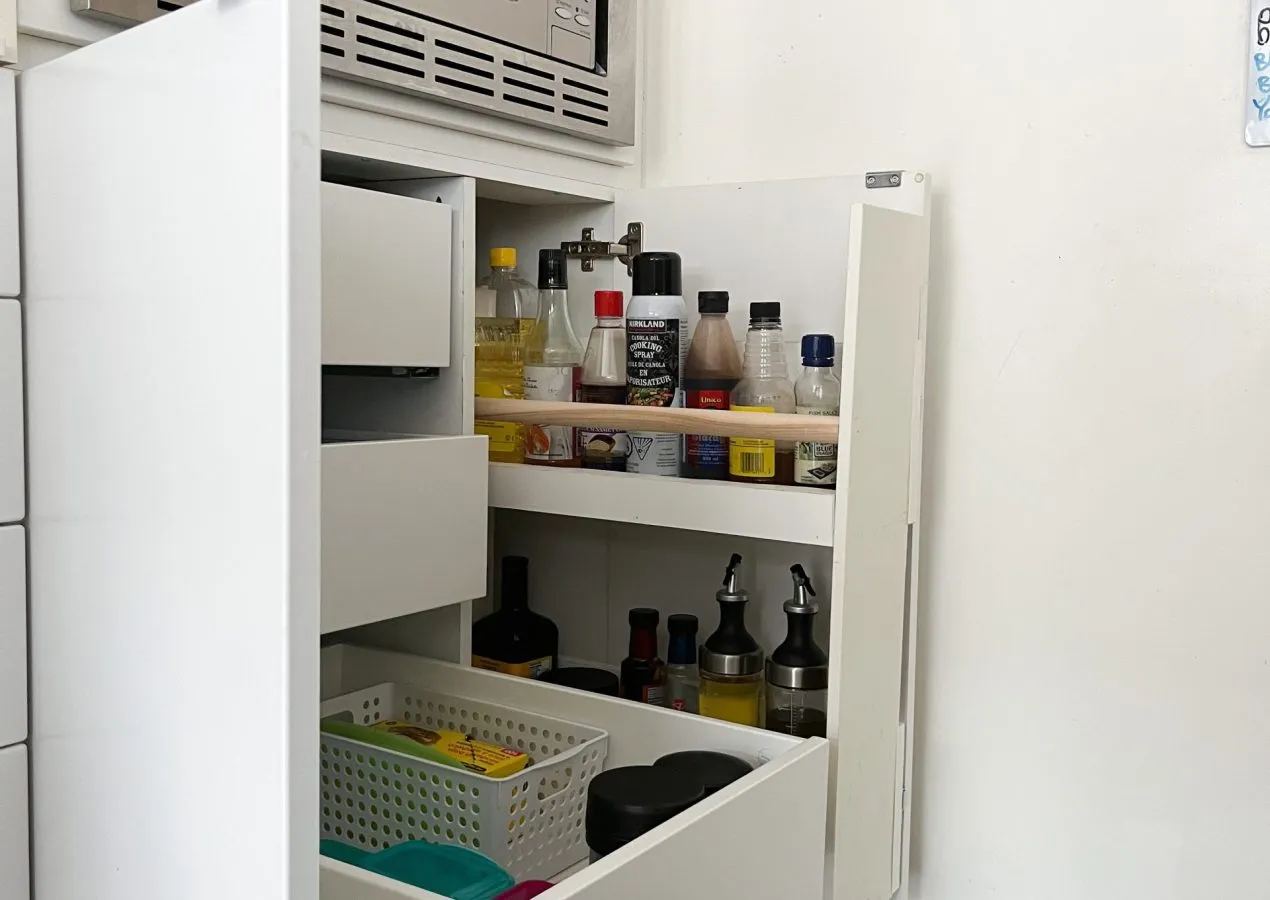
Credit: hanashappyhome.com
Testing And Adjusting Slides
Testing and adjusting drawer slides is key to smooth cabinet operation. Proper checks ensure drawers open and close without sticking or wobbling. Adjustments fix any issues before final use. This step saves time and prevents damage.
Sliding Mechanism Check
Pull the drawer out fully. Watch how the slides move along the track. The motion should be smooth and quiet. Listen for any grinding or catching sounds.
Push the drawer back in slowly. It should glide without force or misalignment. Check for any side-to-side movement.
Test multiple times to confirm consistent performance. If slides bind or feel stiff, adjustments are needed.
Fixing Misalignments
Misaligned slides cause rough motion and drawer jams. Identify where the slide is off by looking closely. Check the screws holding the slides in place.
Loosen screws slightly to allow slide movement. Shift the slide until it lines up perfectly with the cabinet and drawer. Tighten screws securely once aligned.
Ensure both slides are at the same height and depth. Use a level or ruler for accuracy. Repeat the sliding test after adjustments.
Tips For Maintenance And Longevity
Keeping your drawer slides in top shape extends their life and keeps your kitchen running smoothly. Simple maintenance can prevent annoying squeaks and sticky drawers. Let’s look at practical ways to care for your slides so they stay reliable year after year.
Lubrication Methods
Adding lubrication to your drawer slides reduces friction and wear. Use a silicone-based spray or a dry lubricant designed for metal surfaces—these won’t attract dust or grime. Avoid heavy oils that can gum up over time and cause buildup inside the tracks.
Apply the lubricant sparingly along the entire length of the slides. After spraying, open and close the drawer a few times to spread it evenly. Have you ever noticed how a smooth glide feels effortless? That’s the difference proper lubrication makes.
Regular Inspection
Checking your drawer slides regularly helps catch problems before they worsen. Look for loose screws, bent tracks, or debris caught inside the mechanism. A quick visual inspection every few months can save you from costly repairs later.
If you find any loose parts, tighten them immediately. Worn or damaged slides should be replaced to avoid damaging your cabinets. Think about the last time a drawer stuck—could a small check-up have prevented that frustration?

Credit: www.familyhandyman.com
Frequently Asked Questions
What Tools Are Needed To Install Drawer Slides?
You need a drill, screwdriver, tape measure, level, pencil, and screws. These tools help ensure precise and secure installation of drawer slides.
How Do I Measure For Drawer Slides On Cabinets?
Measure the drawer length inside the cabinet. Subtract space for slide thickness. Accurate measurement ensures smooth drawer operation.
Can I Install Drawer Slides On Existing Cabinets?
Yes, you can retrofit drawer slides on existing cabinets. Remove drawers, attach slides inside cabinet and on drawers, then reassemble.
What Types Of Drawer Slides Work Best In Kitchens?
Ball-bearing and soft-close drawer slides are best. They provide smooth, quiet operation and durability in kitchen environments.
Conclusion
Installing drawer slides on kitchen cabinets is easier than it seems. Follow each step carefully for the best fit. Measure twice to avoid mistakes. Use the right tools for a smooth process. Take your time and work patiently. A well-installed slide makes your drawers open and close smoothly.
Enjoy the improved function and look of your kitchen. Small efforts can bring big changes. Try this simple project and see the difference yourself.