
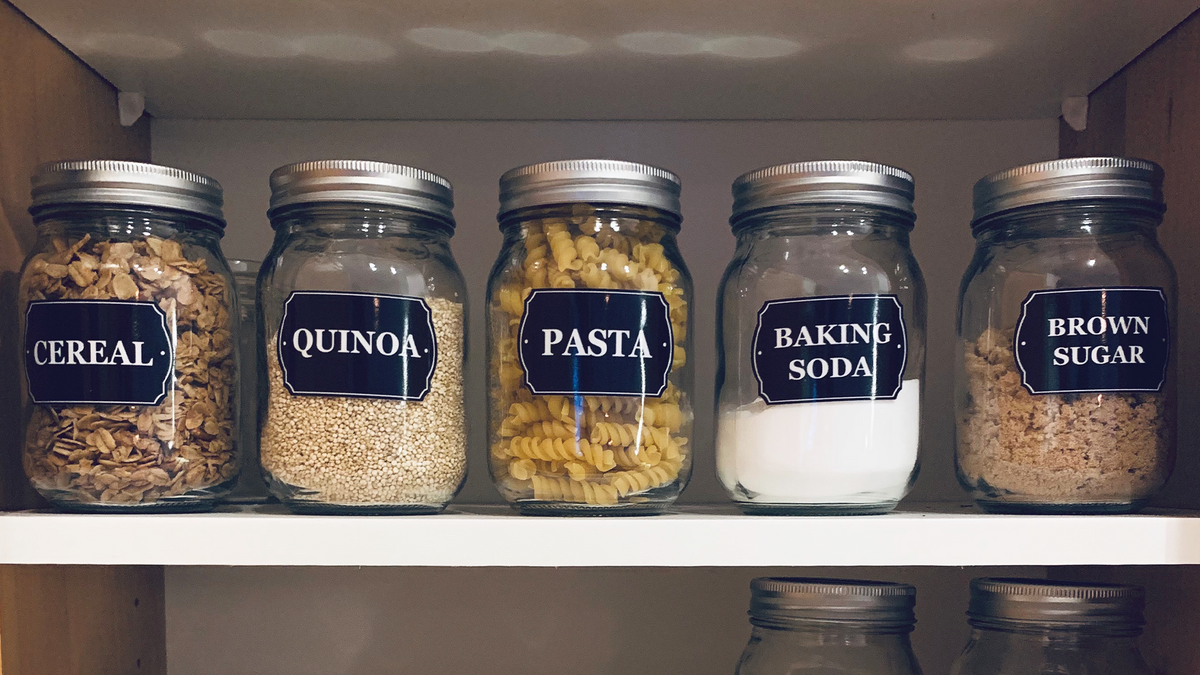
Are you tired of digging through cluttered shelves and guessing what’s inside your kitchen containers? Labeling your kitchen containers can save you time, reduce waste, and make cooking more enjoyable.
Imagine opening a cabinet and instantly knowing where everything is—no more frustration, no more mess. You’ll discover simple and effective ways to label your kitchen containers so your space feels organized and stress-free. Ready to transform your kitchen? Let’s dive in!
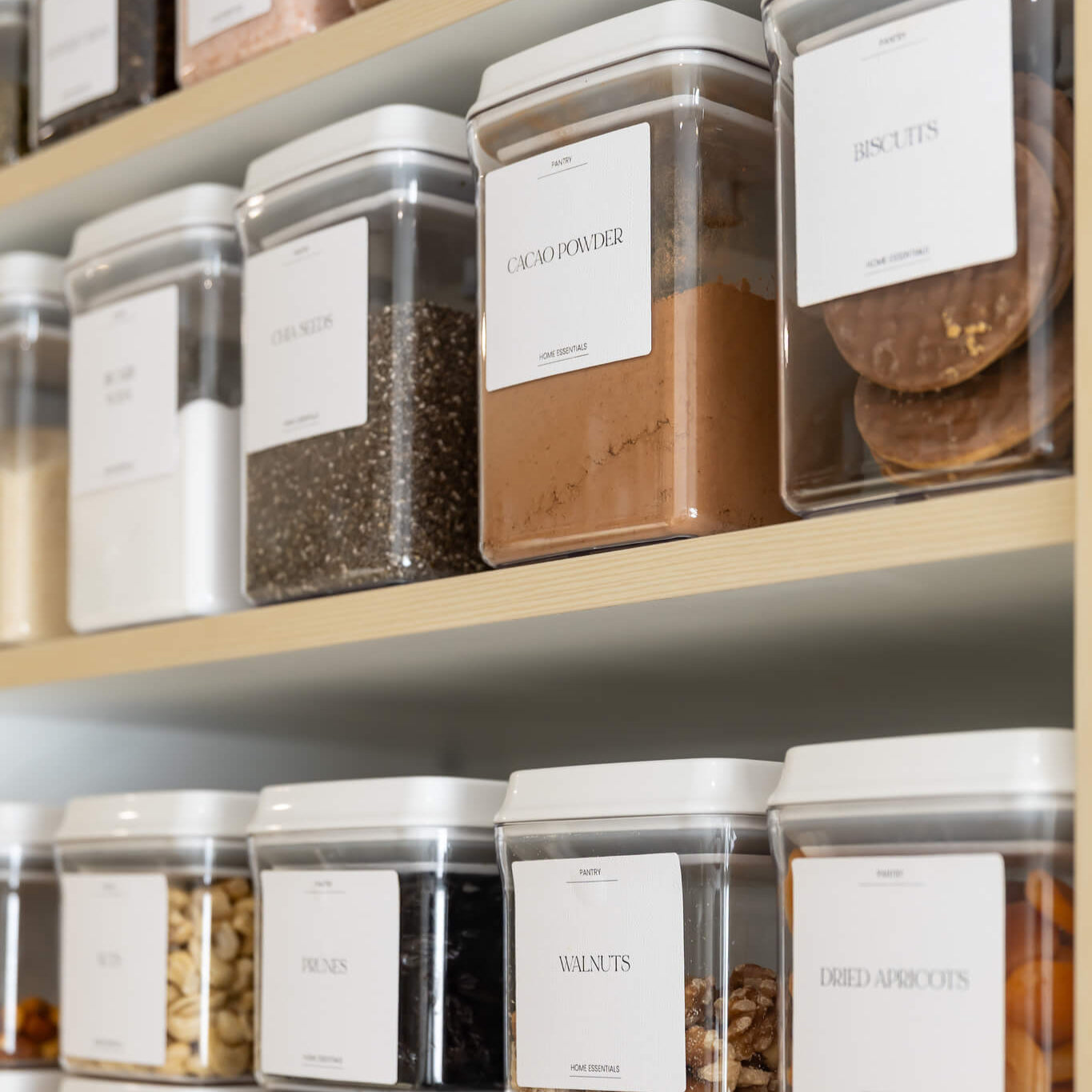
Credit: prettylittledesigns.com.au
Benefits Of Labeling Containers
Labeling your kitchen containers might seem like a small task, but it brings several practical benefits that can improve your daily cooking experience. Clear labels help you quickly identify ingredients, which can make meal prep smoother and more efficient. They also play a key role in keeping your kitchen organized and reducing waste.
Save Time While Cooking
Imagine reaching for a container and instantly knowing what’s inside without opening it. Labels eliminate the guesswork, so you don’t waste time checking multiple jars or bags. This simple habit can speed up your cooking process, especially when juggling several tasks at once.
Have you ever spent minutes searching for that particular spice or ingredient? Labeling containers prevents that frustration and keeps your kitchen flow steady.
Reduce Food Waste
Labels help you keep track of what you have and when it expires. This makes it easier to use items before they go bad, saving you money and reducing waste. You can even add dates or notes, so leftovers and bulk ingredients don’t get forgotten in the back of the pantry.
Think about the last time you tossed out expired ingredients. Could a simple label have saved them from being wasted?
Maintain A Clean Kitchen
When every container has a clear label, it’s easier to put things back in their proper place. This reduces clutter and keeps your kitchen looking neat. Plus, it encourages everyone in the household to stay organized, because they know exactly where things belong.
A tidy kitchen feels more inviting and less stressful. Wouldn’t you agree that a clean space makes cooking more enjoyable?
Choosing The Right Labels
Choosing the right labels for your kitchen containers is more than just picking something that looks good. The labels need to last, stay clear, and hold up against kitchen conditions. Your choice impacts how easily you can find ingredients and keep your space organized every day.
Label Materials And Durability
Look for materials that can handle frequent handling and occasional spills. Vinyl and polyester labels are great because they resist tearing and fading. Paper labels may seem convenient, but they often wear out quickly, especially in humid environments like the kitchen.
Think about how often you open and close your containers. If you reach for something daily, a sturdy, tear-proof label saves you time and hassle. I've learned the hard way—paper labels peel off fast, and re-labeling containers becomes a chore you don’t want.
Fonts And Colors For Readability
Choosing the right font and color combo can make a huge difference in spotting what you need quickly. Use clear, simple fonts like Arial or Helvetica. Avoid overly decorative fonts that slow you down when reading.
Contrast is key. Black or dark-colored text on a light background works best. If your containers are clear, white labels with bold black letters often stand out well. Think about what colors pop out most in your kitchen’s lighting.
Waterproof And Heat-resistant Options
If your containers live near the stove or dishwasher, waterproof and heat-resistant labels are a must. Look for labels specifically marked as waterproof or weatherproof to prevent smudging or peeling.
Heat resistance is important for containers that might see warm ingredients or brief heat exposure. Labels that can handle up to 200°F (93°C) will stay intact and legible. Would you rather keep relabeling after every wash or have labels that stay put?
Labeling Techniques
Labeling your kitchen containers can make a big difference in how smoothly your kitchen runs. Choosing the right labeling technique helps you stay organized and adds a touch of style. Let’s look at some popular ways to label that fit different needs and preferences.
Using Chalkboard Labels
Chalkboard labels are versatile and reusable, making them a favorite for many home cooks. You can easily change the label by wiping it off and writing something new with chalk or a chalk marker.
These labels work well if you often swap ingredients or want to keep track of expiration dates. Plus, they add a rustic charm to your kitchen. Have you tried using chalkboard labels to keep your spices fresh and easy to identify?
Printable Sticker Labels
Printable sticker labels give you a polished, consistent look. You can design them on your computer with clear fonts and icons, then print as many as you need.
This method is perfect if you want a professional feel and don’t mind spending a little time upfront. You can use waterproof paper to make the labels durable against spills. What designs would you create to make your pantry pop?
Handwritten Vs. Printed Labels
Handwritten labels bring a personal touch and can be quick to make, especially if you like a casual, homey vibe. They also let you add notes or dates easily without needing a printer.
Printed labels, on the other hand, offer neatness and uniformity, which can be important if you want a minimalist or modern kitchen look. Think about what fits your style and how much time you want to spend on labeling. Which style would you prefer to see every time you open your pantry door?

Credit: www.amazon.ca
Organizing Containers By Category
Organizing your kitchen containers by category makes it easier to find what you need quickly. It also helps you keep track of your inventory, reducing waste and saving money. Grouping similar items together lets you label containers clearly and maintain order in your kitchen.
Dry Goods And Spices
Label containers holding dry goods like rice, pasta, and beans with both the item name and expiration date. Use small, clear labels so you can read them at a glance.
For spices, consider grouping them by type—such as herbs, seeds, or blends. This way, you can create a consistent labeling system that helps you grab the right spice without guessing.
Baking Supplies
Baking ingredients like flour, sugar, and baking powder often get mixed up in the pantry. Label each container with the ingredient name and any special notes, like "gluten-free" or "brown sugar."
Keep your baking supplies together in one section. That way, when you bake, you won’t waste time hunting down each item.
Leftovers And Prepared Meals
Leftovers and meals you prepare ahead need labels with contents and dates. This helps you track freshness and avoid food waste.
Try using color-coded labels or markers to separate meals by type—like soups, casseroles, or salads. This simple step makes your fridge more organized and your mealtime decisions faster.
Maintaining Label Quality
Keeping your kitchen container labels clear and readable makes a huge difference in staying organized. Over time, labels can fade, peel, or get dirty, which defeats their purpose. Taking simple steps to maintain label quality ensures your system stays efficient and enjoyable to use.
Cleaning Labeled Surfaces
Regularly wipe down container surfaces gently with a damp cloth to remove dust and kitchen grease. Avoid harsh scrubbing or abrasive cleaners as they can damage the label’s print or adhesive. If you spot stubborn stains, try a mild soap solution and pat dry immediately to prevent moisture from seeping under the label.
Have you noticed how quickly kitchen messes build up around labels? A quick clean every week keeps them looking fresh and easy to read.
Replacing Worn Labels
Labels that are peeling, faded, or torn lose their usefulness fast. Keep extra labels or a label maker handy so you can swap out any that look worn. Don’t wait until you can’t read the label anymore—replacing them promptly keeps your kitchen running smoothly.
Think about how much time you waste trying to guess what’s inside a container with a damaged label. A fresh label saves you that frustration every day.
Updating Labels For Seasonal Items
Your kitchen contents change with the seasons, so your labels should too. Seasonal spices, baking ingredients, or special pantry items need accurate labeling to avoid confusion. Use removable labels or label sleeves that let you update text easily without leaving sticky residue behind.
When was the last time you checked if your labels still match what’s inside? Adjusting them seasonally keeps your storage both practical and inviting.
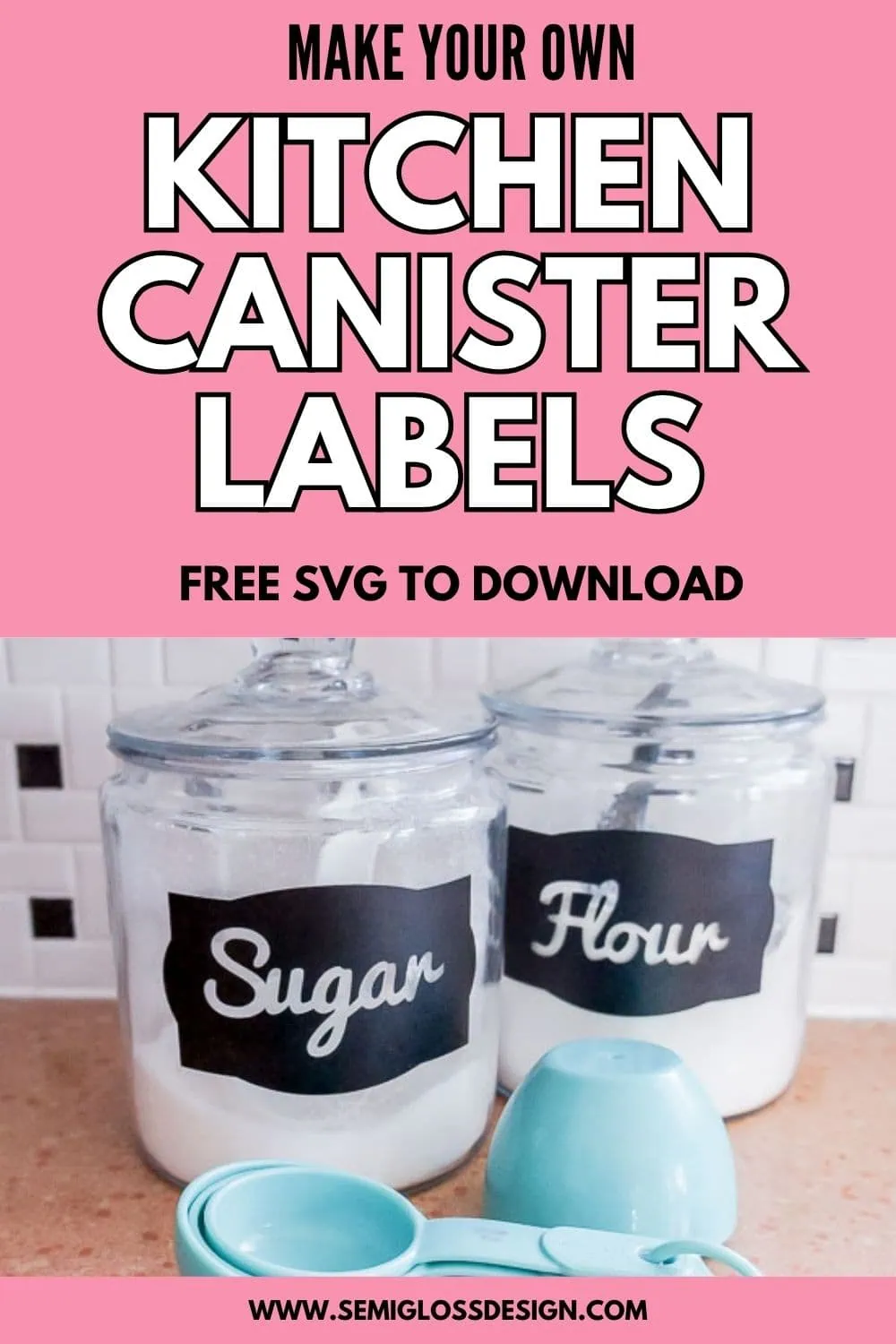
Credit: www.semiglossdesign.com
Creative Labeling Ideas
Creating an organized kitchen can be a delightful journey, especially when it comes to labeling your containers. Labels not only help in easily identifying contents but also add a dash of personality to your kitchen. Let's dive into some creative ideas that will make your kitchen both functional and stylish.
Using Icons And Symbols
Icons and symbols are a fun way to make your labels stand out. Instead of just writing "sugar," why not draw a simple sugar cube icon? These visual cues can be quicker to recognize, especially when you're in a hurry. You can use stickers or hand-drawn icons to add a touch of creativity. This method is particularly useful for kids or anyone who prefers visual aids over text.
Color-coding Systems
Color-coding is an effective strategy to keep your kitchen organized. Assign different colors to various categories, like red for spices, blue for grains, and green for herbs. This system can make it easier to find what you need at a glance. You can use colored tape or markers to differentiate your labels. Think about the time you save when cooking becomes a breeze, thanks to this simple system.
Personalized Labels For Family Members
Personalized labels can make your kitchen feel more like home. If everyone in your family has their own favorite snacks or spices, label them with their names. This not only adds a personal touch but also prevents the occasional family dispute over the last cookie! Use different fonts or decorative labels for each family member. It's a small but meaningful way to show consideration for everyone's preferences.
Frequently Asked Questions
How Do I Choose Labels For Kitchen Containers?
Choose durable, waterproof labels for kitchen containers. Use clear fonts and colors that contrast with container contents. Opt for reusable or removable labels for flexibility.
What Information Should I Include On Container Labels?
Include the item name, expiration date, and storage instructions. This helps keep your kitchen organized and food fresh longer. Keep labels clear and concise.
Can I Use Homemade Labels For Kitchen Containers?
Yes, homemade labels are cost-effective and customizable. Use printable sticker paper or chalkboard labels. Ensure they are waterproof and easy to read.
How Do I Apply Labels To Kitchen Containers Properly?
Clean and dry container surfaces before applying labels. Place labels on flat, visible areas for easy identification. Press firmly to avoid peeling.
Conclusion
Labeling kitchen containers keeps your space neat and easy to use. Clear labels help find ingredients quickly and reduce waste. Simple steps make labeling fast and effective for everyone. Using the right labels also protects food from confusion. Try different styles to match your kitchen’s look.
Keep labels clean and replace them when needed. Organized containers make cooking and cleaning smoother every day. Start labeling today for a more practical kitchen.