
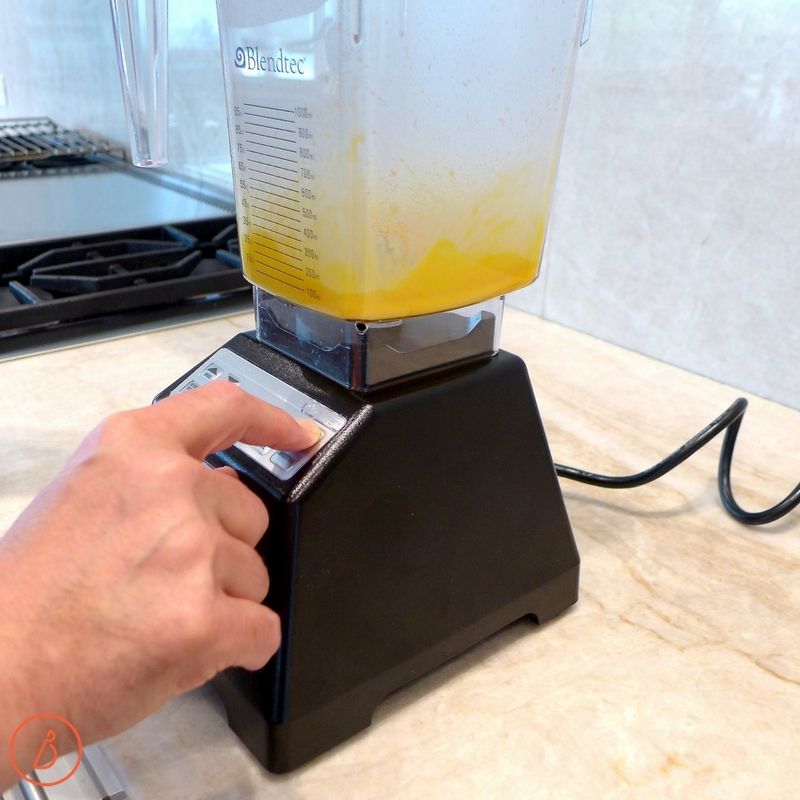
Are you ready to master a classic sauce without the hassle? Making Hollandaise sauce in a blender is easier and faster than you think.
Imagine having a creamy, buttery sauce ready in minutes, perfect for your eggs Benedict, steamed veggies, or grilled fish. You don’t need to be a chef or spend hours whisking over a hot stove. In this guide, you’ll discover simple steps to create smooth, delicious Hollandaise right in your kitchen blender.
Keep reading, and you’ll never look at this sauce the same way again.
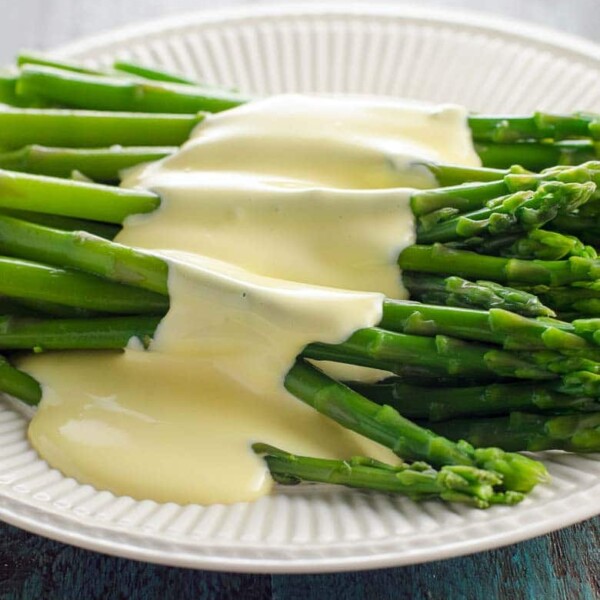
Credit: umamigirl.com
Ingredients Needed
Getting the ingredients right is key to making a smooth and creamy hollandaise sauce in your blender. Each component plays a specific role, and using fresh, high-quality items makes a noticeable difference in taste and texture. Let’s look at what you need before you start blending.
Egg Yolks And Butter
Egg yolks are the base of hollandaise, giving it that rich and velvety texture. Make sure your eggs are fresh and at room temperature—this helps them blend smoothly without curdling.
Butter adds the creamy, buttery flavor that defines hollandaise. Use unsalted butter so you can control the saltiness, and melt it beforehand. Have you noticed how cold butter can cause the sauce to separate? Warm butter avoids that problem.
Lemon Juice And Seasonings
Lemon juice brightens the sauce with a fresh, tangy kick. Freshly squeezed lemon juice is best; bottled versions often lack the sharpness that balances the richness.
Seasonings like salt and a pinch of cayenne pepper or white pepper bring the sauce to life. Don’t underestimate how a little seasoning can elevate your hollandaise from good to fantastic. What flavors do you prefer to highlight in your sauce?

Credit: diginwithdana.com
Equipment Required
Making hollandaise sauce in a blender is a game-changer for home cooks. The right equipment not only speeds up the process but also helps you achieve that perfect, creamy texture every time. Before you start, it’s important to gather the tools that will make your blender hollandaise smooth and hassle-free.
Choosing The Right Blender
Not all blenders are created equal when it comes to making hollandaise. You need a blender that can handle low-speed blending without overheating the eggs. A blender with variable speed control gives you more precision and prevents the sauce from breaking.
Personal experience taught me that a high-powered blender can sometimes whip too fast and curdle the sauce. A standard countertop blender with at least 500 watts of power and a pulse function often works best. If you have an immersion blender, it can also be a great alternative for better control.
Additional Tools
- Heatproof Bowl:Useful if you want to warm the sauce gently after blending.
- Measuring Cups and Spoons:Precision matters in hollandaise, so accurate measurements are key.
- Whisk or Spatula:Handy for scraping down the sides of the blender jar to ensure all ingredients mix evenly.
- Thermometer:Optional but helpful to check the temperature of your melted butter and eggs.
Do you have all these tools ready? Having them on hand makes the process smoother and less stressful. Don’t underestimate how small details like the right bowl or a good whisk can affect your final sauce.
Preparing Ingredients
Gather fresh eggs, melted butter, lemon juice, and a pinch of salt before starting. Measure ingredients precisely for a smooth, creamy sauce. Preparing everything ahead helps the blender work quickly and evenly.
Preparing the ingredients is crucial for making hollandaise sauce. It's essential to have everything ready before blending. This ensures a smooth and quick process.
Melting The Butter
Start by melting the butter gently. Use a saucepan over low heat. Stir occasionally to prevent burning. You need the butter to be fully melted. This creates a creamy texture. Once melted, set it aside to cool slightly.
Separating Egg Yolks
Separate the egg yolks carefully from the whites. Use a clean bowl for yolks. Make sure no whites mix with the yolks. This can affect the sauce texture. You can use the eggshell method. Or, use your hands to catch the yolk. Place the yolks in a blender once ready.
Blending Steps
Blending hollandaise sauce in a kitchen blender is quick and easy. It simplifies the process and ensures consistent results. The key lies in combining the ingredients properly and using the right blending techniques. Follow these steps to create a smooth, creamy sauce perfect for your dishes.
Combining Ingredients
Start by gathering fresh egg yolks, melted butter, lemon juice, salt, and a pinch of cayenne pepper. Pour the egg yolks into the blender first. Add lemon juice and salt next. Slowly pour in the melted butter while blending. This order helps the sauce emulsify properly. Make sure the butter is warm but not hot to avoid cooking the eggs.
Blending Techniques For Smooth Sauce
Begin blending at a low speed to mix ingredients gently. Gradually increase speed to medium for a creamy texture. Blend for about 20 to 30 seconds until thickened. Stop and check the sauce consistency. If too thick, add a teaspoon of warm water and blend again. Avoid over-blending, which can break the sauce. Use short pulses to keep the sauce stable and smooth.
Adjusting Flavor And Texture
Adjusting the flavor and texture of your hollandaise sauce in a blender is key to making it just right. The blender does most of the work, but you control the final taste and feel. Small tweaks can turn a good sauce into a perfect one.
Balancing Acidity
Acidity is what gives hollandaise its bright, tangy kick. If your sauce tastes too sharp, try adding a little more melted butter to smooth it out. On the other hand, if it feels flat, a splash of fresh lemon juice can wake it up instantly.
Remember, acidity affects more than flavor; it also influences how the sauce emulsifies. Adding lemon juice gradually while blending lets you find the right balance without overpowering the eggs' richness. Have you ever tried swapping lemon for a mild vinegar? It can create a unique twist while keeping that essential tang.
Thickening And Consistency Tips
Getting the perfect thickness is often a challenge. If your hollandaise is too thin, blend in a bit more warm butter slowly—it helps thicken the sauce without breaking the emulsion. If it’s too thick, a teaspoon of warm water or lemon juice can loosen it up without watering down the flavor.
Temperature plays a huge role here. Blending with ingredients all at room temperature helps maintain a smooth texture. I once rushed and added cold butter straight from the fridge, and the sauce split immediately. Have you noticed how a quick warm-up can save a sauce that looks like it’s about to break?

Credit: www.kyleecooks.com
Serving Suggestions
Serving Hollandaise sauce straight from your blender is a simple way to add richness and elegance to many meals. Knowing what to pair it with and how to store any leftovers can keep your kitchen efficient and your taste buds happy. Let’s look at some practical ideas for making the most of this creamy sauce.
Pairing With Dishes
Hollandaise sauce works best with dishes that can balance its creamy, buttery flavor. It’s a classic match for eggs Benedict, but have you tried it over steamed asparagus or roasted salmon? These options bring out the sauce’s tangy notes beautifully.
Consider drizzling it on grilled chicken or even roasted potatoes for an unexpected twist. The richness of Hollandaise can turn simple dishes into something special without extra effort. What’s your go-to meal that could use a splash of this sauce?
- Eggs Benedict or poached eggs
- Steamed or roasted asparagus
- Grilled or baked salmon
- Roasted or boiled potatoes
- Steamed vegetables like broccoli or artichokes
Storing Leftovers
If you have leftover Hollandaise, store it properly to maintain its texture and flavor. Place the sauce in an airtight container and refrigerate it immediately. It’s best to use leftovers within 1-2 days to avoid separation or spoilage.
Reheating Hollandaise can be tricky. Warm it gently over a double boiler or in short bursts in the microwave, stirring often. Avoid high heat, or the sauce might break. Have you ever saved Hollandaise and found it tough to reheat? Try this gentle warming method next time.
Common Mistakes To Avoid
Making hollandaise sauce in a blender is quick and easy. Yet, some common mistakes can spoil your sauce. Avoiding these errors helps achieve a smooth, creamy sauce every time.
Overheating Butter
Butter needs to be warm but not hot. Overheating can cause it to separate. This leads to a greasy, broken sauce. Melt butter gently on low heat. Let it cool slightly before blending. This keeps the sauce rich and creamy.
Improper Emulsification
Emulsification means mixing butter and egg yolks so they blend smoothly. Poor emulsification makes the sauce thin or curdled. Start blending egg yolks with lemon juice first. Slowly add melted butter while blending. This creates a thick, stable sauce. Stop adding butter if sauce looks uneven. Blend gently until smooth.
Frequently Asked Questions
How Do I Make Hollandaise Sauce In A Blender?
To make Hollandaise sauce in a blender, combine egg yolks, lemon juice, and melted butter. Blend until smooth and creamy. This method is quick and easy, ensuring a consistent texture without whisking by hand.
Can I Store Blender Hollandaise Sauce?
Yes, store blender Hollandaise sauce in an airtight container. Keep it refrigerated for up to 2 days. Reheat gently over warm water to avoid curdling and maintain smoothness.
What Ingredients Are Essential For Blender Hollandaise?
Essential ingredients include egg yolks, lemon juice, melted butter, salt, and a pinch of cayenne pepper. These create the classic rich and tangy flavor of Hollandaise sauce.
Is Blender Hollandaise Sauce Better Than Traditional?
Blender Hollandaise is faster and less labor-intensive. It produces a smooth, stable sauce, ideal for beginners. Traditional methods offer more control but require skill and patience.
Conclusion
Making hollandaise sauce in a blender saves time and effort. The process is simple and quick. You get a smooth, creamy sauce every time. Perfect for eggs, vegetables, or fish dishes. No need to watch the stove carefully. Just blend, pour, and enjoy your meal.
This method suits beginners and busy cooks alike. Try it today and taste the difference. Easy cooking leads to happy eating.