
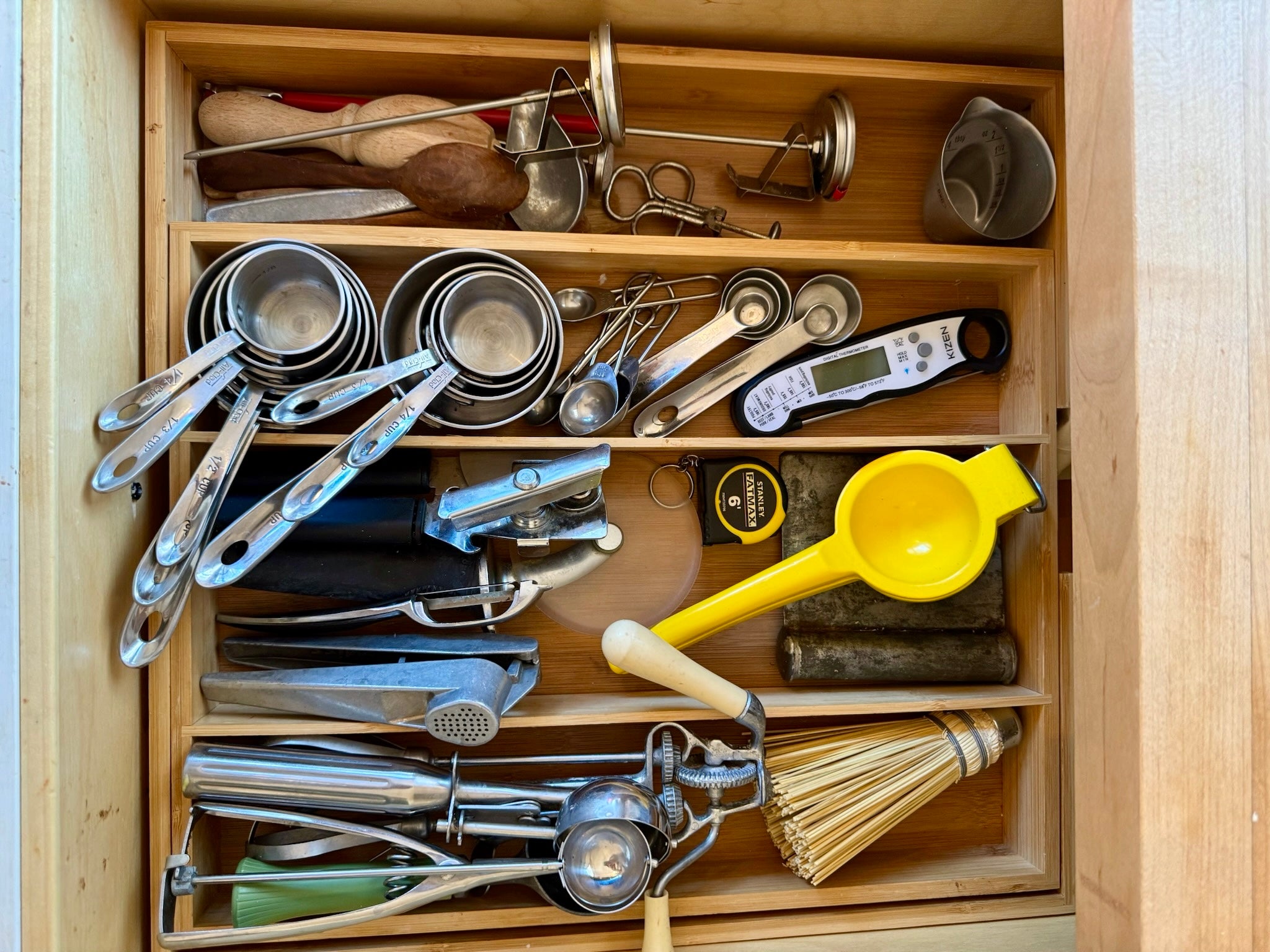
Is your deep kitchen drawer a jumbled mess of utensils? Finding the right spoon or spatula shouldn’t feel like a treasure hunt.
You deserve a kitchen where everything is easy to find and use. You’ll discover simple, smart ways to organize your kitchen utensils in a deep drawer. Imagine opening that drawer and instantly spotting exactly what you need—no stress, no clutter.
Keep reading to transform your drawer into a neat, functional space that makes cooking more enjoyable every day.
Choosing The Right Drawer
Choosing the right drawer sets the foundation for an organized kitchen. A deep drawer can hold many utensils, but only if it fits your needs. Pick a drawer that matches your kitchen layout and daily habits. This choice helps keep your utensils easy to find and use. Consider space, ease of reach, and durability before deciding.
Measuring Depth And Width
Measure the drawer’s depth and width carefully. Use a tape measure to get exact numbers. Note these dimensions to know what fits inside. Deep drawers should be wide enough for utensil trays or dividers. Avoid drawers that are too shallow or narrow. Proper size prevents clutter and wasted space.
Assessing Accessibility
Think about how easy it is to open the drawer. Drawers near the stove or prep area save time. Avoid placing utensils in hard-to-reach drawers. Smooth gliding drawers improve daily use. Check if the drawer opens fully to see all utensils at once.
Considering Drawer Material
Choose a drawer made from strong materials. Wood, metal, or high-quality plastic work well. Strong materials last longer and hold heavy utensils. Avoid flimsy or thin drawer bases that might bend. Consider a drawer liner to protect the surface from scratches.
Sorting Utensils By Use
Sorting your kitchen utensils by use makes it easier to find what you need quickly and keeps your deep drawer clutter-free. When you organize utensils based on how often and for what purpose you use them, you save time during meal prep and cleanup. Think about the tools you grab every day versus those you only use occasionally or for special recipes.
Daily Essentials
These are the utensils you reach for multiple times a day. Items like spatulas, wooden spoons, tongs, and knives fall into this category. Keep them in the front or in an easily accessible tray inside your deep drawer.
Placing daily essentials within arm’s reach prevents frustration. Have you ever rummaged through a drawer looking for your favorite spoon? Avoid that by grouping these tools together.
Occasional Tools
Occasional tools are those you use once or twice a week, such as a whisk, garlic press, or vegetable peeler. These don’t need to be as accessible as daily essentials but should still be easy to find.
Store these utensils in a separate section or deeper part of the drawer. You might use small bins or dividers to keep them neat and prevent them from mixing with daily items.
Specialty Items
Specialty items include tools used for specific tasks or recipes, like a melon baller, zester, or pasta server. These aren’t used frequently but are important to have organized.
Consider keeping specialty utensils in labeled containers or at the back of the drawer. When you need them, you won’t waste time hunting through a cluttered space.
Using Organizers And Dividers
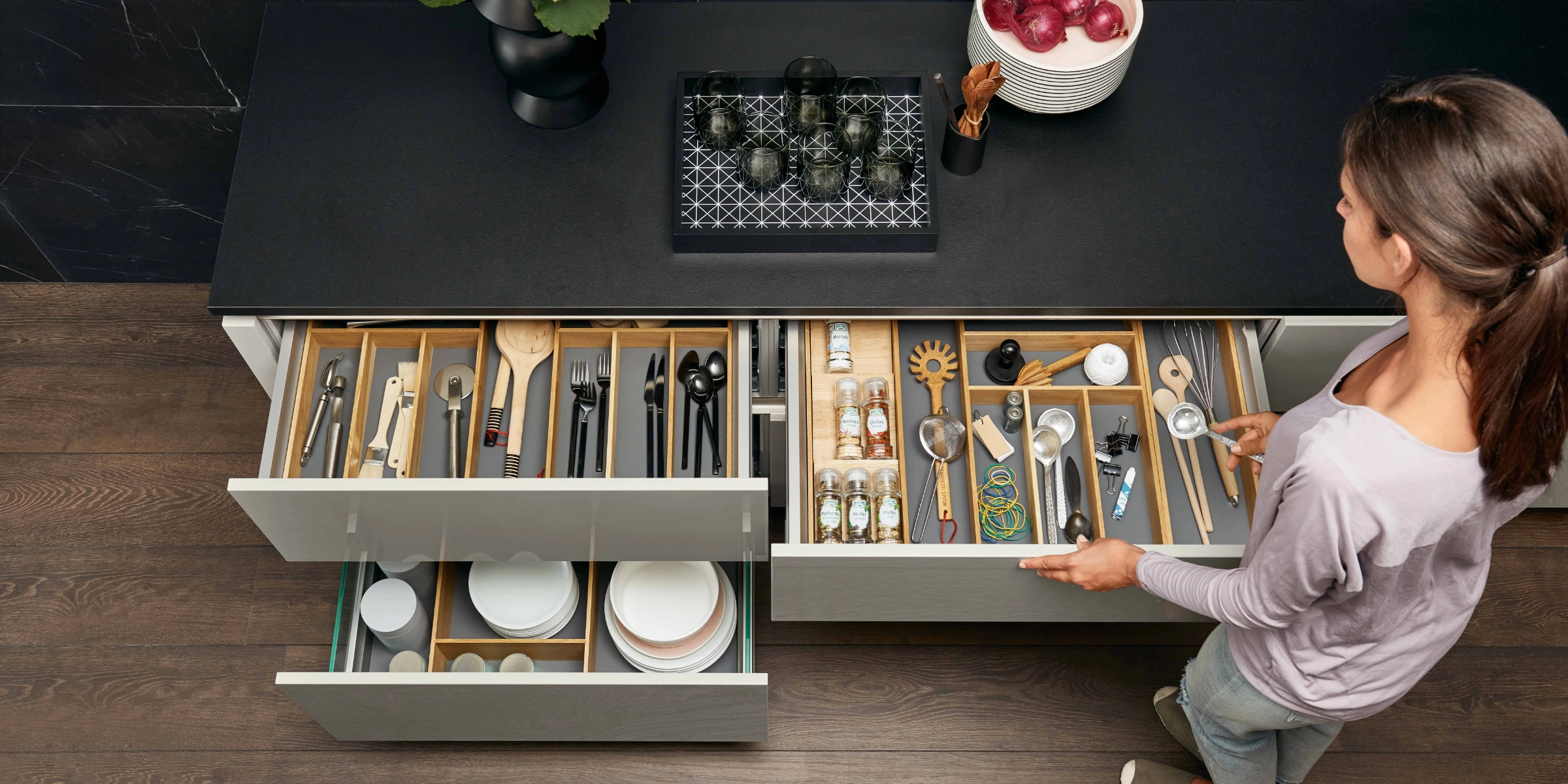
Using organizers and dividers in a deep kitchen drawer helps keep utensils neat and easy to find. These tools create separate spaces for different items. They prevent clutter and make the drawer look tidy. Organizers fit various drawer sizes and shapes. Dividers keep utensils from sliding around. Together, they improve your kitchen’s functionality and save time during cooking.
Types Of Drawer Organizers
- Plastic trays with compartments for forks, knives, and spoons
- Wooden organizers that fit perfectly in deep drawers
- Bamboo dividers that can be adjusted or removed
- Expandable metal grids for flexible spacing
- Stackable organizers to use vertical space
Diy Divider Ideas
Create custom dividers using simple materials at home. Cut cardboard strips to fit inside the drawer. Arrange them to form small compartments. Use sturdy foam board for a longer-lasting solution. Wrap dividers with decorative paper for a nice look. Glue felt or fabric on the bottom to prevent slipping and noise.
Adjustable Compartments
Adjustable compartments adapt to your utensils’ size and number. Choose organizers with sliding dividers to change compartment width. They suit different kitchen tools from spatulas to whisks. Adjustable organizers make cleaning easier by removing sections. They keep everything in place and reduce drawer mess.

Credit: www.ikea.com
Maximizing Vertical Space
Deep drawers can be tricky, but stacking utensil holders helps use the height well. Vertical dividers keep tools upright and easy to find. This saves space and keeps everything neat.
Maximizing Vertical Space in your kitchen's deep drawer can transform chaos into order. Think of all the space above your utensils that often goes unused. By organizing vertically, you can access everything you need without rummaging through a tangled mess.
Stackable Trays
Stackable trays are your allies for utilizing vertical space efficiently. Consider transparent trays to see what you have at a glance. You can stack them high, keeping similar items together, like measuring spoons or baking tools. This approach makes it easier to grab what you need without disturbing everything else. The beauty of stackable trays lies in their adaptability—you can rearrange them as your needs evolve.
Utensil Holders
Utensil holders aren't just for countertops; they work wonders inside drawers too. Opt for tall, slim holders to stand utensils upright. This keeps them visible and accessible. Imagine reaching for a spatula without having to dig through a pile of gadgets. By organizing vertically with utensil holders, you ensure that each tool has its designated spot, minimizing clutter.
Layered Storage Solutions
Layered storage solutions can turn your drawer into a functional masterpiece. Consider using tiered inserts or adjustable dividers to create levels within the drawer. This way, you can store more without overcrowding the space. Think about how you use your utensils daily and arrange them accordingly. What items do you reach for most often? Position those on top layers. By customizing layered storage, you create a system that fits your unique cooking style. Taking the time to organize your deep drawer with these methods can save you time and frustration. Which solution will you try first?
Maintaining Order Over Time
Keeping your deep drawer organized takes regular care. Small habits help maintain order and prevent clutter. Setting up a system is only the start. Consistent effort keeps utensils easy to find and use every day.
Regular Decluttering
Remove unused or broken utensils often. Check the drawer every few weeks. Toss or donate items that no longer serve you. This stops clutter from building up. It also frees space for important tools.
Labeling Sections
Use labels to mark each utensil area. Labels guide where items belong. They make it easier for everyone in the home to return things properly. Clear labels reduce mess and save time during cooking.
Cleaning Tips
Keep the drawer clean to avoid dirt buildup. Wipe the inside with a damp cloth regularly. Use mild soap for sticky spots. Dry thoroughly before placing utensils back. Clean tools before storing them to stay hygienic.
Credit: www.nolte-kuechen.com
Creative Storage Hacks
Creative storage hacks can turn a deep kitchen drawer from a cluttered mess into a well-organized space that saves time and stress. By thinking beyond traditional utensil trays, you can maximize every inch and keep your tools easy to find. These clever ideas use simple materials and smart placement to make your drawer truly work for you.
Magnetic Strips Inside Drawer
Magnetic strips aren’t just for walls—they work great inside deep drawers too. Attach a strong magnetic strip along the drawer’s inner side to hold metal utensils upright and separate. This keeps sharp knives and metal tools secure and easy to grab without rummaging.
Try using multiple strips to create different zones for spoons, forks, and knives. You’ll quickly notice how much more accessible your utensils become. Have you considered how much time you spend digging for that one special spoon? Magnetic strips can end that frustration.
Using Tension Rods
Tension rods are surprisingly versatile for organizing deep drawers. Place a couple of adjustable rods inside the drawer to create compartments or to hold tall items like rolling pins or spatulas in place. This prevents them from sliding around when you open and close the drawer.
You can arrange rods horizontally or vertically depending on the utensil sizes. This simple hack keeps your drawer neat without spending money on custom dividers. Would you have guessed that tension rods could double as drawer organizers?
Repurposing Containers
Look around your home for containers you already have—small boxes, jars, or even old utensil trays. These can be repurposed to section off different types of utensils inside the drawer. Group similar items together, like baking tools in one container and cooking spoons in another.
Using clear containers or labeling them helps you find what you need fast. This approach lets you customize the drawer layout exactly to your needs without buying new organizers. What everyday item could you turn into a perfect utensil holder today?

Credit: www.familyhandyman.com
Frequently Asked Questions
How Can I Maximize Space In A Deep Kitchen Drawer?
Use adjustable dividers or trays to separate utensils. Arrange items by frequency of use. Stack similar utensils vertically to save space and improve accessibility.
What Are The Best Organizers For Deep Kitchen Drawers?
Drawer dividers, bamboo trays, and modular inserts work well. They keep utensils sorted and prevent clutter. Choose organizers that fit drawer dimensions perfectly.
How Often Should I Clean And Reorganize Kitchen Drawers?
Clean and reorganize every 3 to 6 months. This removes dirt and allows reassessment of utensil needs. Regular maintenance keeps drawers tidy and functional.
Can I Store Large Utensils Effectively In Deep Drawers?
Yes, deep drawers are ideal for large utensils. Use long dividers or separate sections for spatulas and whisks. This prevents overlapping and damage.
Conclusion
Organizing kitchen utensils in a deep drawer saves time and space. Use dividers or trays to separate items clearly. Keep frequently used tools near the top for easy reach. Regularly clean and declutter to maintain order. A neat drawer makes cooking smoother and more fun.
Small steps create a big difference in kitchen comfort. Try these tips and enjoy a tidy, efficient kitchen today.