
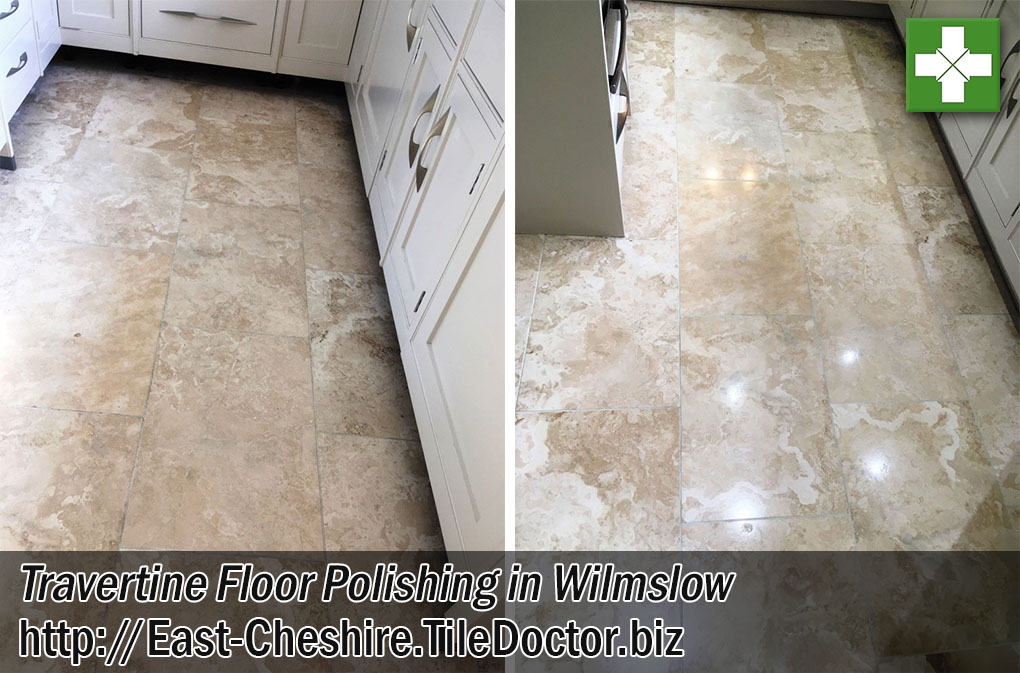
How to Polish Kitchen Floor Tiles: Is your kitchen floor looking dull or scratched? You spend a lot of time in your kitchen, and the floor is one of the first things you notice.
Polishing your kitchen floor tiles can bring back their shine and make your whole space feel fresh and inviting. You’ll discover simple, effective steps to polish your tiles like a pro. Whether you want to impress guests or just enjoy a cleaner, brighter kitchen, these tips will help you get the job done quickly and easily.
Ready to transform your kitchen floor? Let’s get started!

Credit: limestone.tilecleaning.co.uk
Choosing The Right Polish
Choosing the right polish for your kitchen floor tiles can make a huge difference in how they look and last. Not all polishes work well on every type of tile, so understanding what suits your flooring is key. Have you ever applied a product only to see no shine or worse, damage? That’s why picking the right polish matters.
Types Of Tile Polishes
Tile polishes come in several types, each designed for specific materials and finishes. Here are the common ones you’ll find:
- Wax-based polishes:These add a thick, protective layer that enhances shine but may require frequent reapplication. Ideal for ceramic and porcelain tiles.
- Silicone-based polishes:Known for creating a glossy finish and repelling water. They work well on natural stone but can make tiles slippery.
- Water-based polishes:Easier to apply and clean up, these polishes dry quickly and offer moderate shine. They are safer for most tile types, including vinyl and laminate.
- Stone-specific polishes:Formulated for marble, granite, or slate, these polishes protect without harming the natural texture.
Knowing your tile material helps you avoid costly mistakes and ensures your floor looks fresh without risking damage.
Best Products For Kitchen Floors
Not all polishes are created equal, especially in a high-traffic area like your kitchen. Some products stand out because they balance shine, durability, and safety.
| Product Name | Type | Best For | Key Features |
|---|---|---|---|
| Rejuvenate High Gloss Floor Finish | Water-based | Ceramic, Porcelain | Easy to apply, quick drying, long-lasting shine |
| Guardsman Stone Floor Polish | Stone-specific | Marble, Granite | Enhances natural stone, protects from stains |
| Minwax Paste Wax | Wax-based | Sealed Tiles | Thick protective layer, durable, rich shine |
| Weiman Silicone Floor Polish | Silicone-based | Natural Stone, Tile | Water resistant, high gloss, easy to buff |
Have you tried any of these? Choosing a polish tailored to your floor type saves you time and keeps your kitchen looking its best. Remember, a well-chosen polish not only shines but also protects your investment.
Preparing The Floor
Preparing your kitchen floor tiles before polishing is essential for achieving a smooth, shiny finish that lasts. Skipping this step can cause uneven polishing and dull spots. Taking time to prepare ensures your effort results in a floor that looks professionally maintained.
Cleaning And Removing Dirt
Start by thoroughly cleaning your floor tiles. Dirt and grime can block the polishing process, leaving your tiles looking dull.
Use a mop with warm water and a mild detergent to scrub the surface. For stubborn stains, a soft brush can help reach into grout lines and textured areas.
Make sure to rinse the floor well and let it dry completely before moving on. Have you noticed how even a small patch of dirt can ruin the shine on polished tiles?
Fixing Cracks And Grout Issues
Examine your floor carefully for any cracks or damaged grout. These imperfections will stand out after polishing and may worsen over time.
Fill small cracks with a tile repair filler or epoxy, matching the color to your tiles. For grout problems, remove the damaged sections using a grout saw and apply new grout.
Allow repairs to dry fully before polishing. Addressing these issues first makes a big difference in the final look and durability of your floor.
Polishing Tools You Need
Polishing kitchen floor tiles requires the right tools for a smooth, shiny finish. Using proper equipment saves time and effort. It also protects your tiles from damage during the process.
Some tools work by hand, while others use electricity. Each tool type has benefits and suits different needs. Choosing the right tools depends on your tile type and how polished you want the floor.
Manual Vs. Electric Tools
Manual polishing tools include scrub brushes, microfiber cloths, and hand-held polishing pads. These tools are gentle and good for small areas or delicate tiles.
- Scrub brushes help remove dirt and stains before polishing.
- Microfiber cloths provide a smooth finish without scratching.
- Hand-held polishing pads allow control in tight spaces.
Electric tools offer faster, more consistent results. They include rotary polishers and orbital buffers. These machines reduce physical effort and cover larger areas quickly.
- Rotary polishers spin rapidly to restore tile shine.
- Orbital buffers move in circles for even polishing.
- Attach different pads for various polish levels.
Safety Gear For Polishing
Safety gear protects you during polishing. Tiles can be slippery, and polishers can create dust or debris.
- Wear non-slip shoes to prevent falls.
- Use gloves to protect your hands from chemicals and rough surfaces.
- Safety goggles keep dust and particles out of your eyes.
- A dust mask prevents breathing in fine particles.
Proper ventilation in the room helps reduce fumes from polish products. Always read product labels for any extra safety instructions.

Credit: limestone.tilecleaning.co.uk
Step-by-step Polishing Process
Polishing your kitchen floor tiles can transform the entire space, giving it a fresh, vibrant look. The process requires patience and attention to detail but is entirely doable with the right approach. Here’s a clear, step-by-step guide to help you achieve that perfect shine.
Applying The Polish
Start by ensuring your tiles are clean and completely dry. Dirt or moisture can prevent the polish from adhering properly. Use a soft cloth or applicator pad to spread the polish evenly across the tile surface.
Apply the polish in small sections to avoid it drying before you get to buffing. A thin, consistent layer works best—too much polish can cause streaks or a sticky finish. Have you noticed how skipping this step can leave your floor unevenly shiny or dull?
Buffing Techniques
Buffing is where the magic happens. Use a clean, dry microfiber cloth or a buffing machine if you have one. Move in small, circular motions to bring out the shine without damaging the tile surface.
Applying light pressure lets the polish bond well and creates a smoother finish. If you’ve ever tried buffing without patience, you might have ended up with scratches or uneven gloss. Taking your time here makes all the difference.
Drying And Curing Time
After buffing, allow the polish to dry naturally. Avoid walking on the floor during this time to prevent smudges or footprints. Drying times can vary, but typically, you should wait at least 30 minutes to an hour.
For best results, give the polish time to cure fully—usually 24 hours before heavy use. This curing step ensures your floor stays shiny longer and resists wear better. How often do you consider curing time important in your cleaning routine?
Maintaining The Shine
Regular cleaning keeps kitchen floor tiles bright and shiny. Use a gentle polish and soft cloth to restore their natural glow. Avoid harsh chemicals to protect the tile surface.
Maintaining the shine of your kitchen floor tiles can be a rewarding experience, transforming your space into a sparkling haven. Polished tiles reflect light beautifully, enhancing the overall ambiance of your kitchen. However, keeping them in pristine condition requires regular care and attention.
Regular Cleaning Tips
To keep your tiles gleaming, consistent cleaning is essential. Use a soft-bristle broom or a vacuum with a hard floor attachment to remove loose dirt and debris. This prevents scratches that dull the shine over time. After sweeping, mop the floor with warm water and a gentle detergent. Avoid harsh chemicals that can wear down the polish. A simple mix of water and mild dish soap often does the trick. Rinse the tiles thoroughly to prevent soap residue from clouding the shine. Finally, dry the floor with a clean microfiber cloth to avoid water spots, ensuring your tiles maintain their luster.
Avoiding Damage To Polished Tiles
Protecting your polished tiles from damage is crucial for maintaining their shine. Avoid dragging heavy furniture across the floor as it can cause scratches. Instead, lift and place items or use furniture pads. Be mindful of spills, especially acidic substances like vinegar or lemon juice. These can erode the polish if left unattended. Clean spills immediately using a soft cloth and water. Consider using rugs or mats in high-traffic areas to reduce wear and tear. Not only do they add style, but they also protect your tiles from daily damage. Are there specific cleaning products you swear by for keeping your tiles in top condition? Share your thoughts in the comments!

Credit: limestone.tilecleaning.co.uk
Common Mistakes To Avoid
Polishing kitchen floor tiles enhances their shine and extends their life. Avoiding common mistakes helps keep tiles looking great. Mistakes can damage tiles or waste your effort. Learn what to watch out for during polishing.
Over-polishing Risks
Polishing too often or too long wears down tile surfaces. It can cause scratches or dull spots. Excess polish buildup creates a sticky, uneven finish. Tiles may become slippery and unsafe. Let tiles dry fully between polish applications. Use gentle pressure to protect tile glaze.
Using Wrong Products
Harsh chemicals can damage tile surfaces and grout. Acidic cleaners may etch or discolor tiles. Avoid abrasive powders or rough scrubbers that scratch tiles. Choose polish made for your tile type, like ceramic or stone. Test new products on a small, hidden area first. Follow product instructions carefully for best results.
Frequently Asked Questions
How Often Should I Polish Kitchen Floor Tiles?
Polish kitchen floor tiles every 3 to 6 months. Frequent polishing maintains shine and protects tiles from wear and tear. High-traffic kitchens may need more frequent polishing to keep tiles looking new and glossy.
What Materials Do I Need To Polish Kitchen Tiles?
You need a tile cleaner, polishing powder or cream, a soft cloth, and a mop. Use a buffer or polishing machine for best results. Always choose products suitable for your tile type to avoid damage.
Can I Polish All Types Of Kitchen Floor Tiles?
Most ceramic and porcelain tiles can be polished safely. Avoid polishing natural stone tiles like marble or granite without professional advice. Some tiles have a protective coating that may affect polishing results.
Is Polishing Better Than Sealing Kitchen Floor Tiles?
Polishing enhances shine and smoothness, while sealing protects against stains and moisture. Both treatments complement each other for tile maintenance. Use polishing to restore gloss and sealing to extend tile durability.
Conclusion
Polishing kitchen floor tiles keeps them bright and clean. Regular care stops dirt and stains from building up. Simple steps like cleaning and buffing make a big difference. Use the right polish and tools for best results. Keep your kitchen floor looking fresh and shiny every day.
A little effort goes a long way in tile care. Enjoy a neat and welcoming kitchen space always.