
Is your kitchen drawer stuck or sliding unevenly? You’re not alone, and fixing it might be easier than you think.
Imagine opening your drawer smoothly every time, without any frustrating jams or wobbles. In this guide, you’ll learn simple, step-by-step tips to put your kitchen drawer back on track quickly. Keep reading—you’ll be surprised how small fixes can make a big difference in your daily kitchen routine.

Credit: www.reddit.com
Identify The Problem
Identify the problem before fixing a kitchen drawer. This step saves time and effort. It helps you know exactly what needs repair. Careful inspection can reveal hidden issues. Start by examining common trouble spots. This way, you avoid guesswork and fix the drawer correctly.
Check For Misalignment
Look closely at the drawer's position. See if it sits crooked or uneven. Check if it slides straight or tilts. Misalignment often causes sticking or jamming. Gently push and pull the drawer to feel resistance. Notice any unusual gaps between the drawer and cabinet.
Inspect The Drawer Slides
Drawers use slides to move smoothly. These can be metal or plastic strips on the sides. Examine slides for dirt, rust, or wear. Dirt can block movement, making the drawer hard to open. Rust weakens the slides and causes rough motion. Test if the slides move freely by hand.
Look For Broken Parts
Broken parts stop drawers from working well. Check the slides for cracks or bends. Inspect the screws holding slides or the drawer front. Loose or missing screws cause instability. Look at the drawer bottom and sides for splits. Damaged wood or plastic can block smooth sliding.
:strip_icc()/bhg-kitchen-drawer-slides_8pmLpaOPqRL84F5AQsbK3g-c0889a5c5ff04b5eafdc8bcd9018236c.jpg)
Credit: www.bhg.com
Gather Necessary Tools
Before you dive into fixing your kitchen drawer, gathering the right tools is crucial. Having everything at hand saves time and reduces frustration. It also ensures you can handle unexpected issues that might pop up during the repair.
Basic Tools Needed
Start with a few essential tools that fit most drawer repairs. You’ll want a screwdriver—both flathead and Phillips—to remove and reattach screws. A hammer can help gently tap parts back into place without causing damage.
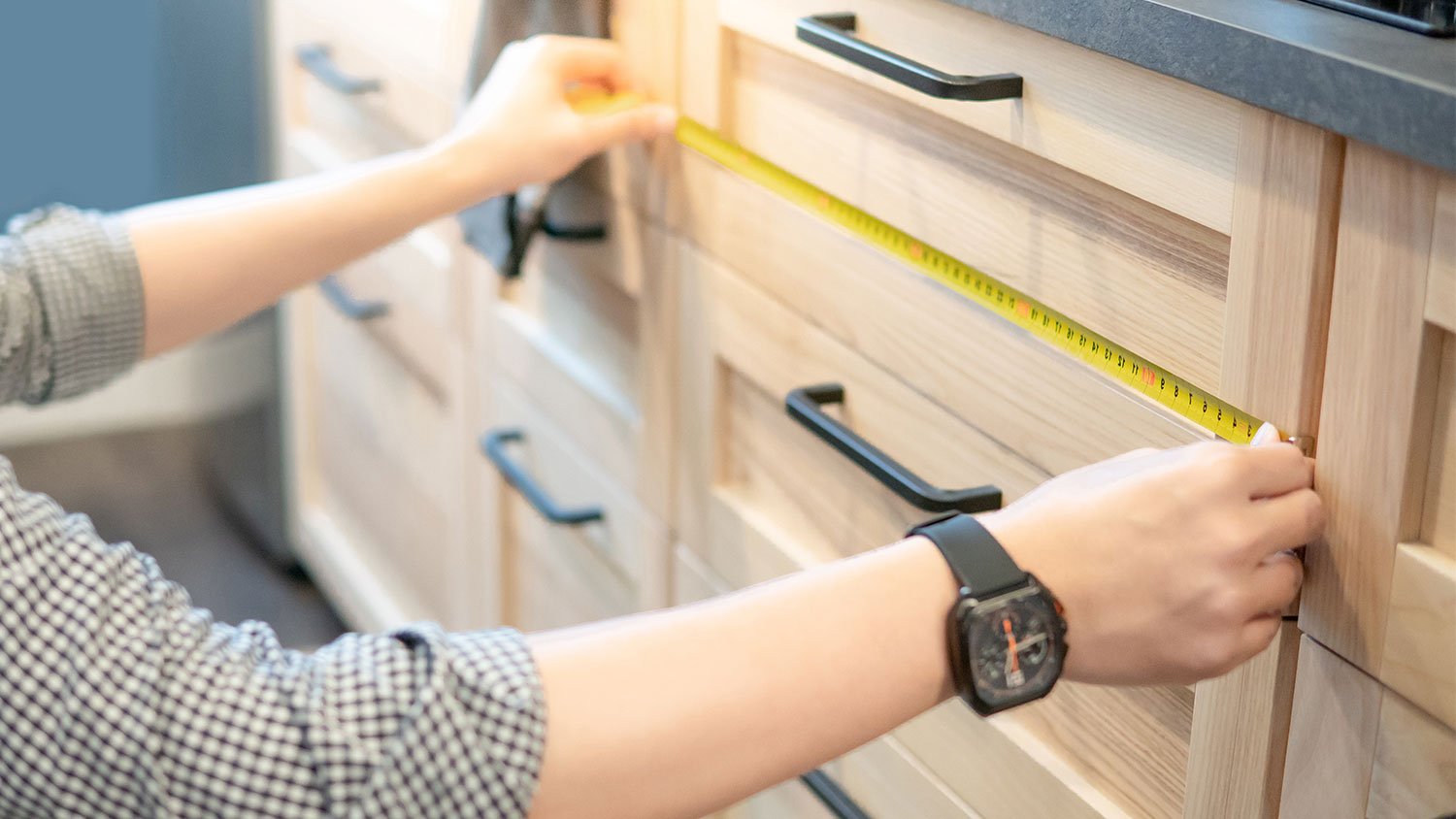
A tape measure is handy for checking alignment and ensuring the drawer fits correctly. Don’t forget a flashlight; sometimes, the inside of your cabinet can be dark, making it hard to see what you’re doing. Lastly, a pair of pliers can assist with gripping or bending small components.
Optional Repair Supplies
Depending on your drawer’s condition, you might need additional supplies. Wood glue works well if any wooden parts are loose or cracked. Sandpaper can smooth rough edges or surfaces that cause sticking.
Consider extra screws or small nails if the originals are worn out or stripped. Drawer slides or replacement rollers might be necessary if the drawer keeps coming off track repeatedly. Having these on hand lets you act quickly without another trip to the store.
Remove The Drawer Safely
Removing a kitchen drawer safely is important for a smooth repair process. Careful removal prevents damage to the drawer and the cabinet. It also keeps the slides in good condition. Take your time and follow simple steps to avoid accidents.
Unlocking The Slides
Kitchen drawers usually have metal slides on each side. These slides lock the drawer in place. Look for a small lever or tab on the slides. Press or lift these levers gently. This will unlock the slides. Some slides may have clips that need to be pushed in. Do not force the drawer out before unlocking the slides. Forcing can break the slides or the drawer.
Lifting The Drawer Out
Once the slides are unlocked, hold the drawer firmly with both hands. Pull it straight out slowly. Keep the drawer level to avoid catching on the cabinet edges. If the drawer feels stuck, check the slides again. Do not tilt or twist the drawer too much. Lifting the drawer out carefully protects the slides and the cabinet. Place the drawer on a flat surface to work on it safely.
Clean And Lubricate Tracks
Clean and Lubricate Tracks Maintaining smooth drawer operation begins with clean tracks. Remove debris and apply lubricant for seamless movement. Regular care prevents sticking and prolongs drawer life.
Maintaining a smoothly functioning kitchen drawer is essential for a stress-free cooking experience. Often, the secret lies in keeping the tracks clean and well-lubricated. This simple maintenance task can save you from the frustration of a stubborn drawer that refuses to glide. Let’s explore how you can effectively clean and lubricate your kitchen drawer tracks.
Remove Dirt And Debris
Start by pulling the drawer out completely. Carefully inspect the tracks for any dirt, crumbs, or small objects that might be lodged in the way. You'd be surprised how a small paperclip or a few grains of rice can cause a drawer to jam. Use a vacuum cleaner with a narrow nozzle attachment to suck up loose debris. For sticky residues, a damp cloth can do wonders. Ensure the tracks are completely dry before proceeding to the next step.
Apply Suitable Lubricant
Once the tracks are clean, it's time to add lubricant to ensure smooth movement. Not all lubricants are created equal, so choose one that is suitable for metal or plastic, depending on your track material. A silicone spray is often a good choice, as it doesn't attract dust and grime. Spray the lubricant lightly along the tracks, then slide the drawer back and forth a few times to distribute it evenly. Have you ever noticed how a well-oiled drawer feels almost new? This small task can make a big difference in your kitchen routine. Remember, taking a few minutes to clean and lubricate your drawer tracks can save you from bigger hassles down the line. Why let a sticky drawer disrupt your culinary flow when a little maintenance can keep everything on track?
Realign The Drawer Slides
Realigning the drawer slides is key to fixing a drawer that sticks or falls off track. Drawer slides guide the drawer’s movement, so their position affects how smoothly the drawer opens and closes. Over time, slides can shift or loosen, causing misalignment. Resetting them ensures the drawer fits perfectly and glides easily.
Adjusting Slide Position
First, remove the drawer completely to access the slides. Check the slides on both the drawer and inside the cabinet. If the slides look crooked or uneven, gently move them to line up straight. Use a level or ruler to confirm they are parallel to the drawer’s sides.
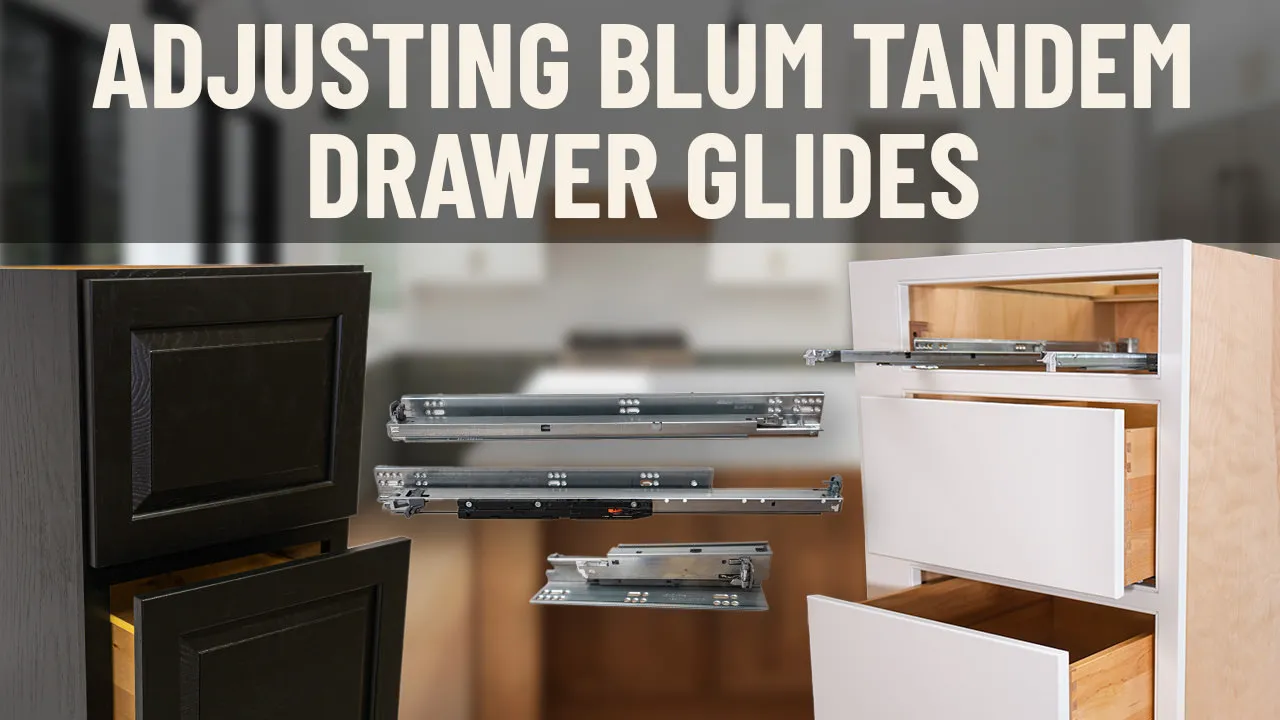
Small shifts can make a big difference. Loosen the screws holding the slides just enough to slide them slightly up, down, left, or right. Tighten screws once the slides sit evenly. Test the drawer by sliding it back in to see if it moves smoothly.
Securing The Slides Properly
After positioning the slides correctly, secure them firmly. Loose screws cause slides to move and misalign again. Use a screwdriver to tighten each screw completely, but avoid stripping the screws or wood.
Check for damaged or missing screws and replace them if needed. Some slides have additional mounting points; use all available screw holes for stability. If the wood is soft or damaged, consider using longer screws or wood glue for better hold.
Credit: www.cabinetjoint.com
Replace Damaged Components
Replacing damaged components is often the key to getting your kitchen drawer sliding smoothly again. Worn-out slides or broken rollers can cause sticking, misalignment, or even make the drawer unusable. Fixing these parts restores function without the need for a full drawer replacement.
Choosing Replacement Parts
Start by inspecting the drawer’s hardware closely. Are the metal slides bent or rusted? Are the plastic rollers cracked or missing?
Take the damaged part to a hardware store or search online to find an exact match. Drawer slides come in various lengths and types—side-mount, under-mount, or center-mount—so check what fits your drawer.
Sometimes, you’ll find universal kits that work with multiple drawer styles. Choosing the right parts saves you from repeated repairs and frustration down the line.
Installing New Slides Or Rollers
Before installing, remove the old slides or rollers carefully. Use a screwdriver or drill to take out screws, keeping them handy in case you need them again.
Align the new slides or rollers exactly where the old ones were. Misalignment can cause the drawer to stick or fall off track again.
Secure the new parts firmly with screws, but don’t overtighten as this can damage the wood. Test the drawer’s movement by sliding it in and out a few times to ensure it moves smoothly.
Have you noticed how just replacing a small, worn-out part can transform the whole drawer’s function? It’s a simple fix that makes your kitchen feel more organized and less frustrating.
Reinstall The Drawer
Reinstalling the kitchen drawer is the last step to get it working smoothly again. This step requires care to ensure the drawer fits perfectly back onto its tracks. A properly reinstalled drawer will slide in and out without sticking or wobbling. Patience during this process pays off with a drawer that feels like new.
Aligning With Slides
Start by positioning the drawer in front of the cabinet. Line up the drawer’s metal or plastic slides with the cabinet rails. Both sides must match perfectly for smooth movement. Gently push the drawer straight into the cabinet. Avoid forcing it to prevent damage. Listen for a click or feel a slight snap as the slides engage. This confirms the drawer is properly seated on the tracks.
Testing Smooth Operation
Once the drawer is in place, open and close it slowly several times. Check if it moves without sticking or tilting. The drawer should glide smoothly from front to back. If it feels tight or wobbly, pull it out and realign the slides. Repeat until the motion is even and stable. Smooth operation means the drawer is correctly reinstalled and ready for daily use.
Prevent Future Issues
Keeping your kitchen drawer running smoothly after putting it back on track requires some care. Preventing future issues saves you time and frustration. Small habits can make a big difference in extending the life of your drawer and avoiding repeated repairs.
Regular Maintenance Tips
Check your drawer’s tracks and rollers every few months. Dust, crumbs, and grease build-up can cause sticking or misalignment. Wiping them clean with a damp cloth and drying thoroughly keeps everything moving freely.
Lubricate the tracks with a small amount of silicone spray or a dry lubricant. Avoid using oil-based lubricants as they attract dirt. Doing this regularly stops squeaks and reduces wear on parts.
Are you noticing any wobbling or uneven movement? Tighten loose screws or replace worn-out parts immediately. This prevents minor problems from turning into full drawer failures.
Avoiding Overloading
Think about how much weight your drawer can handle comfortably. Overloading stresses the tracks and can cause bending or breakage. Keep heavy items in lower cabinets or shelves designed for weight.
Organize your drawer so items are evenly distributed. Uneven weight can lead to one side dragging or jamming. For example, don’t pile all your pots and pans in a single drawer.
Have you ever slammed a drawer shut when it was too full? That force can damage the tracks and rollers over time. Close drawers gently and avoid forcing them if they resist.
Frequently Asked Questions
How Do I Fix A Misaligned Kitchen Drawer Track?
To fix a misaligned track, first remove the drawer. Check the rails for damage. Realign the rails evenly and tighten screws. Slide the drawer back carefully. Test for smooth movement and adjust if needed.
What Tools Are Needed To Put Drawer Back On Track?
You typically need a screwdriver, pliers, and sometimes replacement screws or rails. A flashlight helps to inspect inside the cabinet. These tools allow you to tighten, adjust, or replace drawer components easily.
Why Does My Kitchen Drawer Keep Coming Off Track?
Drawers often come off track due to worn or damaged rollers, loose screws, or misaligned rails. Regular use can loosen parts. Check and tighten screws regularly to prevent this issue.
Can I Repair A Drawer Track Without Removing The Drawer?
Minor adjustments can be made without removing the drawer. Gently lift and realign the drawer on its rails. However, for thorough fixes or replacements, removing the drawer is recommended.
Conclusion
Fixing a kitchen drawer is easier than it seems. Check the tracks and clean any dirt or debris. Tighten loose screws and align the drawer carefully. Test it by opening and closing a few times. Small repairs save you money and time.
Keep your kitchen working smoothly with simple care. Try these steps to keep your drawers sliding right. Don’t let a stuck drawer slow you down. A little effort makes a big difference every day.