
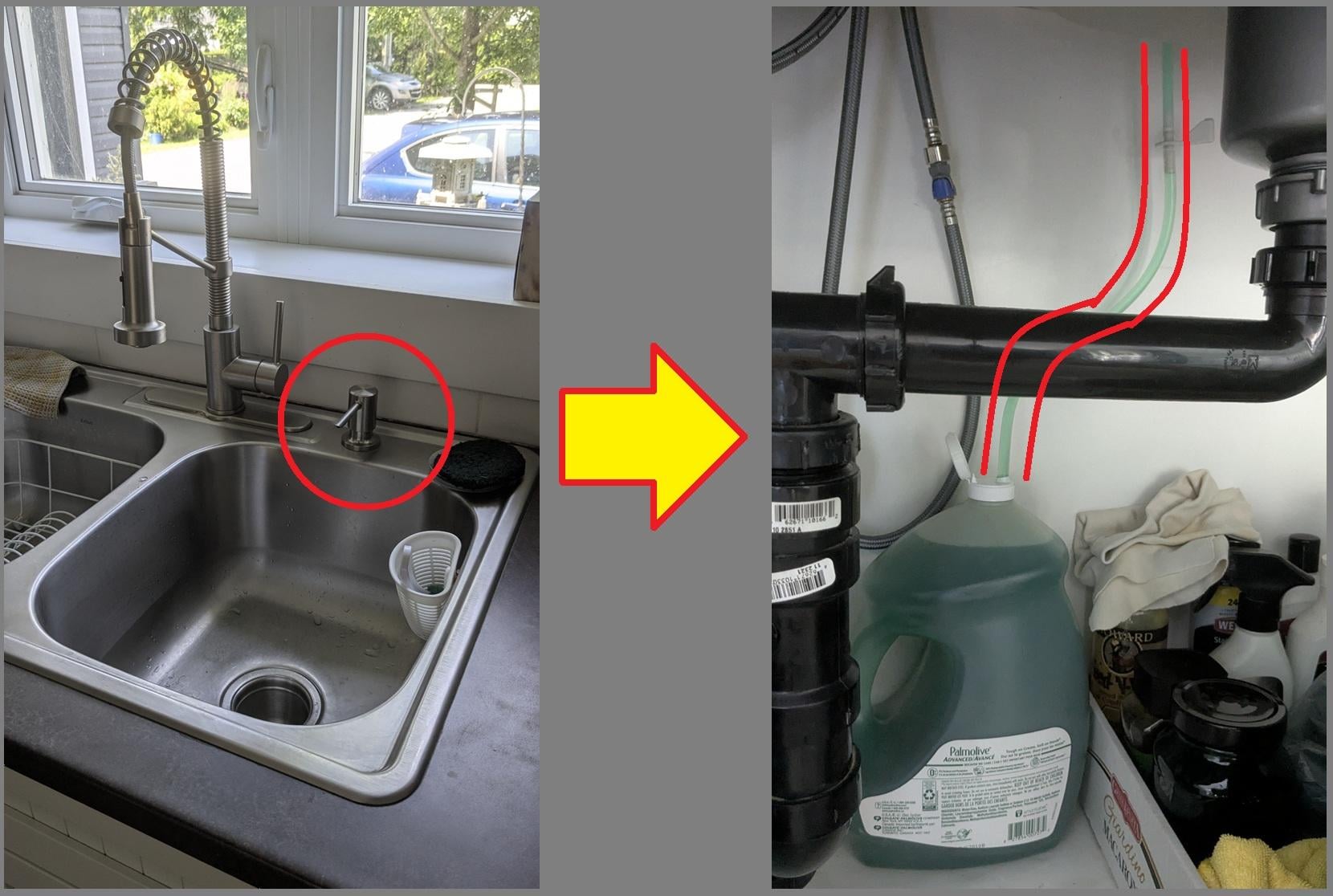
Is your kitchen sink soap dispenser running low or empty? Refilling it might seem tricky, but it’s actually quick and simple once you know the steps.
Imagine never having to fumble with messy soap bottles or deal with spills again. In this guide, you’ll learn exactly how to refill your kitchen sink soap dispenser the right way, saving you time and keeping your kitchen neat. Keep reading to discover easy tips that make this small task hassle-free and efficient.

Credit: www.amazon.ca
Tools And Materials Needed
Before you start refilling your kitchen sink soap dispenser, it’s important to gather the right tools and materials. Having everything ready makes the process smooth and avoids spills or messes. Let’s look at what you’ll need to get the job done efficiently and with minimal hassle.
Types Of Soap Compatible
Not all soaps work well with every dispenser. Most kitchen soap dispensers are designed for liquid dish soap, but some also handle foaming soap or hand soap.
- Liquid Dish Soap:The most common choice, easy to pump and cleans dishes effectively.
- Foaming Soap:Requires a dispenser made for foaming; regular liquid soap may clog it.
- Hand Soap:If you prefer hand soap for your kitchen sink, make sure it’s thin enough to pump easily.
Using the wrong type of soap can cause clogging or damage your dispenser. Have you ever tried to pump thick soap only to get a frustrating clog? Avoid that by choosing soap that matches your dispenser’s design.
Essential Tools
Refilling a soap dispenser is simple but having these tools on hand makes it faster and cleaner.
- Funnel:Helps pour soap without spilling and keeps your sink area tidy.
- Clean Cloth or Paper Towels:Useful for wiping any drips or spills immediately.
- Warm Water:For cleaning the dispenser’s pump before refilling, ensuring smooth operation.
- Screwdriver or Wrench:Sometimes needed to remove the dispenser head if it’s stuck or hard to twist off.
Don’t underestimate the power of a simple funnel—it saved me from a sticky mess more than once. What small tool do you think would make your kitchen tasks easier?

Credit: dscc.lk
Preparing The Soap Dispenser
Preparing your kitchen sink soap dispenser before refilling it is key to keeping the soap flowing smoothly and your sink area clean. Taking a little extra time to get the dispenser ready can prevent clogs and avoid soap buildup that often leads to frustrating blockages. Have you ever tried to refill a dispenser only to find the pump stuck or the soap not coming out? Proper preparation helps you skip that hassle.
Removing The Dispenser Pump
Start by carefully unscrewing or pulling off the dispenser pump from the bottle. Most pumps twist off easily, but some models might require a bit more force—just be gentle to avoid breaking the pump. If you struggle, try pressing down slightly while turning to loosen the mechanism.
Once removed, check the pump for any soap residue or hardened soap that might block the nozzle. You’ll want a clean pump to ensure smooth soap flow after refilling.
Cleaning The Dispenser Bottle
Empty any remaining soap from the bottle before cleaning it. Rinse the bottle with warm water to remove leftover soap and prevent old soap from mixing with the new. For a deeper clean, fill the bottle halfway with warm water and add a few drops of dish detergent, then shake it well.
Rinse thoroughly after cleaning to avoid any soap residue that could affect your new soap’s consistency. Taking the time to clean the bottle means your soap dispenser will work better and last longer. Have you noticed how a clean bottle can make refilling feel so much easier?
Refilling The Dispenser
Refilling your kitchen sink soap dispenser is a simple task that can save you time and keep your sink area tidy. Knowing how to refill it correctly prevents messes and helps your dispenser last longer. Let’s look at how to choose the right soap and fill the dispenser without spills.
Choosing The Right Soap
Not all soaps work well in dispensers. Thick or gel-based soaps often clog the pump, causing frustration. Look for liquid dish soap labeled as "dispensable" or "for soap pumps."
If you prefer natural or homemade soaps, test a small amount first. Some natural soaps can be too thick or create residue inside the dispenser. Think about the scent and how it matches your kitchen environment—strong fragrances can linger longer than you expect.
Filling Techniques To Avoid Spills
Spills happen easily if you rush. Remove the dispenser top carefully and set it aside on a clean towel. Use a small funnel or pour soap slowly from the bottle to keep control.
Fill the dispenser until it’s about 80% full. This space helps prevent overflow when you replace the pump. Wipe off any drips immediately to keep the area clean and avoid sticky buildup.
Have you noticed how a little patience during refilling saves you from cleaning up a big mess later? Taking a moment to pour slowly can make a big difference in how smoothly your dispenser works every day.
Reassembling The Dispenser
Carefully place the pump back onto the soap reservoir. Twist it gently to secure the dispenser tightly. Test the pump to ensure smooth soap flow.
Reassembling the dispenser can be a straightforward task if you approach it with a calm mindset and a clear plan. After refilling your kitchen sink soap dispenser, it’s time to put everything back together. This step is vital to ensure the dispenser works correctly and efficiently. Let's walk through the process with a focus on securing the pump and testing the dispenser.
Securing The Pump Back
Start by aligning the pump with the dispenser bottle. Gently twist it clockwise until it is snug and secure. Ensure that it is not overly tight, as this could damage the threading or make future refills difficult. Check if the pump tube is properly attached and submerged in the soap. A misplaced tube can interrupt the flow of soap, causing frustration when you need it most. Have you ever struggled with a dispenser pump that just wouldn’t stay put? Avoid this by making sure everything is aligned before tightening. This simple step saves time and hassle down the road.
Testing The Dispenser Function
Once reassembled, it’s crucial to test the dispenser to confirm everything is working smoothly. Press the pump several times to allow the soap to travel through the tube. Observe if the soap dispenses without leaks or sputtering. If there’s an issue, double-check the pump’s alignment and the tube’s position. Remember the disappointment of pressing the pump only to find it not working? Testing ensures you won’t face this inconvenience when your hands are full or covered in flour. By taking these steps, you ensure your kitchen remains functional and efficient, making your culinary adventures more enjoyable.
Tips For Maintenance
Maintaining your kitchen sink soap dispenser keeps it working smoothly. Simple care prevents problems and extends its life. Follow these tips to keep your dispenser clean and clog-free.
Preventing Clogs
Use liquid soap made for dispensers only. Thick or solid soaps cause blockages. Avoid letting soap dry inside the pump. Flush the dispenser with warm water every few weeks. This clears out any soap buildup. If the nozzle clogs, soak it in warm water. Use a thin brush or toothpick to remove residue carefully.
Regular Cleaning Schedule
Clean your soap dispenser regularly to avoid dirt and grime. Remove the pump and rinse it under warm water. Wipe the bottle and nozzle with a damp cloth. Clean the soap reservoir every month to prevent mold growth. Allow all parts to dry completely before reassembling. Keeping a cleaning routine ensures smooth operation and hygiene.
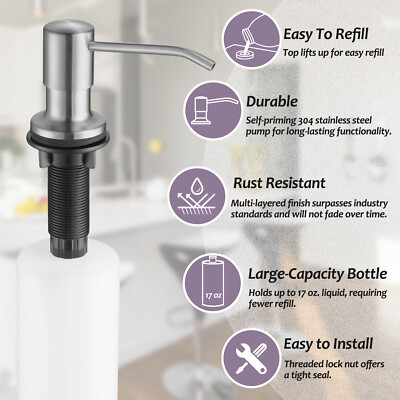
Credit: www.ebay.com
Frequently Asked Questions
How Do I Refill A Kitchen Sink Soap Dispenser?
Remove the dispenser pump, pour liquid soap into the reservoir, and reattach the pump securely. Avoid overfilling to prevent spills.
What Type Of Soap Works Best In Dispensers?
Use liquid dish soap or hand soap with a medium consistency. Avoid thick or gel soaps to prevent clogging.
How Often Should I Refill The Soap Dispenser?
Refill your soap dispenser when the soap level is low, usually every 2-4 weeks, depending on usage frequency.
Can I Use Homemade Soap In Kitchen Dispensers?
Yes, but ensure homemade soap is liquid and smooth. Avoid chunky or overly thick soaps to maintain pump function.
Conclusion
Refilling your kitchen sink soap dispenser is quick and easy. Just remove the top, pour in the soap, and screw it back on. No mess, no fuss. Keeping it filled saves time and keeps your sink tidy. A small task with big convenience.
Try it today and enjoy a cleaner kitchen space. Simple steps make your daily routine smoother. You’ve got this!