
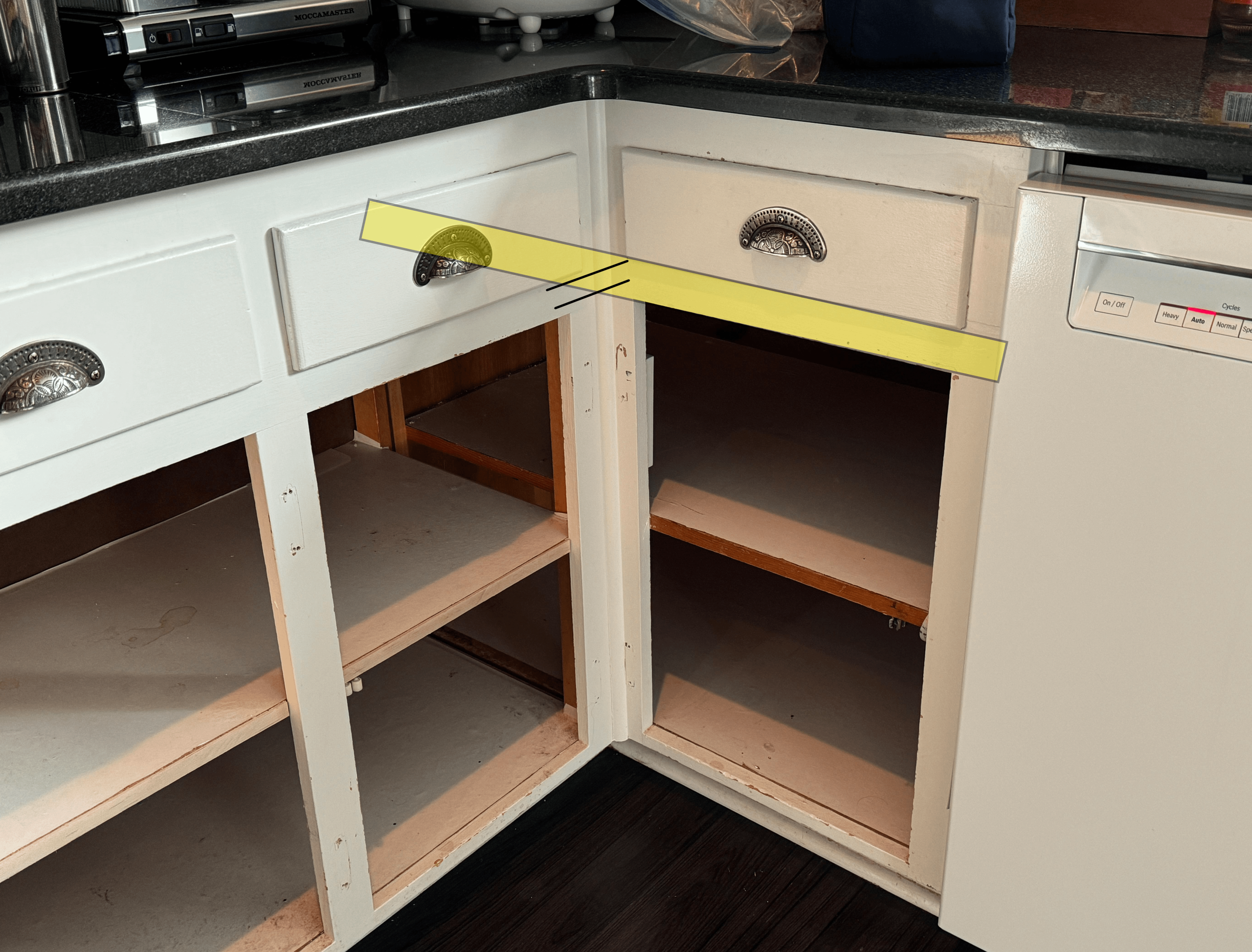
Are you ready to give your kitchen a fresh new look or fix a stubborn drawer? Removing kitchen cabinet drawer fronts might sound tricky, but it’s easier than you think.
With the right steps, you can do it yourself without damaging your cabinets. In this guide, you’ll learn simple, clear instructions to safely take off your drawer fronts. Keep reading, and you’ll discover how to handle this task quickly and confidently—no special tools or skills needed.
Your kitchen makeover starts here!
:strip_icc()/bhg-kitchen-drawer-slides_8pmLpaOPqRL84F5AQsbK3g-c0889a5c5ff04b5eafdc8bcd9018236c.jpg)
Credit: www.bhg.com
Tools Needed
Removing kitchen cabinet drawer fronts requires the right tools to make the job smoother and prevent damage. Having everything ready before you start saves frustration and time. Let’s look at the essential tools you’ll need and some extras that come in handy with stubborn or tricky drawers.
Basic Tools List
- Screwdriver:A Phillips-head screwdriver is often needed to remove screws holding the drawer front in place. Sometimes a flat-head screwdriver is useful for prying or adjusting.
- Drill with screwdriver bits:Speeds up removing screws, especially if they’re tight or numerous.
- Pliers:Handy for gripping and pulling out nails, clips, or stubborn screws.
- Putty knife or thin pry bar:Helps gently separate the drawer front from the box without damaging wood surfaces.
- Tape:Use painter’s tape to protect cabinet surfaces around the drawer front while you work.
Have you noticed how a simple screwdriver can sometimes be the difference between a clean removal and a scratched cabinet? I once tried removing a drawer front without the right screwdriver and ended up stripping screws, which added unnecessary hassle.
Optional Tools For Tough Drawers
- Heat gun or hair dryer:Soften old glue or paint holding the drawer front in place.
- Rubber mallet:Tap gently to loosen glued or tight drawer fronts without causing dents.
- Oscillating multi-tool:Useful for cutting through caulk or paint seams if the drawer front is glued or painted shut.
- Magnetic screw holder:Keeps small screws safe and prevents losing them during removal.
If you’ve ever faced a drawer front that just wouldn’t budge, these optional tools can be lifesavers. Asking yourself “Is this drawer glued or just screwed?” can help you decide whether to grab the heat gun or stick with the basics.
Preparing The Workspace
Preparing your workspace before removing kitchen cabinet drawer fronts is crucial for a smooth and damage-free process. Taking a few moments to organize and protect your area can save you time and stress later. Have you ever started a project only to realize halfway through that your workspace is cluttered or your counters are vulnerable to scratches? Avoid that frustration by setting up your space properly from the beginning.
Clear The Area
Start by removing any items around the cabinets. Clear countertops, adjacent shelves, and the floor space near your workspace. This prevents accidental damage and gives you plenty of room to move.
Consider relocating small appliances, utensils, or decorative items that could get in the way. You want to avoid knocking anything over while handling drawer fronts. A clean, open space helps you focus and work efficiently.
Protect Surrounding Surfaces
Next, protect nearby surfaces like countertops, walls, and floors. Use painter’s tape along cabinet edges to shield paint or finishes from scratches. Lay down a drop cloth or old towels on the floor to catch dust or debris.
If your counters are made of delicate materials like marble or wood, extra padding with foam or cardboard can prevent dents. Protecting your kitchen isn’t just about cleanliness—it also preserves your investment. Have you checked if your workspace is truly ready to handle tools and hardware safely?
Removing Drawer Contents
Empty the drawer completely before starting. Removing all items prevents damage and makes the process easier and safer.
Removing the contents of your kitchen drawers is an important first step. It prepares the drawers for safe and easy removal. This process ensures nothing gets damaged or misplaced. Let's explore how to empty your drawers effectively and organize the items for future use.
Emptying The Drawers
Start by opening the drawer fully. Take out items one by one. Place them on a clean surface. This prevents clutter and confusion. Use a box or bin to hold items temporarily. Make sure no small items get left behind. Check corners and crevices for hidden objects.
Organizing Items For Later
Once items are out, begin sorting them. Group similar items together. This makes reorganization easier later. Use labels for different categories. Keep everyday items in one group. Rarely used items can be placed separately. Consider using containers or bags for small items. This helps in maintaining order and prevents loss.

Credit: www.familyhandyman.com
Detaching Drawer Slides
Detaching drawer slides is a key step to remove kitchen cabinet drawer fronts. Slides hold the drawer in place and allow smooth opening and closing. Removing them carefully prevents damage to the cabinet and drawer. Understanding the type of slide helps in detaching it correctly. Use the right tools and handle screws gently to avoid stripping.
Identifying Slide Types
Drawer slides come in different styles. Knowing the type helps in the removal process.
- Side-mount slides:Attached to the sides of the drawer and cabinet.
- Under-mount slides:Fixed under the drawer, hidden from view.
- Center-mount slides:Placed under the drawer center, often a single rail.
Check for visible screws or clips. Look inside the cabinet and underneath the drawer. Each type may need a different removal approach.
Unscrewing Slides Carefully
Use a screwdriver that fits the screws perfectly. Loose or wrong tools can strip screws.
Remove screws slowly. Keep them in a safe place for reassembly.
- Support the drawer to prevent it from falling.
- Unscrew all attachments between the slide and drawer.
- Then unscrew the slide from the cabinet if needed.
Handle slides gently to avoid bending or breaking. Clean and inspect slides before reinstalling or replacing.
Removing The Drawer Front
Removing the drawer front from your kitchen cabinet can seem tricky at first. But once you understand how it’s attached, the process becomes much smoother. Whether the front is screwed, glued, or nailed on, knowing what to look for helps you avoid damage and saves time.
Locating Attachment Screws
Most drawer fronts are attached with screws hidden inside the drawer box. Open the drawer fully and look along the sides or bottom edge for small screws holding the front panel. Sometimes, you might need a flashlight to spot them clearly.
Gently remove any liners or shelf paper that might cover the screws. If you can’t find screws inside the drawer, check for any visible ones on the front itself, though this is less common. Removing these screws carefully will let you separate the drawer front without harm.
Handling Glued Or Nailed Fronts
Some drawer fronts are glued or nailed, especially in older cabinets. If you detect no screws, try gently prying with a putty knife or thin pry bar. Work slowly and evenly to avoid cracking the wood.
If the drawer front feels firmly attached, tapping around the edges lightly with a rubber mallet can help loosen the glue. Be patient—forcing it too hard might damage your drawer or cabinet frame. Have you ever underestimated how stubborn glued wood can be?
Credit: www.thekitchn.com
Dealing With Stubborn Drawer Fronts
Stubborn drawer fronts can turn a simple kitchen update into a frustrating challenge. You may find them stuck because of old glue, paint, or hidden fasteners. Tackling these issues carefully protects your cabinets and saves you time and money.
Using Heat Or Solvents
Applying gentle heat can soften old glue and make the drawer front easier to remove. Use a hairdryer or heat gun on a low setting and move it evenly across the surface for a few minutes. Be careful not to overheat and damage the wood or finish.
Solvents like adhesive removers or rubbing alcohol can help break down stubborn glue. Dab a small amount around the edges with a cloth and let it sit for a few minutes. Always test solvents on an inconspicuous spot first to avoid discoloration.
Prying Techniques Without Damage
Using the right tools is key to prying drawer fronts without causing harm. A thin putty knife or painter’s tool works well to gently separate the front from the cabinet.
- Slide the tool slowly between the drawer front and the cabinet frame.
- Apply steady, gentle pressure rather than forcing it quickly.
- Work your way around the edges to loosen the front evenly.
If you feel resistance, stop and try heating or solvent again. Have you noticed how patience and the right tools make all the difference? Your careful approach will prevent cracks and keep your cabinets looking great.
Cleaning And Preparing For Reinstallation
Cleaning and preparing kitchen cabinet drawer fronts before reinstallation is essential. This step ensures a smooth fit and a fresh look. Removing old residues and checking drawer boxes prevents future problems. Proper preparation saves time and effort later.
Removing Old Adhesive
Old adhesive can make drawer fronts uneven. Use a plastic scraper to gently lift off glue. Avoid metal tools to prevent damage. Clean the surface with warm, soapy water to remove residue. Dry the area completely with a soft cloth. If sticky spots remain, try rubbing alcohol on a cloth to clean them.
Inspecting And Repairing Drawer Boxes
Check drawer boxes for cracks, loose joints, or warping. Tighten screws or nails to secure loose parts. Use wood glue for small cracks and clamp until dry. Sand rough or damaged areas to smooth the surface. Look inside the box for dirt and clean it thoroughly. This step helps the drawer work well after reinstallation.
Safety Tips
Removing kitchen cabinet drawer fronts can be straightforward, but safety should always come first. Ignoring precautions can lead to injuries that slow down your progress or even cause lasting damage. Let’s focus on essential safety tips to keep your hands and eyes protected throughout the process.
Wearing Protective Gear
Always wear safety glasses to shield your eyes from flying dust or accidental splinters. Gloves are a smart choice to protect your hands from sharp edges or unexpected slips with tools. Consider knee pads if you’ll be crouching for a long time—it helps reduce strain and keeps you comfortable.
Think about the tools you’ll use. Power tools especially require sturdy gloves and eye protection. Have you ever underestimated how small wood chips can hurt your eyes? That quick blink can save you from serious injury.
Avoiding Common Injuries
Keep your workspace clean and free of clutter to avoid tripping hazards. Loose screws or bits of wood on the floor can cause slips or falls that derail your project. Make sure your tools are in good condition and fit comfortably in your hand to prevent accidents.
Be cautious when removing screws or nails to avoid finger pinches or cuts. If a drawer front feels stuck, don’t force it—check for hidden screws or fasteners instead. How often do we rush and end up hurting ourselves because we didn’t take a moment to assess the situation?
Frequently Asked Questions
How Do I Safely Remove Kitchen Cabinet Drawer Fronts?
Start by emptying the drawer and opening it fully. Locate and unscrew the mounting screws inside the drawer box. Gently pull the drawer front away, avoiding damage. If glued, use a putty knife carefully to separate the front from the drawer box.
What Tools Are Needed To Remove Drawer Fronts?
You typically need a screwdriver, putty knife, and possibly a drill. A pry bar may help if the fronts are glued. Having a flashlight and gloves is also useful for safety and visibility during removal.
Can I Reuse Kitchen Cabinet Drawer Fronts After Removal?
Yes, if removed carefully without damage, drawer fronts can be reused. Avoid prying too hard or breaking screws. Clean the surfaces well before reinstalling or refinishing to ensure they fit and look good.
How Long Does It Take To Remove Drawer Fronts?
Removing a drawer front usually takes 5 to 15 minutes per drawer. Time depends on the fastening method and your experience. Careful removal saves time by preventing damage and extra repairs.
Conclusion
Removing kitchen cabinet drawer fronts can be simple and quick. Start with the right tools and take your time. Unscrew carefully to avoid damage. Keep all screws and parts safe for reassembly. Clean the drawer fronts after removal for best results.
This task helps with repairs or updates. You can refresh your kitchen look with ease. Practice makes the process easier and faster. Enjoy your updated kitchen space once done.