
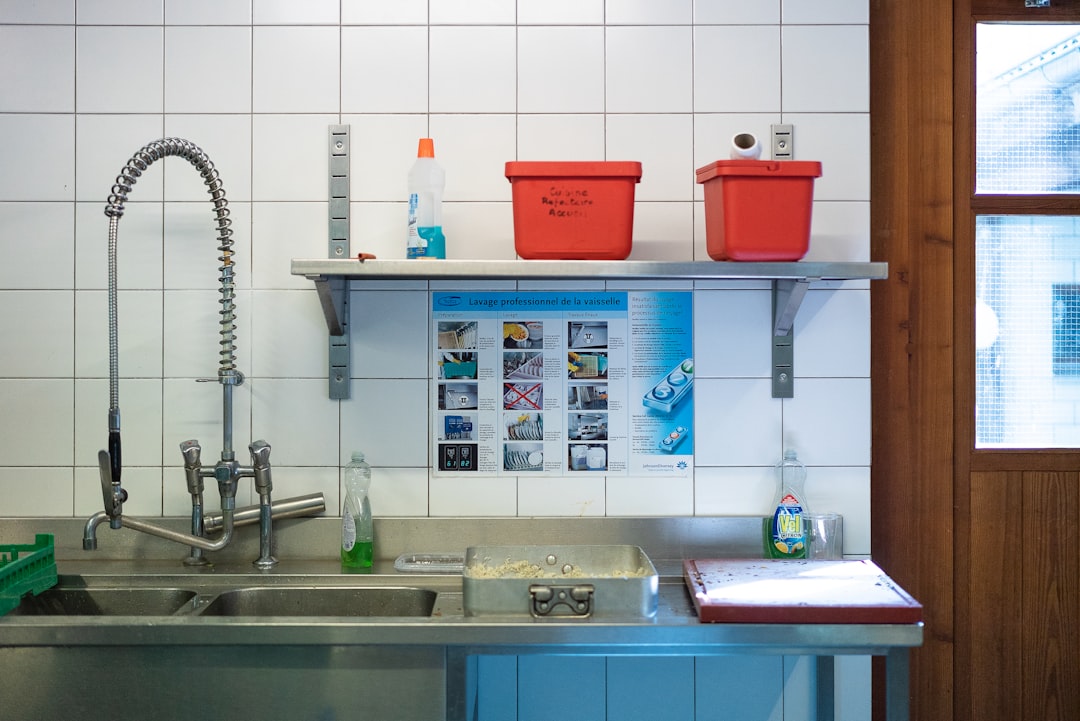
Your kitchen is the heart of your home, but it can also be a hotspot for germs and bacteria. If you want to keep your family safe and enjoy cooking without worry, knowing how to properly sanitize your kitchen is a must.
Imagine turning every meal prep into a clean, healthy experience—free from harmful germs that can cause illness. You’ll discover simple, effective steps to sanitize your kitchen quickly and thoroughly. Ready to protect your loved ones and create a spotless cooking space?
Let’s dive in and make your kitchen a cleaner, safer place today.

Credit: www.aol.com
Importance Of Kitchen Sanitization
Keeping your kitchen sanitized is not just about cleanliness—it’s about protecting your health every day. Bacteria and germs can hide in places you might overlook, turning your kitchen into a hotspot for illness. Have you ever noticed how a quick wipe doesn’t always make your counters feel truly clean? That’s because sanitizing goes beyond surface dirt.
Sanitization removes harmful microbes that regular cleaning might miss. It’s especially important in areas where you prepare food, as even small traces of bacteria can cause foodborne illnesses. Think about the last time you got a stomach bug—could it have been avoided by better kitchen hygiene?
When you sanitize your kitchen, you reduce the risk of cross-contamination between raw and cooked foods. This step is crucial if you often cook for family or guests, ensuring everyone stays safe. You might already clean your kitchen, but how often do you sanitize your cutting boards, handles, or sink?
Protecting Your Family’s Health
Sanitizing your kitchen helps stop the spread of bacteria like Salmonella and E. coli, which are common causes of food poisoning. Children, elderly people, and those with weak immune systems are especially vulnerable. When you think about your loved ones, doesn’t it make sense to take extra care?
Extending The Life Of Kitchen Surfaces And Tools
Sanitizing isn’t just about germs—it also helps maintain your kitchen’s surfaces and tools. Food residue and bacteria can cause stains, odors, and faster wear on cutting boards and countertops. Regular sanitization keeps your kitchen looking fresh and lasting longer, saving you money in the long run.
Creating A More Enjoyable Cooking Environment
A sanitized kitchen feels cleaner and more inviting. You’ll find cooking less stressful when you don’t worry about hidden germs. Have you noticed how much more enjoyable meal prep is when your kitchen smells fresh and looks spotless?
- Reduces risk of foodborne illnesses
- Prevents cross-contamination
- Maintains kitchen tools and surfaces
- Improves overall kitchen hygiene
- Creates a pleasant cooking atmosphere

Credit: www.bestonlinecabinets.com
Common Kitchen Germs And Their Risks
Your kitchen is a hotspot for germs that can cause foodborne illnesses and infections. These tiny invaders often hide on surfaces and utensils you use daily without a second thought. Understanding which germs lurk in your kitchen and the risks they pose helps you sanitize more effectively and protect your health.
Salmonella
Salmonella bacteria commonly contaminate raw meat, eggs, and poultry. If not handled properly, they can cause severe stomach cramps, diarrhea, and fever. Have you ever left raw chicken juices on your cutting board? That’s a prime way for salmonella to spread.
Escherichia Coli (e. Coli)
E. coli is often found in undercooked beef and contaminated vegetables. Some strains can cause intense food poisoning and kidney problems. Cross-contamination from raw meat to fresh produce is a common risk you might overlook.
Staphylococcus Aureus
This germ thrives on human skin and can easily transfer to food through touching. It produces toxins that cause vomiting and stomach cramps. Ever noticed how quickly a sandwich left out on the counter can make you sick? That’s often staph bacteria at work.
Norovirus
Known as the stomach flu virus, norovirus spreads rapidly through contaminated food or surfaces. It causes vomiting, diarrhea, and dehydration. Think about how often you touch your phone, then prep food—this simple act can spread the virus.
Clostridium Perfringens
This bacterium grows in cooked food left out too long at unsafe temperatures. It leads to abdominal pain and diarrhea. Have you ever reheated a large batch of food that sat out during a party? That’s a potential breeding ground for this germ.
How These Germs Spread
- Improper handwashing after handling raw foods
- Using the same cutting board for raw and cooked items
- Not cleaning kitchen sponges and cloths regularly
- Leaving perishable food out at room temperature too long
Are you confident your kitchen habits block these risks? Identifying where these germs hide is the first step toward safer food preparation and a healthier home.
Essential Cleaning Supplies
Keeping a kitchen clean is vital for health. Essential cleaning supplies make this task easier and more effective. Having the right products ensures surfaces are free of germs and bacteria. A well-stocked kitchen cleaning kit helps maintain hygiene daily.
Disinfectants And Sanitizers
Disinfectants kill most germs and bacteria on surfaces. Choose EPA-approved disinfectants for kitchen use. Common options include bleach solutions and alcohol-based sprays. Sanitizers reduce bacteria but may not kill all germs. Use sanitizers on food-contact surfaces for safety. Always follow product instructions for proper use.
Cleaning Tools And Equipment
Effective cleaning needs the right tools. Microfiber cloths trap dirt and germs better than regular cloths. Scrub brushes help remove tough stains and grime. Sponges with antibacterial properties reduce the risk of spreading germs. Mop and bucket are necessary for floor cleaning. Gloves protect your hands from harsh chemicals. Store tools clean and dry to avoid bacteria growth.
Preparing The Kitchen For Cleaning
Preparing your kitchen for cleaning sets the stage for effective sanitization. It’s about making the space manageable and safe to work in. Taking a few moments to organize and handle food properly can make your cleaning process faster and more thorough.
Clearing Surfaces
Start by removing everything from your countertops and tables. Put away any dishes, utensils, and small appliances that don’t belong on the surface.
This step isn’t just about tidiness—it helps you see all the areas you need to sanitize. You might find crumbs or spills that often get overlooked when clutter is in the way.
Think about how much easier it is to clean a clear workspace. Clearing surfaces also prevents cross-contamination during cleaning, which keeps your kitchen healthier.
Handling Food Safely
Before you clean, make sure all perishable food is stored properly. Refrigerate leftovers and raw ingredients to avoid spoilage or bacterial growth.
Check expiration dates and discard anything questionable. Handling food safely before cleaning protects you from foodborne illnesses.
Ask yourself: Are you keeping raw meat separate from ready-to-eat foods? This simple habit reduces the risk of contamination while you clean.
Step-by-step Sanitizing Process
Sanitizing your kitchen isn’t just about making it look clean—it’s about protecting your health and preventing foodborne illnesses. Tackling this task step-by-step helps you stay organized and ensures no spot is missed. Let’s break down the process into manageable parts that you can easily follow to keep your kitchen safe and fresh.
Cleaning Countertops And Surfaces
Start by clearing off all items from your countertops. Use warm, soapy water and a clean cloth to wipe down every surface thoroughly. Pay close attention to areas where food prep happens—crumbs and spills can harbor bacteria.
After cleaning, apply a kitchen-safe sanitizer. You can use a mixture of water and white vinegar or a commercial food-safe disinfectant. Let it sit for a few minutes before wiping it dry to ensure germs are eliminated.
Sanitizing Sinks And Faucets
Your sink is a hotspot for bacteria, especially around the drain and faucet handles. Scrub the sink basin with a disinfectant cleaner or a paste made from baking soda and water. Don’t forget to clean the faucet handles and sprayer—these often overlooked spots can spread germs.
Rinse everything with hot water, then spray a sanitizing solution and let it air dry. Have you noticed any buildup around your faucet? Regular cleaning here can prevent mold and mildew before they start.
Disinfecting Appliances
Appliances like your refrigerator, microwave, and dishwasher need regular attention too. Wipe down the exterior surfaces and handles with a disinfectant wipe or solution. Inside the microwave, heat a bowl of water with lemon juice for a few minutes—this loosens grime and makes it easier to clean.
For the refrigerator, discard expired food and clean shelves with warm soapy water. You might be surprised how much bacteria hide on those door seals. Use a toothbrush dipped in soapy water to scrub them clean.
Cleaning Cutting Boards And Utensils
Cutting boards and utensils are in direct contact with your food, so sanitizing them is crucial. After washing with hot, soapy water, soak wooden cutting boards in a mixture of vinegar and water or sprinkle them with coarse salt and rub with lemon to remove stains and odors.
For plastic boards, a quick soak in diluted bleach solution can kill bacteria effectively. Don’t forget to sanitize knives and other utensils by placing them in the dishwasher or washing them thoroughly by hand with hot water and soap.
Special Care For High-touch Areas
Special care for high-touch areas is crucial in maintaining a clean kitchen. These spots collect germs quickly due to frequent contact. Regular cleaning is not enough for these surfaces. You need targeted sanitization practices to ensure hygiene.
Cabinet Handles And Knobs
Cabinet handles and knobs are touched often during cooking. They can harbor germs easily. Use a disinfectant spray on these surfaces. Let it sit for a few minutes. Wipe with a clean cloth. Ensure all handles and knobs are sanitized thoroughly. Repeat the process daily for best results.
Light Switches And Faucets
Light switches and faucets are high-touch areas too. Germs can easily spread on these surfaces. Dampen a cloth with disinfectant solution. Wipe down light switches and faucet handles. Make sure to cover all angles. Allow them to air dry for complete sanitation. Regular cleaning prevents germ buildup.
Maintaining A Germ-free Kitchen Daily
Keeping the kitchen germ-free every day protects your health. Germs spread fast on surfaces and in food. Regular habits reduce bacteria and viruses. A clean kitchen feels safe and fresh. Focus on daily actions that prevent contamination and keep your space spotless.
Routine Cleaning Habits
Clean kitchen surfaces every day. Use warm water and soap for counters, sinks, and tables. Wipe down handles, switches, and appliances often. Use a disinfectant spray to kill germs on cutting boards and countertops. Replace sponges and cloths frequently to avoid bacteria buildup. Wash dishcloths in hot water after each use. Sweep or vacuum floors daily to remove crumbs and dirt. Clean trash bins regularly to stop odors and germs.
Proper Food Storage
Store food in sealed containers to prevent contamination. Keep raw meat separate from ready-to-eat items. Use the refrigerator at the right temperature below 40°F (4°C). Check expiry dates and throw away old or spoiled food. Label leftovers with dates to track freshness. Avoid overcrowding the fridge to allow air circulation. Freeze perishable items if you won’t use them soon. Clean the fridge regularly to remove spills and bacteria.
Natural Alternatives For Sanitizing
Choosing natural alternatives for sanitizing your kitchen can make a big difference in maintaining a healthy home environment. These options are not only effective but also safer for your family and the environment. Have you ever thought about what’s really in your cleaning products? Switching to natural ingredients can give you peace of mind without sacrificing cleanliness.
Vinegar And Baking Soda
Vinegar and baking soda are two powerful natural cleaners that work great together. Vinegar's acidity helps kill many types of bacteria and dissolve grease. Baking soda acts as a gentle abrasive that lifts dirt and neutralizes odors.
Try this simple mix: spray vinegar on your countertops, let it sit for a few minutes, then sprinkle baking soda and scrub gently. You’ll notice how it removes grime without harsh chemicals. Plus, it’s inexpensive and easy to find.
Remember, avoid using vinegar on natural stone surfaces like granite, as it can cause damage. Instead, stick to baking soda or choose another method for those areas.
Essential Oils
Essential oils add more than a pleasant scent to your cleaning routine. Oils like tea tree, lavender, and lemon have natural antibacterial and antiviral properties. Adding a few drops to your cleaning solutions can boost their sanitizing power.
You can create a natural spray by mixing water, a bit of vinegar or alcohol, and essential oils. This solution works well on cutting boards, sinks, and even refrigerator shelves. Do you enjoy customizing scents? This method lets you tailor your kitchen’s aroma while keeping it clean.
Be cautious with essential oils if you have pets or allergies. Always test a small area first and research which oils are safe for your household.
Avoiding Common Sanitization Mistakes
Cleaning kitchen surfaces with dirty cloths spreads germs instead of removing them. Using the right sanitizer and letting it sit ensures effective germ killing. Avoid mixing cleaning products, as this can reduce their power and cause harmful fumes.
Sanitizing your kitchen is crucial, not just for maintaining a clean environment but also for preventing foodborne illnesses. However, many people make common mistakes that can render their efforts ineffective. By understanding these mistakes, you can ensure that your kitchen remains a safe place for your family.
Avoiding Cross-contamination
Cross-contamination is a common mistake in kitchen sanitization. Always use separate cutting boards for raw meat and vegetables. If possible, color-code your cutting boards to make it easy to remember which is for what.
Using The Wrong Cleaning Products
Not all cleaning products are suitable for kitchen surfaces. Some can leave harmful residues that might contaminate your food. Opt for products that are specifically labeled for kitchen use and ensure they're safe for food contact surfaces.
Neglecting Hard-to-reach Areas
It's easy to overlook areas like the undersides of shelves or the back of the refrigerator. These spots can harbor bacteria and should not be neglected. Regularly move appliances and clean behind them to prevent buildup.
Improper Cleaning Of Kitchen Sponges
Your kitchen sponge can be a breeding ground for bacteria if not cleaned properly. Ensure you're sanitizing your sponge by microwaving it for a minute or soaking it in a bleach solution. Replace it frequently to maintain hygiene.
Ignoring The Importance Of Air Circulation
A poorly ventilated kitchen can lead to mold growth and odors. Ensure your kitchen is well-ventilated by using exhaust fans and opening windows. Good air circulation can significantly improve your kitchen's hygiene.
Overlooking Personal Hygiene
Your hygiene is as important as the cleanliness of your kitchen surfaces. Wash your hands thoroughly before and after handling food. Keeping your hands clean can prevent the spread of germs to your kitchen surfaces. Are you making any of these mistakes in your kitchen? Taking a moment to rethink your cleaning routine can make all the difference.

Credit: www.woodreface.com
Frequently Asked Questions
How Often Should I Sanitize My Kitchen?
Sanitize your kitchen at least once a day. Focus on high-touch areas like countertops, sinks, and handles. Regular sanitizing reduces bacteria and prevents foodborne illnesses. Clean spills immediately to avoid contamination. Weekly deep cleaning is also recommended for appliances and floors.
What Are The Best Kitchen Sanitizing Products?
Use EPA-approved disinfectants or a bleach solution for effective sanitizing. Vinegar and baking soda work for natural cleaning but aren’t strong disinfectants. Always follow product instructions for safety. Avoid mixing chemicals to prevent harmful reactions. Choose products safe for kitchen surfaces.
Can I Use Bleach To Sanitize Kitchen Surfaces?
Yes, diluted bleach is effective for sanitizing. Mix 1 tablespoon bleach with 1 gallon of water. Apply to surfaces, let sit for 1 minute, then air dry. Avoid using bleach on food contact surfaces without rinsing afterward. Always wear gloves for protection.
How Do I Sanitize Kitchen Sponges And Cloths?
Soak sponges and cloths in a bleach solution or microwave damp sponges for 1-2 minutes. Replace them regularly to avoid bacteria buildup. Wash cloths in hot water frequently. Keeping these clean prevents cross-contamination in the kitchen.
Conclusion
Sanitizing the kitchen keeps your food safe and your family healthy. Clean surfaces often and use the right cleaning products. Pay close attention to cutting boards, countertops, and sinks. Regularly wash your hands while cooking. Avoid cross-contamination by separating raw and cooked foods.
Small habits make a big difference in kitchen hygiene. Stay consistent to prevent germs and bacteria buildup. A clean kitchen is a happy kitchen. Keep these tips handy to maintain a safe cooking space every day.