
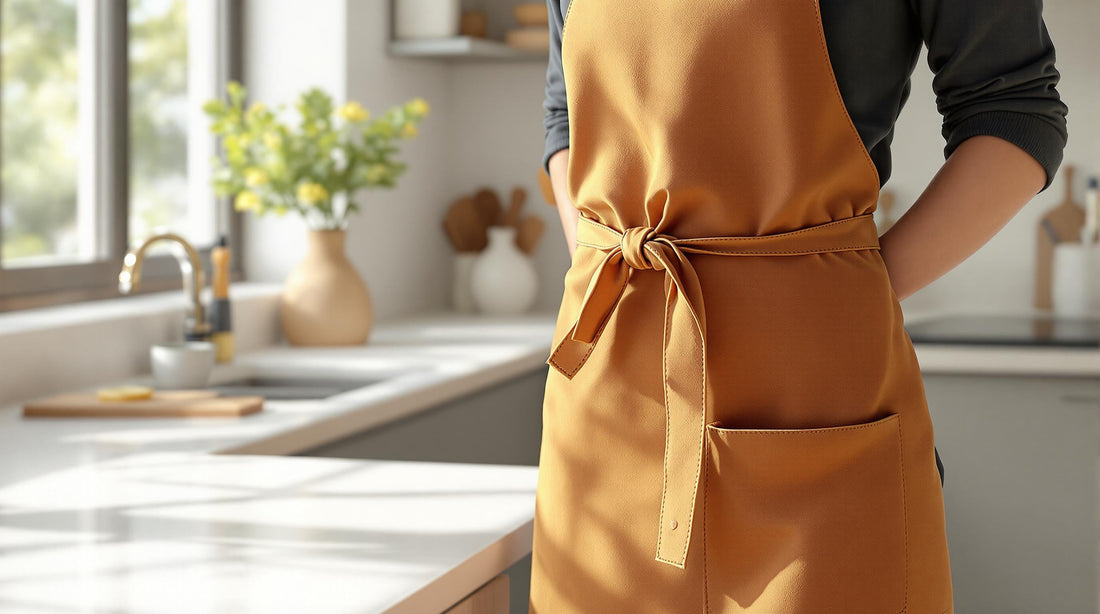
Have you ever struggled with tying your kitchen apron just right? A well-tied apron not only keeps your clothes clean but also makes you feel more confident and ready to cook.
You’ll learn simple, step-by-step tips to tie your kitchen apron quickly and securely. By the end, you’ll know exactly how to get that perfect fit every time, making your cooking experience more comfortable and enjoyable. Keep reading to discover the easy tricks that will change the way you wear your apron forever.
Choosing The Right Apron
Choosing the right apron is more than just picking a pretty design. The right apron protects your clothes, fits comfortably, and suits your cooking style. Think about how often you cook and what tasks you do in the kitchen before making your choice.
Types Of Kitchen Aprons
There are several types of aprons to consider based on your needs:
- Full Aprons:Cover your chest down to your knees, offering maximum protection. Ideal if you do heavy cooking or baking.
- Bib Aprons:Similar to full aprons but often shorter in length. Great for everyday cooking and light tasks.
- Waist Aprons:Tie around the waist, protecting only the lower body. Useful if you want freedom of movement and less coverage.
- Smock Aprons:Cover the front and back with sleeves, perfect for messy jobs like grilling or crafting in the kitchen.
Material Matters
Material affects how durable and comfortable your apron feels. Cotton aprons are soft and breathable but may stain easily. Polyester blends resist stains and dry quickly, making them practical for busy kitchens.
If you often handle hot pots or splatters, consider aprons with a thicker fabric or a waterproof coating. Have you noticed how some aprons lose shape after washing? Choosing a sturdy fabric can save you from that frustration.
Sizing Tips
An apron that fits well makes your kitchen work easier. Adjustable neck straps allow you to customize the height, so the apron doesn’t sit too low or high. Waist ties should be long enough to wrap around comfortably and tie in front or back.
Try on aprons if you can. If not, check size charts carefully and consider your height and torso length. Remember, a well-fitted apron won’t restrict your movement or feel bulky while you cook.
Preparing Your Apron
Preparing your apron is the first step before tying it properly. This process makes sure the apron fits well and stays secure while you cook. Taking a moment to prepare the apron avoids discomfort later. It also helps protect your clothes better.
Identifying The Front And Back
Most aprons have a clear front and back side. The front usually has a pocket or a logo. The back is plain or has tags. Hold the apron up and look for these features. Make sure the front faces outward to protect your clothes.
Adjusting The Neck Strap
The neck strap controls how high the apron sits on your chest. Find the strap and adjust its length. It should feel comfortable but not too loose. You want the apron to cover your torso without dragging.
Locating The Waist Ties
Waist ties help secure the apron around your body. Look for two long straps at the sides or back. Pull them around your waist and get ready to tie. These ties keep the apron snug and prevent it from slipping.
Step-by-step Tying Guide
Tying your kitchen apron properly might seem simple, but doing it right can make a big difference in comfort and functionality. This guide breaks down the process into clear, manageable parts. Each step helps you secure your apron so it stays in place while you focus on cooking or cleaning.
Putting On The Apron
Start by slipping the apron over your head, letting the top part rest against your chest. Adjust the neck loop so it feels comfortable—not too tight or loose. A well-positioned apron covers the front of your clothes without restricting your movement.
Positioning The Waist Ties
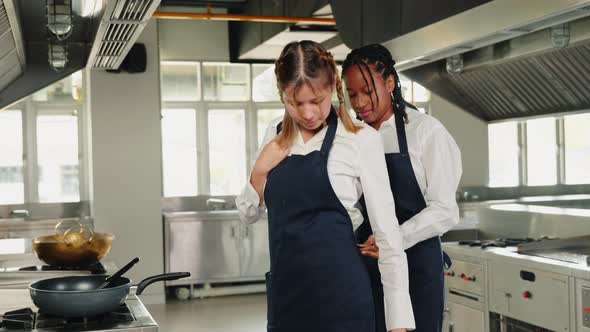
Grab the two long waist ties hanging on either side. Bring them around your back and cross them at your lower back. This step is key to balancing the apron evenly on your body.
Tying The Knot
Once the ties meet at your front or side, pull them snug but not tight. Make a simple knot by crossing one tie over the other, then looping it under and through. This basic knot keeps your apron from slipping down as you move around the kitchen.
Double Knot For Security
To avoid your apron coming undone, tie a second knot on top of the first. This extra step ensures your apron stays secure, even during busy cooking sessions. Have you ever had your apron untie itself at the worst moment? Double knots can save you from that hassle.
Credit: videohive.net
Tips For A Comfortable Fit
Wearing a kitchen apron correctly enhances comfort and functionality. A well-fitted apron allows for ease of movement and prevents spills from reaching your clothes. Follow these simple tips to ensure your apron fits comfortably and stays in place.
Adjusting For Different Body Types
Choose an apron with adjustable straps. This suits various body shapes and sizes. Ensure the neck strap isn't too tight or too loose. It should rest comfortably on your neck. The waist ties should be snug but not restrictive. You should be able to move freely.
Keeping The Apron In Place
Tie the apron securely around your waist. Double knots can prevent loosening. If your apron has a bib, adjust it to cover your chest. This ensures better protection while cooking. For long aprons, consider tying them at the back and front. This keeps them from shifting during use.
Avoiding Common Mistakes
Avoid tying the apron too high or too low. It should sit at your natural waistline. Ensure the neck strap doesn't dig into your neck. This can cause discomfort over time. Avoid tying the apron too tightly. It should allow for easy movement and breathing.
Caring For Your Apron
Caring for your kitchen apron helps it last longer and stay fresh. Proper care keeps the fabric clean and strong. This section covers easy steps to wash, store, and maintain your apron’s quality.
Washing Instructions
Check the apron’s label for specific washing advice. Most aprons wash well in cold or warm water. Use mild detergent to avoid fabric damage. Avoid bleach, as it can weaken fibers and fade colors.
For tough stains, soak the apron in water with a little detergent before washing. Wash aprons separately or with similar colors to prevent color transfer. Dry aprons naturally or use a low heat setting in the dryer.
Storage Suggestions
Store your apron in a dry, cool place to prevent mold and odors. Hang it on a hook or hanger to avoid wrinkles and creases. Folding is okay if space is limited, but keep it neat to protect the fabric.
Do not leave your apron crumpled or damp for long. This can cause bad smells and fabric wear. Regularly air out the apron to keep it fresh between uses.
Maintaining Fabric Quality
Avoid harsh chemicals or rough scrubbing that can weaken fabric. Use gentle stain removers designed for the apron’s material. Iron aprons on a low setting if needed, but check the fabric type first.
Fix small tears or loose threads quickly to prevent bigger damage. Take care of buttons, straps, and ties to keep them strong. A well-maintained apron stays comfortable and looks great every time.
Credit: www.temu.com

Credit: www.cosmicaprons.com
Frequently Asked Questions
How Do You Tie A Kitchen Apron Properly?
To tie a kitchen apron properly, wrap the straps around your waist. Cross them at the back and bring them to the front. Tie a secure knot or bow to keep the apron in place. Adjust for comfort and coverage.
What Is The Best Way To Secure Apron Straps?
The best way to secure apron straps is by tying a double knot or bow. This ensures the apron stays firmly in place. Make sure the straps are snug but not too tight for comfort during kitchen tasks.
Can I Tie An Apron Without A Back Strap?
Yes, you can tie an apron without a back strap by using the neck loop and waist ties. Wrap the waist ties around and tie them at the front or side. This method still offers good coverage and security.
Why Is Tying An Apron Important In The Kitchen?
Tying an apron properly protects your clothes from spills and stains. It also helps maintain hygiene by keeping the apron secure. A well-tied apron allows free movement without distractions while cooking or cleaning.
Conclusion
Tying a kitchen apron is simple and useful. It keeps your clothes clean while cooking. Practice a few times to get it right. Choose a style that fits you best. A well-tied apron feels comfortable and stays secure. Now, you can cook without worry or mess.
Enjoy your time in the kitchen with confidence.