
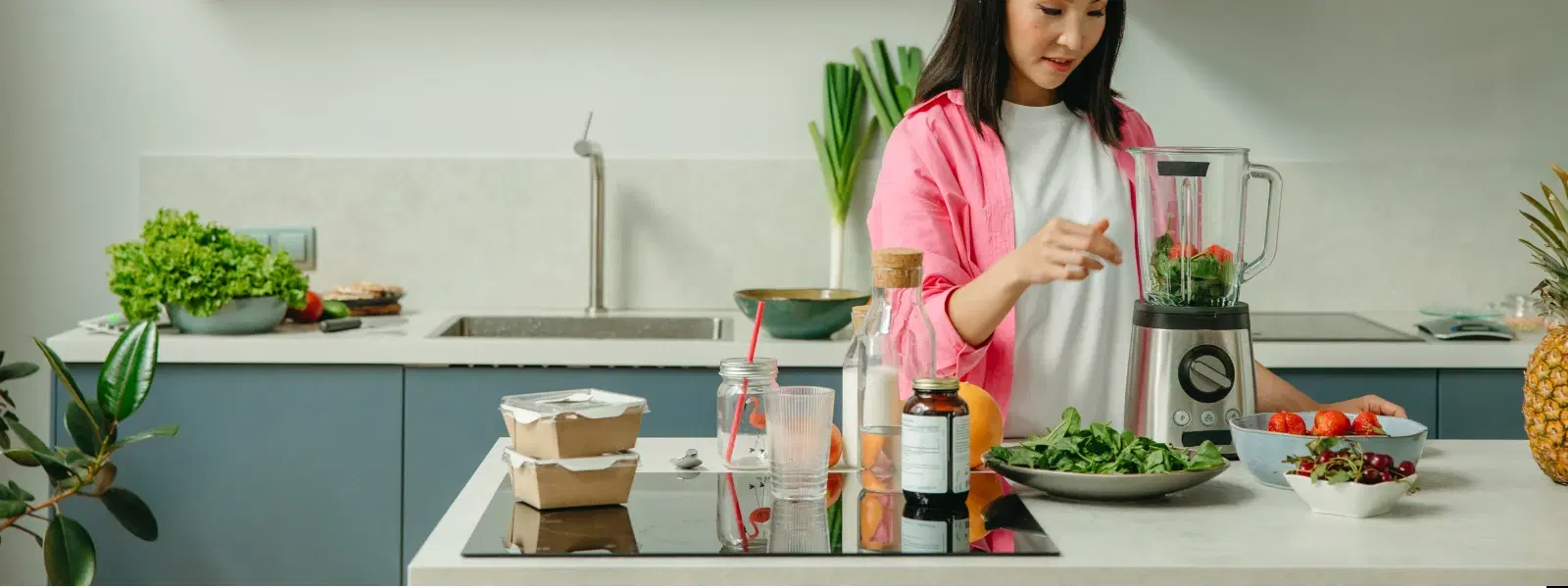
Are you ready to make your kitchen tasks faster and more enjoyable? Learning how to use a blender in your kitchen can transform the way you prepare meals and drinks.
Whether you want to whip up smoothies, soups, or sauces, mastering your blender will save you time and effort. In this guide, you’ll discover simple steps and insider tips that anyone can follow. By the end, you’ll feel confident using your blender to create delicious, healthy dishes every day.
Keep reading, and unlock the full potential of your kitchen blender!

Credit: www.yahoo.com
Choosing The Right Blender
Choosing the right blender can change how you prepare meals in your kitchen. It’s not just about picking the most powerful or the most expensive model. It’s about finding the blender that fits your cooking style, space, and budget perfectly.
Types Of Blenders
There are several blender types to consider, each designed for different kitchen tasks. Countertop blenders are versatile and ideal for making smoothies, soups, and sauces. Personal or single-serve blenders are compact and great for quick, single portions.
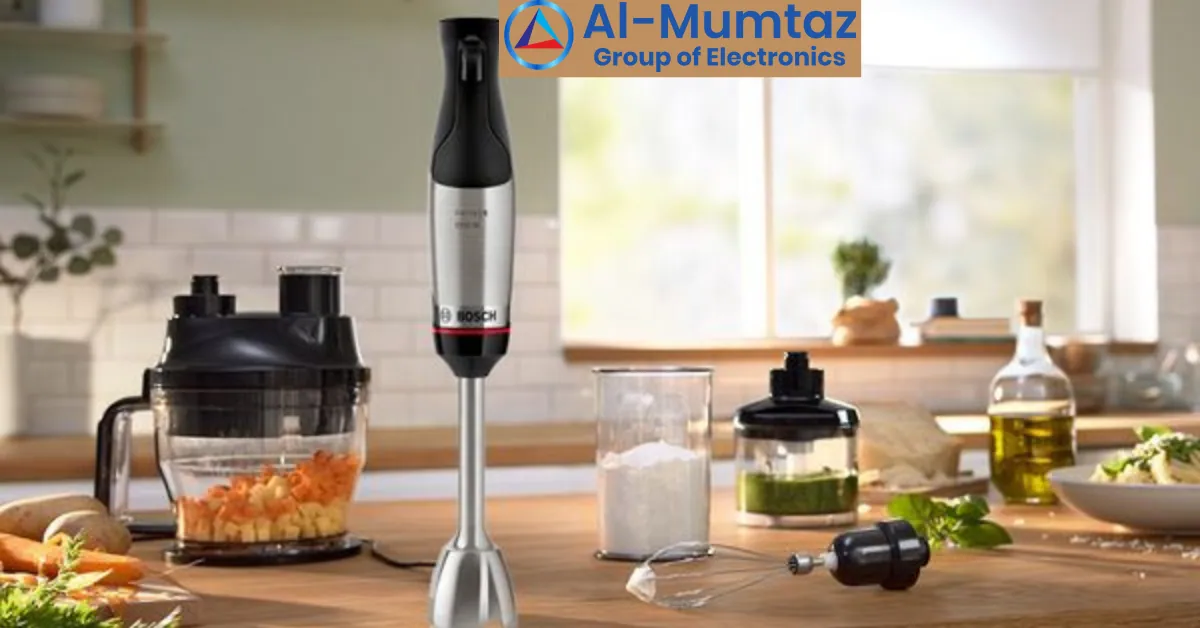
Immersion blenders offer hands-on control and work well for blending directly in pots or bowls. High-performance blenders handle tougher ingredients like nuts and ice with ease, making them perfect if you want to create nut butters or frozen desserts.
Key Features To Consider
Look for blenders with variable speed settings so you can control the texture of your blends. A strong motor is crucial if you plan to crush ice or blend hard vegetables frequently. Consider the size and shape of the jar—wide mouths make it easier to add ingredients and clean afterward.
Also, check if the blades are removable for easy cleaning. Noise level can be a factor if you live in an apartment or have sensitive ears. Safety features like secure lids and automatic shut-off add peace of mind during use.
Budget Vs Quality
Deciding between budget and quality can be tough. Cheaper blenders might save money upfront but often lack durability and power. Investing a bit more usually means better performance and longer lifespan.
Think about how often you’ll use your blender and for what purposes. If blending is part of your daily routine, spending on a reliable model pays off. However, if you blend occasionally, a basic model could meet your needs without breaking the bank.
Setting Up Your Blender
Setting up your blender correctly ensures smooth operation and safety. Taking time to assemble and prepare it properly makes your kitchen tasks easier. Follow simple steps to get your blender ready for use.
Assembling The Parts
Start by placing the blender base on a flat surface. Attach the jar securely onto the base. Ensure the blade assembly fits tightly at the bottom of the jar. Lock the lid firmly on top of the jar to avoid spills. Double-check all parts for a snug fit before use.
Safety Precautions
Always unplug the blender before assembling or cleaning. Keep hands and utensils away from blades while operating. Do not fill the jar beyond the maximum fill line. Use the lid to prevent splashes during blending. Handle blades carefully—they are sharp and can cause injury.
Cleaning Before Use
Wash all removable parts with warm soapy water. Rinse thoroughly to remove soap residue. Dry all parts completely before assembly. Wipe the blender base with a damp cloth only. Clean parts ensure better taste and hygiene in your food.
Selecting Ingredients
Choose fresh, soft ingredients for easy blending and better texture. Cut items into small pieces to avoid overloading the blender.
Selecting the right ingredients is crucial for a delicious blend. Your choices affect flavor, texture, and nutrition. Understanding how to select and prepare ingredients can elevate your blending skills.
Fresh Vs Frozen
Fresh ingredients often provide superior taste and nutrients. They can enhance the flavor of your dish. But frozen options are convenient and available year-round. They retain nutrients well if frozen quickly. Choose fresh when in season for a burst of natural flavor. Use frozen for consistency and ease.
Cutting And Preparing
Proper preparation is key to smooth blending. Cut ingredients into smaller pieces. This helps them blend evenly. Remove seeds, cores, and tough skins. It makes a difference in texture. Uniform sizes ensure a consistent blend. This step saves time and improves results.
Balancing Liquids And Solids
Finding the right balance is important. Too many solids make blending hard. Too much liquid leads to watery results. Start with a little liquid. Gradually add more if needed. This approach helps achieve desired thickness. Balance is essential for a perfect blend.
Blending Techniques
Blending techniques shape the texture and taste of your recipes. Using the right method helps achieve smooth, chunky, or perfectly mixed results. Understanding these techniques improves your kitchen blender skills and enhances meal preparation.
Pulse Vs Continuous Blending
Pulse blending uses short bursts of power. It controls the texture better and prevents over-blending. Continuous blending runs without stopping. It works well for smooth soups and purees.
- Use pulse for chunky salsas or coarse mixtures.
- Use continuous for creamy smoothies or sauces.
- Pulse helps avoid overheating the motor.
Adjusting Speed Settings
Most blenders offer multiple speed options. Lower speeds chop and mix gently. Higher speeds crush ice and tough ingredients quickly.
- Start slow to combine ingredients evenly.
- Increase speed for smooth textures.
- Use medium speed to blend soups or batters.
Layering Ingredients Properly
Layering affects blending efficiency. Place soft and liquid items at the bottom. Add harder or frozen ingredients on top.
- Liquids help blades move smoothly.
- Hard items blend better when pushed down.
- A proper layer prevents clogging and uneven blending.
Recipes For Perfect Blends
Creating perfect blends in your kitchen blender is easier than you think. Recipes designed for smooth textures and balanced flavors make a big difference. Using simple ingredients with the right technique ensures delicious results every time.
Blenders handle various recipes, from cold drinks to warm dishes. Knowing how to blend each type properly brings out the best taste and texture. Below are examples of recipes that work well for different blends.
Smoothies And Shakes
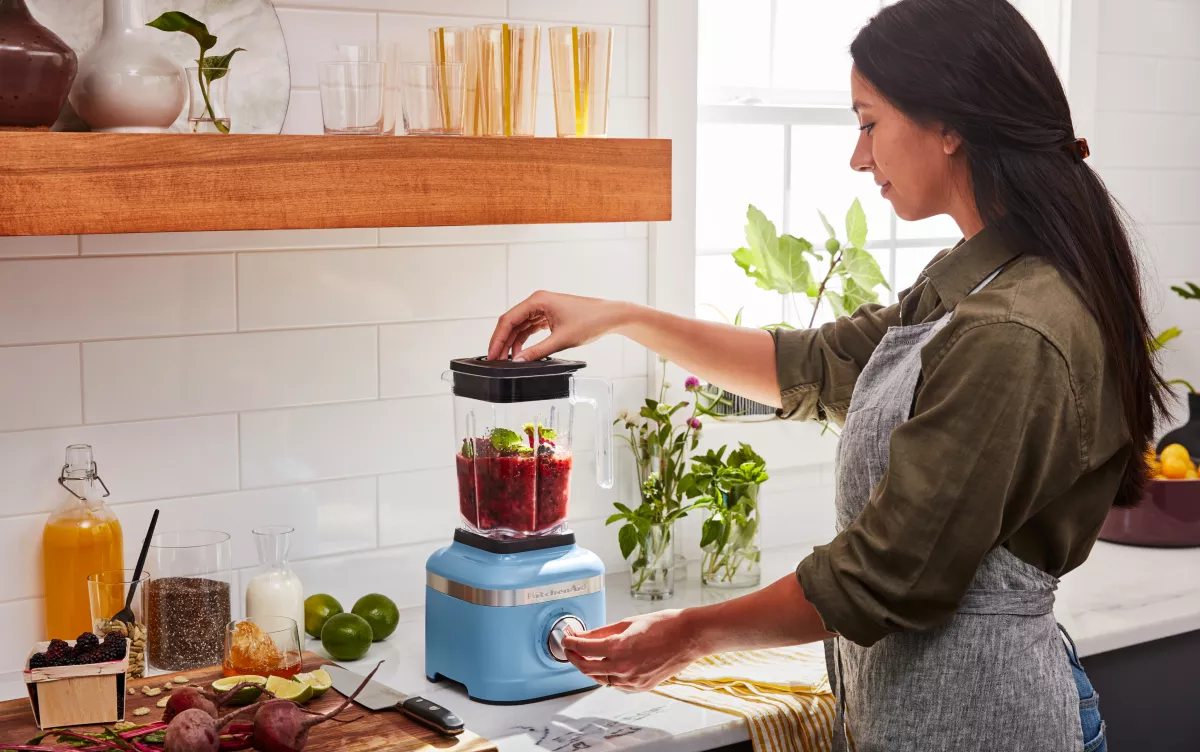
Start with fresh or frozen fruits like berries, bananas, or mangoes. Add a liquid base such as milk, juice, or yogurt for smoothness. For extra nutrition, include spinach, protein powder, or nuts.
- Place fruits and liquid in the blender jar.
- Blend on high speed until smooth.
- Check texture and add more liquid if needed.
- Serve immediately for best taste and freshness.
Soups And Sauces
Use cooked vegetables, broth, and seasoning to create creamy soups and rich sauces. Blend until the mixture is smooth and even. Warm the soup after blending, or cook sauces as needed.
- Chop ingredients into small pieces before blending.
- Pour hot broth or water over vegetables.
- Pulse blender at first, then blend continuously.
- Adjust seasoning after blending for better flavor.
Nut Butters And Dips
Blending nuts or seeds creates fresh nut butters and creamy dips. It takes time and occasional scraping of the jar sides. Adding a small amount of oil or water helps achieve smooth consistency.
- Use roasted nuts for better flavor.
- Blend in short bursts, scraping sides often.
- Add oil or liquid slowly to aid blending.
- Stop when desired texture is reached.
Credit: www.kitchenaid.com
Troubleshooting Common Issues
Blenders are handy tools in every kitchen but sometimes problems occur. Troubleshooting common blender issues helps keep it working smoothly. Understanding simple fixes saves time and avoids frustration.
Blender Won't Start
Check if the blender is plugged in correctly. Make sure the power outlet works by testing another device. Confirm the lid and jar are properly locked in place. Most blenders have safety switches that prevent operation if parts are loose. Inspect the power cord for damage. If the blender still won't start, try resetting it if a reset button exists. Persistent issues may require professional repair.
Uneven Blending
Uneven blending can leave chunks or unblended pieces. Avoid overfilling the blender jar; this affects blade movement. Cut ingredients into smaller, uniform pieces for smoother blending. Use the pulse function to control blending in short bursts. Stop blending occasionally and stir the mixture with a spatula. Adding a little liquid helps ingredients move more freely. Check if the blades are dull or damaged and replace if needed.
Overheating Problems
Blenders can overheat if used for too long or with thick mixtures. Allow the blender to rest between uses to cool down the motor. Avoid blending very hot liquids, which strain the motor. Clean the vents regularly to prevent dust buildup. Blending in short intervals prevents overheating. If overheating persists, the motor may have a fault and need inspection.
Maintaining Your Blender
Maintaining your blender ensures it stays efficient and lasts longer. Proper care protects the motor and blades. It also keeps your blender safe and hygienic for daily use.
Regular Cleaning Tips
Clean the blender after each use to stop food buildup. Fill the jar halfway with warm water and a drop of dish soap. Run the blender for 30 seconds, then rinse well. Wipe the base with a damp cloth to remove spills. Avoid submerging the base in water. Deep clean the jar and lid once a week to remove stubborn stains and odors.
Blade Care And Replacement
Check the blades for dullness or damage regularly. Sharp blades blend ingredients faster and smoother. Avoid blending hard objects like ice or nuts without liquid to protect blades. Replace blades if they become dull or bent. Use only manufacturer-approved replacements to ensure safety and fit.
Storage Recommendations
Store the blender in a dry, cool place. Keep the jar and lid separate to avoid trapped moisture and smells. Ensure the blender is unplugged before storing. Cover the base with a cloth to prevent dust buildup. Store cords neatly to avoid damage or tangles.
Credit: www.almumtaz.com.pk
Frequently Asked Questions
How Do I Choose The Right Blender For Kitchen Use?
Select a blender based on your blending needs, motor power, and capacity. Consider features like speed settings and durability for kitchen tasks.
What Safety Tips Should I Follow When Using A Blender?
Always secure the lid before blending. Avoid overfilling and never insert utensils while the blender runs for safe operation.
Can I Blend Hot Ingredients Safely In A Kitchen Blender?
Yes, but only if your blender is designed for hot liquids. Allow steam to escape to prevent pressure buildup and spills.
How Do I Clean My Kitchen Blender Effectively?
Disassemble the parts and wash them with warm, soapy water. Use a brush for hard-to-reach spots and dry thoroughly before reassembling.
Conclusion
Using a blender in the kitchen saves time and effort. It helps you make smoothies, soups, and sauces quickly. Clean the blender right after use to keep it working well. Always follow safety tips to avoid accidents. Practice blending different foods to find what you like best.
A blender can be a useful tool for many recipes. Start small and enjoy the process of cooking with it. Cooking becomes easier and more fun with a blender by your side.