
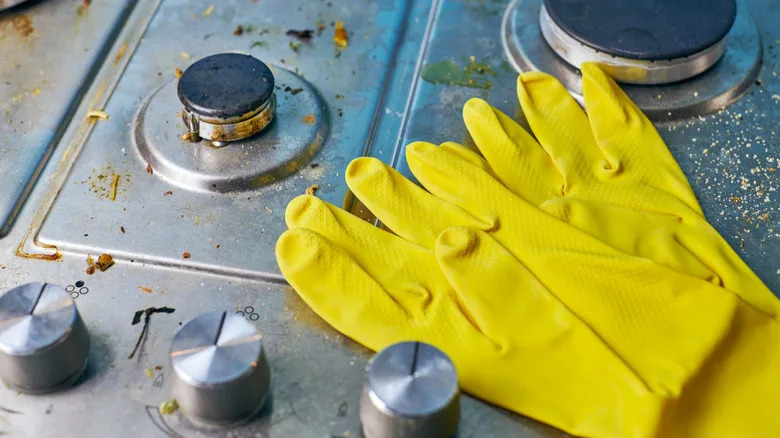
Are you tired of struggling with slippery dishes or burning your hands while cooking? Using kitchen gloves can change the way you handle food and clean up in your kitchen.
But do you know the best way to use them for safety and hygiene? You’ll discover simple tips and tricks to get the most out of your kitchen gloves. Keep reading to protect your hands, make your cooking easier, and keep your kitchen spotless.
Your hands will thank you!

Credit: www.meesho.com
Choosing The Right Gloves
Choosing the right kitchen gloves can make a big difference in your cooking experience. The right pair protects your hands, improves grip, and boosts your confidence while handling food or cleaning. Knowing what to look for will help you find gloves that fit your needs perfectly.
Material Types
Kitchen gloves come in various materials, each suited for different tasks. Latex gloves offer great flexibility and are perfect for delicate jobs like peeling or mixing.
If you have allergies, nitrile gloves provide a good alternative without the risk of irritation. For heavy-duty work like washing dishes or handling hot items, silicone or rubber gloves give better protection and durability.
Think about what you usually do in the kitchen. Are you more about food prep or cleaning? Your choice of material should match your primary tasks.
Size And Fit
Gloves that fit well make your work easier and safer. Too tight gloves can cause discomfort and reduce blood flow, while loose ones may slip off or reduce your grip.
Try measuring your hand circumference around the widest part of your palm to find the right size. Many brands offer size charts, so check those before buying.
Have you ever struggled to chop or peel because your gloves felt bulky or loose? Finding the right size can solve that problem instantly.
Glove Thickness
Thickness affects both protection and dexterity. Thin gloves offer better sensitivity and are great for precise tasks like slicing or decorating.
Thicker gloves, on the other hand, provide more insulation and durability, useful when handling hot pots or harsh cleaning chemicals.
Consider how much protection you need versus how much control you want. Balancing these two will help you pick gloves that feel just right for your kitchen work.
Credit: www.performancefoodservice.com
Proper Glove Usage
Using kitchen gloves correctly protects both food and hands. Proper glove usage stops germs from spreading. It keeps your kitchen clean and safe. Understanding when and how to wear gloves is key for good hygiene.
When To Wear Gloves
Wear gloves anytime you touch ready-to-eat food. Gloves keep food free from germs on hands. Change gloves after handling raw meat or fish. Replace gloves if they tear or get dirty. Always wash hands before putting on gloves.
Avoiding Cross-contamination
Cross-contamination spreads bacteria from one food to another. Change gloves between different tasks. Do not touch clean surfaces with dirty gloves. Throw away gloves after use. Use separate gloves for cleaning and food handling.
Handling Different Food Types
Use gloves designed for specific foods if possible. Raw meat needs different gloves than vegetables. Avoid touching ready-to-eat food with gloves used for raw items. Change gloves to keep foods safe and fresh.
Glove Hygiene Practices
Glove hygiene is essential to keep your kitchen safe and clean. Wearing gloves is not enough if you don’t handle them properly. Poor glove hygiene can spread bacteria just as easily as bare hands, so knowing how to manage gloves correctly makes all the difference.
Changing Gloves Frequently
Gloves can become contaminated quickly, especially when you touch different surfaces or switch between handling raw and cooked foods. Change your gloves often to avoid cross-contamination.
For example, if you’re chopping vegetables and then need to handle raw meat, swap your gloves before moving on. This small step helps keep harmful bacteria from spreading onto your food.
Washing Hands Before And After
Always wash your hands before putting on gloves. Clean hands prevent germs from getting trapped inside your gloves. After you remove gloves, wash your hands again to remove any germs that may have transferred during glove removal.
Think about how easily you touch your face or phone. Washing hands around glove use reduces the chance of passing bacteria to yourself or others.
Safe Glove Removal
Removing gloves the right way prevents contamination of your hands. Pinch the outside of one glove near the wrist, peel it away turning it inside out, and hold it in the other gloved hand.
Then, slide your fingers under the wrist of the remaining glove without touching the outside, and peel it off inside out over the first glove. Dispose of gloves immediately, and never reuse them.
Maintaining Glove Safety
Maintaining glove safety is crucial to protect your hands and keep your kitchen clean. Gloves can get damaged or contaminated easily. Proper care extends their life and ensures they work well each time.
Inspecting For Damage
Check gloves before every use. Look for holes, tears, or cracks. Even small damage can let germs or chemicals reach your skin. Stretch gloves gently to spot any weak spots. Dispose of gloves that show signs of wear.
Proper Storage
Keep gloves in a cool, dry place. Avoid direct sunlight or heat, which can weaken the material. Store gloves away from sharp objects and chemicals. Use a clean container or box to prevent dust and dirt buildup.
Disposal Guidelines
Throw away gloves after one use to prevent cross-contamination. Place used gloves in a trash bin with a lid. Do not flush gloves down the toilet. Follow local rules for disposing of waste if gloves have harmful substances on them.
Common Mistakes To Avoid
Wearing kitchen gloves that don’t fit well can reduce safety and comfort. Avoid using damaged gloves, as they may fail to protect your hands properly. Always keep gloves clean to prevent cross-contamination and skin irritation.
In the hustle and bustle of the kitchen, using gloves can be a game-changer for cleanliness and safety. However, many people make simple mistakes that can compromise the effectiveness of these handy kitchen tools. Let's dive into some common mistakes to avoid to ensure you're getting the most out of your kitchen gloves.
Reusing Disposable Gloves
Disposable gloves are designed for one-time use. Reusing them can lead to cross-contamination. Imagine handling raw chicken and then using the same gloves to cut vegetables. It's a recipe for disaster. Always dispose of gloves after each task to maintain hygiene.
Ignoring Gloves With Tears
A tear in your glove is more than just a minor inconvenience. It can allow harmful bacteria to transfer to your hands. Before starting any kitchen task, check your gloves for any signs of wear and tear. Even a small rip can make a big difference. Replace gloves immediately if you notice any damage.
Wearing Gloves Too Long
Wearing gloves for extended periods can cause discomfort and reduce their effectiveness. Your hands can get sweaty and lose grip, making it harder to handle kitchen tools safely. Take regular breaks to let your hands breathe, and switch to a fresh pair if you've been wearing them for too long. How long is too long? If your hands feel clammy, it's time for a change. By being mindful of these common mistakes, you can ensure your kitchen gloves remain a valuable ally in keeping your cooking space safe and hygienic. Are there other glove-related practices you follow to maintain kitchen safety?

Credit: www.imperialdade.com
Frequently Asked Questions
What Are The Main Benefits Of Using Kitchen Gloves?
Kitchen gloves protect your hands from heat, cuts, and contamination. They improve grip when handling slippery items. Gloves also help maintain hygiene by preventing direct contact with food.
How Do I Choose The Right Kitchen Gloves?
Choose gloves based on material, size, and purpose. Heat-resistant gloves suit cooking; latex or nitrile gloves are best for food prep. Ensure a snug fit for comfort and safety.
Can Kitchen Gloves Be Reused Safely?
Reusable gloves should be washed and dried properly after each use. Disposable gloves are for single use only. Always check manufacturer guidelines for durability and hygiene standards.
How To Clean And Maintain Kitchen Gloves?
Wash gloves with mild soap and warm water. Dry them completely before storing. Regular cleaning prevents bacteria buildup and extends glove lifespan.
Conclusion
Using kitchen gloves keeps your hands safe and clean. They protect against heat, cuts, and germs. Choose gloves that fit well for comfort and control. Always clean gloves after use to avoid germs. Remember, gloves help you cook more safely every day.
Keep them handy in your kitchen for easy use. Simple steps make a big difference in safety. Use kitchen gloves to protect yourself while cooking.