
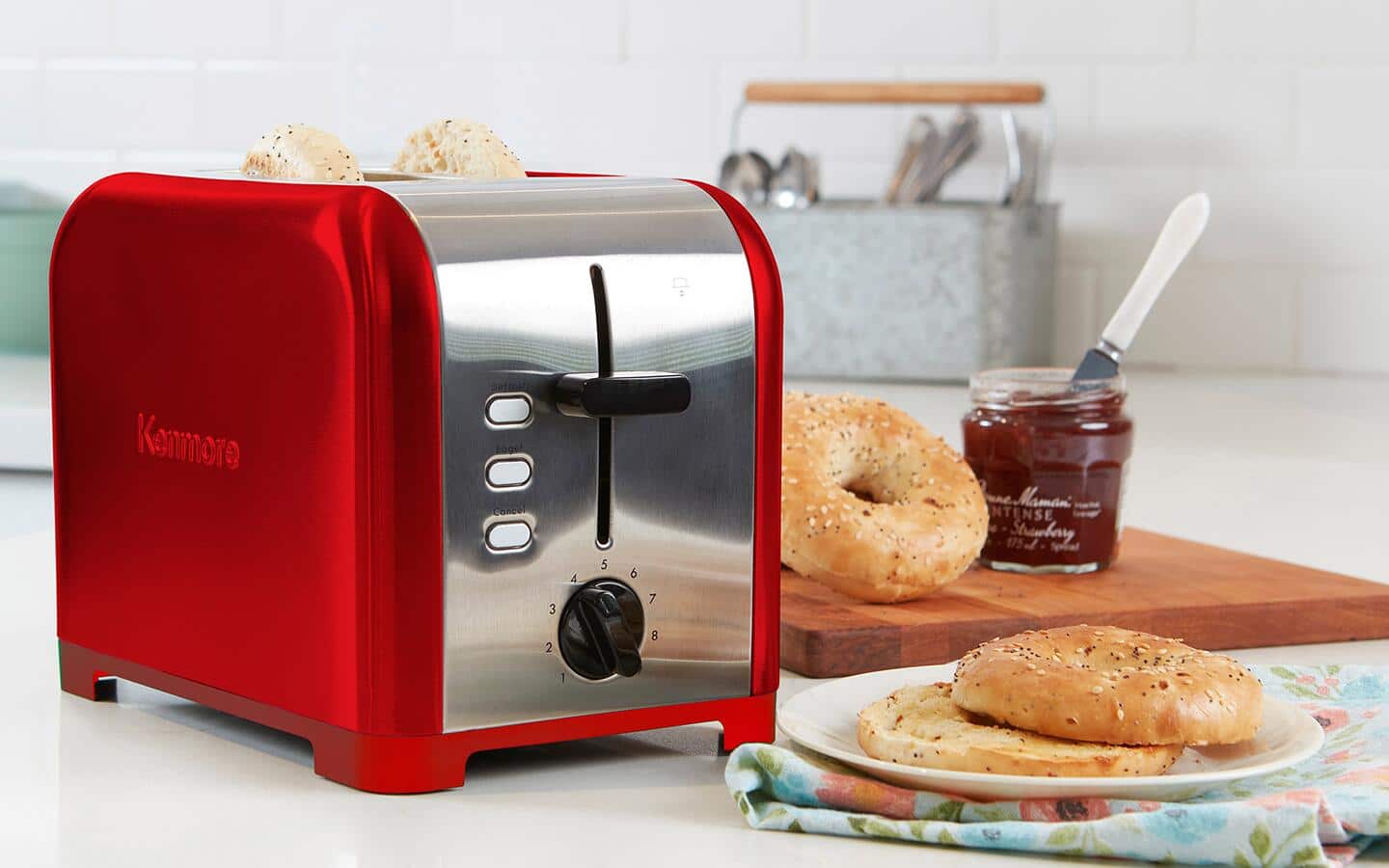
Have you ever stopped to think about the gadgets in your kitchen? You probably see a toaster every day, but have you ever wondered if it really counts as a kitchen appliance?
This might seem like a simple question, but the answer can change how you view your kitchen setup and even how you shop for new tools. Stick with me, and you’ll discover why your toaster is more important than you think—and how understanding this can make your cooking experience easier and more enjoyable.
Ready to find out? Let’s dive in!

Credit: www.amazon.com
What Makes An Appliance
Understanding what makes a kitchen tool an appliance helps decide if a toaster fits that category. An appliance is more than just a device; it serves specific tasks that ease kitchen work. These tasks often involve electricity or gas, and the goal is to improve cooking or food preparation.
Defining Kitchen Appliances
Kitchen appliances are machines designed to perform household cooking functions. They can be small or large and usually require power to work. Examples include refrigerators, ovens, blenders, and toasters. These devices simplify tasks like heating, mixing, or cooling food. The key point is their role in daily kitchen routines.
Common Features Of Appliances
- Use of electricity or gas for operation
- Designed for specific kitchen tasks
- Portable or built-in units
- Durable and safe for household use
- Help save time and effort in food preparation
These features help identify a kitchen appliance. A toaster fits well because it uses electricity, serves a clear kitchen purpose, and is safe to use daily.
The Toaster’s Design And Function
The toaster, a staple in many kitchens, is a marvel of simple yet effective design. Its primary function is to transform slices of bread into crispy, golden-brown toast using radiant heat. Despite its straightforward purpose, the toaster's design and functionality are intriguing and worth exploring.
How A Toaster Works
A toaster operates on a basic principle: converting electrical energy into heat. When you insert bread and push down the lever, electricity flows through nichrome wires, generating heat. This heat radiates onto the bread, toasting it evenly on both sides.
Many toasters come with adjustable settings, allowing you to choose how brown you want your toast. The timing mechanism ensures your bread pops up perfectly toasted every time. Have you ever noticed that satisfying "pop" sound? It’s a result of the spring-loaded tray releasing your toast once it’s ready.
Types Of Toasters
Toasters come in various shapes and sizes to fit different needs. The classic pop-up toaster is perhaps the most common. It’s compact and fits easily on most countertops, perfect for quick breakfasts.
For those who love variety, a toaster oven might be a better choice. These are larger and can handle more than just bread, from reheating leftovers to baking small meals. Do you often find yourself toasting multiple slices at once? A four-slice toaster could be your best bet, saving you time in the morning rush.
Some toasters even come with extra features like defrost and reheat settings. This can be particularly useful if you often store bread in the freezer. With all these options, there’s a toaster designed to meet your specific needs and preferences.
Next time you make toast, think about the little appliance that makes it possible. Is your toaster meeting your needs, or is it time to explore other types to enhance your kitchen experience?
Toaster In The Kitchen Ecosystem
The toaster holds a unique spot in the kitchen ecosystem. It performs a simple yet essential task. Toasting bread quickly enhances breakfast and snack options. This small appliance fits easily among other kitchen tools. It complements rather than replaces larger devices.
Role Compared To Other Appliances
The toaster's role is specific and focused. It heats bread evenly and crisps it. Other appliances like ovens or microwaves serve broader cooking needs. The toaster uses less energy and space. It works faster than a conventional oven for toasting.
Unlike blenders or mixers, it doesn’t prepare ingredients. It specializes in browning slices of bread, bagels, or English muffins. This makes it a quick helper for busy mornings.
Versatility And Usage
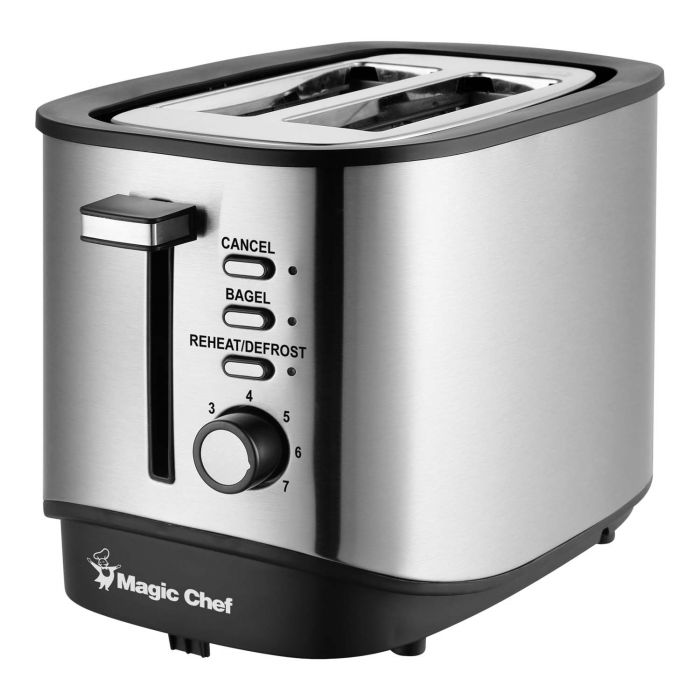
The toaster is more versatile than many think. It can toast various bread types and thicknesses. Some models offer settings for bagels and defrosting. This adds convenience to daily routines.
Besides breakfast, a toaster can warm small snacks. It can crisp leftover pizza or pastries. The appliance requires minimal setup and cleaning. Its easy use makes it a favorite in many homes.
Credit: mcappliance.com
Is A Toaster Essential?
Is a toaster essential in every kitchen? Many wonder if this small appliance truly makes a difference. A toaster offers a quick and easy way to prepare breakfast or snacks. It fits well in kitchens with limited space and saves time. But is it a must-have tool?
Benefits Of Owning A Toaster
- Speeds up breakfast preparation with quick toasting.
- Creates crispy, warm bread that tastes better than cold slices.
- Uses less electricity than an oven for small tasks.
- Compact size takes up little counter or storage space.
- Simple to use, even for beginners or kids.
- Offers consistent results without needing much attention.
Alternatives To Toasters
Some kitchens skip the toaster and use other tools instead. Here are common alternatives:
- Oven or toaster oven for toasting and baking.
- Stovetop pan to toast bread manually.
- Microwave with crisping plates, though results differ.
- Sandwich press or grill for toasted sandwiches.
These alternatives work but may take more time or effort. A toaster remains the fastest choice for simple toasting.
The Toaster’s Evolution
The toaster has come a long way since its invention. It started as a simple tool to brown bread. Over time, it became a must-have kitchen appliance. Its evolution reflects changes in technology and lifestyle.
The early toasters were basic and slow. They needed careful monitoring to avoid burning bread. These models had exposed heating elements and manual operation. Safety and convenience were limited compared to today’s standards.
From Early Models To Modern Designs
Early toasters used metal coils to heat bread. They required flipping slices by hand. The first automatic pop-up toaster appeared in the 1920s. This design made toasting easier and safer.
Modern toasters now feature sleek designs. They offer multiple slots and adjustable browning controls. Materials like stainless steel add durability and style. Some have extra functions like defrosting and reheating.
Smart Toasters And Innovations
Smart toasters connect to apps for precise control. They allow users to save toasting preferences. Sensors adjust time and temperature automatically. This reduces wasted bread and improves results.
Other innovations include touchscreens and voice commands. Some models use infrared technology for even toasting. Energy-efficient designs help reduce electricity use. The toaster continues to evolve with user needs and tech advances.

Credit: www.amazon.com
Common Misconceptions
Many people aren’t sure if a toaster truly counts as a kitchen appliance. Some think it’s just a simple gadget or an accessory, not as essential as a blender or microwave. Let’s clear up these misconceptions and see where the toaster really fits in your kitchen setup.
Toaster Vs Other Heating Devices
People often confuse toasters with other heating devices like ovens or microwaves. Unlike ovens, which cook or bake food, toasters are designed specifically to brown and crisp bread slices quickly and evenly.
Microwaves heat food by agitating water molecules, which doesn’t give you the same toasted texture or flavor. So, while they all use heat, their functions and outcomes are quite different.
Think about your morning routine: you wouldn’t use a microwave to make toast, right? That shows how specialized a toaster really is.
Clarifying Its Appliance Status
A kitchen appliance is any device used to perform a specific kitchen task, usually powered by electricity. By this definition, a toaster fits perfectly—it’s electric and serves the clear purpose of toasting bread.
It may be small, but that doesn’t make it any less of an appliance. In fact, many kitchens couldn’t do without it for quick breakfasts or snacks.
Next time you reach for your toaster, remember—it’s more than just a gadget. It’s a practical, reliable kitchen appliance designed to make your life easier.
Frequently Asked Questions
Is A Toaster Considered A Kitchen Appliance?
Yes, a toaster is a kitchen appliance. It is an electric device used to toast bread and other items. It fits the category of small kitchen appliances designed to make food preparation easier and faster.
What Types Of Kitchen Appliances Include Toasters?
Toasters fall under small kitchen appliances. This group includes blenders, microwaves, and coffee makers. They are compact, portable, and assist with specific cooking tasks like toasting bread.
How Does A Toaster Work As A Kitchen Appliance?
A toaster uses electric heating elements to brown bread evenly. It quickly converts electricity into heat, toasting bread slices on both sides. This simple function makes it a useful appliance in any kitchen.
Can A Toaster Improve Kitchen Efficiency?
Yes, a toaster improves kitchen efficiency. It toasts bread faster than traditional methods like stovetops. This saves time during busy mornings and simplifies breakfast preparation.
Conclusion
A toaster fits well in any kitchen setup. It helps prepare quick and tasty meals. This appliance uses electricity to toast bread evenly. Small size makes it easy to store and use. Many homes consider it a basic kitchen tool.
Its simple function adds convenience every day. So yes, a toaster is a kitchen appliance. It plays a useful role in daily cooking tasks.