
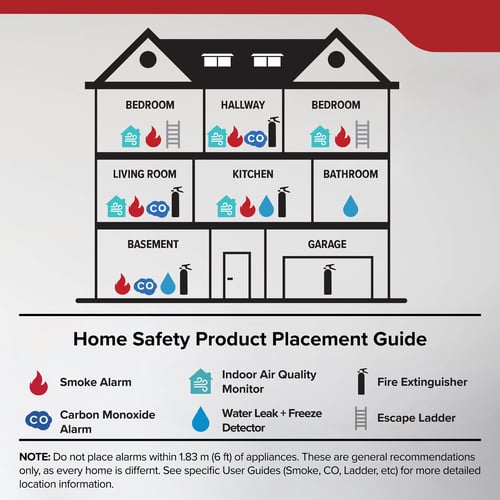
Should Smoke Detector Be in Kitchen? Have you ever wondered if your kitchen really needs a smoke detector? You might think it’s just another safety device, but placing a smoke detector in your kitchen could be the key to protecting your home and loved ones.
However, not all smoke detectors work well in this busy, steamy space. You’ll discover the surprising facts about kitchen smoke detectors and learn how to choose the right one to keep your home safe without constant false alarms. Keep reading—your safety depends on it!

Credit: www.yourhomewiz.com
Smoke Detector Basics
Understanding the basics of smoke detectors is key before deciding whether to place one in your kitchen. These devices are your first line of defense against fire hazards, alerting you early to potential danger. Knowing how they work and the different types available will help you choose the right one for your home.
How Smoke Detectors Work
Smoke detectors sense smoke particles in the air and trigger an alarm to warn you. They usually work by either detecting changes in light or electrical signals caused by smoke.
- Photoelectric detectorsuse a light source and sensor. When smoke enters, it scatters the light, which sets off the alarm.
- Ionization detectorshave a small amount of radioactive material that ionizes air. Smoke disrupts this ion flow, causing the alarm to sound.
Each type reacts differently to various kinds of fires. Photoelectric alarms respond quickly to smoldering fires, while ionization alarms detect fast-flaming fires more efficiently. Have you thought about which type suits your kitchen environment best?
Types Of Smoke Detectors
There are several types of smoke detectors designed for different needs and locations in your home.
| Type | Description | Best For |
|---|---|---|
| Photoelectric | Detects smoke from slow, smoldering fires | Living rooms, bedrooms, kitchens (if carefully placed) |
| Ionization | Detects smoke from fast, flaming fires | Areas away from the kitchen to avoid false alarms |
| Combination (Dual Sensor) | Includes both photoelectric and ionization sensors | Whole house coverage |
| Hardwired | Connected to home’s electrical system with battery backup | Permanent installations |
| Battery-Operated | Portable and easy to install | Rental homes or places without wiring |
Choosing the right type depends on your home's layout and lifestyle. For example, I once installed a photoelectric detector near my kitchen but positioned it to avoid frequent false alarms from cooking smoke. This small adjustment made a big difference in keeping the alarm functional without annoyance.
Kitchen Fire Risks
The kitchen is often called the heart of the home, but it also comes with unique fire risks that require careful attention. Fires in the kitchen can start quickly and spread before you even notice. Understanding these risks helps you decide if a smoke detector is essential in your cooking space.
Common Causes Of Kitchen Fires
Most kitchen fires begin with cooking equipment. Unattended stovetops are a leading cause, especially when oil or grease overheats.
Other frequent causes include:
- Faulty or damaged electrical appliances like toasters and microwaves
- Flammable items placed too close to heat sources
- Clothing catching fire while cooking
Have you ever left the kitchen for a moment only to return to smoke or flames? That brief distraction can be all it takes for a fire to start.
Fire Hazards Unique To Kitchens
Kitchens have materials that burn easily, such as paper towels, curtains, and wooden utensils. These items combined with high heat create a risky environment.
Grease buildup inside vents and on stovetops also adds to the danger. Grease fires are tough to put out and can spread rapidly.
Electrical outlets overloaded with multiple appliances increase the chance of sparks. Do you know if your kitchen wiring can handle all your devices safely?
Pros Of Kitchen Smoke Detectors
Having a smoke detector in your kitchen offers several clear advantages that can protect your home and family. While some worry about false alarms, the benefits often outweigh the inconveniences. Let’s look at how kitchen smoke detectors can boost your safety and peace of mind.
Early Fire Detection
Kitchen smoke detectors catch smoke at the earliest signs of a fire, giving you crucial extra minutes to react. Fires in the kitchen can start quickly, especially with unattended cooking or grease fires. Detecting smoke early means you can turn off heat sources, grab a fire extinguisher, or evacuate before the situation worsens.
Imagine cooking dinner and suddenly smelling something burning. A smoke detector alerts you immediately, even if you’re in another room. That early warning can prevent a small incident from turning into a house fire.
Enhanced Safety Measures
Adding a smoke detector in your kitchen strengthens your overall home safety system. It works alongside detectors in bedrooms and hallways to create a network of protection. This layered approach ensures that no fire goes unnoticed, no matter where it starts.
Besides fire alerts, some kitchen smoke detectors come with smart features. These can notify your phone if smoke is detected while you’re away, giving you control and confidence in your home’s safety. Would you want to miss a critical alert just because you weren’t home?

Credit: www.wconline.com
Cons Of Kitchen Smoke Detectors
Placing smoke detectors in the kitchen can lead to frequent false alarms. Cooking activities often produce smoke and steam. These elements can trigger the device unnecessarily, causing frustration. Frequent false alarms may lead to ignoring the detector's warning, potentially risking safety during real emergencies.
Cons of Kitchen Smoke Detectors Installing a smoke detector in the kitchen might seem like a smart move for home safety. However, it's not without its downsides. While ensuring protection is crucial, the potential drawbacks can sometimes outweigh the benefits.
False Alarms From Cooking
Smoke detectors in kitchens are notorious for false alarms. Cooking activities often produce smoke or steam, which can easily trigger the alarm. Imagine preparing a delicious steak, only to be interrupted by a blaring alarm. This frequent disruption can be frustrating and may even lead you to disable the detector, defeating its purpose.
Maintenance Challenges
The kitchen environment can make maintaining smoke detectors a real chore. Grease and grime build-up from cooking can affect the sensor's functionality. Regular cleaning becomes essential, but how often do you remember to clean your smoke detector? Plus, the high humidity and temperature fluctuations in kitchens can reduce the lifespan of the detector. This means more frequent replacements, adding to your household maintenance tasks. Are you prepared for that extra responsibility?
Alternative Safety Devices
Smoke detectors in kitchens can cause false alarms due to cooking smoke. Alternative safety devices offer effective fire detection without frequent false alerts. These devices focus on heat or combine multiple sensors for better protection.
Heat Detectors
Heat detectors sense a rapid rise in temperature or a high fixed temperature. They do not react to smoke, reducing false alarms from cooking. These devices work well in kitchens where smoke or steam is common. Heat detectors trigger alarms only when fire causes significant heat.
Combination Alarms
Combination alarms include smoke and heat sensors in one device. They provide a balanced response to fire dangers and kitchen conditions. These alarms reduce false triggers by using heat detection alongside smoke sensing. Combination alarms offer reliable protection for busy cooking areas.
Placement Tips For Smoke Detectors
Proper placement of smoke detectors near kitchens is crucial for safety. Smoke detectors must detect smoke early without false alarms. Correct location helps protect your home effectively. Follow these placement tips to balance safety and practicality.
Ideal Locations Near Kitchens
Install smoke detectors just outside the kitchen area. Place them in hallways or near dining rooms. Avoid installing detectors directly inside the kitchen. Cooking smoke and steam cause false alarms here.
Mount detectors on the ceiling or high on walls. Smoke rises, so higher placement catches it faster. Keep detectors away from air vents and fans. These can blow smoke away from the sensor.
Distance Guidelines
Keep smoke detectors at least 10 feet (3 meters) from cooking appliances. This distance reduces false alarms from normal cooking smoke. Maintain a distance of 3 to 6 inches from the ceiling corner.
Install detectors in every bedroom and near sleeping areas. This ensures early warning during nighttime. Test detectors regularly for proper function and battery life.
Maintenance And Testing
Maintenance and testing are crucial to keep your smoke detector reliable, especially if it's installed in the kitchen. Smoke detectors in this area face more challenges like steam and cooking fumes, which can affect their performance. Regular upkeep ensures your device reacts promptly to real dangers, not false alarms.
Regular Cleaning
Smoke detectors attract dust and grease, especially in kitchens. This buildup can block sensors and cause false alarms or failure to detect smoke.
Clean your smoke detector every month by gently vacuuming around the vents or wiping the exterior with a damp cloth. Avoid spraying cleaners directly on the device, as moisture can damage internal components.
Have you noticed your smoke detector sounding off frequently while cooking? It might be time to clean it more often or check its placement to reduce false alerts.
Battery Replacement
Power issues are a common cause of smoke detector failure. Most units need battery replacement at least once a year to work correctly.
Test your smoke detector monthly by pressing the test button. If the sound is weak or absent, replace the battery immediately.
Consider using long-life lithium batteries to reduce how often you need to change them. Keeping spare batteries handy can save you from a non-working detector during an emergency.

Credit: www.reddit.com
Fire Safety Best Practices
Fire safety in the kitchen is essential to protect your home and family. Kitchens are common places for fires to start. Following fire safety best practices lowers the risk of accidents and damage. Knowing how to act quickly can save lives.
Safe Cooking Habits
- Never leave cooking food unattended on the stove.
- Keep flammable items like towels and paper away from heat.
- Use timers to remind you when food is cooking.
- Clean grease and food buildup regularly to prevent flare-ups.
- Wear short or tight-fitting sleeves to avoid catching fire.
- Turn pot handles inward to stop accidental spills.
Emergency Preparedness
- Have a fire extinguisher easily accessible in the kitchen.
- Know how to use the fire extinguisher safely.
- Plan and practice a fire escape route with your family.
- Install smoke detectors near the kitchen but not too close to avoid false alarms.
- Test smoke detectors monthly and replace batteries yearly.
- Keep emergency phone numbers handy for quick calls.
Frequently Asked Questions
Should Smoke Detectors Be Installed Inside The Kitchen?
Smoke detectors inside kitchens often trigger false alarms from cooking smoke. It's better to install heat detectors or place smoke alarms nearby, but not directly in the kitchen.
Where Is The Best Place To Install A Kitchen Smoke Detector?
Install smoke detectors just outside the kitchen, in hallways or nearby rooms. This placement reduces false alarms while still providing timely alerts.
Can Kitchen Smoke Detectors Reduce Fire Risk Effectively?
Yes, smoke detectors near kitchens help detect fires early. Proper placement ensures safety without frequent false alarms that cause disabling of alarms.
Why Do Smoke Detectors Often Go Off In Kitchens?
Cooking smoke and steam trigger smoke detectors easily. This leads to frequent false alarms, causing annoyance and potential ignoring of actual emergencies.
Conclusion
Smoke detectors help keep homes safe from fires. Kitchens have more fire risks than other rooms. Placing a smoke detector nearby can alert you fast. Avoid putting it too close to the stove to stop false alarms. Regularly check and maintain your smoke detector for best use.
Safety in the kitchen protects your family and belongings. A simple device can save lives and reduce damage. Think about the right spot, and stay prepared. Safety is always worth the small effort.