

What are the Typical Dimensions of a Kitchen Trash Can? Are you tired of constantly struggling with an overflowing kitchen trash can? Or perhaps you're redesigning your kitchen and want to ensure that every detail, down to the trash can, fits perfectly in your space.
Choosing the right dimensions for your kitchen trash can might seem like a minor detail, but it can significantly impact your daily routine. Imagine a trash can that fits seamlessly into your kitchen, with no more bags spilling over or needing frequent replacements.
By understanding the typical dimensions of kitchen trash cans, you can make an informed decision that suits your needs and enhances your kitchen's functionality. Read on to discover the ideal size options that will keep your kitchen organized and efficient.

Standard Sizes
Choosing the right kitchen trash can depends on its size. Different sizes fit different needs. Consider the space you have and your household's trash output. Here, we explore three common sizes: small, medium, and large.
Small Trash Cans
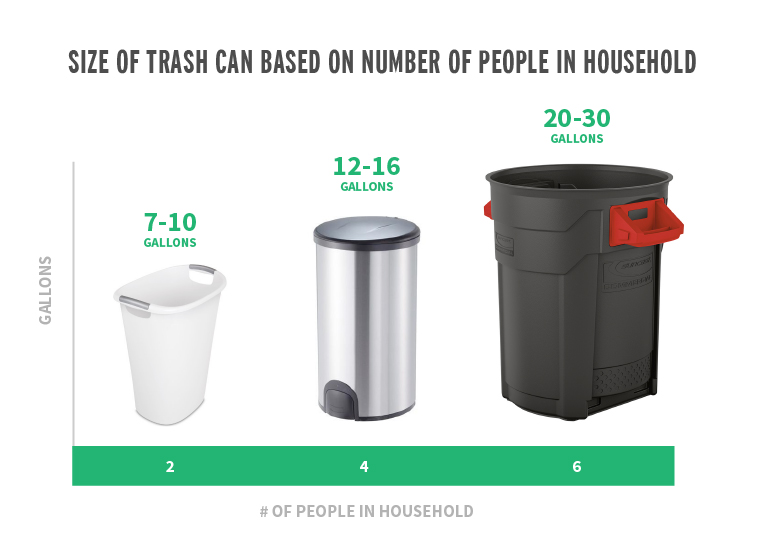
Small trash cans usually hold between 1.2 to 2.6 gallons. These are perfect for tight spaces. They fit well under sinks or in bathrooms. Ideal for single-person households. They help manage waste without taking much space.
Medium Trash Cans
Medium trash cans range from 7 to 10 gallons. These are popular in many kitchens. They offer a balance between capacity and size. Perfect for couples or small families. They fit well in small kitchens or pantries.
Large Trash Cans
Large trash cans hold about 12 to 16 gallons. Suitable for bigger families. They manage a lot of waste efficiently. A good choice for those who cook often. They fit well in larger kitchens, garages, or outdoor spaces.
Shape And Design
Choosing the right kitchen trash can shape and design is important. It impacts both functionality and aesthetic appeal. The right trash can helps maintain a tidy kitchen. It blends seamlessly into your space. Various shapes offer distinct advantages. Let's explore the common shapes and designs available.
Round Trash Cans
Round trash cans offer a classic design. They fit easily in corners or tight spaces. Their symmetrical shape adds balance to the room. Ideal for small kitchens where space is limited. Many models have pedal lids for hands-free use. This design reduces odors effectively. Round cans are often made of stainless steel for durability.
Rectangular Trash Cans
Rectangular trash cans provide maximum capacity. They accommodate larger waste volumes. Their shape fits snugly against walls or cabinets. This design is perfect for high-traffic kitchens. The flat surface allows for easy stacking. Many have a sliding lid for convenience. Rectangular cans often have compartments for recycling.
Slim Trash Cans
Slim trash cans are ideal for narrow spaces. Their sleek design fits between appliances or cabinets. They are perfect for compact kitchens. Many models have a slim profile with a tall height. This design maximizes capacity in minimal space. Slim cans often have a touchless lid feature. This makes them hygienic and easy to use.
Material Considerations
Kitchen trash cans vary in size to fit different spaces. Common dimensions include 12-16 inches wide, 28-32 inches tall, and 12-16 inches deep. Choose a size that matches your kitchen's layout and waste needs.
Choosing the right kitchen trash can involves more than just picking a size; it's about selecting the material that best suits your lifestyle and kitchen needs. Each material offers distinct advantages and challenges, so understanding these can help you make an informed choice. Ever had a trash can that was too heavy to lift or one that quickly absorbed odors? Let’s dive into the material considerations to ensure you choose wisely.
Plastic Trash Cans
Plastic trash cans are popular for a reason. They're lightweight, making them easy to move around. If you need to quickly relocate your trash can from one corner of the kitchen to another, plastic is your friend. They are also typically less expensive. This makes them an ideal choice if you're on a budget or if you frequently replace your trash can. However, consider how plastic might absorb smells over time, requiring more frequent cleaning.
Metal Trash Cans
Metal trash cans offer durability that plastic often can't match. They might be heavier, but they can withstand more wear and tear. If you have a busy household, metal can be a robust choice. They often come with a sleek, modern look. Imagine impressing your friends with your chic kitchen setup. But, be aware of potential dents or rusting over time. How much maintenance are you willing to handle?
Composite Trash Cans
Composite trash cans provide a balanced mix of features. They combine the best aspects of plastic and metal, offering durability with a lighter weight than pure metal options. They can resist odors better than plastic. If your kitchen is prone to strong smells, composite may help keep things fresh. Though they might be pricier, consider the long-term savings in replacement costs. Your choice of material can influence your kitchen’s efficiency and hygiene. Which material resonates most with your needs and kitchen environment?
Capacity And Volume
When choosing a kitchen trash can, understanding its capacity and volume is crucial for maintaining an efficient and tidy kitchen space. The size of your trash can directly affects how often you'll need to empty it, which can impact your daily routine. Knowing the right dimensions can help you select a trash can that fits your needs without overwhelming your kitchen layout.
Understanding Gallon Measurements
Trash cans are often measured in gallons, a term that may seem a bit abstract if you're not familiar with it. Simply put, a gallon is a unit of volume measurement, and for trash cans, it denotes how much waste it can hold. A typical kitchen trash can ranges from 10 to 20 gallons. If you have a larger family or cook frequently, you might lean towards the upper end of this range.
I once underestimated the importance of gallon measurements and ended up with a trash can that was too small. It was a lesson learned the hard way, with trash overflowing after every meal prep. Take a moment to think about your waste habits—do you frequently host dinner parties, or are you more of a takeout person? This will guide your choice.
Space Efficiency
While it's tempting to go for a larger trash can, consider your kitchen's layout. A bulky trash can might offer more capacity but can also take up valuable floor space. Look for models designed to be space-efficient, like those with a slim design that can snugly fit against a wall or under the sink.
Space efficiency is about maximizing your kitchen's functionality. Opting for a trash can that fits well within your kitchen's existing space can make your cooking experience more pleasant. Have you ever found yourself dancing around a kitchen obstacle while trying to cook? Avoid this by planning the placement of your trash can wisely.
Ultimately, the right kitchen trash can balances capacity and space efficiency, making your kitchen a more harmonious place to work. What are your priorities when choosing a trash can? Share your thoughts, and let's make trash management a little less messy and a lot more efficient.
Placement Options
Choosing the right kitchen trash can is crucial for a tidy kitchen. The placement of your trash can affects both aesthetics and functionality. Different placement options suit different kitchen layouts and preferences.
Under-sink Trash Cans
Under-sink trash cans are perfect for saving space. They stay hidden behind cabinet doors, keeping your kitchen looking neat. These cans are smaller, fitting well in compact areas. Ideal for small kitchens or minimal waste production.
Freestanding Trash Cans
Freestanding trash cans offer flexibility in placement. They come in various sizes to suit your needs. Position them near the prep area for easy access. Choose designs that complement your kitchen decor.
Built-in Trash Cans
Built-in trash cans are integrated into your cabinetry. They provide a seamless, clutter-free look. Often, they feature sliding mechanisms for easy use. These are great for modern or high-end kitchen designs. Built-in options are typically more expensive but worth the investment.
Lid Types
Kitchen trash cans come in various dimensions, typically ranging from 12 to 16 inches in width and depth. Heights often vary between 24 and 30 inches. These sizes accommodate different kitchen spaces and trash volumes efficiently.
Choosing the right lid type for your kitchen trash can might seem like a small detail, but it can significantly impact your kitchen's functionality. Lid types not only affect convenience but also play a role in maintaining cleanliness and odor control. Whether you prioritize hands-free operation or easy access, understanding the different types of lids can help you make a more informed choice.
Swing Lids
Swing lids are a classic choice for many households. They feature a hinged lid that swings open when you push it, making it easy to deposit trash without touching the lid. This can be especially useful when your hands are full or messy, offering a quick and simple solution for waste disposal. However, swing lids do have their downsides. They might not seal completely, which can lead to odors escaping. If you often throw away items that are too large, you might find yourself struggling to fit them through the swinging mechanism.
Step Lids
Step lids offer a hands-free experience by using a foot pedal to open the lid. This type is particularly beneficial when you're cooking and need to dispose of scraps quickly. It ensures that your hands remain clean, avoiding the spread of germs and bacteria. A memorable moment for me was during a holiday dinner prep, juggling multiple dishes. The convenience of a step lid allowed me to keep my hands clean while swiftly discarding waste. One thing to note is the durability of the pedal mechanism; it should withstand frequent use without sticking or breaking.
Sensor Lids
Sensor lids are the high-tech option for modern kitchens. These lids open automatically with a wave of your hand, offering a truly touchless experience. If hygiene is a major concern in your household, sensor lids provide an added layer of cleanliness. Think about how often you find yourself with sticky hands while cooking. A sensor lid can be a game-changer, keeping everything sanitary without needing to touch the trash can. However, they do require batteries or a power source, which is something to keep in mind for maintenance and placement. When considering lid types, reflect on your daily habits and kitchen activities. Which lid type aligns best with your lifestyle and needs? Let your kitchen routine guide your choice for a more efficient and pleasant waste disposal experience.
Considerations For Choosing
Choosing the right kitchen trash can involves more than just aesthetics. It plays a crucial role in maintaining cleanliness and efficiency. The size and design of your trash can can greatly affect your kitchen's functionality. Let's explore the key considerations.
Kitchen Size
Your kitchen size dictates the trash can dimensions. A small kitchen needs a compact trash can. It ensures enough space for movement. Larger kitchens can accommodate bigger trash cans. They offer more flexibility in placement.
Trash Volume
Think about the amount of waste generated daily. A family kitchen might need a larger bin. Single or couple households can opt for smaller sizes. Choose a size that meets your waste disposal needs. It reduces the frequency of emptying the bin.
Design Preference
Design matters in kitchen aesthetics. Stainless steel offers a modern look. Plastic options are lightweight and affordable. Some prefer step-on lids for convenience. Others choose touchless models for hygiene. Pick a design that matches your style and needs.
Frequently Asked Questions
What Size Is A Standard Kitchen Trash Can?
A standard kitchen trash can typically ranges from 12 to 16 gallons. This size is ideal for everyday household waste. It fits well under kitchen counters or cabinets and is large enough for daily use without frequent emptying.
How Tall Is A Typical Kitchen Trash Can?
Most kitchen trash cans stand between 24 to 30 inches tall. This height allows for convenient access and fits well under counters. Taller cans can hold more waste, reducing the frequency of emptying.
What Are Common Trash Can Dimensions?
Common trash can dimensions are 14 to 18 inches wide and 10 to 15 inches deep. These measurements allow them to fit snugly in designated spaces. Such dimensions are suitable for both small and large kitchens.
Is A 13-gallon Trash Can Ideal For Kitchens?
Yes, a 13-gallon trash can is popular for kitchens. It offers ample space for regular waste. This size fits standard trash bags, making it convenient for households. It's compact yet spacious, ensuring efficient waste management.
Conclusion
Choosing the right kitchen trash can size matters. It affects convenience and space. Small cans fit under sinks. Medium ones suit larger families. Big cans are for big kitchens. Measure your space before buying. Consider your waste habits too. A good fit makes life easier.
Keep your kitchen clean and tidy. Find a balance between size and function. The right trash can helps maintain order. Make a smart choice for your kitchen. Enjoy a clutter-free cooking space.