
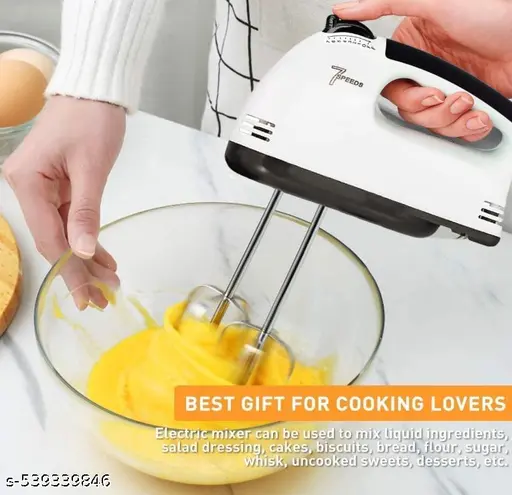
Are you wondering which beater to use when blending flour with liquid in your KitchenAid mixer? Choosing the right attachment can make a big difference in how smooth and well-mixed your batter turns out.
Using the wrong beater might leave you with lumps or a mix that’s too thick or too thin. You’ll discover exactly which KitchenAid beater works best for combining flour and liquids, so your baking or cooking process becomes easier and more efficient.
Keep reading to find the simple answer that will save you time and improve your kitchen results.
Choosing The Right Beater
Choosing the right beater for your KitchenAid mixer is key for smooth blending of flour and liquid. The right tool makes mixing easier and improves the texture of your batter or dough. Using the correct beater reduces overworking and ensures even mixing. Understanding each beater type helps to pick the best one for your recipe.
Types Of Kitchenaid Beaters
KitchenAid offers several beaters for different tasks. The flat beater is the most common. It works well for mixing cake batter, cookie dough, and other medium-thick mixtures. The wire whip is designed to incorporate air. It is perfect for whipping cream or egg whites. The dough hook handles heavy doughs, like bread or pizza dough, kneading them gently.
Beater Vs. Whisk Vs. Dough Hook
| Attachment | Best For | Mixing Style |
|---|---|---|
| Flat Beater | Flour with liquid, cookie dough, cake batter | Thorough, even mixing without much air |
| Wire Whisk | Whipping cream, egg whites, light batters | Adds air, creates fluffy texture |
| Dough Hook | Heavy doughs like bread, pizza dough | Kneads dough gently without overworking |
Best Beater For Flour And Liquid
Choosing the right beater for blending flour with liquid in your KitchenAid mixer ensures smooth, lump-free batter. The best beater should mix ingredients evenly without overworking the dough. Using the proper attachment saves time and improves your recipe’s texture. The flat beater stands out as the top choice for this task.
Flat Beater Benefits
The flat beater is sturdy and well-shaped for mixing thick batters. It combines ingredients thoroughly without adding too much air. This beater handles flour and liquid mixtures gently, preventing overmixing. It also cleans easily and fits most KitchenAid stand mixers. The flat beater maintains the right consistency in dough and batter.
When To Use The Paddle Attachment
Use the paddle attachment when mixing medium to heavy batters. It works best for cookie dough, cake batter, and pancake mix. The paddle avoids whipping air into the mixture, keeping it dense and moist. Avoid using it for light, airy mixtures like whipped cream. The paddle attachment blends flour and liquid smoothly every time.
Mixing Techniques With Kitchenaid
The flat beater is best for blending flour with liquid in a KitchenAid mixer. It mixes ingredients evenly without overworking the dough. This tool helps achieve a smooth, consistent batter or dough every time.
Mixing Techniques with KitchenAid Discover the art of mixing with your KitchenAid mixer. Combining flour and liquid can be tricky. But with the right techniques, it's easy. Your KitchenAid can handle any mixing challenge. Learn how to use it like a pro.
Proper Speed Settings
Choosing the right speed is key. Use low speed for mixing flour. This prevents flour clouds in your kitchen. Gradually increase speed to medium. It ensures even blending of ingredients.
Avoiding Overmixing
Overmixing can ruin your dough. Stop mixing when ingredients are just combined. This keeps your dough light and airy. Pay attention to texture and appearance. Avoid a sticky or tough consistency.
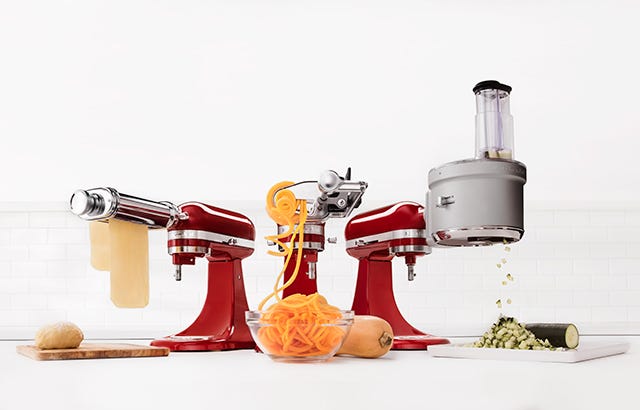
Credit: medium.com
Common Mistakes To Avoid
Mixing flour with liquid using your KitchenAid can seem straightforward, but there are common pitfalls that can affect your dough or batter’s texture and consistency. Avoiding these mistakes ensures you get the best results without wasting ingredients or time. Let’s look at two key errors you should steer clear of to make your mixing process smooth and efficient.
Using The Wrong Attachment
Choosing the incorrect beater can lead to overworked dough or poorly mixed batter. The flat beater is great for most cake batters and cookie doughs, but it’s not ideal for flour and liquid mixtures that need gluten development, like bread dough.
Instead, use the dough hook for flour and liquid blends that require kneading. The dough hook mimics hand kneading, which helps develop gluten without overmixing. Using the flat beater here can result in dense or tough dough.
Incorrect Mixing Order
Adding ingredients in the wrong sequence can cause lumps or uneven hydration of flour. Start by mixing the liquid ingredients first before gradually adding flour. This prevents dry pockets and ensures smooth blending.
Many people add all flour at once, hoping to save time, but that often leads to clumps. Try this approach: add flour slowly while the mixer runs on low speed. This gives you better control over the dough’s consistency.
Cleaning And Maintenance Tips
Keeping your KitchenAid beaters clean and well-maintained is key to ensuring they last long and perform at their best every time you blend flour with liquid. Proper care prevents residue buildup that can affect mixing quality and even flavor. Let’s dive into some simple yet effective cleaning and maintenance tips that you can easily fit into your kitchen routine.
Cleaning The Beaters
After using your KitchenAid beaters, rinse them immediately under warm water to remove any wet flour or batter. This quick step stops ingredients from drying and sticking, which makes cleaning harder later.
If you notice stubborn dough or batter stuck on the beaters, soak them in warm, soapy water for about 10 minutes. Use a soft brush or sponge to gently scrub away residue without scratching the surface.
- Never use abrasive cleaners or steel wool to clean your beaters.
- Dry them thoroughly with a clean towel to prevent rust spots.
- For dishwasher-safe beaters, place them on the top rack for a gentle wash.
Maintaining Kitchenaid Attachments
Attachments like beaters need regular checks to keep them functioning smoothly. After cleaning, inspect the metal for any signs of wear or rust. Catching damage early helps you avoid problems during mixing.
Lubricate any moving parts occasionally with a food-safe lubricant to keep the beaters rotating smoothly. Also, store your attachments in a dry place to protect them from moisture and corrosion.
Have you ever thought about how often you clean your attachments? Regular care not only improves the lifespan but also keeps your kitchen safe from bacterial buildup. Make it a habit to clean and inspect your KitchenAid beaters after every use—it’s a small effort with big rewards.

Credit: www.amazon.in
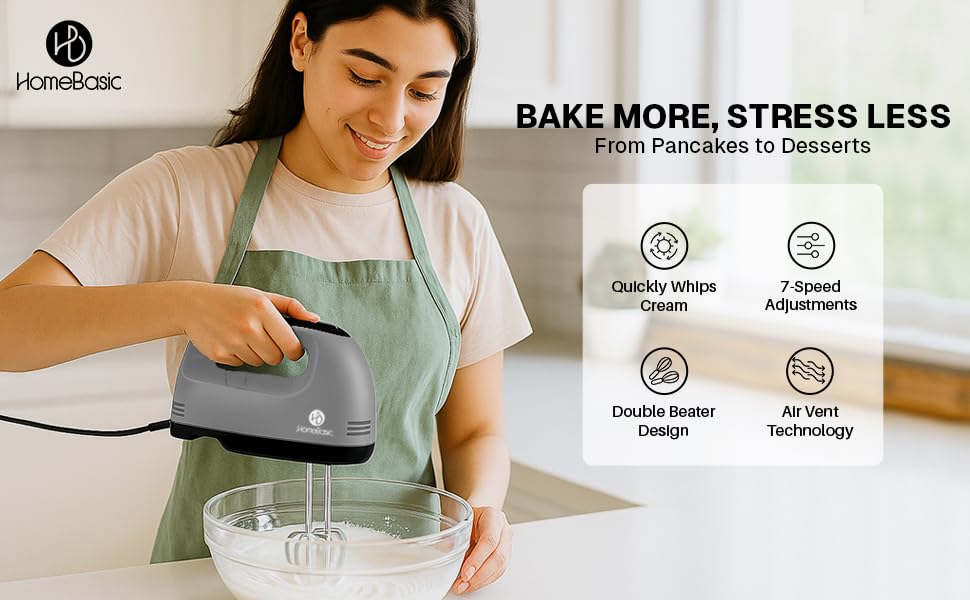
Credit: www.amazon.in
Frequently Asked Questions
What Beater Is Best For Blending Flour With Liquid?
The paddle attachment is best for blending flour with liquid in a KitchenAid. It mixes ingredients evenly without overworking the dough. This beater ensures smooth, lump-free batter, ideal for cakes, cookies, and quick breads.
Can I Use A Whisk Beater For Flour And Liquid?
A whisk beater is not ideal for flour and liquid mixtures. It’s designed for whipping air into liquids, like egg whites or cream. Using it with flour may cause uneven mixing and clumps.
Why Avoid The Dough Hook For Liquid And Flour Mixing?
The dough hook is meant for kneading dense doughs, not liquid batters. It can under-mix or overwork flour and liquid blends. For smooth batter, the paddle attachment is more effective.
How Does The Paddle Beater Affect Flour Consistency?
The paddle beater mixes flour and liquid gently but thoroughly. It prevents over-mixing, maintaining a tender texture. This results in a consistent batter, perfect for baked goods.
Conclusion
Choosing the right KitchenAid beater makes mixing flour and liquid easier. The flat beater works best for most batters and doughs. It blends ingredients smoothly without overworking the mixture. Using the proper attachment saves time and effort in the kitchen.
This simple step helps you bake better every time. Experiment with beaters to find what suits your recipes. Enjoy mixing with confidence and ease.