
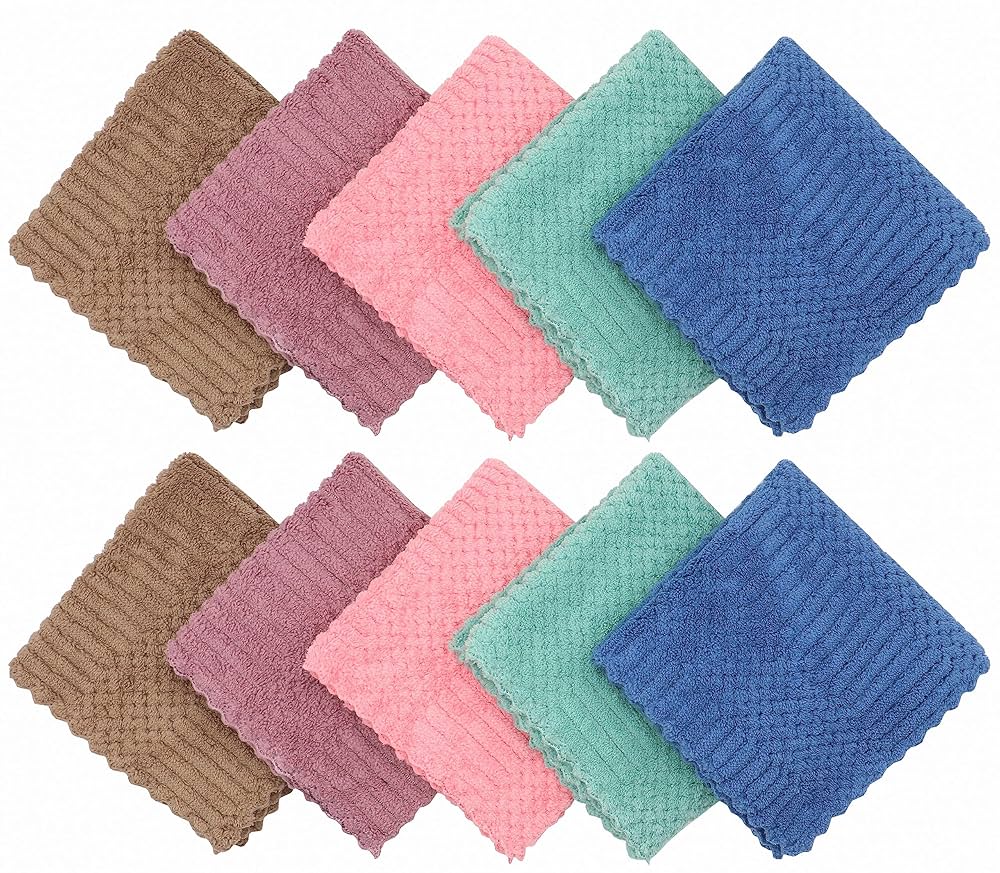
What Colour Cleaning Cloth in Kitchen. Have you ever wondered if the color of your kitchen cleaning cloth really matters? You might think any cloth will do, but choosing the right color can actually make your cleaning safer and more effective.
Imagine avoiding cross-contamination and keeping your kitchen spotless just by using the correct cloth. You’ll discover simple, practical tips on which color cleaning cloth to use and why it matters for your health and hygiene. Keep reading to make your kitchen cleaning smarter and easier than ever before.
Colour Coding Basics
Understanding the basics of colour coding for cleaning cloths in your kitchen can make a big difference in hygiene and efficiency. It helps you avoid cross-contamination and keeps your kitchen safer for food preparation. Let’s break down why the right colours matter and what common codes you should consider.
Why Colour Matters
Using different coloured cloths for specific tasks helps stop germs from spreading. Imagine wiping the countertop with the same cloth you use for cleaning the floor—this can transfer bacteria easily.
Colour coding makes it simple to remember which cloth to use where. It reduces mistakes and saves time because you don’t have to guess or double-check constantly. Have you ever cleaned a cutting board with a cloth that touched raw meat? Colour coding prevents that.
Common Colour Codes
Many kitchens follow a similar colour system to keep things clear and safe. Here’s a basic guide you can use or adapt:
| Colour | Use | Why |
|---|---|---|
| Red | Raw meat areas | Prevents cross-contamination with other foods |
| Blue | General cleaning, like counters and surfaces | Non-food contact areas, versatile use |
| Green | Vegetables and fruit preparation | Avoids mixing with raw meat bacteria |
| Yellow | Cooked food zones | Protects cooked food from contamination |
| White | General purpose or dairy areas | Flexible but should be kept clean and separate |
Have you thought about how many cloths you actually need? Even a small kitchen benefits from keeping at least three colours handy. This simple habit can keep your food safer and your cleaning routine easier.

Credit: www.amazon.com
Colour Choices For Different Areas
Choosing the right colour cleaning cloth for each kitchen area helps keep food safe. Colour coding stops germs from spreading between raw and cooked foods. It also makes cleaning faster and more organized. Using different colours for specific tasks reduces cross-contamination risks.
Red Cloths For Raw Meat
Red cloths are for cleaning surfaces with raw meat. These cloths handle blood and juices safely. Using red keeps these germs separate from other food areas. Always wash red cloths thoroughly after use.
Blue Cloths For General Surfaces
Blue cloths clean general kitchen surfaces. They work on counters, tables, and appliances. Blue cloths are not for food contact areas. They help keep the kitchen tidy without mixing with food zones.
Green Cloths For Vegetables
Green cloths are for washing and cleaning vegetables. They prevent dirt and germs from raw meat reaching fresh produce. Using green cloths keeps fruits and veggies safe and fresh.
Yellow Cloths For Cooked Food Areas
Yellow cloths clean areas where cooked food is handled. They stop germs from raw foods reaching ready-to-eat meals. Yellow cloths keep serving and preparation zones hygienic.
White Cloths For Dairy And Bakery
White cloths are for dairy and bakery sections. They clean surfaces in contact with milk, cheese, and bread. White cloths help maintain cleanliness without mixing with raw or cooked food zones.
Maintaining Hygiene With Cloth Colours
Using different coloured cleaning cloths in the kitchen helps keep areas clean and safe. Each colour can be assigned to specific tasks or zones. This reduces the risk of spreading germs between surfaces.
Clear rules about cloth colours help everyone follow hygiene standards. It makes cleaning easier to organize and ensures cloths are used correctly. This simple step supports overall kitchen cleanliness and food safety.
Preventing Cross-contamination
Colour coding cloths stops germs from moving between kitchen areas. For example, red cloths can be for raw meat areas and green for vegetables. This separation keeps bacteria from raw foods away from ready-to-eat foods.
Staff should always use the correct cloth for each task. Avoid mixing cloths between food prep, cleaning spills, and wiping surfaces. This habit lowers the chance of cross-contamination in the kitchen.
Proper Storage And Handling
Store cloths in clean, dry places to prevent bacteria growth. Use labelled containers or hooks for each colour. This keeps cloths organized and easy to find for the right job.
After use, cloths should be rinsed and left to dry fully. Wet cloths can breed germs quickly. Avoid stacking dirty cloths together to maintain hygiene.
Cleaning And Sanitizing Cloths
Regular washing of cleaning cloths is essential for kitchen hygiene. Use hot water and detergent to remove dirt and germs. Add a disinfectant or bleach for deep cleaning if needed.
Replace cloths that are worn out or stained. Old cloths may not clean well and could spread bacteria. Keeping cloths clean and fresh protects kitchen safety and health.
Choosing The Right Cloth Material
Choosing the right cloth material is essential for effective kitchen cleaning. The material impacts both performance and longevity. Different materials offer unique benefits. Selecting the right one can make cleaning easier and more efficient.
Microfiber Vs Cotton
Microfiber cloths are popular in kitchens. They are known for their softness and high absorbency. Microfiber is excellent for trapping dirt and bacteria. It cleans surfaces without leaving streaks. Cotton cloths are also widely used. They are natural and biodegradable. Cotton is gentle on surfaces but less effective in trapping fine dust.
Durability And Absorbency
Microfiber is more durable than cotton. It withstands frequent washing and retains shape. Microfiber cloths absorb seven times their weight in water. They dry quickly, preventing mold and odors. Cotton cloths are durable but can fray over time. They absorb well but can hold moisture longer. This can lead to a damp smell.
Implementing A Colour Coding System
Implementing a colour coding system in your kitchen is a smart move to keep cleaning processes organized and hygienic. It helps prevent cross-contamination by assigning specific cloth colours to different tasks or areas. This clear visual guide makes it easier for everyone in the kitchen to follow hygiene rules without confusion.
Training Kitchen Staff
Training your team on the colour coding system is essential for success. Make sure each staff member understands which colour corresponds to which cleaning task—for example, red for raw meat areas and blue for general surfaces.
Use simple, hands-on demonstrations rather than just handing out charts. This makes the system easier to remember and apply in busy kitchen environments. Ask your staff questions like, “What cloth would you grab to clean the cutting board after handling chicken?” to reinforce learning.
Labeling And Signage
Clear labels and signs play a crucial role in keeping the colour coding system visible and easy to follow. Place colour-coded labels on cleaning cloth storage areas and cleaning stations.
Signs above sinks and near prep areas remind staff which cloth to use where. This visual reinforcement reduces mistakes, especially during rush hours when quick decisions matter. Think about adding a simple chart near the washing machine showing cloth colours and their designated tasks.
Regular Audits And Checks
Conducting regular audits helps maintain the integrity of your colour coding system. Walk through your kitchen periodically to check if staff use the correct cloths for their tasks.
Use checklists to record observations and provide immediate feedback. If you notice confusion or misuse, address it promptly with additional training or clearer signage. How often do you review your cleaning practices? Consistency here can drastically reduce hygiene risks.

Credit: www.amazon.com
Common Mistakes To Avoid
Using the right colour cleaning cloth in your kitchen is more than just a neat trick—it’s a key step in keeping your space hygienic and safe. Yet, many people slip up by making avoidable mistakes that reduce the effectiveness of their cleaning routine. Let’s look at some common errors and how you can steer clear of them.
Mixing Cloths Across Areas
Have you ever grabbed a cloth from the counter and used it on the floor without thinking? This habit spreads germs quickly because each kitchen area needs its own designated cloth. For example, a cloth used on raw meat surfaces should never touch the dining table.
Keeping separate cloths for different zones stops cross-contamination. You might find it helpful to keep cloths in labelled containers or hooks near their specific use areas.
Ignoring Colour Codes
Colour codes exist for a reason—they help you remember which cloth goes where. Ignoring these can lead to confusion and unsafe cleaning. If you use the red cloth for both cutting boards and countertops, you risk transferring bacteria from raw food to ready-to-eat surfaces.
Try setting up a simple chart for your family or staff to follow. This small step can save you from big hygiene headaches later on.
Reusing Dirty Cloths
It’s tempting to reuse a cloth just once or twice, but dirty cloths become breeding grounds for germs. Using a grimy cloth spreads more bacteria than it cleans. I once learned this the hard way when a persistent kitchen smell vanished only after I replaced all my old, smelly cloths.
Make it a habit to wash cloths after each use or switch to disposable options if frequent laundering isn’t possible. Your kitchen will feel fresher, and your health will thank you.

Credit: www.amazon.com
Frequently Asked Questions
What Colour Cleaning Cloth Is Best For Kitchen Surfaces?
Blue cloths are ideal for general kitchen surfaces. They help prevent cross-contamination by being designated for non-food contact areas. Using blue cloths keeps cleaning organized and hygienic in your kitchen.
Why Use Different Coloured Cloths In The Kitchen?
Different colours prevent cross-contamination by assigning cloths to specific tasks. For example, red for raw meat areas, green for vegetables, and yellow for cleaning spills. This system ensures hygiene and safety in food preparation zones.
Can I Use One Cloth For All Kitchen Cleaning?
Using one cloth increases contamination risk. Different cloths for various tasks maintain hygiene. Colour-coding cloths helps keep food preparation safe by reducing bacteria spread.
How Often Should Kitchen Cleaning Cloths Be Replaced?
Replace cloths regularly, ideally every few days or when visibly dirty. Frequent washing and replacement prevent bacteria buildup. Clean cloths ensure a safe and hygienic kitchen environment.
Conclusion
Choosing the right colour for kitchen cloths keeps your space clean and safe. Each colour helps avoid mixing germs between areas. Red for raw meat, green for veggies, blue for dishes—simple rules to follow. This small step stops bacteria from spreading.
It also makes cleaning easier and faster. Remember, using the right cloth colour protects your family’s health. Keep your kitchen organised with this easy habit. Clean smarter, not harder.