

Have you ever wondered how to keep your kitchen safe from unexpected fires? A kitchen heat detector might be the answer you didn’t know you needed.
Unlike regular smoke alarms, these devices are designed to sense dangerous heat levels quickly, giving you extra time to act before a small flare-up turns into a disaster. If you care about protecting your home and loved ones, understanding what a kitchen heat detector is and how it works can make all the difference.
Keep reading to discover why this simple device could become your kitchen’s best safety upgrade.
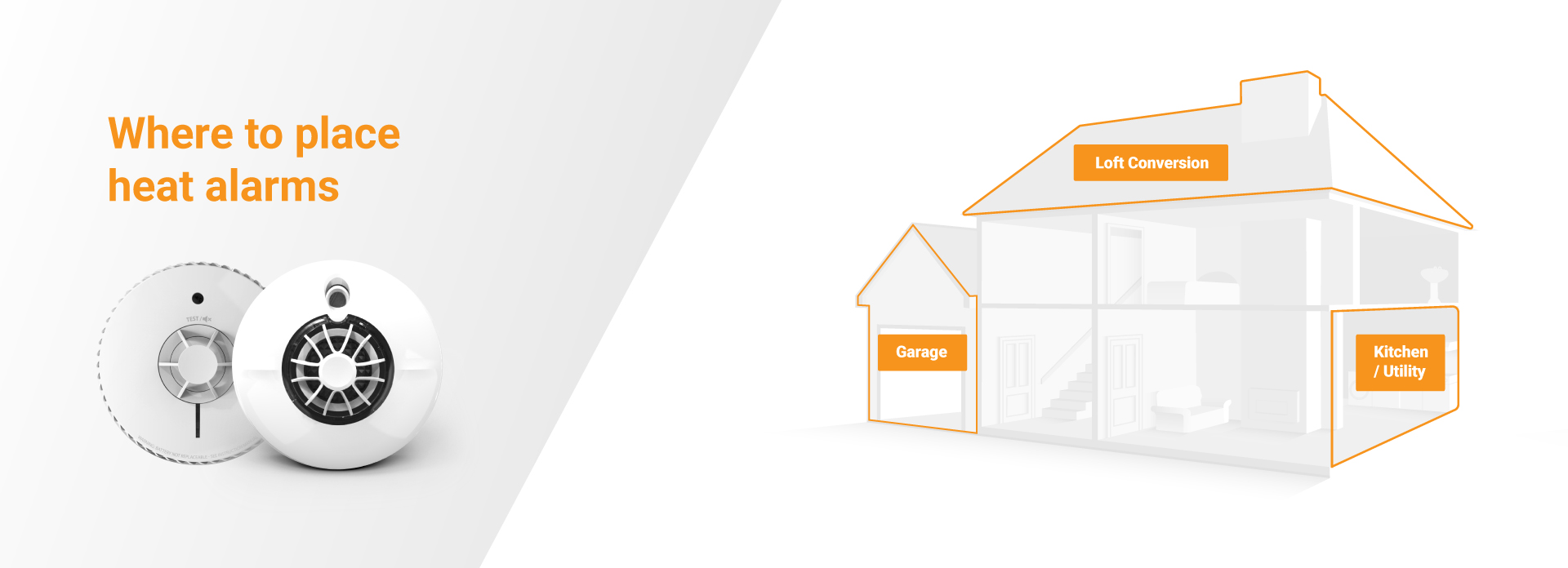
Credit: www.fireangel.co.uk
Kitchen Heat Detector Basics
Understanding the basics of a kitchen heat detector can help you decide if it’s the right safety device for your home. Unlike smoke detectors, these devices focus on sensing temperature changes that indicate a fire rather than detecting smoke particles. This makes them especially useful in kitchens, where cooking fumes can often trigger false alarms.
How It Works
A kitchen heat detector monitors the temperature within its environment. It triggers an alarm when the temperature rises rapidly or reaches a specific set point, usually around 135°F (57°C) or higher.
This rapid rise in heat is a sign of fire, allowing the detector to alert you quickly. Because it doesn’t react to smoke, it reduces false alarms caused by steam or burnt toast. Think about how many times you’ve had to silence a smoke alarm while cooking — a heat detector can solve that problem.
Key Features
- Temperature Sensitivity:Detects sudden temperature increases or fixed high temperatures.
- False Alarm Resistance:Minimizes false alarms from smoke or steam common in kitchens.
- Easy Installation:Can be mounted on ceilings or walls near cooking areas.
- Durability:Designed to withstand kitchen conditions like humidity and grease.
- Alarm System:Loud sound alerts to ensure you notice the warning immediately.
Have you considered how a heat detector could change your approach to kitchen safety? It’s worth thinking about how these features might fit your lifestyle and protect your home more reliably than traditional smoke alarms in this tricky environment.

Credit: www.firedetectionshop.co.uk
Why Kitchens Need Heat Detectors
Your kitchen is one of the most active spaces in your home, bustling with cooking, heating, and sometimes, unexpected sparks. This activity increases the risk of fire, making safety measures crucial. Heat detectors are designed to sense rising temperatures, offering a reliable way to protect your kitchen and home from fire hazards.
Common Kitchen Fire Causes
Kitchens face unique fire risks because of the variety of heat sources and flammable materials present. Some of the most frequent causes include:
- Unattended cooking:Leaving pots or pans on the stove without supervision can easily lead to a fire.
- Grease buildup:Grease in ovens, stovetops, or vents can ignite quickly and spread flames.
- Electrical appliances:Faulty or overheated kitchen gadgets sometimes spark fires.
- Open flames:Candles or gas burners can accidentally ignite nearby items.
Recognizing these hazards can help you understand why specialized fire detection is essential in the kitchen.
Limitations Of Smoke Detectors In Kitchens
Smoke detectors are common in homes but often struggle in kitchen environments. Cooking generates steam, smoke, and even small amounts of smoke from burnt food, which can cause frequent false alarms.
These false alarms often lead to disabling the smoke detector, which is risky. Moreover, smoke detectors react only after smoke is already present, which can delay fire detection.
Heat detectors, on the other hand, respond to temperature changes rather than smoke, reducing false alarms and providing faster warnings in kitchens. Have you ever ignored a smoke alarm because it went off every time you cooked? Heat detectors solve that problem.
Types Of Kitchen Heat Detectors
Understanding the types of kitchen heat detectors can help you choose the right safety device for your home or business. These detectors respond differently to heat changes, ensuring timely alerts to potential fire hazards. Knowing how each type works allows you to protect your kitchen more effectively.
Fixed Temperature Detectors
Fixed temperature detectors activate when the heat reaches a specific, preset level. For example, if the temperature hits 135°F (57°C), the detector triggers an alarm.
This type works well in kitchens because it avoids false alarms from normal cooking heat. It stays silent during regular fluctuations but reacts quickly if a fire starts to spread.
Have you ever wondered why some alarms don't go off when you're just frying food? That’s often because fixed temperature detectors ignore normal cooking temperatures until a dangerous point is reached.
Rate-of-rise Detectors
Rate-of-rise detectors monitor how quickly the temperature changes rather than the actual temperature itself. If the temperature climbs rapidly—usually 12°F (6.7°C) or more per minute—it sets off the alarm.
This makes them ideal for catching sudden fires early, even if the overall temperature hasn't reached a high point yet. They’re sensitive to rapid changes that indicate a real emergency.
Imagine leaving a pan unattended and suddenly smoke starts pouring out. A rate-of-rise detector would likely detect this faster than a fixed temperature type, giving you crucial extra moments to act.
Installation Tips
Installing a kitchen heat detector correctly is vital for safety. Proper installation ensures early fire detection, protecting your home. Follow these simple tips for effective placement and setup.
Best Locations
Place the detector on the ceiling, near the center of the kitchen. This position helps detect rising heat quickly. Avoid placing it in corners or behind furniture. These spots can hinder heat detection. Ensure the detector is away from windows and vents. Direct airflow can cause inaccurate readings.
Avoiding False Alarms
Keep the detector away from cooking appliances. This includes ovens and stoves. Heat from these appliances can trigger false alarms. Install the detector at least five feet from cooking areas. This distance reduces false alarms while maintaining safety.
Maintenance And Testing
Maintaining and testing your kitchen heat detector is essential to ensure it functions correctly when you need it most. Neglecting this can lead to false alarms or, worse, failure to detect a dangerous heat build-up. Regular upkeep not only extends the life of your device but also keeps your kitchen safe.
Routine Checks
Check your heat detector at least once a month. Look for any visible damage or dust buildup that could affect its performance. Test the alarm by pressing the test button—if it doesn’t sound, it’s time for a replacement or professional inspection.
Think about how often you test other safety devices in your home. Could a simple monthly check prevent a costly mistake? Your kitchen heat detector deserves the same attention as your smoke alarm.
Cleaning Procedures
Keeping your heat detector clean ensures it can sense temperature changes accurately. Use a soft brush or a vacuum with a brush attachment to gently remove dust and debris from the sensor and vents.
Avoid using water or cleaning sprays directly on the detector to prevent damage. If you notice stubborn grime, a slightly damp cloth can be used on the exterior casing only. Remember, a clean detector is a reliable detector.
Integrating With Home Safety Systems
Integrating a kitchen heat detector with home safety systems enhances overall protection. It allows for immediate alerts and coordinated responses during emergencies. Proper integration ensures the detector works well with other devices in the house.
Smart Home Compatibility
Many kitchen heat detectors connect easily with smart home platforms. This compatibility lets users control and monitor detectors via smartphones or voice commands. It supports popular systems like Amazon Alexa and Google Home.
Smart home integration enables features such as:
- Real-time notifications to your phone
- Remote silence or reset of alarms
- Automatic activation of other safety devices
Alarm Connectivity
Kitchen heat detectors often link with home alarm systems for quick alerts. When the detector senses heat above a set limit, it triggers the entire alarm network. This connection helps warn everyone inside the house immediately.
Alarm connectivity can include:
- Sounding all alarms in the home
- Notifying emergency services automatically
- Activating security cameras or lights

Credit: www.fireangel.co.uk
Frequently Asked Questions
What Is A Kitchen Heat Detector?
A kitchen heat detector is a safety device designed to sense high temperatures. It helps prevent false alarms from cooking smoke. It activates an alarm when heat exceeds a set threshold, alerting occupants to potential fires.
How Does A Kitchen Heat Detector Work?
It monitors temperature changes in the kitchen environment. When the heat rises rapidly or reaches a specific limit, the detector triggers an alarm. This helps detect fires quickly, even if smoke levels are low.
Why Choose A Heat Detector Over Smoke Alarms In Kitchens?
Smoke alarms often cause false alarms due to cooking fumes. Heat detectors respond only to temperature increases, reducing false alerts. This makes them ideal for kitchens where steam and smoke are common.
Can Kitchen Heat Detectors Prevent Kitchen Fires?
While they don’t stop fires, heat detectors provide early warnings. This helps people act quickly to control or extinguish fires. Early detection reduces property damage and enhances safety.
Conclusion
A kitchen heat detector helps keep your home safe from fires. It senses heat changes and alerts you quickly. Unlike smoke alarms, it avoids false alarms from cooking smoke. Installing one can protect your family and property. It works quietly but effectively in busy kitchens.
Regular checks ensure it stays reliable and ready. Choosing the right detector means peace of mind every day. Safety starts with small steps like this simple device. Stay prepared, stay safe.