
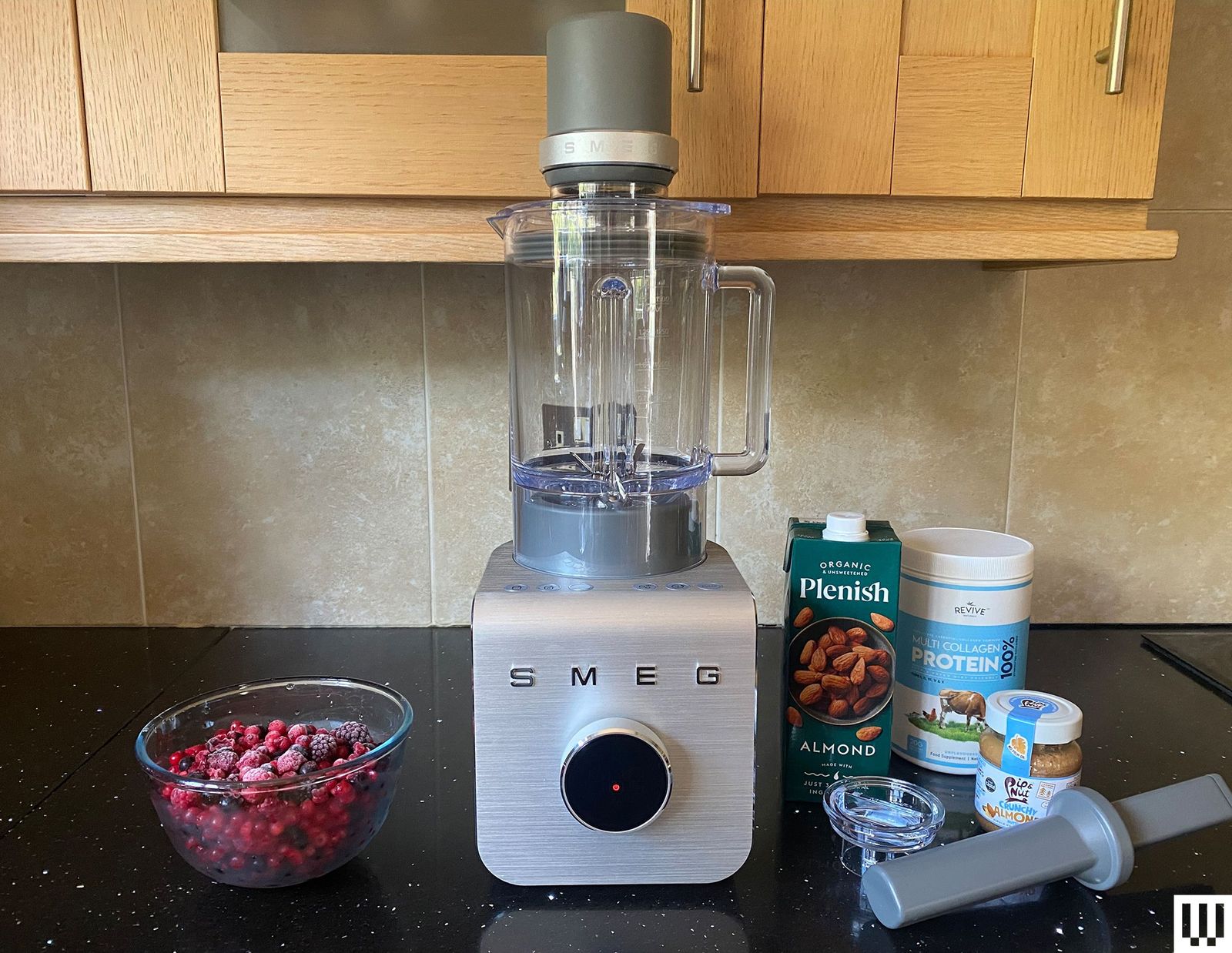
Have you ever wondered how a simple kitchen gadget can transform your cooking experience? A blender is more than just a tool for making smoothies.
It can save you time, add creativity to your meals, and even help you eat healthier. Whether you want to whip up delicious sauces, crush ice for refreshing drinks, or prepare quick soups, understanding what a blender is used for in the kitchen can unlock countless possibilities.
Keep reading, and you’ll discover how this one appliance can become your new favorite helper every day.
:max_bytes(150000):strip_icc()/faw-blender-sep-24-test-vitamix-explorian-310-rkilgore-1140-1-1b7741df57004b8d8c2221b29a81c92c.jpeg)
Credit: www.foodandwine.com
Blender Basics
Understanding blender basics helps you use it well in the kitchen. A blender is a versatile tool. It can chop, mix, and puree foods quickly. It saves time and effort during cooking. Knowing the types and features of blenders helps you pick the right one.
Types Of Kitchen Blenders
- Countertop Blenders:Common and powerful. Great for smoothies and soups.
- Immersion Blenders:Handheld and easy to use in pots. Perfect for small tasks.
- Personal Blenders:Small and portable. Ideal for single servings and quick blends.
- High-Performance Blenders:Strong motors and sharp blades. Can crush ice and tough ingredients.
Key Features To Know
- Blade Type:Stainless steel blades last longer and blend better.
- Motor Power:Higher watts mean faster and smoother blending.
- Speed Settings:Multiple speeds allow control for different textures.
- Jar Material:Glass jars resist stains and odors better than plastic.
- Ease of Cleaning:Removable blades and dishwasher-safe parts save time.
Smoothies And Drinks
Blenders are essential tools for making a variety of drinks in the kitchen. They blend ingredients smoothly, saving time and effort. Smoothies and drinks come alive with fresh flavors and textures thanks to the blender’s power. This section explores popular uses like fruit and vegetable smoothies, cocktails and mocktails, and protein shakes.
Fruit And Vegetable Smoothies
Blenders quickly mix fruits and vegetables into smooth, tasty drinks. They break down tough fibers for easy digestion. Common ingredients include berries, bananas, spinach, and carrots. Smoothies serve as healthy snacks or meal replacements. You can control sweetness and add vitamins or supplements. Perfect for busy mornings or post-workout refreshment.
Cocktails And Mocktails
Blenders create perfectly mixed cocktails and mocktails. Ice, fruits, and juices blend evenly for smooth texture. Frozen drinks like margaritas and daiquiris become easy to make. Mocktails get the same fresh taste without alcohol. A blender helps mix flavors and chill drinks fast. Great for parties, family gatherings, or relaxing evenings.
Protein Shakes
Protein shakes mix powders with liquids thoroughly in seconds. Blenders remove clumps and create creamy textures. Add fruits, nuts, or seeds for extra flavor and nutrition. Ideal for fitness lovers and those needing quick nutrition. They support muscle recovery and keep energy levels high. A blender makes healthy shakes simple and enjoyable.
Food Preparation
Blenders are a versatile tool in the kitchen, especially when it comes to food preparation. Whether you're crafting a silky soup or prepping homemade baby food, a blender can make your culinary tasks easier and more efficient. With a few quick pulses, you can transform ingredients into delightful dishes with textures and flavors that might otherwise be difficult to achieve. Let's dive into some specific ways you can use a blender for food preparation.
Pureeing Soups And Sauces
Creating the perfect texture for soups and sauces is a breeze with a blender. Imagine whipping up a creamy tomato soup or a rich hollandaise sauce in seconds. Simply blend cooked ingredients until smooth, and you have a restaurant-quality dish at home.
Remember that blenders can handle both hot and cold ingredients. Just be cautious when blending hot liquids—it's best to let them cool slightly or use a blender with a vented lid to prevent pressure build-up.
Making Baby Food
Making your own baby food ensures you know exactly what your little one is eating. A blender allows you to puree fruits, vegetables, and even grains to the perfect consistency for tiny tummies.
Try blending steamed carrots or apples for a nutritious and smooth baby food option. It's an excellent way to introduce diverse flavors while maintaining nutritional value.
Chopping And Grinding
Blenders aren't just for liquids—they can also chop and grind. You can quickly chop nuts, grind coffee beans, or even turn oats into flour. It's like having multiple tools in one.
Have you ever tried grinding spices for a homemade curry? A blender can help you achieve the perfect spice mix, enhancing the flavors of your dishes significantly. What's your favorite ingredient to grind?
:max_bytes(150000):strip_icc()/sea-food-processors-aug-24-test-breville-16-cup-sous-chef-peel-dice-nsimpson-480-4457ffbc2b504170a6209e98e9992e11.jpeg)
Credit: www.seriouseats.com
Baking And Cooking
Baking and cooking often need precise mixing and blending. A blender helps to combine ingredients smoothly and quickly. It saves time and effort in the kitchen. From simple batters to complex sauces, it handles many tasks with ease.
Mixing Batter And Dough
Blenders mix batter evenly for cakes, pancakes, and muffins. They break down lumps and create smooth mixtures. Some models can also handle light doughs for bread or pizza. This makes baking faster and less messy.
Emulsifying Dressings And Mayonnaise
Blenders blend oil and vinegar or other liquids to make dressings. They create creamy mayonnaise by mixing eggs and oil in seconds. The result is a smooth and stable emulsion, perfect for salads and sandwiches.
Crushing Ice And Frozen Ingredients
Blenders crush ice and frozen fruits easily. This is helpful for cold desserts and smoothies. They turn hard ingredients into fine pieces, enhancing texture and flavor. It adds a refreshing touch to meals and drinks.
Creative Kitchen Uses
Blenders are more than just tools for making smoothies. They open up a world of creative possibilities right in your kitchen. With a blender, you can experiment with textures and flavors that bring fresh, homemade goodness to your meals.
Making Nut Butters
Have you ever thought about making your own nut butter? A blender can turn almonds, peanuts, or cashews into smooth, creamy spreads in minutes. You control the ingredients, so there’s no added sugar or preservatives—just pure nuts.
Start with roasted nuts, then blend on high until the oils release and the texture becomes creamy. You can add a pinch of salt or a drizzle of honey to customize the taste. It’s a simple way to enjoy a healthier, tastier alternative to store-bought options.
Preparing Homemade Spreads
Blenders make it easy to whip up fresh spreads that add personality to your sandwiches or snacks. Think roasted red pepper hummus, avocado spreads, or even tomato basil pesto. You can blend ingredients in seconds and adjust flavors to your liking.
Using fresh ingredients means your spreads will taste vibrant and natural. Have you tried experimenting with unexpected ingredients, like sun-dried tomatoes or roasted garlic? These blends bring depth and richness that pre-made jars can’t match.
Blending Herbs And Spices
Grinding fresh herbs and spices in a blender releases their full aroma and flavor. This method is faster and often more effective than traditional grinding tools. Imagine turning fresh basil, garlic, and chili into a quick chimichurri or pesto sauce with ease.
Using your blender this way can elevate everyday meals. Why settle for dried herbs when fresh blends can brighten up your dishes? Try it out and see how much more vibrant your cooking can become.
Maintenance Tips
Keeping your blender in top shape ensures it works efficiently and lasts longer. Regular maintenance saves you from unexpected breakdowns and keeps your kitchen tasks smooth. Here’s how you can take care of your blender with simple yet effective maintenance tips.
Cleaning Techniques
Clean your blender right after use to prevent food from sticking and causing odors. Fill the blender halfway with warm water and add a drop of dish soap. Run it on low speed for 30 seconds, then rinse thoroughly with clean water.
For stubborn stains or smells, blend a mixture of baking soda and water or use lemon juice. Avoid immersing the base or motor in water; wipe it with a damp cloth instead. Keeping your blender clean also helps avoid bacteria buildup.
Blade Care
Blades are the heart of your blender and need extra attention. After cleaning, dry the blades carefully to prevent rusting. If you notice dull blades, you can sharpen them with a blade sharpener or replace them if necessary.
Be cautious when handling blades—they’re sharp and can cause injury. Check for any cracks or damage regularly, as damaged blades can reduce blending efficiency and may be unsafe to use.
Storage Suggestions
Store your blender in a dry place to avoid moisture damage. Keep the lid off or slightly ajar to allow air circulation and prevent mold growth inside the jar. If you have limited counter space, consider storing the blender disassembled to protect the blades.
Do you know that keeping your blender unplugged when not in use can also protect it from electrical surges? Simple storage habits can extend the life of your appliance more than you might expect.
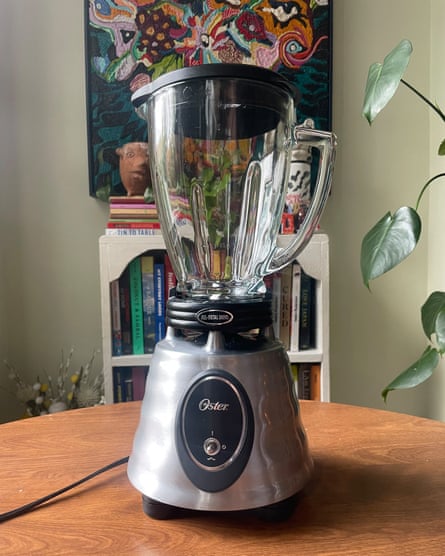
Credit: www.theguardian.com
Frequently Asked Questions
What Is A Blender Used For In The Kitchen?
A blender is used to mix, puree, and emulsify food ingredients. It helps create smoothies, soups, sauces, and dressings quickly and efficiently.
Can A Blender Crush Ice For Kitchen Recipes?
Yes, many blenders can crush ice. This feature is ideal for making frozen drinks, smoothies, and chilled desserts at home.
How Does A Blender Improve Meal Preparation?
A blender speeds up meal prep by quickly processing ingredients. It reduces chopping time and helps achieve smooth textures easily.
Is A Blender Useful For Making Sauces And Dips?
Absolutely. Blenders create smooth sauces, dips, and spreads by blending ingredients evenly, enhancing flavor and consistency in recipes.
Conclusion
A blender helps you prepare many kitchen dishes fast. It can chop, mix, and blend ingredients easily. Smoothies, soups, and sauces become simple to make. It saves time and effort while cooking. Everyone can use a blender, no special skills needed.
Owning one adds convenience to your daily meals. Try using a blender to enjoy fresh and tasty food.