
Have you ever wondered how your kitchen can become more efficient and safer while cooking? Understanding what induction in the kitchen means could change the way you prepare meals every day.
Imagine cooking faster, saving energy, and keeping your countertop cool to the touch—all at the same time. This simple yet powerful technology might be exactly what your kitchen needs. Keep reading to discover how induction works and why it could be the game-changer for your cooking routine.
Credit: palmetto.com
Induction Cooking Basics
Understanding the basics of induction cooking can change the way you approach meal preparation. It offers a smart, efficient alternative to traditional gas or electric stoves. Once you grasp how it functions and what makes it unique, you might find yourself wondering why you didn’t switch sooner.
How Induction Works
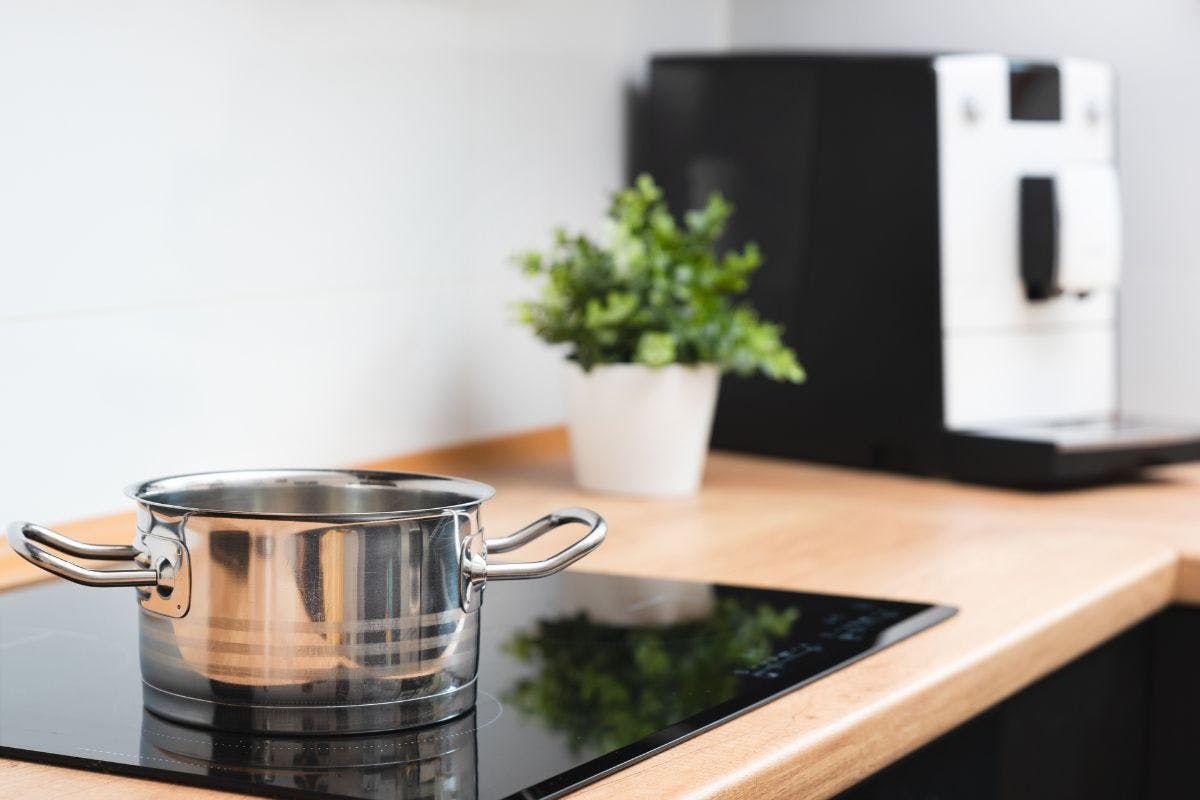
Induction cooking uses electromagnetic fields to heat your cookware directly. Instead of heating the cooktop surface, it generates heat inside the pot or pan. This means the cooking surface stays cooler and energy isn't wasted heating the air around the pan.
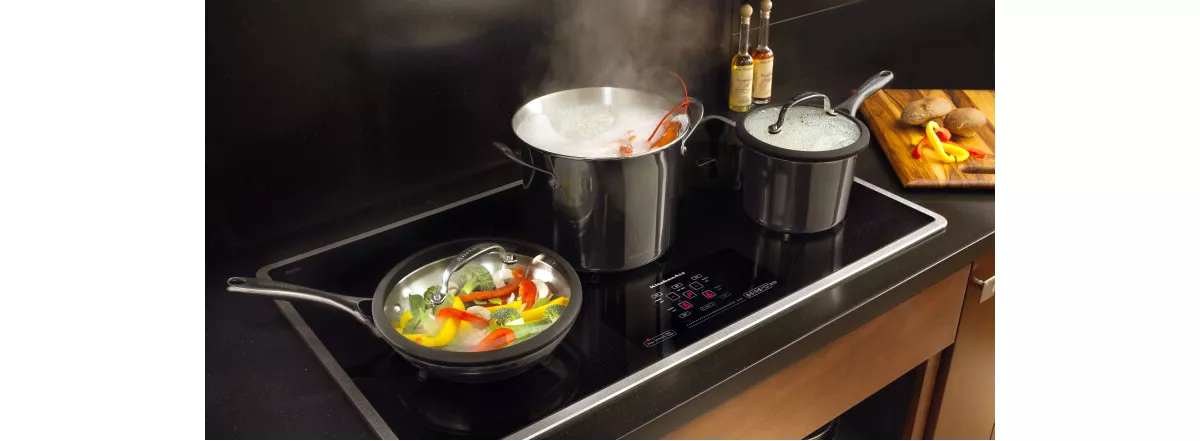
Have you ever noticed how fast water boils on an induction stove? That’s because the heat transfers almost instantly to your pot. This method also offers precise temperature control, so you can simmer or sear with confidence.
Key Components
The main parts of an induction cooktop include the coil, the cooktop surface, and the control panel. The coil beneath the surface creates the magnetic field. The surface is usually made from durable glass-ceramic, which stays relatively cool during cooking.
Your cookware also plays a crucial role. It must be magnetic—like cast iron or some stainless steels—to work properly. Non-magnetic pans won’t heat up, so checking your pots before buying a cooktop can save you frustration.
Types Of Induction Cooktops
- Built-in Induction Cooktops:These are installed into your kitchen counter, offering a sleek look and multiple cooking zones.
- Freestanding Induction Ranges:Combining an oven and cooktop, these units fit into standard stove spaces for those who want an all-in-one appliance.
- Portable Induction Cookers:Compact and lightweight, they’re perfect for small kitchens or extra cooking space when needed.
Which type fits your lifestyle best? Consider your kitchen size, cooking habits, and budget before deciding. The right choice can make cooking easier and more enjoyable every day.
Benefits Of Induction Cooking
Induction cooking offers many benefits that improve your kitchen experience. It uses magnetic energy to heat pots and pans directly. This method changes how cooking feels and works in your home. The benefits range from saving energy to making cleaning easier. Here are some key advantages of induction cooking.
Energy Efficiency
Induction stoves use less energy than gas or electric stoves. Heat goes straight to the cookware, not the air. This means less energy waste and lower bills. It also means faster cooking without using extra power.
Speed And Precision
Induction cooking heats food quickly and evenly. You can control the temperature in small steps. This helps avoid burning or undercooking meals. The fast response makes cooking more precise and enjoyable.
Safety Features
Induction cooktops stay cool to the touch. Only the pan gets hot, reducing burn risks. Many models have automatic shut-off and child locks. This makes them safer for families and busy kitchens.
Easy Cleaning
The smooth glass surface of induction cooktops is easy to clean. Spills do not burn onto the surface because it stays cool. Just wipe with a cloth to keep it shiny and neat. No scrubbing needed.
Choosing The Right Induction Cookware
Choosing the right induction cookware is crucial for efficient cooking. Induction cooktops require specific materials to function effectively. Not all cookware works on induction stoves. Let’s explore the key factors to consider when selecting induction cookware.
Compatible Materials
Induction cooktops work with magnetic materials. Stainless steel and cast iron are ideal choices. Avoid using glass, copper, or aluminum unless they have a magnetic base. Check for an induction-compatible symbol on the cookware.
Cookware Size And Shape
Choose cookware that matches your cooktop's size. A flat bottom ensures even heat distribution. Oversized or undersized pans can affect cooking efficiency. Cookware should sit flat without wobbling.
Testing Cookware For Induction
Use a magnet to test cookware compatibility. If it sticks strongly, the cookware is suitable. Weak magnetic attraction means it may not work well. Always verify before purchasing new cookware.
Installation And Setup
Installing an induction cooktop requires careful planning and preparation. Proper setup ensures safety and optimal performance. Understanding space and power needs helps avoid problems later. Choosing between professional and DIY installation affects results. Avoiding common mistakes protects your investment and kitchen.
Space And Power Requirements
Induction cooktops need enough countertop space for proper fit. Measure your kitchen area before buying. Ensure the surface is flat and sturdy. Ventilation is important to prevent overheating.
Power supply must match the cooktop's voltage and amperage. Most induction units need a dedicated 220-240V circuit. Check your home's electrical panel for capacity. Use suitable wiring and breakers to avoid hazards.
Professional Vs Diy Installation
Professional installers have experience and tools for safe setup. They ensure electrical connections meet local codes. Professionals reduce risk of damage or injury.
DIY installation can save money but requires skill. Follow the manufacturer’s instructions carefully. Verify power compatibility and secure the cooktop correctly. Mistakes can cause electrical faults or void warranties.
Common Installation Mistakes
- Ignoring power requirements and using incorrect wiring
- Placing the cooktop too close to walls or cabinets
- Failing to secure the unit firmly in place
- Neglecting ventilation, causing overheating
- Not grounding the electrical connection properly
Pay attention to these issues to ensure a smooth induction cooktop installation.
Cooking Techniques On Induction
Cooking on an induction stove introduces a new level of precision and speed to your kitchen routine. The way induction heats cookware directly allows you to control temperature with exceptional accuracy. This control opens up fresh opportunities for cooking techniques that might be tricky on traditional gas or electric stoves.
Temperature Control Tips
Induction cooktops respond instantly when you adjust the heat, making it easier to avoid burning or undercooking food. Start with lower settings for delicate tasks like melting chocolate or simmering sauces, and gradually increase heat when searing or boiling.
Keep in mind that the numbers on the dial don’t always match traditional stove heat levels. Pay attention to how your food reacts rather than the setting itself. Watching the oil shimmer or bubbles form can guide you better than numbers alone.
Best Recipes For Induction
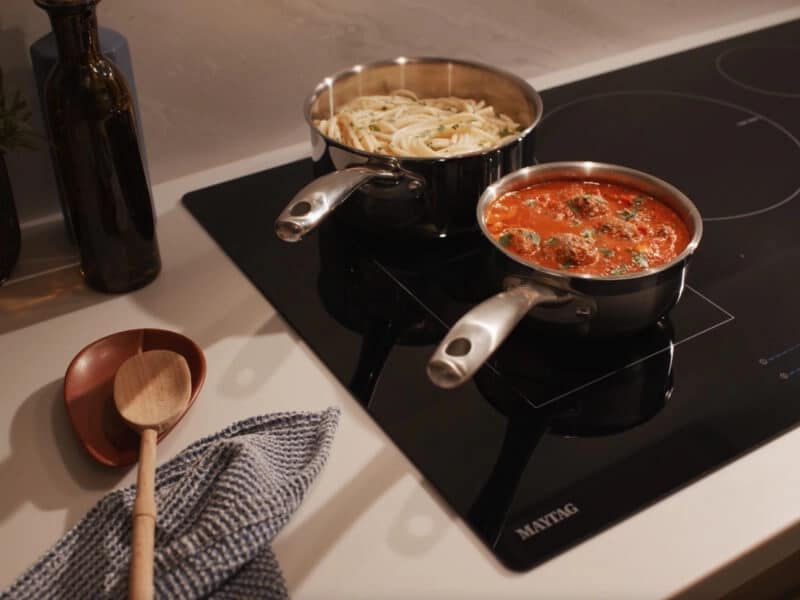
Induction cooking excels with recipes requiring quick temperature changes and precise heat control. Stir-fries are perfect because you can rapidly switch between high heat for searing and lower heat for gentle cooking.
Soups and sauces also benefit, as you can maintain a steady simmer without worrying about scorching. Even homemade yogurt becomes simpler since you can keep milk at a consistent warm temperature without overheating.
Avoiding Common Pitfalls
One common mistake is using cookware that isn’t induction-compatible. Your pan must be magnetic to work properly, so test with a magnet before buying or cooking.
Another pitfall is overheating empty pans. Induction heats very quickly, so turning on the burner without food can damage both the cookware and cooktop. Always add oil or ingredients before turning the heat up.
Lastly, avoid sliding pots aggressively across the surface to prevent scratches. Lift and place them gently to keep your cooktop looking new for longer.
Credit: www.maytag.com
Maintenance And Troubleshooting
Keeping your induction cooktop in top shape ensures it works efficiently and lasts longer. Regular maintenance helps you avoid unexpected breakdowns and keeps cooking safe. Troubleshooting minor issues by yourself can save time and money, but knowing when to seek professional help is equally important.
Cleaning Tips
Clean your induction cooktop after every use to prevent stains and residue buildup. Use a soft cloth or sponge with warm, soapy water—avoid abrasive cleaners that can scratch the surface.
For tough spots, a small amount of white vinegar or a specialized induction cooktop cleaner works well. Always dry the surface thoroughly to prevent water spots and maintain its sleek look.
Remember, spilled sugar or food with high sugar content can damage the glass surface if not cleaned immediately. Have you ever noticed how a quick wipe after cooking makes the next meal prep more enjoyable?
Handling Errors And Faults
If your induction cooktop shows an error code or doesn’t heat properly, start by checking the basics. Make sure the cookware is induction-compatible and properly centered on the cooking zone.
Sometimes, the cooktop’s sensor may detect overheating. Let it cool down before trying again. Unplug the appliance for a few minutes to reset it if the error persists.
Have you tried checking your user manual’s troubleshooting section? It often lists common error codes and simple fixes that can get you cooking again quickly.
When To Call A Technician
If your induction cooktop continues to display errors or fails to turn on despite basic troubleshooting, it’s time to call a professional. Electrical faults, damaged control panels, or internal component failures require expert attention.
A technician can safely diagnose and repair issues, preventing further damage or safety risks. Don’t ignore strange smells, sparks, or unusual noises—these are signs you need immediate help.
Knowing when to seek professional support protects your investment and keeps your kitchen safe. What would you do if your induction cooktop suddenly stopped working during a busy cooking session?
Comparing Induction With Other Methods
Induction cooking stands out for its efficiency and safety. Comparing it with other popular cooking methods helps understand its benefits and limits. Gas and electric cooking remain common choices in many kitchens. Each method offers unique features that affect cooking style, speed, and cost.
Induction Vs Gas
Induction heats pots directly using magnetic fields. Gas flames heat the air around the pan, causing some energy loss.
- Induction heats faster and cools down quickly after use.
- Gas offers visible flame control and works with all cookware.
- Induction requires compatible metal pots and pans.
- Gas allows cooking during power outages.
- Induction is safer with no open flame or gas leaks.
Induction Vs Electric
Electric cooktops use heated coils or smooth tops to transfer heat. Induction uses electromagnetic energy for direct heating.
- Induction heats food faster than electric cooktops.
- Electric cooktops have slower temperature changes.
- Induction surfaces remain cooler, reducing burn risks.
- Electric cooktops work with any type of cookware.
- Induction cooktops often have more precise temperature control.
Cost Analysis
| Factor | Induction | Gas | Electric |
|---|---|---|---|
| Initial Cost | Higher due to technology and special cookware | Moderate for stove, lower for cookware | Lower initial cost, wide cookware choice |
| Energy Efficiency | Very efficient with less heat loss | Less efficient, heat escapes to air | Moderate efficiency, slower heating |
| Operating Cost | Lower electricity use balances higher price | Cost depends on gas prices and usage | Electricity cost varies, can be higher |
| Maintenance | Easy to clean, fewer parts to repair | Regular cleaning and gas checks needed | Simple cleaning, occasional element replacement |
Credit: www.maytag.ca
Future Of Induction Cooking
The future of induction cooking is shaping up to be dynamic and full of innovation. As technology advances, induction cooktops are becoming smarter, more efficient, and environmentally friendly. This means your kitchen could soon be more connected and sustainable than you ever imagined.
Emerging Technologies
New induction cooktops are integrating advanced materials that heat faster and maintain temperature more precisely. Some models now include flexible cooking zones, allowing you to cook with pots of all shapes and sizes. Imagine not having to worry if your pan fits perfectly on the burner.
Beyond hardware, researchers are exploring wireless energy transfer for induction cooking, which could eliminate the need for direct contact between the pan and cooktop. This could change how you arrange your kitchen and use cookware entirely.
Smart Features
Induction cookers are becoming part of the smart home ecosystem. You can now control your cooktop remotely via smartphone apps, set cooking timers, and receive alerts when your food is ready. This adds convenience and helps you avoid overcooking or burning meals.
Some smart induction models use sensors to detect the type of food and adjust heat settings automatically. Have you ever wished your stove could just know the perfect temperature for your dish? This technology is getting closer to making that a reality.
Sustainability Trends
Induction cooking already uses energy more efficiently than traditional gas or electric stoves, but the future looks even greener. Manufacturers are focusing on reducing the environmental impact of both production and operation.
Eco-friendly induction cooktops are being designed with recyclable materials and lower energy consumption modes. Using induction cooking could be your small but meaningful step towards reducing your kitchen’s carbon footprint.
Frequently Asked Questions
What Is Induction Cooking In The Kitchen?
Induction cooking uses magnetic fields to heat pots directly. This method is faster, safer, and more energy-efficient than traditional cooking.
How Does An Induction Cooktop Work?
An induction cooktop creates a magnetic field that heats cookware directly. It doesn’t heat the surface, reducing burn risks and saving energy.
Are All Pots Compatible With Induction Stoves?
No, only ferromagnetic cookware works with induction stoves. Cast iron and stainless steel pots with magnetic bases are compatible.
Is Induction Cooking Safer Than Gas Or Electric?
Yes, induction cooking reduces burn risks and gas leaks. The cooktop stays cooler, making it safer for homes with children.
Conclusion
Induction cooking heats pots quickly and saves energy. It uses magnets to make heat only in the pan. This method keeps your kitchen cooler and safer. Cleaning is simple because the surface stays cool. Many cooks like how fast and even it cooks food.
Choosing induction can change how you cook daily. Try it and see the difference yourself.