
Have you ever wondered what makes cooking faster, safer, and more energy-efficient? If you’re looking to upgrade your kitchen or simply curious about the latest cooking technology, understanding what an induction kitchen is can change the way you cook forever.
Imagine a stove that heats your pots instantly, keeps your kitchen cooler, and is easier to clean—sounds great, right? Keep reading to discover how induction kitchens work and why they might be the perfect fit for your home.
How Induction Cooking Works
Induction cooking uses a special process to heat pots and pans. It does not use flames or electric heating coils. Instead, it directly heats the cookware using magnetic energy. This makes cooking faster and more efficient. Understanding how induction cooking works helps you see its benefits clearly.
Basics Of Induction Technology
Induction technology uses electricity to create a magnetic field. This field changes direction very fast. The cooking surface stays cool because it does not heat up itself. Only the pan gets hot. The induction cooktop has a copper coil under the glass surface. Electricity flows through this coil to make the magnetic field.
Magnetic Field And Heat Generation
The magnetic field passes through the cooktop glass to the pan. It causes electric currents inside the pan’s metal. These currents create heat directly in the pan. The heat cooks the food inside. This process is called induction heating. Heat does not come from the cooktop but from the pan itself.
Benefits Of Induction Kitchens
Induction kitchens offer a range of benefits that can change the way you cook and manage your kitchen. They combine technology and convenience to make everyday cooking faster, safer, and more energy-efficient. Whether you're a busy parent or a cooking enthusiast, understanding these benefits can help you decide if an induction kitchen fits your lifestyle.
Energy Efficiency
Induction cooktops use electromagnetic energy to heat pots and pans directly, rather than heating the surface. This means less energy is wasted, making your kitchen more eco-friendly and your electricity bills lower.
In my experience, switching to induction cut my cooking time and energy use noticeably. Have you ever thought about how much energy your stove wastes heating the air around your pots?
Safety Features
Induction kitchens stay cool to the touch since only the cookware heats up. This reduces the risk of burns, which is especially helpful if you have kids or pets around.
The cooktop also automatically shuts off when no pot is detected, preventing accidental fires. Can you imagine how much peace of mind that brings during hectic cooking sessions?
Speed And Precision
Induction cooktops heat up faster than traditional gas or electric stoves, allowing you to boil water or start frying in seconds. This saves time and keeps your cooking process moving smoothly.
The precise temperature control means you can simmer sauces or sear meats exactly as you want. Have you ever struggled to maintain a perfect simmer? Induction kitchens make it easier.
Choosing Induction Cookware
Induction kitchens use electromagnetic fields to heat pots and pans quickly. Choosing induction cookware involves ensuring compatibility with this technology. Suitable materials include stainless steel and cast iron, which work effectively on induction cooktops.
Choosing the right cookware for your induction kitchen is crucial for maximizing its efficiency and performance. Induction cooktops require specific types of cookware to function properly, as they rely on magnetic fields to generate heat directly in the pan. If you've ever tried to use a non-compatible pot and ended up with a cold dinner, you'll understand the importance of selecting the right tools for the job. But how do you know which cookware is suitable for your induction cooktop?
Compatible Materials
Induction cooktops work best with materials that are magnetic. Stainless steel and cast iron are generally safe bets. These materials allow the magnetic field to generate heat efficiently. If you love using your existing cookware, check if it's induction-ready by using a simple magnet test. If a magnet sticks to the bottom, you're good to go. On the other hand, aluminum, copper, and glass typically do not work unless they have a magnetic layer added to the bottom.
Cookware Shapes And Sizes
The size and shape of your cookware can impact cooking efficiency. Induction cooktops heat the bottom of the pan, so it's essential that the cookware base is flat and evenly sized to the cooktop's burners. Using a pan that's too small for the burner can result in uneven heating. Conversely, a pot that's too large may not heat properly, leaving food undercooked. Consider what you cook most often and choose sizes that fit your everyday needs. By selecting the right materials and sizes, you ensure that your induction kitchen runs smoothly. Are you ready to transform your cooking experience with the right induction cookware?
Setting Up An Induction Kitchen
Setting up an induction kitchen takes more than just buying an induction cooktop. You need to prepare your space carefully to get the best performance and safety from your new cooking setup. Paying attention to electrical needs and proper countertop and ventilation choices can make a big difference in your cooking experience.
Electrical Requirements
Induction cooktops demand a stable and sufficient power supply. Most models require a dedicated circuit with a specific amperage, usually between 30 to 50 amps.
Check your home's electrical panel to see if it can handle this load. If not, you might need to upgrade your wiring or circuit breakers. This is crucial to avoid tripped breakers or unsafe conditions.
Also, the voltage typically needed is 220-240 volts. Make sure your kitchen outlets match this requirement or plan for professional installation.
Countertop And Ventilation Tips
Choosing the right countertop is essential. Induction cooktops fit best in solid, heat-resistant surfaces like granite, quartz, or stainless steel. Avoid materials that can easily crack or discolor from heat.
Ensure the countertop cutout matches your cooktop’s dimensions exactly. A loose fit can cause instability and reduce efficiency.
Ventilation is often overlooked but critical. Induction cooking still produces steam and odors, so a good range hood or exhaust fan is necessary. Position your ventilation system directly above the cooktop for maximum effectiveness.
Have you measured your kitchen’s airflow? If not, consider how fresh air enters and stale air exits your space. Proper ventilation not only keeps your kitchen comfortable but also protects your appliances and walls from moisture buildup.
Cooking Techniques On Induction Stoves
Cooking on an induction stove changes how you approach your kitchen tasks. The direct heat control and even distribution let you handle delicate and intense cooking with equal ease. Understanding how to adjust your techniques can make your meals tastier and your cooking faster.
Simmering And Boiling
Induction stoves heat water and liquids quickly, so reaching a boil takes less time. This speed means you need to watch your pots closely to avoid overflows or burning. Using the precise temperature control, you can easily drop from a rolling boil to a gentle simmer without losing heat.
Try simmering sauces or soups by setting your stove to a low but steady heat. The consistent temperature prevents sudden boiling that can break down delicate ingredients. Have you noticed how your sauces taste better when they cook slowly and evenly? That’s the advantage of induction’s sharp responsiveness.
Searing And Frying
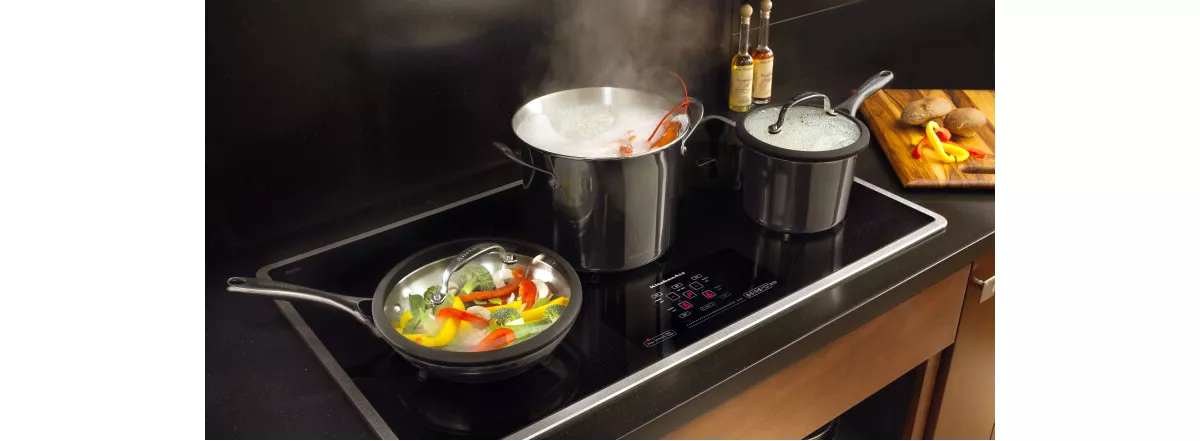
Induction stoves heat pans faster and maintain steady high temperatures ideal for searing meats or frying vegetables. You can get a nice crust without waiting long for the pan to heat up. This efficiency means less oil absorption and a crispier finish.
Because the heat adjusts instantly, you can easily lower the temperature if your food starts to burn. This control helps you cook evenly and avoid hot spots common on gas or electric stoves. Have you tried frying eggs or pancakes on induction? The quick temperature shifts make flipping and cooking them perfectly much easier.
Credit: www.maytag.ca
Common Myths About Induction Cooking
Induction cooking is gaining popularity, but many myths still confuse people. These myths create doubts about safety and usability. Clearing up these myths helps understand induction kitchens better.
Health Concerns
Some believe induction cooking causes harmful radiation. This is not true. Induction stoves use magnetic fields, which are safe and low in strength. They do not emit dangerous radiation like microwaves.
Studies show no health risks from induction cooking. It is safe for pregnant women and people with pacemakers. The magnetic field is confined to the cooktop area only.
Cookware Limitations
People often think induction requires special pots. Induction works only with magnetic cookware like cast iron or stainless steel. Non-magnetic pots, such as aluminum or glass, will not heat.
Many modern pots have magnetic bases made for induction. You can test cookware with a magnet. If it sticks, the pot works with induction.
Using the right cookware improves cooking speed and energy use. Induction heats pots directly, not the air around them.
Maintenance And Cleaning Tips
Keeping your induction kitchen in top shape is easier than you might think. Proper maintenance and cleaning not only extend the life of your appliance but also keep your cooking space safe and efficient. Let's dive into some practical tips to help you care for your induction kitchen every day.
Daily Cleaning
Wipe down the surface after every use to prevent spills from hardening. Use a soft cloth or sponge with warm, soapy water for gentle cleaning.
Avoid abrasive scrubbers or harsh chemicals that can scratch or damage the glass surface. Instead, try a specialized induction cooktop cleaner for stubborn spots.
Dry the surface thoroughly to avoid streaks and water spots. Have you noticed how a clean cooktop makes cooking feel more enjoyable?
Troubleshooting Common Issues
If your induction kitchen isn’t heating properly, check that your cookware is compatible. Magnetic stainless steel or cast iron works best with induction.
Sometimes, the cooktop may display an error code. Refer to your user manual to decode these alerts; often, they indicate simple fixes like overheating or improper cookware placement.
Have you ever found your cooktop unresponsive? Try resetting it by turning off the power for a few minutes. This quick step often solves minor glitches without needing a technician.
Credit: www.kitchenaid.com
Comparing Induction With Other Cooking Methods
Comparing induction cooking with other common methods helps understand its benefits and limits. Each method uses different technology and offers unique cooking experiences. This comparison highlights key points to consider before choosing a kitchen setup.
Induction Vs Gas
Induction uses electromagnetic fields to heat pots directly. Gas stoves burn flames to heat cookware from below. Induction heats faster and uses energy more efficiently. Gas offers visual flame control, preferred by some chefs for cooking style. Induction surfaces stay cooler, reducing burn risks. Gas stoves can work during power outages, unlike induction cooktops. Cleaning induction is easier since spills do not burn onto the surface. Gas stoves may produce more kitchen heat and require ventilation.
Induction Vs Electric Coil
Induction heats cookware through magnetic fields, while electric coils use resistive heating. Induction cooks food quickly and evenly, saving time and energy. Electric coils take longer to heat and cool down slowly. Induction cooktops have smooth, flat surfaces making cleaning simple. Electric coils have raised burners that trap dirt and spills. Induction allows precise temperature control with rapid adjustments. Electric coils provide less accurate heat control. Induction requires compatible cookware with magnetic properties. Electric coils work with any pot or pan material.
Future Trends In Induction Cooking
Induction cooking is evolving rapidly, shaping how we interact with our kitchens. The future holds exciting possibilities that could make your cooking experience easier, smarter, and more efficient. Are you ready to see how technology will transform your everyday meal prep?
Smart Kitchen Integration
Imagine your induction cooktop communicating with your smartphone or voice assistant. Smart kitchen integration means you can control cooking temperatures, set timers, and even receive alerts remotely. This allows you to multitask without constantly hovering over the stove.
Some models already connect with apps that suggest recipes based on the cookware you use or adjust heat automatically for perfect results. This seamless connection can save you time and reduce the chances of burning your meals. How much easier would your cooking routine be if your kitchen devices worked together effortlessly?
Innovative Features
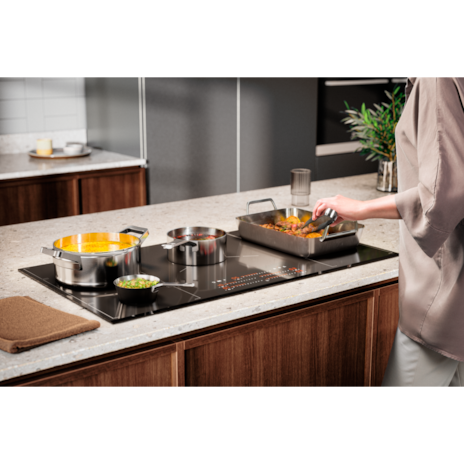
New induction cooktops come packed with features that enhance safety and convenience. For example, some have built-in sensors that detect the size of your pan and adjust the heating area accordingly. This precision not only saves energy but also prevents accidents.
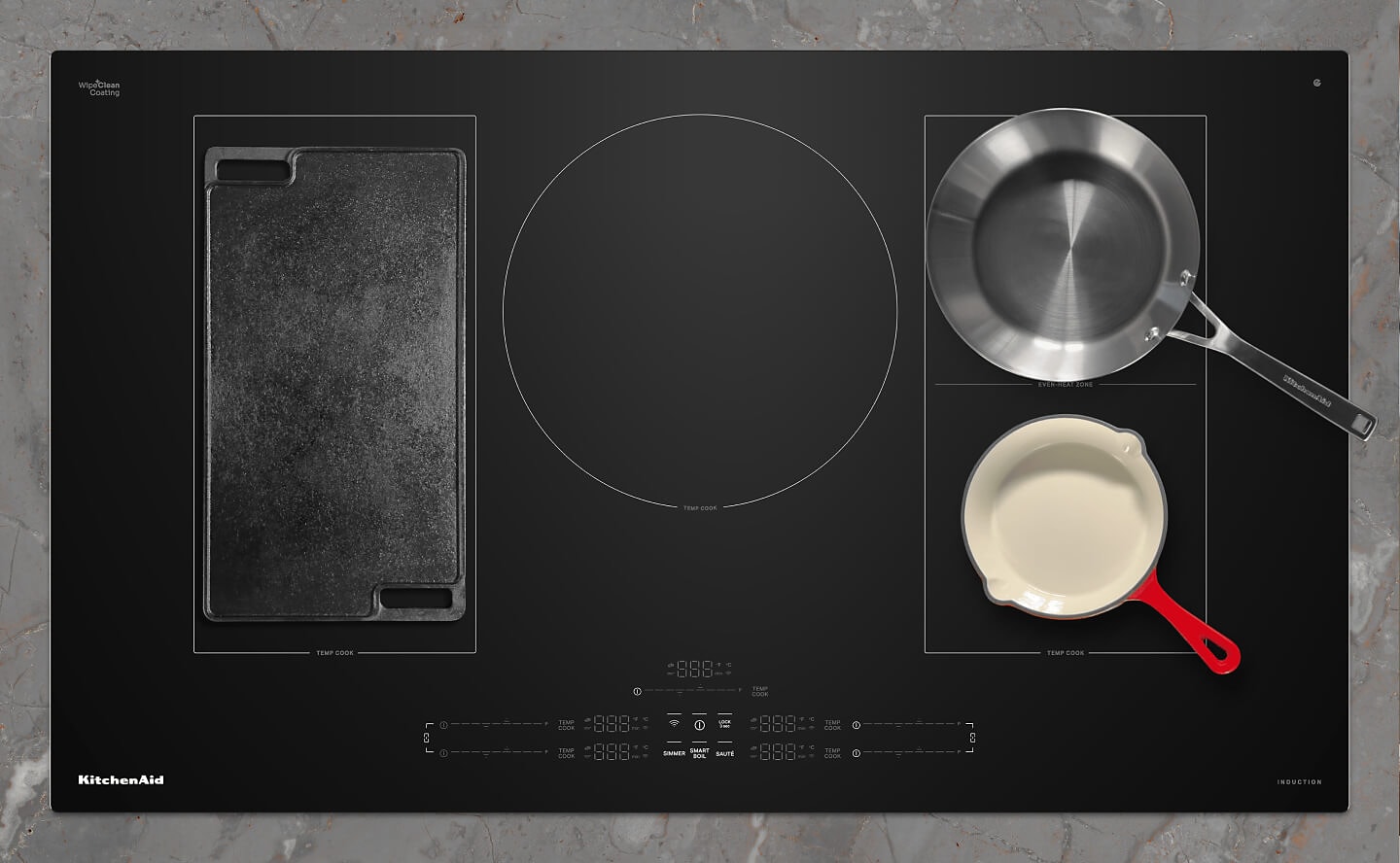
Other innovations include touch controls with haptic feedback, flexible cooking zones that can combine into a larger surface, and automatic pan recognition. These features make induction cooking more adaptable to your needs and kitchen space.
Think about how these advancements could change your cooking style. Would having a cooktop that adapts to your pots and pans change the way you prepare meals? It’s worth considering as you plan your next kitchen upgrade.
Credit: www.electrolux.co.th
Frequently Asked Questions
What Is An Induction Kitchen?
An induction kitchen uses electromagnetic fields to heat cookware directly. It is energy-efficient, fast, and safer than traditional cooking methods. Only compatible pots work on induction cooktops, making cooking precise and easy.
How Does Induction Cooking Work?
Induction cooking generates heat through magnetic induction. An electric current passes through a coil beneath the cooktop. This creates a magnetic field that heats the cookware directly, not the cooktop surface.
Are Induction Kitchens Energy Efficient?
Yes, induction kitchens are highly energy-efficient. They transfer energy directly to cookware, reducing heat loss. This results in faster cooking times and lower electricity bills compared to gas or electric stoves.
Is Induction Cooking Safe For Homes?
Induction cooking is safe because it heats only the cookware. The cooktop surface remains cool, reducing burn risks. It also turns off automatically when cookware is removed, enhancing safety.
Conclusion
Induction kitchens cook food quickly and save energy. They use magnets to heat pots directly. This method keeps the cooktop cool and easy to clean. People like induction for safety and control. It works best with certain metal cookware. This technology suits modern kitchens well.
Many find it efficient and simple to use. Choosing induction can improve your cooking experience. Consider it if you want fast, safe cooking.