
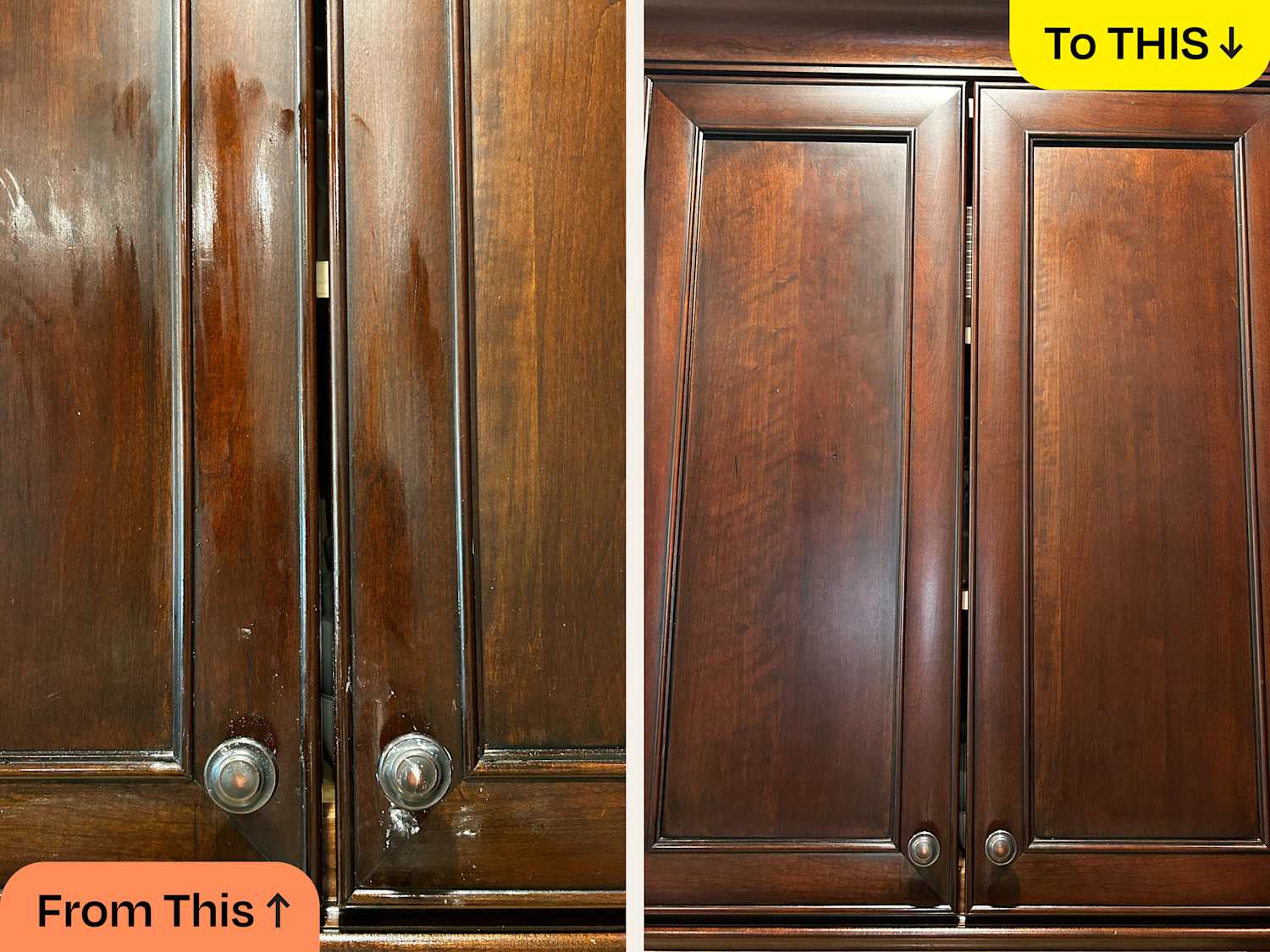
Are your kitchen cabinets covered in stubborn grease that just won’t come off? You’re not alone.
Greasy cabinets can make your kitchen look dull and dirty, no matter how often you clean. But don’t worry—you don’t have to scrub endlessly or use harsh chemicals that could damage your cabinets. You’ll discover the best cleaner that works quickly and safely to restore your cabinets’ shine.
Keep reading to find out how to make your kitchen cabinets look fresh and spotless again with minimal effort.
Types Of Grease On Kitchen Cabinets
Grease on kitchen cabinets comes from different sources. Each type has unique properties. Understanding these types helps choose the best cleaner. Some grease is sticky, while others are oily or smoky. Knowing the type of grease makes cleaning easier and more effective.
Cooking Oil Residue
Cooking oil residue forms from frying and sautéing. It leaves a thin, oily film on cabinet surfaces. This residue attracts dust and dirt. It can make cabinets look dull and sticky. Oil residue requires a cleaner that breaks down fats and oils.
Food Splatter
Food splatter happens during cooking or serving. It includes bits of sauces, grease, and food particles. These splatters can harden and stain cabinets. They often contain sugar or salt, making them sticky. A cleaner with gentle scrubbing power is best for this type.
Smoke And Vapor Build-up
Smoke and vapor come from cooking heat and steam. They leave a thin, greasy film on cabinets over time. This film is often invisible but makes surfaces sticky. It can cause discoloration and odors. A cleaner that removes smoke residue and deodorizes works well here.
Common Cabinet Materials And Their Care
Kitchen cabinets come in various materials. Each type needs special care to stay clean and last long. Grease can build up and damage surfaces if not cleaned properly. Choosing the right cleaner depends on the cabinet material. Understanding common cabinet materials helps in picking the best cleaning method.
Wood Cabinets
Wood cabinets add warmth and style to kitchens. They are sensitive to water and harsh chemicals. Use a mild soap mixed with water for cleaning. Avoid soaking wood surfaces. Wipe gently with a soft cloth to remove grease. Dry immediately to prevent damage or warping.
Laminate Cabinets
Laminate cabinets have a plastic coating over particleboard or wood. They resist stains and water well. Use a gentle all-purpose cleaner or dish soap. Avoid abrasive scrubbers that can scratch the surface. Wipe with a soft sponge and rinse with clean water. Dry with a microfiber cloth for best results.
Metal Cabinets
Metal cabinets offer a sleek, modern look. They can show fingerprints and grease easily. Use a mixture of warm water and mild detergent. Avoid harsh chemicals that may cause rust or discoloration. Wipe with a soft cloth in the direction of the metal grain. Dry thoroughly to prevent water spots.
Glass Cabinets
Glass cabinets look elegant and brighten kitchens. They show smudges and grease clearly. Use a glass cleaner or vinegar mixed with water. Spray lightly and wipe with a lint-free cloth. Avoid using abrasive pads that can scratch the glass. Regular cleaning keeps glass sparkling and clear.
Top Cleaners For Greasy Cabinets
Greasy kitchen cabinets need effective cleaning to restore their shine. Choosing the right cleaner makes the task easier and prevents damage. Some products work well for heavy grease, while others suit light buildup. Here are the top cleaners for greasy cabinets that help maintain your kitchen’s look.
Commercial Degreasers
Commercial degreasers are powerful and designed for tough grease. They break down oils quickly and rinse off easily. Most come in spray bottles for simple application. These cleaners often contain strong chemicals, so use gloves and ventilate the area well.
- Use on stubborn, baked-on grease.
- Follow product instructions carefully.
- Test on a small cabinet area first.
Natural Cleaning Solutions
Natural cleaners offer a safer choice for kitchens with children or pets. They use ingredients like vinegar, lemon, and baking soda. These solutions cut grease gently and leave a fresh scent. Natural options work best on light to moderate grease.
- Mix equal parts vinegar and water in a spray bottle.
- Use lemon juice to add extra grease-cutting power.
- Baking soda acts as a mild abrasive for scrubbing.
Diy Homemade Cleaners
Making your own cleaner saves money and avoids harsh chemicals. Simple recipes use household items that you already have. These homemade cleaners clean grease effectively while being eco-friendly. They allow control over ingredients and strength.
| Ingredients | Purpose |
|---|---|
| Baking soda + water paste | Scrubs off grease gently |
| Dish soap + warm water | Breaks down grease |
| Vinegar + water spray | Dissolves grease and deodorizes |

Credit: currently.att.yahoo.com
How To Choose The Right Cleaner
Choosing a cleaner that cuts through grease without harming cabinets is key. Gentle, grease-fighting solutions work best for kitchen cabinets. Test on a small spot before applying widely to avoid damage.
Choosing the right cleaner for your greasy kitchen cabinets can make all the difference in achieving a sparkling, fresh space. With numerous products on the market, it's crucial to consider a few key factors before making your choice. From safety to effectiveness, and even environmental impact, understanding these elements will help you select the best cleaner that meets your needs.
Safety For Cabinet Surfaces
Before purchasing a cleaner, ensure it's safe for your specific cabinet material. Wood, laminate, and painted surfaces all react differently to chemicals. You wouldn't want to damage the finish or color of your cabinets. Always check the label for compatibility and test on a small, hidden area if you're unsure. This cautious approach can save you from costly repairs.
Effectiveness On Different Grease Types
Grease in the kitchen can vary from cooking oils to stubborn residues. Not all cleaners handle these effectively. Some might cut through light grease but fail on tougher, baked-on stains. Look for products specifically designed to tackle heavy-duty grease if that’s your issue. A cleaner that’s versatile across different grease types can be a time-saver and reduce the need for multiple products.
Environmental Impact
Many cleaning products contain harsh chemicals that aren't eco-friendly. If you're concerned about the environment, consider opting for biodegradable or plant-based cleaners. These options are often just as effective without leaving a heavy footprint. Moreover, they’re usually safer for your family and pets, providing peace of mind while maintaining a clean kitchen. Choosing a cleaner isn't just about removing grime—it's about making a choice that aligns with your values and needs. What factors are most important to you when selecting a kitchen cleaner?
Step-by-step Cleaning Process
Cleaning greasy kitchen cabinets can feel tough without the right approach. A clear process helps break down the grease and restores your cabinets’ shine. Follow these steps to clean effectively and safely.
Preparation And Safety Tips
Start by clearing the area around your cabinets. Remove items from the countertops and cabinet doors. Open windows or turn on the exhaust fan for ventilation. Wear rubber gloves to protect your hands from harsh cleaners. Test the cleaner on a small, hidden spot to avoid damage. Gather soft cloths, a sponge, and a gentle brush for scrubbing.
Applying The Cleaner
Choose a cleaner made for greasy surfaces, such as a mild dish soap mixed with warm water or a vinegar solution. Dampen a soft cloth or sponge with the cleaner. Apply it evenly on the greasy cabinet surfaces. Let the cleaner sit for a few minutes to soften the grease. Avoid soaking the wood to prevent damage.
Scrubbing Techniques
Use a soft brush or sponge to gently scrub the cabinet surfaces. Focus on corners and edges where grease hides. Use circular motions to lift the grime without scratching the finish. For stubborn grease, apply a bit more cleaner and scrub again. Wipe off loosened dirt with a clean, damp cloth.
Rinsing And Drying
Rinse the cloth or sponge with clean water and wipe the cabinets to remove cleaner residue. Repeat rinsing until no cleaner remains. Use a dry microfiber cloth to dry the surfaces thoroughly. Drying prevents water spots and damage. Leave cabinets open for a while to air out and dry completely.

Credit: currently.att.yahoo.com
Tips To Prevent Grease Build-up
Preventing grease build-up on kitchen cabinets saves you time and effort in cleaning. Keeping grease at bay means your kitchen stays fresh and looks great longer. Small changes in your daily routine and kitchen setup can make a big difference.
Regular Maintenance
Wipe down your cabinets regularly with a mild cleaner or a vinegar-water solution. This stops grease from settling and hardening over time. Try setting a reminder to clean cabinets once or twice a week—consistency is key.
After cooking, quickly wipe splatters before they dry. You’ll notice less sticky grime building up, which makes deep cleaning easier. Ask yourself: how often do you overlook these quick clean-ups?
Ventilation Improvements
Good airflow reduces grease floating in the air that lands on cabinets. Use an exhaust fan or range hood every time you cook, especially when frying or grilling. If your kitchen lacks a built-in fan, a portable one can help too.
Opening windows while cooking also helps. It lets steam and grease escape instead of settling on surfaces. Think about your kitchen setup—could fresh air flow be improved?
Protective Coatings
Applying a protective finish on your cabinets can block grease and make cleaning easier. Products like clear polyurethane or specialized cabinet sealers create a smooth surface that resists stains. Make sure the coating is safe for kitchen use and follow manufacturer instructions.
Some homeowners use wax-based products for wooden cabinets to add a shield against grease. This extra layer means grease doesn’t stick as firmly, so you spend less time scrubbing. Have you considered adding a protective barrier to your cabinets?
Common Mistakes To Avoid When Cleaning
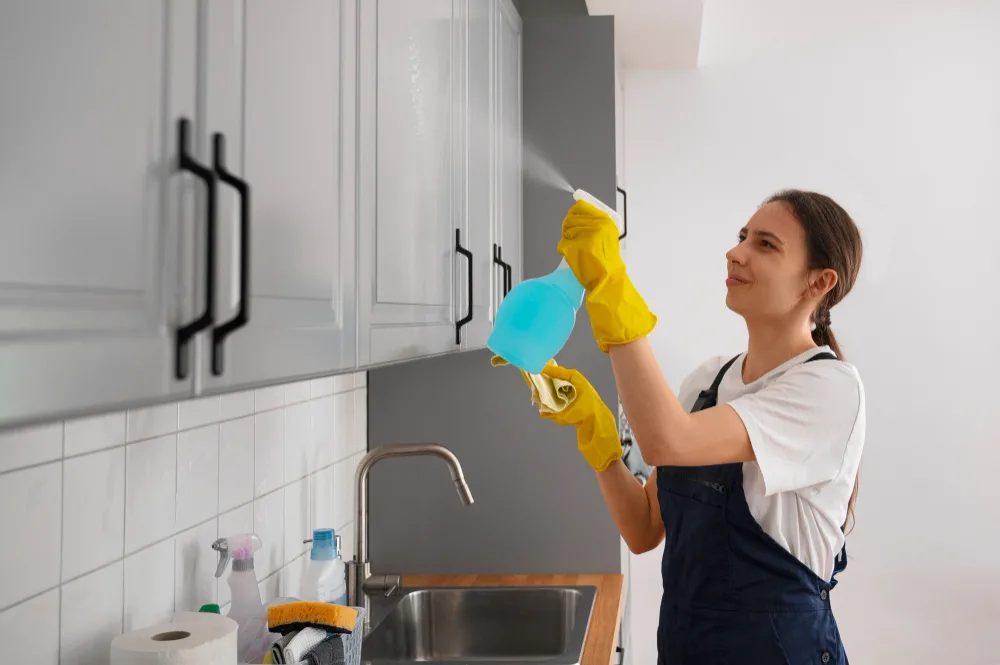
Cleaning greasy kitchen cabinets can be tricky. Many make mistakes that damage the finish or leave residue behind. Knowing what to avoid helps keep cabinets looking fresh and new. Avoiding these common errors saves time and effort.
Using Harsh Chemicals
Harsh chemicals can strip the cabinet’s finish. They may cause discoloration or dullness. Strong cleaners can also harm wood or laminate surfaces. Choose gentle, kitchen-safe cleaners instead. Mild soap and water often do the job well.
Over-saturating Cabinets
Too much water can seep into cabinet joints. This leads to swelling, warping, or peeling. Use a damp cloth rather than soaking wet. Wipe cabinets gently and dry quickly. Avoid letting water sit on the surface.
Ignoring Manufacturer Instructions
Every cabinet type has specific care needs. Ignoring instructions risks voiding warranties or damaging surfaces. Check the label or manual for cleaning advice. Follow recommended products and techniques carefully.
Credit: citymagazine.si
Frequently Asked Questions
What Is The Best Cleaner For Greasy Kitchen Cabinets?
The best cleaner combines degreasing power with gentle ingredients. A mixture of warm water, dish soap, and white vinegar works well. It cuts through grease without damaging cabinet surfaces, making it safe and effective for regular cleaning.
Can Homemade Cleaners Remove Kitchen Cabinet Grease?
Yes, homemade cleaners effectively remove cabinet grease. A solution of baking soda and warm water creates a mild abrasive paste. It lifts grease and grime gently, preserving cabinet finishes while providing a budget-friendly, eco-friendly cleaning option.
Are Commercial Degreasers Safe For Kitchen Cabinets?
Most commercial degreasers are safe if used as directed. Choose products labeled non-toxic and suitable for wood or laminate surfaces. Always test in a small area first to avoid damage and ensure the product effectively removes grease without harm.
How Often Should I Clean Greasy Kitchen Cabinets?
Cleaning greasy cabinets weekly is ideal. Frequent cleaning prevents grease buildup, keeping cabinets fresh and prolonging their lifespan. Regular maintenance reduces the need for harsh chemicals and deep cleaning, preserving cabinet appearance and hygiene.
Conclusion
Choosing the best cleaner for greasy kitchen cabinets makes a big difference. Use a product that cuts grease but is gentle on surfaces. Natural cleaners like vinegar mixed with water work well and cost less. Always test a small spot first to avoid damage.
Clean regularly to keep cabinets looking fresh and new. A clean kitchen feels more inviting and healthy. Simple steps can save time and effort in the long run. Keep your cabinets shiny without harsh chemicals or scrubbing too hard. Easy, safe cleaning helps maintain your kitchen’s beauty.