
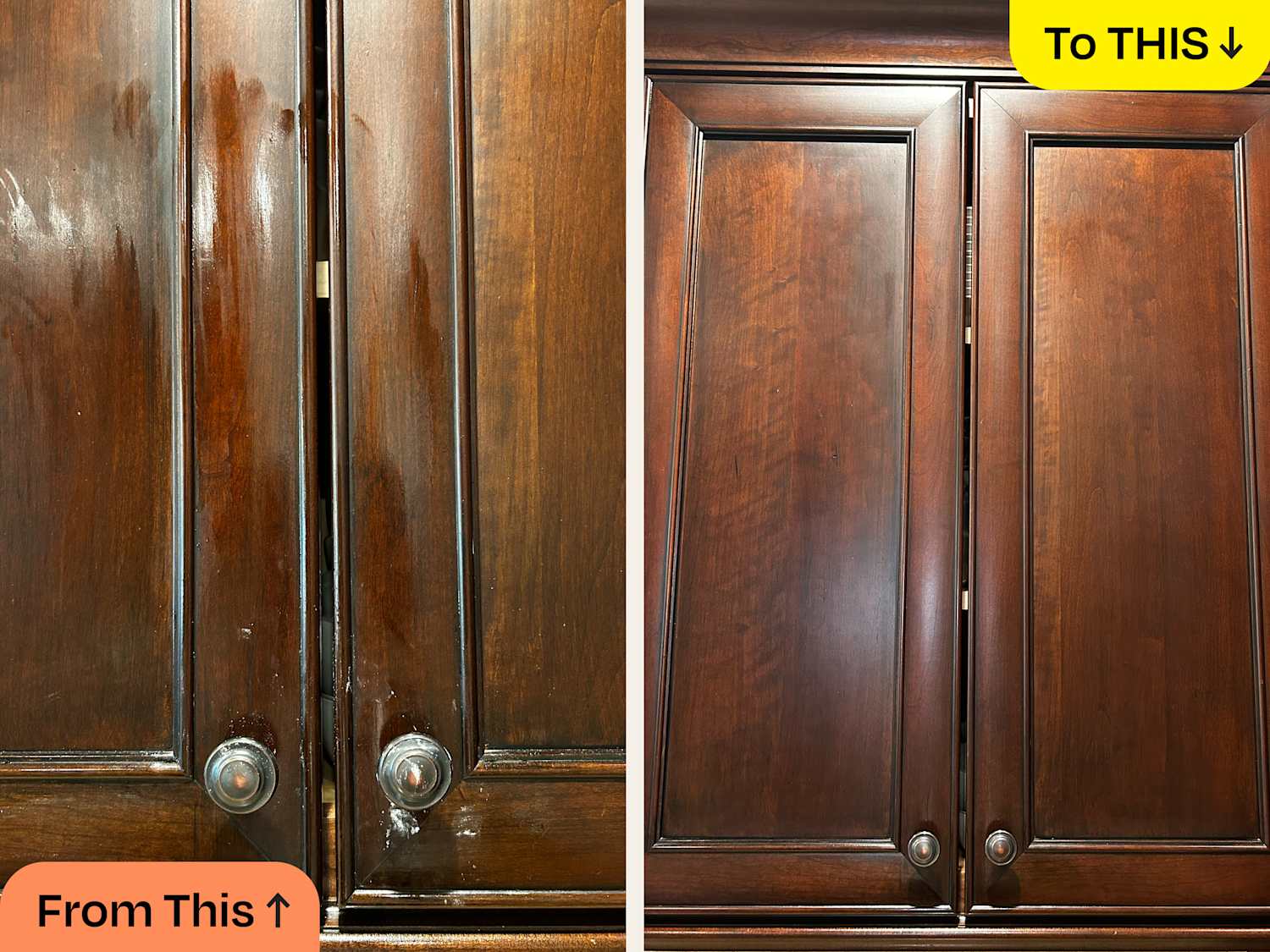
Are your kitchen cabinets looking dull, sticky, or covered in stubborn stains? Finding the best cleaner for kitchen cabinets can make a huge difference in bringing back their shine and keeping them looking fresh for years.
You want a solution that works well, is safe for your surfaces, and doesn’t require endless scrubbing. You’ll discover the top cleaners that professionals and homeowners trust, plus simple tips to keep your cabinets spotless without wasting time or money.
Keep reading to find the perfect cleaner that fits your kitchen’s needs and makes your cabinets shine like new.

Credit: www.amazon.com
Types Of Kitchen Cabinet Materials
Kitchen cabinets come in many materials. Each material reacts differently to cleaners. Knowing your cabinet type helps pick the best cleaner. This prevents damage and keeps them looking fresh.
Wood Cabinets
Wood cabinets are classic and sturdy. They need gentle cleaning to protect the finish. Harsh chemicals can strip the wood or cause stains. Use mild soap and water or wood-specific cleaners. Dry them quickly to avoid water damage.
Laminate Cabinets
Laminate cabinets have a plastic coating over particleboard. They resist stains and scratches well. Avoid abrasive cleaners that can scratch the surface. A soft cloth with warm soapy water works best. Wipe off spills promptly to prevent damage.
Thermofoil Cabinets
Thermofoil is a vinyl layer bonded to MDF. It looks smooth and shiny. Avoid hot water and strong cleaners as they can peel the vinyl. Use mild detergent and a soft cloth for cleaning. Be careful around edges to avoid lifting the foil.
Metal Cabinets
Metal cabinets are durable and easy to clean. They resist stains but can show fingerprints. Use gentle cleaners or a vinegar-water mix to remove marks. Avoid steel wool or harsh scrubbers that can scratch the metal. Dry with a soft towel to prevent rust.

Credit: www.amazon.com
Common Stains And Dirt On Cabinets
Kitchen cabinets face many types of dirt and stains every day. These marks make cabinets look old and dirty fast. Knowing common stains helps choose the right cleaner. Cleaning becomes easier with the right approach.
Grease And Oil
Grease and oil come from cooking. They leave a sticky, shiny film on cabinets. This layer attracts more dirt and dust. Over time, it builds up and stains the surface. Grease stains need strong cleaners to break them down. Wiping with just water does not remove them well.
Dust And Dirt
Dust collects on cabinets constantly. It mixes with dirt from hands and air. Dust makes cabinets look dull and dirty. It can scratch cabinet surfaces if not cleaned gently. Regular dusting keeps cabinets fresh and clean. Use soft cloths to avoid damage.
Water Spots
Water spots happen when water dries on cabinet surfaces. They leave white or cloudy marks. Hard water minerals cause these spots. Water spots can damage wood finish over time. Wiping spills quickly prevents these marks. Special cleaners help remove stubborn water spots.
Food Residue
Food residue comes from spills and splashes. Sticky sauces, juice, and crumbs often stick to cabinets. Leftover food attracts bugs and bacteria. It also causes unpleasant smells. Cleaning food residue quickly stops stains and odors. Use mild cleaners to protect cabinet surfaces.
Top Cleaners For Kitchen Cabinets
Keeping kitchen cabinets clean is essential for a tidy home. Grease and grime can build up quickly, making regular cleaning necessary. Choosing the right cleaner ensures your cabinets stay spotless and last longer. Below, explore the top cleaners for kitchen cabinets, divided into categories for your convenience.
Commercial Cleaners
Commercial cleaners offer convenience and effective cleaning power. They are specially formulated to tackle tough stains and grime.
- All-Purpose Cleaners:These cleaners are versatile and easy to use. They remove grease and dirt efficiently.
- Wood-Specific Cleaners:Designed for wood cabinets, they protect the finish and enhance shine.
- Spray Cleaners:Simple application with a spray bottle. They provide quick cleaning action.
Diy Natural Cleaners
DIY natural cleaners are cost-effective and safe. They are often made with household items.
- Vinegar Solution:Mix equal parts vinegar and water. It cuts through grease and is gentle on surfaces.
- Baking Soda Paste:Combine baking soda with water to form a paste. It’s ideal for scrubbing stubborn spots.
- Lemon Juice Mix:Lemon juice with water offers a fresh scent and effective cleaning power.
Eco-friendly Options
Eco-friendly cleaners are perfect for those who prefer sustainable choices. They are biodegradable and non-toxic.
- Plant-Based Cleaners:Made from natural ingredients, these are gentle on the environment and cabinets.
- Essential Oil Cleaners:Essential oils like tea tree provide antimicrobial properties with a pleasant aroma.
- Reusable Cloths:Pair these with water or mild soap. They reduce waste and clean effectively.
Cleaning Techniques For Different Cabinet Types
Different kitchen cabinet materials need specific cleaning methods. Using the right technique keeps cabinets looking fresh longer. It prevents damage and maintains their original beauty. Understanding each cabinet type helps pick the best cleaner and approach.
Wood Cabinet Cleaning Tips
Use a soft cloth and mild soap with warm water. Avoid harsh chemicals that strip the wood’s finish. Wipe gently following the wood grain. Dry immediately with a clean towel to stop water damage. Polish occasionally with a wood conditioner for shine and protection.
Laminate Cabinet Care
Clean with a mixture of warm water and mild detergent. Use a soft sponge or cloth to avoid scratches. Avoid abrasive scrubbers that can damage the surface. Rinse with clean water and dry to prevent streaks. Stubborn stains may require a baking soda paste.
Thermofoil Surface Cleaning
Use mild soap and warm water for regular cleaning. Avoid hot water and strong solvents that can peel the thermofoil. Use a soft cloth to gently wipe surfaces. Dry thoroughly to avoid water spots. For sticky spots, try a vinegar and water solution.
Metal Cabinet Maintenance
Wipe metal cabinets with a damp cloth and mild soap. Avoid abrasive cleaners that scratch the metal finish. Use a soft cloth to buff and remove fingerprints. Dry well to prevent rust or water marks. Stainless steel polish can enhance shine and protection.
Safety Tips When Cleaning Cabinets
Cleaning your kitchen cabinets can refresh your entire space, but safety should never take a backseat. Many cleaning products contain chemicals that can irritate your skin, eyes, or lungs if not handled properly. Taking a few simple safety steps ensures you protect yourself while making your cabinets shine.
Proper Ventilation
Always open windows or turn on exhaust fans before you start cleaning. Good airflow helps reduce the concentration of fumes from cleaning products. Have you noticed how a stuffy kitchen makes even mild cleaners feel stronger? Fresh air can make all the difference.
Using Gloves And Protective Gear
Wear gloves to protect your hands from harsh chemicals and prevent skin dryness or allergic reactions. If your cleaning solution is strong, consider goggles to shield your eyes. It’s easy to forget, but a little protective gear keeps you comfortable and safe throughout the process.
Avoiding Harsh Chemicals
Choose cleaners with gentle, natural ingredients when possible. Harsh chemicals might remove stains quickly but can damage cabinet finishes over time and harm your health. Have you tried simple mixtures like vinegar and water? They often clean well without the risks.
Maintaining Cabinet Cleanliness
Keeping kitchen cabinets clean makes your kitchen look fresh and inviting. Clean cabinets last longer and avoid damage from dirt and grease. Regular care keeps stains and buildup from setting in. Simple habits protect the finish and wood from wear. A little effort daily saves major cleaning later.
Regular Cleaning Schedule
Set a weekly time to wipe down cabinets. Use a soft cloth with mild cleaner or warm water. Avoid harsh chemicals that strip paint or varnish. Dry surfaces completely to prevent moisture damage. Check handles and corners for grime buildup. Stick to this routine to keep dirt from accumulating.
Preventing Stains And Damage
Clean spills immediately to stop stains from forming. Avoid placing wet items against cabinet surfaces. Use coasters or mats under bottles or jars. Keep grease away by wiping near the stove after cooking. Avoid abrasive scrubbers that scratch surfaces. Treat cabinets gently to maintain their look.
Quick Spot Cleaning Methods
For small spots, use a damp cloth with mild soap. Gently rub the area to lift dirt without damaging finish. Use a soft toothbrush for crevices or detailed areas. Wipe again with a clean damp cloth to remove soap residue. Dry the spot with a towel to avoid streaks. Quick cleaning prevents stains from settling in.
Frequently Asked Questions
What Is The Safest Cleaner For Kitchen Cabinets?
A mild dish soap mixed with warm water is the safest cleaner. It effectively removes dirt without damaging cabinet finishes or materials. Avoid harsh chemicals to preserve the cabinet’s look and durability.
Can Vinegar Clean Kitchen Cabinets Without Damage?
Yes, diluted white vinegar is a natural and effective cleaner. It cuts grease and grime while being gentle on most cabinet surfaces. Always test on a small area first to ensure no discoloration occurs.
How Do I Remove Grease From Kitchen Cabinets?
Use a mixture of warm water, dish soap, and a few drops of vinegar. Apply gently with a soft cloth to break down grease without harming the finish. Rinse and dry thoroughly afterward.
Are Commercial Cabinet Cleaners Better Than Homemade Solutions?
Commercial cleaners are designed specifically for cabinets and may offer stronger grease removal. However, homemade solutions like soap and vinegar are safer, cost-effective, and suitable for regular cleaning without harsh chemicals.
Conclusion
Choosing the best cleaner for kitchen cabinets helps keep them fresh and bright. Gentle cleaners protect the wood and finish from damage. Regular cleaning stops dirt and grease from building up. Always test new products on a small area first.
Simple ingredients often work best and are safe to use. Clean cabinets make the whole kitchen look nicer and feel cleaner. Keep your kitchen inviting with the right cleaning routine. Small efforts bring big results over time.