
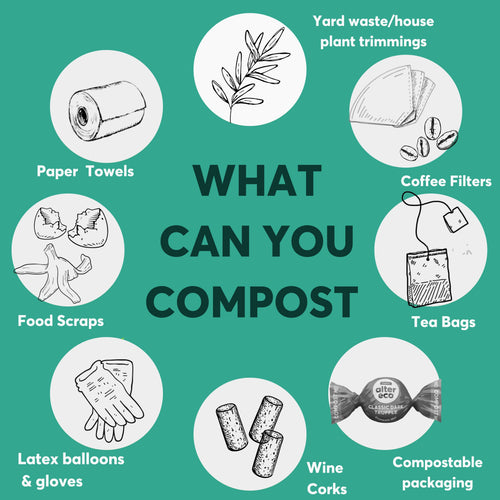
Are you tired of throwing away food scraps and wondering if there’s a better way to handle them? What if you could turn your kitchen waste into something valuable for your garden?
Knowing exactly what kitchen scraps can be composted is the key to creating rich, healthy soil right at home. You’ll discover which everyday leftovers belong in your compost bin—and which ones don’t. Keep reading to learn how to reduce waste, save money, and give your plants the nutrients they crave.
Your kitchen scraps are more powerful than you think!
Benefits Of Composting Kitchen Scraps
Composting kitchen scraps offers many benefits for the environment and your garden. It reduces waste sent to landfills, cutting down harmful gases. Compost enriches soil, making plants grow healthier and stronger.
Using compost improves soil texture and water retention. It reduces the need for chemical fertilizers, saving money and protecting nature. Composting also supports beneficial microbes that keep soil alive and productive.
Reduces Household Waste
Composting cuts down the amount of trash you produce. Kitchen scraps like fruit peels and coffee grounds become useful instead of waste. Less garbage means fewer landfill problems and less pollution.
Enriches Soil Naturally
Compost adds important nutrients back into the soil. It helps plants get vitamins and minerals needed for growth. The soil becomes richer and more fertile, supporting healthier gardens.
Promotes Healthy Plant Growth
Plants grown in compost-rich soil are stronger and resist disease better. Compost improves root development and plant vigor. This leads to better yields in vegetable gardens and flower beds.
Saves Money On Fertilizers
Compost acts as a free natural fertilizer. It reduces the need to buy chemical products for plants. This saves money and lowers chemical use around your home.
Supports Microbial Life
Composting encourages helpful bacteria and fungi in the soil. These microbes break down organic matter and release nutrients. Healthy microbes improve soil health and plant growth over time.
Common Kitchen Scraps For Composting
Composting kitchen scraps is a simple way to reduce waste and nourish your garden. Knowing which scraps to compost helps you avoid common mistakes and speeds up the process. Let’s look at some everyday kitchen scraps that work perfectly for your compost pile.
Fruit And Vegetable Peels
Fruit and vegetable peels are some of the easiest scraps to compost. Items like apple cores, carrot tops, potato skins, and banana peels break down quickly and add valuable nutrients to the soil.
Have you ever tossed citrus peels in your compost? While they are compostable, add them sparingly to avoid slowing down decomposition due to their acidity. Mixing a variety of peels helps maintain a balanced compost.
Coffee Grounds And Tea Bags
Used coffee grounds are a favorite among composters because they’re rich in nitrogen. Toss them in your bin after brewing your morning cup to boost your compost’s nutrient content.
Tea bags can also be composted if they are made from natural fibers. Be sure to remove any staples or plastic parts first. Did you know that coffee grounds can help repel certain pests in your garden?
Eggshells
Eggshells add calcium to your compost, which helps plants grow strong. Rinse and crush them before adding to speed up their breakdown.
Many people overlook eggshells, but they’re great for balancing soil pH. How often do you find eggshells in your compost? Try adding them regularly to see the difference.
Bread And Grains
Bread and grains like rice or pasta can be composted in small amounts. Avoid moldy or heavily processed items, as they may attract pests or slow composting.
Crumbled stale bread or leftover cereal scraps break down quickly. If you’ve ever wasted bread, consider composting it instead to reduce food waste and help your garden thrive.
Scraps To Avoid In Compost
Not all kitchen scraps belong in your compost pile. Adding the wrong materials can cause bad odors, attract pests, or even harm your compost’s health. Knowing what to avoid helps you keep your compost balanced and effective.
Meat And Dairy Products
Meat scraps and dairy products like cheese, milk, and yogurt should stay out of your compost. These items can create strong odors that attract rodents and other unwanted animals to your compost bin. Plus, they take much longer to break down and can upset the natural composting process.
Think about the last time you found a compost bin smelling like rotten food. Chances are, meat or dairy was the culprit. Stick to plant-based scraps to keep your compost fresh and pest-free.
Oils And Fats
Oils, butter, and other fats don’t belong in compost either. They coat materials, slowing down decomposition and trapping moisture. This can lead to a slimy, smelly mess that discourages beneficial microbes from doing their job.
Instead of tossing leftover cooking oil into your compost, collect it separately for recycling or disposal. Your compost will thank you by breaking down faster and smelling better.
Diseased Plants And Weeds
Adding diseased plants or weeds with seeds can cause trouble in your garden later. Diseases may survive the composting process and infect your healthy plants. Weeds can sprout from seeds that don’t get hot enough during composting.
Before composting, inspect your scraps carefully. If you notice signs of disease or persistent weeds, it’s safer to discard them elsewhere or use a hot composting method that kills pathogens and seeds.

Credit: www.robingreenfield.org
Preparing Scraps For Composting
Preparing kitchen scraps properly helps speed up composting. It also prevents bad smells and pests. Small pieces break down faster and mix well with other compost materials. Balancing the types of scraps creates the right environment for microbes to thrive.
Chopping And Shredding
Cut scraps into small pieces before adding them to the compost. Smaller bits increase the surface area for bacteria and fungi. Chop vegetable peels, fruit cores, and egg shells. Shred leaves and paper to help them blend better. Avoid large chunks that take longer to decompose.
Balancing Greens And Browns
Compost needs a mix of green and brown materials. Greens are wet and rich in nitrogen. Browns are dry and supply carbon. Kitchen scraps like fruit, vegetable peels, and coffee grounds count as greens. Browns include dry leaves, paper towels, and sawdust.
- A good ratio is about two parts brown to one part green.
- Too many greens cause a smelly, wet pile.
- Too many browns slow down decomposition.
Mix scraps well with brown materials to keep the pile healthy. This balance supports fast, odor-free composting.
Composting Methods For Kitchen Waste
Composting kitchen scraps is a smart way to reduce waste and create nutrient-rich soil for your garden. Different composting methods suit different living spaces, time commitments, and types of waste. Understanding these options helps you choose the best fit for your lifestyle and the scraps you generate daily.
Traditional Backyard Composting
This method uses a compost bin or pile in your yard to break down kitchen scraps along with yard waste. You add materials like fruit peels, vegetable cuttings, coffee grounds, and eggshells, balancing "greens" and "browns" for efficient decomposition.
Turn the pile regularly to supply oxygen and speed up the process. It might take a few months, but the result is rich, dark compost that improves soil texture and plant health. Have you tried layering your scraps with dry leaves or shredded paper to keep the balance right?
Vermicomposting With Worms
Worm composting uses red wigglers to digest kitchen scraps quickly in a small bin, making it perfect for apartments or small spaces. Worms love fruit and vegetable scraps, coffee grounds, and crushed eggshells, but avoid meat or oily foods.
This method produces nutrient-dense worm castings that are excellent for houseplants and gardens. You’ll be surprised how fast worms turn your scraps into valuable fertilizer—sometimes in just a few weeks. Could your countertop fit a worm bin?
Bokashi Fermentation
Bokashi is a fermentation process using special microbes to break down all kitchen waste, including meat and dairy, which other methods often exclude. You add scraps to a sealed container and sprinkle bokashi bran to kickstart fermentation.
After about two weeks, the fermented waste goes into soil or a compost pile to finish decomposing. This method is odorless and fast, making it ideal for indoor composting. How much kitchen waste would you save from the landfill with this approach?

Credit: thewoodlandstownshipblog-environment.com
Tips For Maintaining A Healthy Compost
What Kitchen Scraps Can Be Composted Vegetable peels, fruit scraps, and coffee grounds make excellent compost. Eggshells add calcium to the mix. Avoid meat, dairy, and oily foods to prevent pests.
Composting kitchen scraps is a great way to reduce waste. It enriches your garden soil naturally. To ensure your compost pile thrives, follow these simple maintenance tips. A healthy compost needs the right balance of air, moisture, and temperature. Each plays a crucial role in breaking down your kitchen scraps efficiently.
Turning And Aerating
Regularly turn your compost pile to introduce air. This process helps break down materials faster. Use a pitchfork or shovel to mix the pile. Aim to turn it every few weeks. Aeration prevents foul odors and speeds up decomposition. It also helps distribute moisture evenly.
Moisture Control
Keep your compost as damp as a wrung-out sponge. Too much water causes bad smells and slows down the process. Too little moisture stops decomposition. Check the moisture level weekly. Add dry materials if it's too wet. Water it lightly if it's too dry.
Temperature Monitoring
A hot pile breaks down scraps quickly. Use a compost thermometer to check the temperature. Ideal compost temperature ranges from 135°F to 160°F. If it's too cool, add more green materials. This includes fruit peels or coffee grounds. They provide nitrogen, which heats up the pile. If it's too hot, mix in brown materials like dry leaves.
Using Finished Compost In Your Garden
Finished compost is a treasure for your garden. It transforms poor soil into rich, fertile ground. Using compost helps plants grow stronger and healthier. It also supports beneficial microbes and earthworms. Compost improves soil texture and water retention. This section explores how to use finished compost effectively.
Soil Enrichment
Mix compost directly into garden beds. It adds nutrients like nitrogen, phosphorus, and potassium. Compost helps break up heavy clay soils. It also improves sandy soils by holding moisture. Spread a layer of compost around plants. This feeds roots and promotes growth. Healthy soil leads to vibrant plants and better yields.
Mulching
Use compost as mulch on garden surfaces. Spread a 2-3 inch layer around trees and shrubs. Mulching conserves moisture and reduces weed growth. It also keeps soil temperature stable. Compost mulch breaks down slowly, feeding soil over time. This method keeps your garden clean and healthy.
Potting Mix Additive
Add compost to homemade potting mixes. Blend it with materials like peat, perlite, or coconut coir. Compost improves nutrient content and water retention. It creates a light, fluffy mix for container plants. This encourages strong roots and healthy growth. Using compost in pots helps plants thrive indoors and outdoors.

Credit: theuglyapplecampaign.wordpress.com
Common Composting Mistakes To Avoid
Composting kitchen scraps is a fantastic way to reduce waste and nourish your garden. However, many people make simple mistakes that slow down the process or attract pests. Avoiding these common pitfalls will help you create rich, healthy compost faster and with less hassle.
Adding Too Many Greens Without Browns
Greens like vegetable peels and coffee grounds provide nitrogen, which is essential for compost. But if you add too many greens without enough browns—such as dry leaves or shredded paper—your compost can become slimy and smelly.
Balance is key. Aim for roughly equal parts greens and browns to keep your compost healthy and odor-free.
Composting Meat, Dairy, And Oils
Many beginners toss meat scraps, cheese, or oily food into their compost. These items attract pests like rats and flies, and they can cause unpleasant odors.
Stick to plant-based kitchen scraps for best results. If you want to compost meat or dairy, consider a specialized system like a bokashi bin.
Not Chopping Scraps Into Smaller Pieces
Large chunks of food waste take longer to break down. I learned this the hard way when a whole watermelon rind sat in my bin for weeks.
Cut scraps into smaller pieces before adding them. This speeds up decomposition and gives you finished compost sooner.
Ignoring Moisture Levels
Your compost should be as damp as a wrung-out sponge. Too dry, and decomposition slows down; too wet, and it can turn into a smelly mess.
Check moisture regularly. Add water if it’s dry or add dry browns if it’s soggy.
Failing To Turn The Pile
Oxygen is vital for the microbes that break down your scraps. If you never turn your compost, it might become compacted and smelly.
Turn your pile every week or two to keep air flowing and speed up the process.
Frequently Asked Questions
What Kitchen Scraps Are Best For Composting?
Vegetable peels, fruit scraps, coffee grounds, eggshells, and tea bags are ideal for composting. Avoid meat, dairy, and oily foods to prevent pests and odors.
Can Citrus Peels Be Composted Safely?
Yes, citrus peels can be composted in small amounts. They add acidity and nutrients but should be balanced with other scraps to maintain compost health.
How Do Eggshells Benefit Compost?
Eggshells add calcium and help balance soil pH. Crush them before adding to speed up decomposition and improve compost texture.
Are Coffee Grounds Good For Compost?
Coffee grounds are rich in nitrogen and boost microbial activity. They mix well with brown materials like leaves or paper in compost.
Conclusion
Composting kitchen scraps helps reduce waste and enrich soil naturally. Fruit peels, vegetable bits, coffee grounds, and eggshells break down well. Avoid meat, dairy, and oily foods to keep compost healthy. Small efforts make a big difference for your garden and planet.
Start composting today to see how easy it can be. Your plants will thank you with better growth and color. Waste less. Grow more. Feel good about helping the earth.